 "Anthropic launches institute to study AI’s societal risks, says next two years crucial")
AI is advancing with time, along with time the speed of progress is evolving but is also raising questions about how societies will manage the technology’s long-term impact. Following this debate, Anthropic has announced the launch of a new institute, which focuses on studying the societal challenges that could make AI systems more capable.
Anthropic claims that the launch of the new institute will help people to prepare for the future ahead of time and the risk of AI imposing on the human race.
Accelerated rapid growth
The company says they have worked enough to accelerate rapid growth and have evolved in every factor ranging from AI to cybersecurity. Anthropic was found five years ago, and it took about two years to release its first commercial model.
In the recent three years, the company said that it progressed to a stage where it can solve highly complex problems and detect serious threats hampering the system.
The company believes the next stage of AI development could move even faster because advances are compounding, meaning each improvement helps speed up future breakthroughs.
Next two years will be crucial for AI
If the trend persists, Anthropic says the next two years could see AI capabilities advance far faster than many anticipate, prompting fresh concerns among governments and researchers over jobs, economic effects, embedded values in AI systems, and how the technology should be regulated worldwide.
Anthropic CEO Dario Amodei also warned that AI could see major disruption to the labour market. Earlier he said AI may lead to “unusually painful” changes in employment, particularly across white-collar professions.
“Humanity is about to be handed almost unimaginable power, and it is deeply unclear whether our social, political, and technological systems possess the maturity to wield it,” Amodei wrote in a recent essay discussing the potential risks of advanced AI.
Quick Reads
View AllSome sectors remain unaffected
Well, the debate has been going on for months for job security and AI automation while recent research suggests that large parts of the workforce remain relatively insulated from AI automation for now.
It suggested many professions remain difficult for AI systems to automate because they rely heavily on physical work, real-world interaction, or human judgement.
Jobs in agriculture, food services, and repair work currently show very low levels of AI exposure. Even in fields where AI is being used more frequently, including programming, customer service, and data entry, there is still little clear evidence that the technology is causing widespread job losses so far.


 "US-Israel Iran War Live Updates: Two Indian tankers granted safe passage through Hormuz")
 "Vessel carrying Saudi crude reaches India; first tanker to arrive from Strait of Hormuz since Iran war")
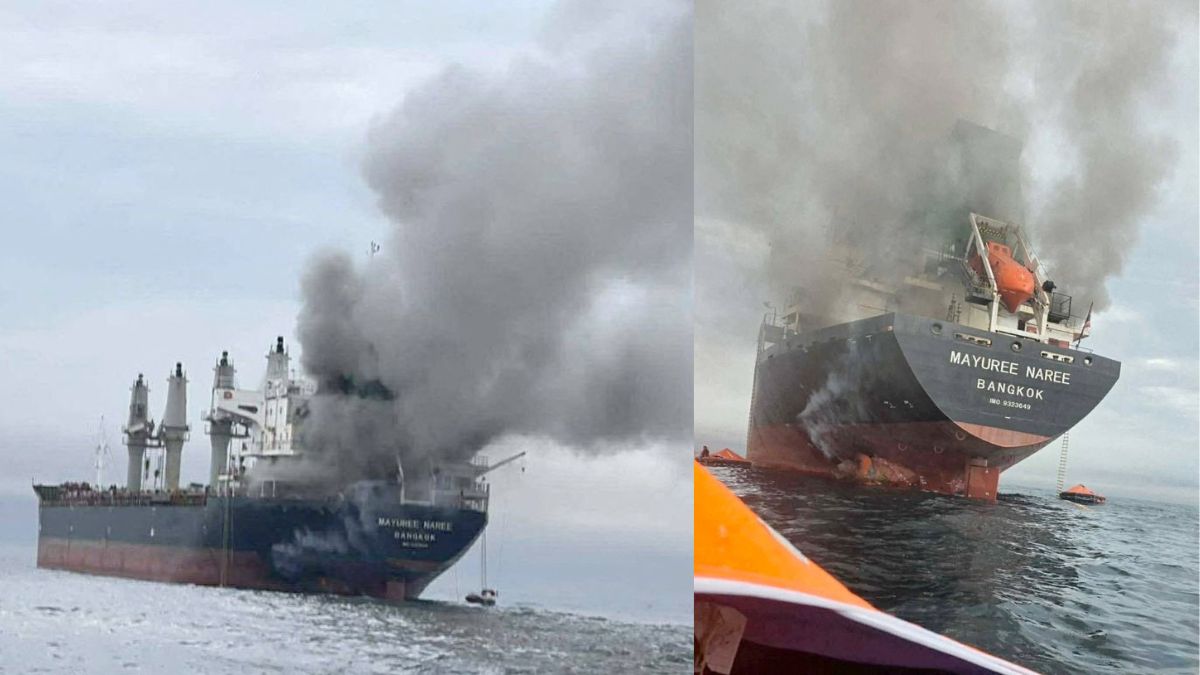 "Why are ships becoming key targets in the Iran war?")
 "Drone attack in Dubai; fuel tankers hit in Bahrain and more… How Iran war is unfolding on Day 13")
 "US-Israel Iran War Live Updates: Two Indian tankers granted safe passage through Hormuz")
 "Vessel carrying Saudi crude reaches India; first tanker to arrive from Strait of Hormuz since Iran war")
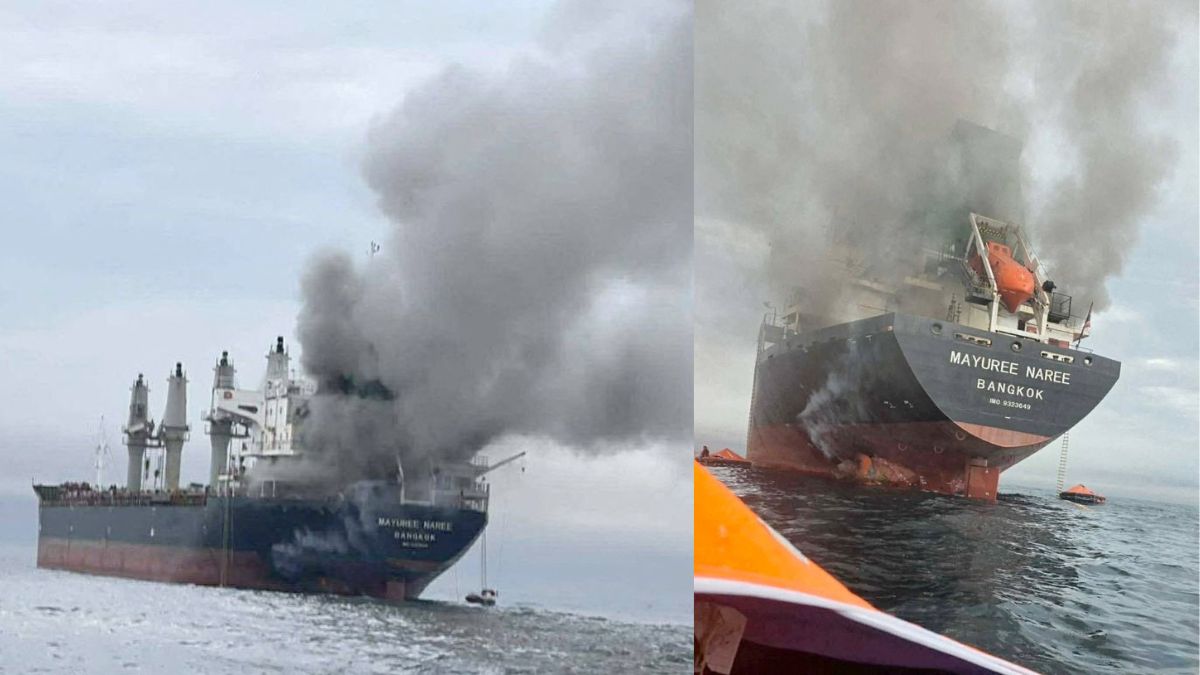 "Why are ships becoming key targets in the Iran war?")
 "Drone attack in Dubai; fuel tankers hit in Bahrain and more… How Iran war is unfolding on Day 13")