 "Atlassian layoffs: Company plans to cut around 1,600 jobs amid AI push")
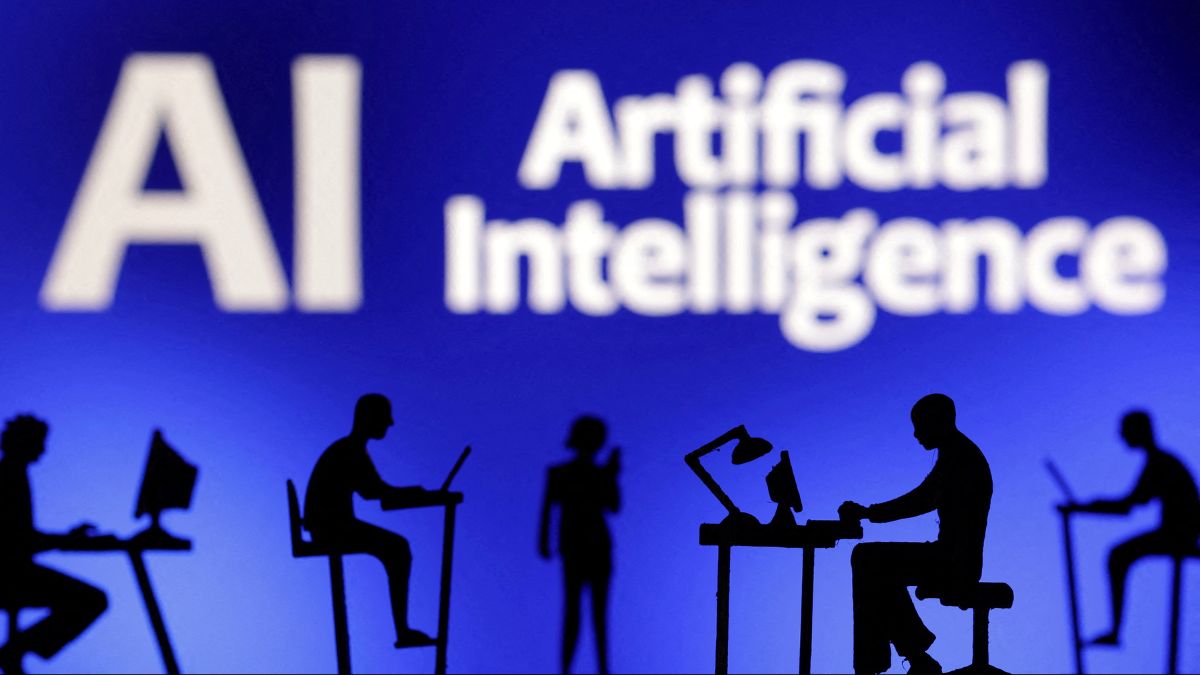
Enterprise software firm Atlassian is preparing to cut roughly 1,600 jobs, equivalent to about 10 per cent of its global workforce, as the company restructures around artificial intelligence and responds to a broader slowdown in the technology sector following the pandemic boom.
The job cuts were outlined in an internal memo from co-founder and chief executive Mike Cannon-Brookes, who acknowledged the difficult impact the decision would have on employees. The Australian billionaire also confirmed that the company’s chief technology officer would be departing the Sydney-headquartered business.
The layoffs reflect a wider shift across the tech industry, where companies are increasingly investing in AI capabilities while simultaneously trimming staff. Many technology firms hired aggressively during the Covid-era digital surge, but are now recalibrating as demand normalises and automation tools become more capable.
Atlassian, known for workplace collaboration tools such as Trello, employs more than 13,000 people worldwide and has built a reputation for software used by developers, product teams and businesses managing complex projects.
Atlassian layoffs
The workforce reduction will affect around 1,600 roles across multiple regions, with the largest share of cuts targeting engineering and product development teams.
According to the company, more than 900 of the affected roles are in software research and development. These departments represent a large portion of Atlassian’s workforce, as engineers and designers make up more than half of its employees.
As of June 2025, Atlassian had about 13,813 full-time staff globally.
Geographically, the layoffs are spread across several key markets. Around 640 of the affected employees are based in North America, while approximately 480 are located in Australia. India accounts for roughly 250 of the job losses. The remaining roles are distributed across regions including Japan, the Philippines, Europe, the Middle East and Africa.
Quick Reads
View AllIn his note to employees, Cannon-Brookes acknowledged the emotional toll of the decision.
“But that doesn’t mean it’s easy,” he wrote. “Far from it. I know this has a huge impact on each of you, and it weighs heavily on me and Atlassian today.”
The company said employees losing their roles would receive a severance package that includes at least 16 weeks of pay, extended healthcare coverage and early pro-rata bonus payments. Workers will also be given a US$1,000 “technology payment” once they return their corporate laptops.
Additional support measures include optional one-to-one conversations with human resources staff. Employees who had planned parental leave will still receive those payments in full, while those working on visas or searching for internal opportunities will be given extra assistance.
In a small gesture to allow colleagues to say goodbye, Atlassian also kept its internal Slack chat channels open longer than usual.
“To Atlassians who are leaving us – I’m sorry for the impact this will have on you,” Cannon-Brookes wrote. “Thank you for everything you have contributed to our epic story.”
Global AI washing
The layoffs arrive as the technology sector debates the true impact of artificial intelligence on jobs. Companies worldwide are accelerating their AI investments, but critics argue that some firms are overstating the technology’s role in workforce reductions.
Cannon-Brookes addressed the issue directly in his memo, acknowledging that AI is reshaping the company’s needs but insisting it is not simply replacing employees.
“It would be disingenuous to pretend AI doesn’t change the mix of skills we need or the number of roles required in certain areas,” he said. “It does.”
Addressing speculation that AI was directly replacing the workers being laid off, he added: “Our approach is not ‘AI replaces people’. But it would be disingenuous to pretend AI doesn’t change the mix of skills we need or the number of roles required in certain areas.”
The broader technology industry has faced scrutiny over what some analysts call “AI-washing”, where companies frame layoffs as part of an AI transition even when cost-cutting may be a key factor.
Several firms have faced similar questions, including financial technology company Block Inc and enterprise software giant Oracle.
During the pandemic, tech companies rapidly expanded their workforces to meet surging demand for digital tools and remote collaboration platforms. As economic conditions tightened and AI capabilities improved, many firms began reducing headcounts to streamline operations.
Atlassian has also faced financial pressure. Since Cannon-Brookes took full control of the company in 2024, its share price has fallen by more than 60 per cent.
Despite the market turbulence, the chief executive has repeatedly described artificial intelligence as a major opportunity for the company, once calling it “one of the best things that’s ever happened” to Atlassian.
As the firm pivots towards an AI-driven future, the latest layoffs highlight how dramatically the global software industry is being reshaped.


 "US-Israel Iran War Live Updates: Oil climbs past $100 even after IEA’s largest-ever reserve release")
 "Drone attack in Dubai; fuel tankers hit in Bahrain and more… How Iran war is unfolding on Day 13")
 "FBI warns Iran could launch drone attack on California as conflict in West Asia escalates")
 "Banks in Gulf evacuate their staff after Iran threatens to attack economic centres linked to US")
 "US-Israel Iran War Live Updates: Oil climbs past $100 even after IEA’s largest-ever reserve release")
 "Drone attack in Dubai; fuel tankers hit in Bahrain and more… How Iran war is unfolding on Day 13")
 "FBI warns Iran could launch drone attack on California as conflict in West Asia escalates")
 "Banks in Gulf evacuate their staff after Iran threatens to attack economic centres linked to US")