The 10 tallest skyscrapers shaping skylines in 2026
From Dubai to Beijing, here are the tallest skyscrapers dominating the world skyline in 2026, led by record‑breaking engineering and iconic urban landmarks.
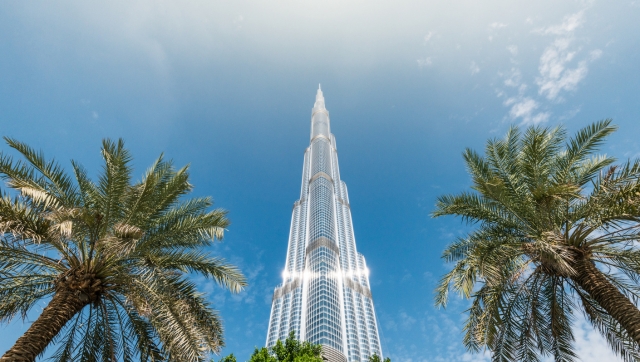)
Burj Khalifa – Dubai, UAE (828 m)
Rising dramatically above Dubai’s desert skyline, the Burj Khalifa represents the city’s ambition and global outlook. Designed to withstand extreme heat and wind, the tower blends advanced engineering with Islamic architectural influences. Beyond its record-breaking height, it houses residences, offices, a luxury hotel, observation decks, and public spaces, functioning as both a vertical city and an international symbol of modern urban development. Wikipedia
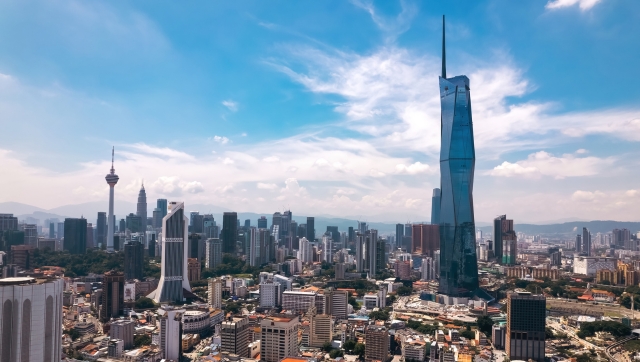)
Merdeka 118 – Kuala Lumpur, Malaysia (678.9 m)
Merdeka 118 stands as a powerful expression of Malaysia’s national identity and economic aspirations. Its angular, crystalline façade draws inspiration from traditional Malaysian motifs while embracing a futuristic form. Completed in 2023, the tower anchors a major mixed-use development with offices, retail areas, observation decks, and public spaces, reinforcing Kuala Lumpur’s growing status as a regional and global city. Wikipedia
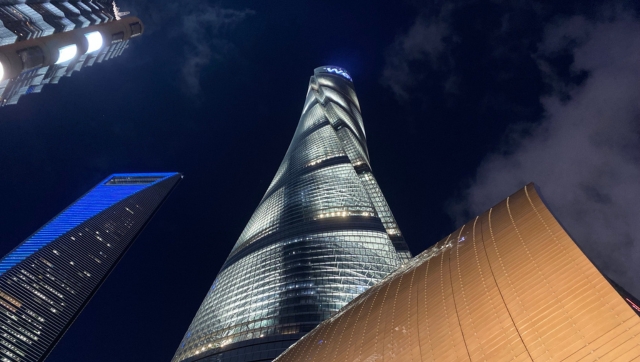)
Shanghai Tower – Shanghai, China (632 m)
Shanghai Tower dominates the city’s financial district with its distinctive twisting form, designed to reduce wind pressure and improve energy efficiency. As China’s tallest building, it integrates sustainable technologies such as rainwater collection and double-skin façades. The structure accommodates offices, hotels, cultural venues, and observation decks, reflecting Shanghai’s role as a global centre of finance, innovation, and urban experimentation. Wikipedia
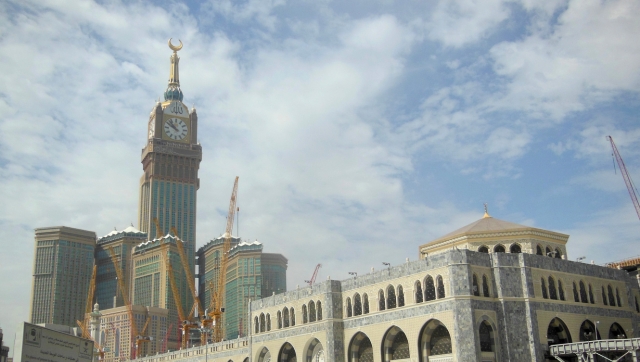)
Abraj Al-Bait Clock Tower – Mecca, Saudi Arabia (601 m)
Overlooking the Grand Mosque, the Abraj Al-Bait Clock Tower serves both spiritual and practical functions for millions of pilgrims. Its massive clock face is visible across the city, helping worshippers orient themselves during prayer times. The complex includes hotels, prayer halls, and essential services, making it a vital part of Mecca’s religious infrastructure and pilgrimage-focused urban landscape. Wikipedia
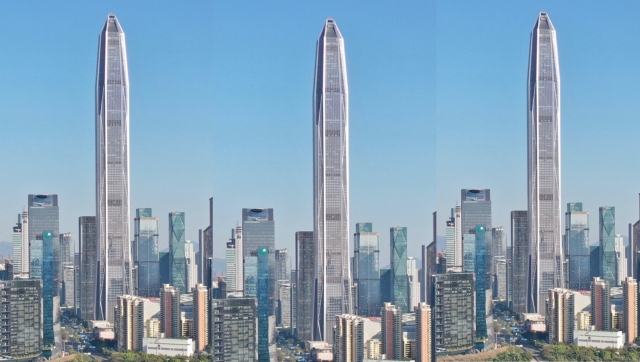)
Ping An Finance Centre – Shenzhen, China (599 m) Ping An Finance Centre reflects Shenzhen’s rapid transformation from a manufacturing base into a global financial hub. With its sleek, tapering design, the tower conveys speed, efficiency, and modernity. It houses offices, conference facilities, retail spaces, and observation areas, while advanced structural systems ensure stability at extreme heights, reinforcing Shenzhen’s reputation for innovation and economic dynamism. Wikipedia
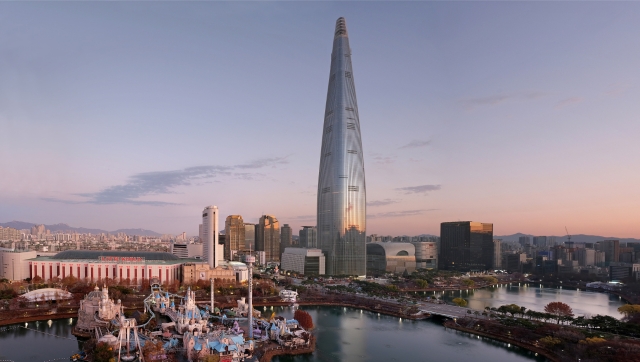)
Lotte World Tower – Seoul, South Korea (555–555.7 m)
Lotte World Tower rises prominently above Seoul, blending modern engineering with subtle references to traditional Korean art and design. As South Korea’s tallest structure, it includes offices, residences, a luxury hotel, retail zones, and cultural attractions. Its observation decks offer sweeping views of the Han River and surrounding mountains, highlighting Seoul’s balance between dense urban development and natural scenery. Wikipedia
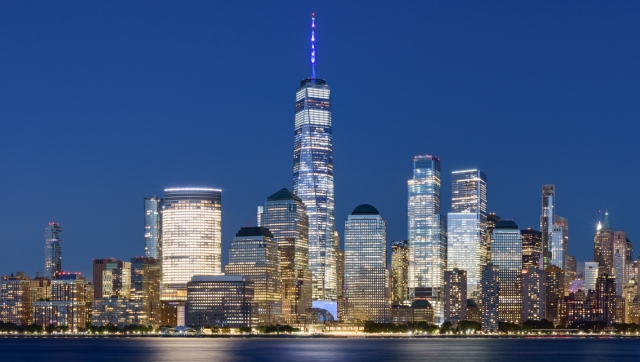)
One World Trade Center – New York, USA (541.3 m)
One World Trade Center stands as a symbol of resilience and renewal in New York City. Built on the site of the former World Trade Center complex, it combines heightened security features with a clean, contemporary design. Beyond being the tallest building in the Western Hemisphere, it functions as a major commercial centre and a landmark tied closely to national memory and identity. Wikipedia
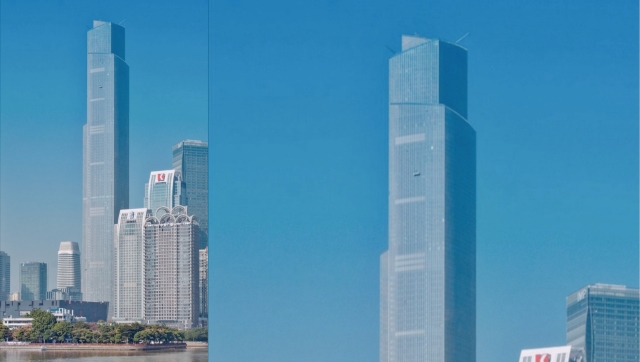)
Guangzhou CTF Finance Centre – Guangzhou, China (530 m)
The Guangzhou CTF Finance Centre is a striking addition to the city’s rapidly evolving skyline. Designed as a mixed-use supertall, it integrates offices, serviced apartments, a hotel, and retail spaces within a streamlined vertical form. Known for its high-speed elevator system, the tower emphasizes efficiency and connectivity, reflecting Guangzhou’s role as a major commercial hub in southern China. Wikipedia
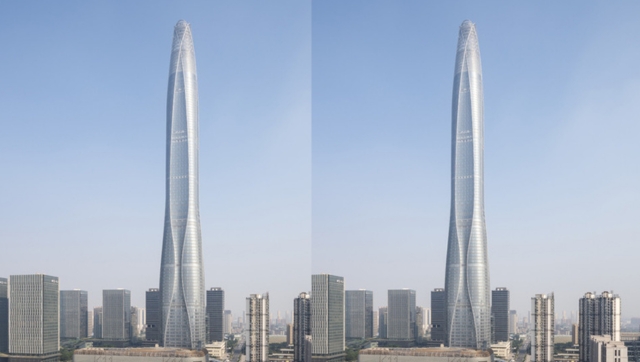)
Tianjin CTF Finance Centre – Tianjin, China (530 m)
Sharing the same architectural height as its Guangzhou counterpart, the Tianjin CTF Finance Centre features a smooth, curving silhouette inspired by flowing water. The design improves aerodynamic performance while giving the building an elegant appearance. Housing offices, serviced apartments, and a luxury hotel, the tower contributes to Tianjin’s urban renewal and growing importance as a financial and industrial centre. Wikipedia
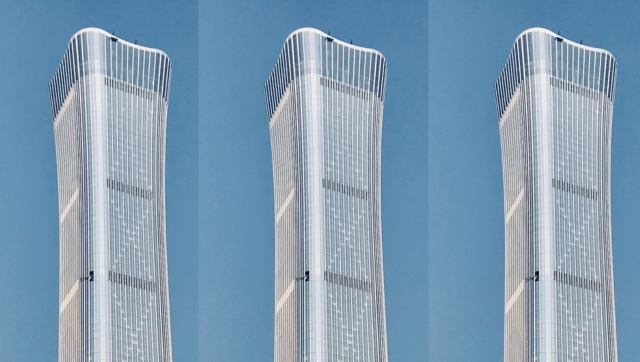)
China Zun (CITIC Tower) – Beijing, China (528 m) China Zun, also known as the CITIC Tower, is the tallest building in Beijing’s central business district. Its form is inspired by an ancient Chinese ritual vessel, symbolising stability, balance, and authority. Primarily used for office space, the tower reflects Beijing’s controlled approach to skyscraper development while asserting its status as a political and economic capital. Wikipedia

 "Hugs, praise and more… The Modi-Netanyahu friendship looks solid")
 "PM Modi Israel Visit Live Updates: Indian PM to visit Holocaust memorial; hold talks with President Herzog, Netanyahu")
 "India vs Zimbabwe: Why Chepauk could boost Samson; Axar in contention for must-win clash")
 "Canada tones down accusations linking India to violent crimes ahead of Carney's visit")
 "Hugs, praise and more… The Modi-Netanyahu friendship looks solid")
 "PM Modi Israel Visit Live Updates: Indian PM to visit Holocaust memorial; hold talks with President Herzog, Netanyahu")
 "India vs Zimbabwe: Why Chepauk could boost Samson; Axar in contention for must-win clash")
 "Canada tones down accusations linking India to violent crimes ahead of Carney's visit")
Top Shows