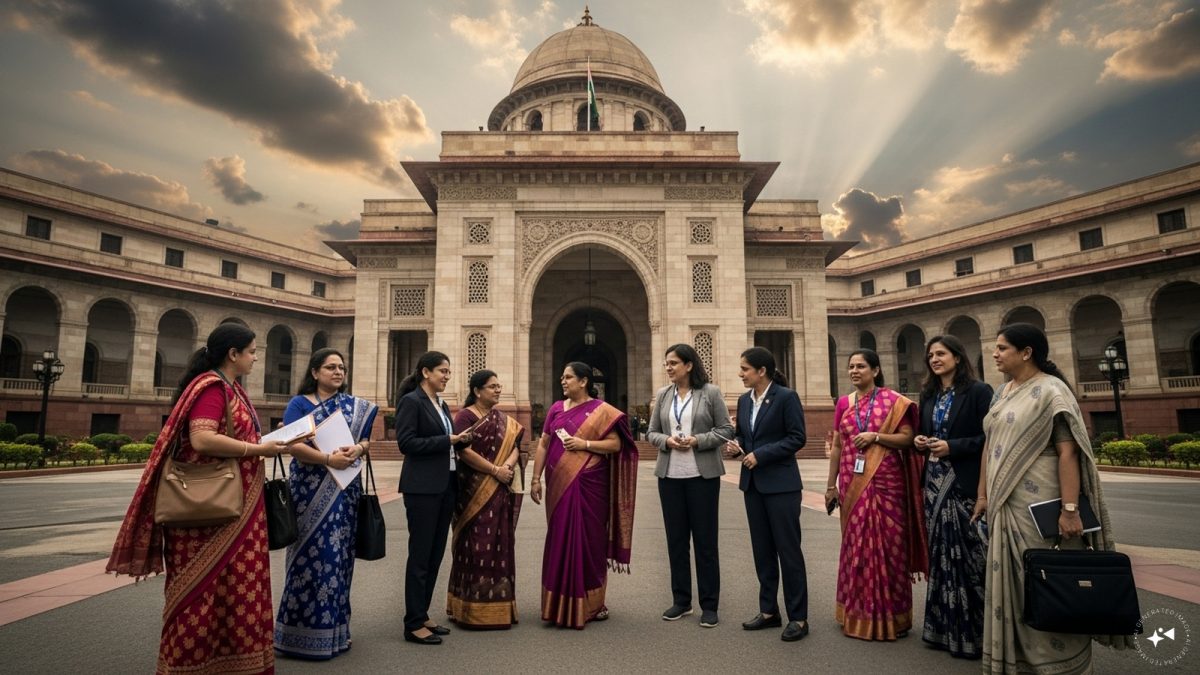
 "Why modern foreign policymaking needs women-led caucus")
In the escalating friction between the United States, Israel and Iran, diplomacy is constrained less by silence than by limits of its own language. States continue to operate within a grammar of deterrence and escalation even as contemporary crises outgrow this vocabulary. The central question is no longer whether states communicate but if they possess the conceptual tools to engage conflicts that now unfold as much within societies as between them.
Modern statecraft remains anchored in the measurable metrics of military capability, fiscal leverage and territorial control. While indispensable, these metrics are structurally incomplete. They privilege the visible and immediate while underweighing the diffuse and cumulative – social fracture, civilian endurance and the long afterlife of conflict. This is an epistemic constraint and not a failure of intent.
Classical realism, from Hans Morgenthau’s emphasis on power to later structural formulations, has long defined power in terms of material capability and strategic constraint. Contemporary practice has refined this into the sophisticated management of escalation-calibrated signalling and precision strikes. However, even as states master the mechanics of conflict, they remain inattentive to the environments conflict produces. Infrastructure is viewed as a target rather than a civic system; ceasefires are pauses in violence rather than interruptions of social continuity.
Modern strategy increasingly produces the very instability it later seeks to manage. This narrowing of perception treats long-term destabilisation as a post-hoc management issue rather than a strategic variable to be anticipated at the point of decision. The result is a recurring paradox – tactical successes that generate strategic fragility, as seen in post-2003 Iraq. True power in contemporary conflict is determined not only by the ability to impose costs but also by the capacity to preserve societal continuity through disruption.
Quick Reads
View AllIt is within this context that the proposal for a women-led caucus in foreign policy merits consideration. The argument for such a body is neither representational nor essentialist. Historical evidence from Margaret Thatcher to Giorgia Meloni confirms that individuals operate within the structural, security-driven logic of the state regardless of gender. Instead, the argument for this caucus is epistemic.
Those historically positioned at the interface between state and society, working across local governance and humanitarian systems, engage with dimensions of conflict that formal frameworks are not designed to capture. This is a matter of vantage point. Institutionalised ways of seeing can be broadened by incorporating positions structurally attuned to the social life of conflict.
A caucus built on this premise could operate as an integral component of decision-making rather than a symbolic adjunct. Its core mandate could be to undertake continuity-impact assessments alongside conventional strategic evaluations. Positioned within national security architectures, it could map how kinetic and economic actions such as education, public health and local economies reshape civic systems over time. It could systematically integrate field-derived insights from municipal bodies and civil society with traditional intelligence inputs and ensure that projected societal consequences are made visible at the moment of policy choice. Crucially, these assessments could be formally embedded within deliberative processes, requiring acknowledgement and response rather than being relegated to retrospective consideration.
This mechanism does not dilute the logic of deterrence but disciplines it. By forcing decision-makers to account for conditions that sustain post-conflict order, it aligns short-term action with long-term stability. It addresses a persistent gap where diffuse social consequences fail to translate into strategic knowledge.
War today is ambient – diffused across economic networks and social relations. The destruction of a classroom is a future instability; the displacement of a community is a generational political shift. These are not peripheral concerns but conditions through which conflicts either conclude or mutate.
To privilege only the visible dimensions of power is to operate with an incomplete understanding of modern conflict. What is required is an embedded realism – an expansion of analysis that extends beyond the state as an abstract actor to social systems through which it endures.
The international arena will remain structured by asymmetry and competition. Foreign policy cannot be gentle. But perhaps it may learn to see more. Strategic success is revealed in the aftermath that coercion produces. This demands a shift from a narrowly masculinised imagination of power, fixated on control and victory, towards a more feminised sensibility attuned to continuity, repair and the endurance of social worlds.
The measure of statecraft today is whether a society can move through conflict without emptying its own future. Power is no longer merely the ability to prevail over others but the discipline to remain intact within.
(The writer is the co-author of ‘The Last Battle of Saraighat: The Story of the BJP’s Rise in the North-East’. She teaches psephology and communication at the School of Global Leadership. Views expressed are personal and solely those of the author. They do not necessarily reflect Firstpost’s views.)

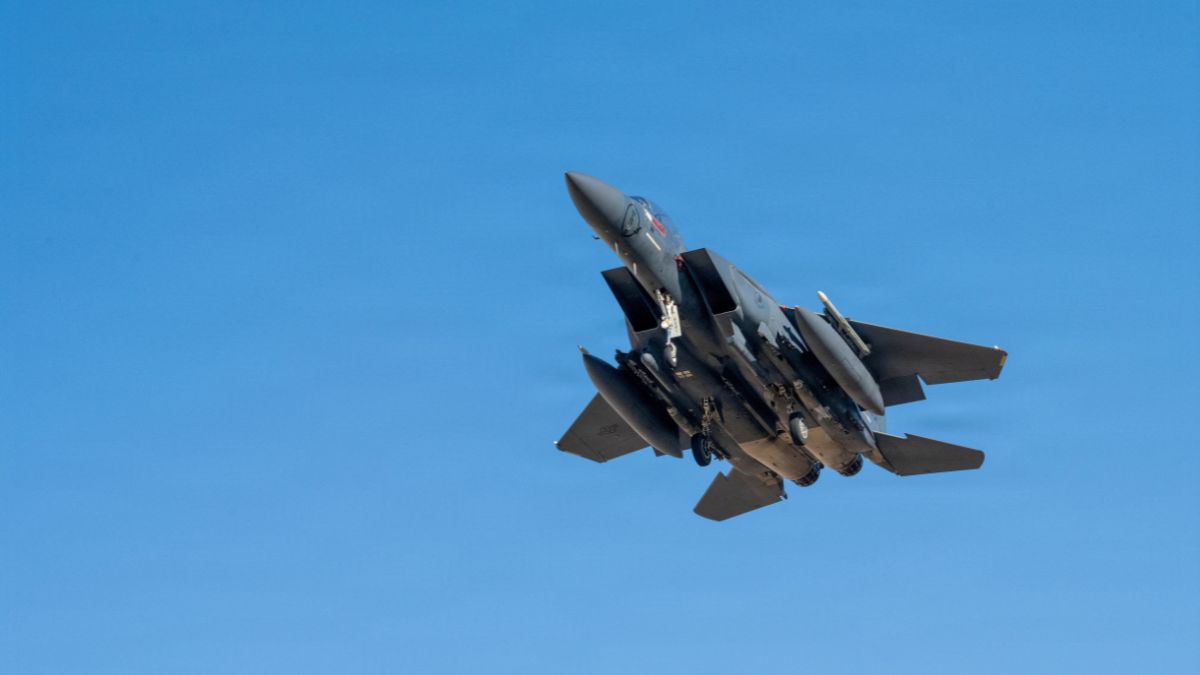 "Iran Israel War Live News: Strikes continue as Iran intensifies search for American pilot")
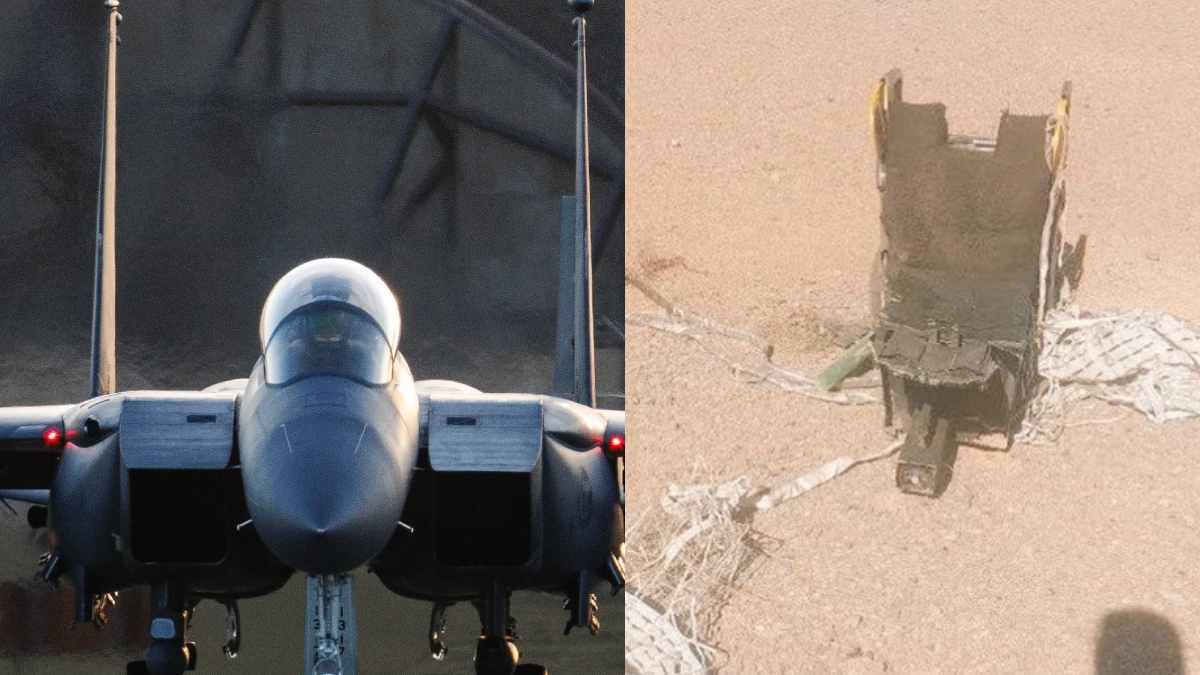 "One of two US crew members rescued after F-15E jet shot down over Iran, race to hunt second ongoing")
 "Seventh India-flagged LPG tanker crosses Strait of Hormuz")
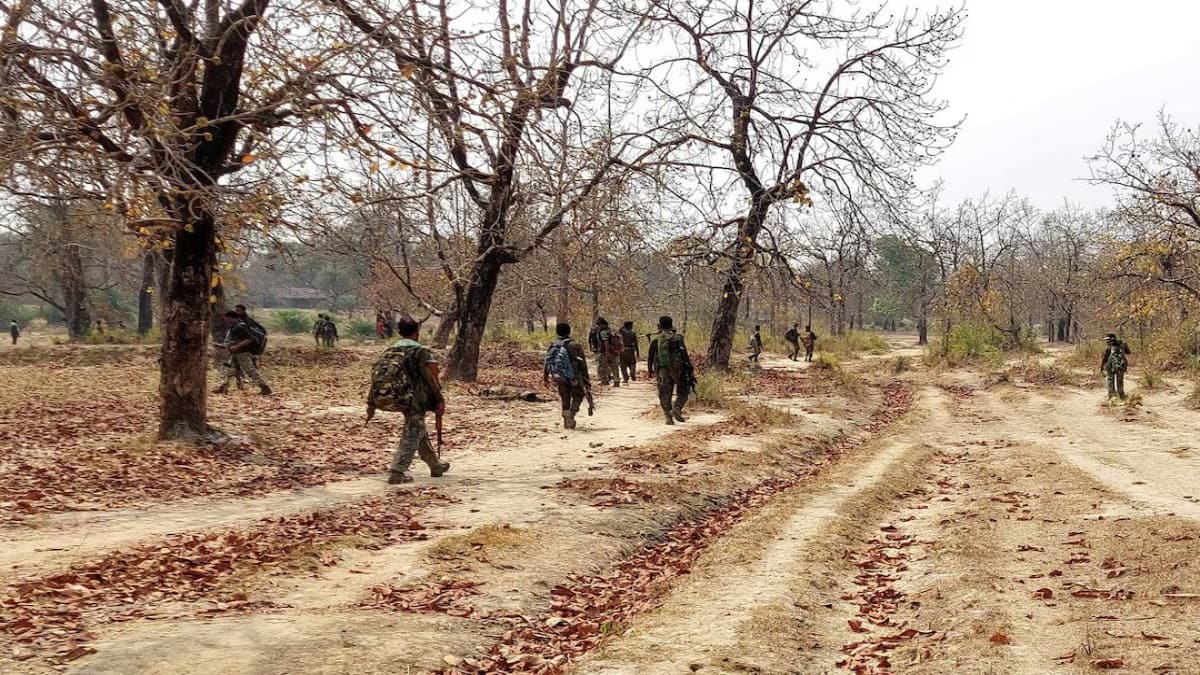
 "This Week in Explainers: How India won the war against 'Red Terror'")
 "Iran Israel War Live News: Strikes continue as Iran intensifies search for American pilot")
 "One of two US crew members rescued after F-15E jet shot down over Iran, race to hunt second ongoing")
 "Seventh India-flagged LPG tanker crosses Strait of Hormuz")
 "This Week in Explainers: How India won the war against 'Red Terror'")