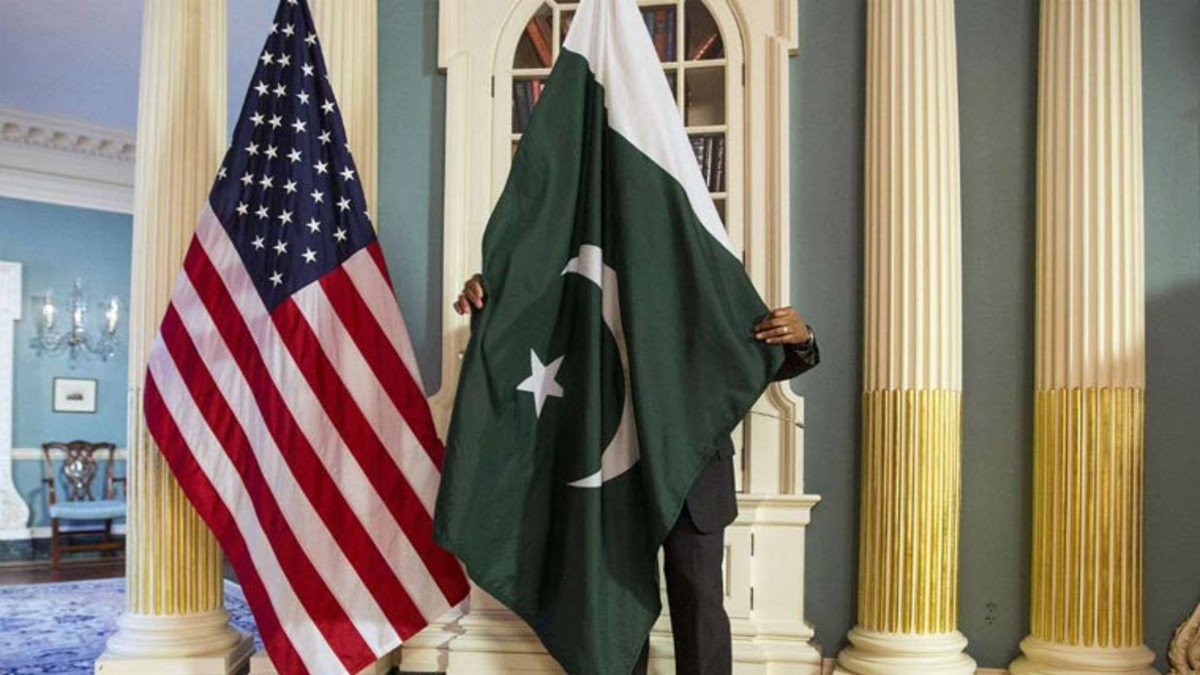
 "Why the US must stop playing snake charmer to Pakistan")
For two decades, Washington has acted as the dutiful snake charmer—flute in hand, eyes fixed on a writhing cobra, pretending that if the music continues, the serpent will stay docile. But the charade has gone on too long.
Pakistan, the so-called front-line ally in the US-led Global War on Terror, never laid down its fangs. It played both sides. It gave shelter to Osama bin Laden. It protected the Taliban. It nourished Lashkar-e-Taiba (LeT)—a group originally built with the support of Osama bin Laden and Abdullah Azzam—under the pretext of strategic necessity. And all the while, it looked Washington in the eye and called itself a partner in peace.
This was not a strategic misstep—it was a betrayal with global consequences.
Nowhere is this duplicity more evident than in Pakistan’s handling of Lashkar-e-Taiba. The group responsible for the 2008 Mumbai attacks was not just a regional irritant. It was, and remains, a transnational jihadist organisation forged in the crucible of the Afghan war, funded and armed with the blessing of al-Qaeda’s founding fathers.
Today, LeT operates in plain sight, under new banners like Jamaat-ud-Dawa and Falah-e-Insaniat, with its top leadership given state protection and its charity wings treated as legitimate civil society actors. When India dropped bombs on Muridke, the headquarters of Lashkar, Pakistani police and military figures attended the funerals.
What has the US done in response? Token sanctions. Tactical warnings. And continued aid.
The contrast with how the US treated the United Kingdom during the HSBC scandal is telling—and damning. After it was discovered that HSBC had allowed money laundering tied to terrorist groups and drug cartels, Washington didn’t hesitate. It sent FBI agents across the Atlantic. It dictated terms. It made the UK’s Serious Fraud Office (SFO) toe the line. Lisa Osofsky, a former FBI counsel, was catapulted to the top of the SFO after impressing British officials during that very compliance campaign. America treated its closest ally with no ambiguity. It demanded results—and it got them.
Quick Reads
View AllWhy wasn’t Pakistan treated the same way?
The HSBC scandal was not some isolated banking mishap. It was intrinsically linked to what the Americans found in the aftermath of the Abbottabad raid. Osama bin Laden was not living in isolation. He was in contact with operatives tied to British-registered charities operating in Pakistan. This wasn’t conjecture—it was evidence-based. The financial trails exposed during the HSBC investigation led straight back to the same ecosystem that allowed bin Laden to flourish in Pakistan for years. Yet somehow, the same rigour, the same accountability, and the same coercive diplomacy never made their way to Islamabad.
At the centre of exposing this global scandal stood Senator Carl Levin—a rare voice of moral clarity in a landscape increasingly defined by compromise and cognitive dissonance. As chair of the Senate Permanent Subcommittee on Investigations, Levin oversaw a 2012 report that accused HSBC of facilitating money laundering for drug cartels, sanctioned regimes, and terrorist organisations. One of his most damning findings was that HSBC’s affiliates in Pakistan and the Gulf were funnelling money linked to organisations with ties to al-Qaeda and Lashkar-e-Taiba.
HSBC wasn’t just sloppy. It had actively circumvented anti-money laundering rules. It stripped identifying data from transactions. It ignored internal compliance warnings. It operated correspondent banking relationships with entities flagged by intelligence agencies. And when caught, it escaped criminal prosecution with a $1.9 billion deferred prosecution agreement—a punishment Levin rightly condemned as toothless.
Levin understood what the US intelligence community, the State Department, and Wall Street preferred to ignore: the War on Terror was being lost not just in Kabul or Benghazi but in boardrooms and compliance departments. He warned that allowing banks to operate above the law sent a “terrible message”—and he was right. Despite the gravity of his findings, no HSBC executive went to prison. The institution was declared too big to fail.
This indulgence has continued—both financially and diplomatically.
Pakistan’s military was allowed to stage a theatre of indignation over the Abbottabad raid. No senior figure in the ISI was arrested. No structural reform followed. Hafiz Saeed made more public appearances than Pakistan made actual arrests. And the so-called civilian leadership continued to play the role of hapless spectators—when in reality, they were co-authors of the script.
Even more troubling is how this pattern has now crept into Washington’s Indo-Pacific calculations. Many Indians had hoped that their growing partnership with the United States—especially under the Quad framework—would translate into a more principled stance on terrorism and national security. Yet Donald Trump’s behaviour during Operation Sindoor has left a bitter taste.
At a moment of national trauma, when Indian forces were routing terror infrastructure across the Line of Control, Trump chose to turn the crisis into a bargaining chip. He offered mediation. He floated backroom deals. He played the crisis for leverage with both sides. The result? Indian policymakers and citizens alike feel short-changed. The promise of shared values has been replaced by transactional manoeuvring. Washington cannot credibly claim to support India against terrorism while giving oxygen to the very state that engineers cross-border attacks.
The fear that pushing Pakistan too hard will destabilise a nuclear power or drive it into China’s arms is no longer valid. Pakistan is already in China’s grip—politically, economically, and militarily. The China-Pakistan Economic Corridor (CPEC) is not a development project—it’s a dependency pact. Beijing holds the leash. Washington should stop pretending it holds influence in Islamabad when the decisions are being made in Rawalpindi and approved by Beijing.
Washington must finally walk away from the fantasy that Pakistan can be charmed, coaxed, or reasoned with. It is not an ally. It is a state that uses terrorism as a tool of foreign policy. A state that shields the architects of global jihad. A state that has lied, manipulated, and deflected while its own people suffer under the boot of military rule and its neighbours burn from the flames of its proxy wars.
It is time for the US to abandon the role of the snake charmer.
Let the serpent face the consequences of its own venom.
The author is a strategist in international relations and economic development. Views expressed in the above piece are personal and solely those of the author. They do not necessarily reflect Firstpost’s views.

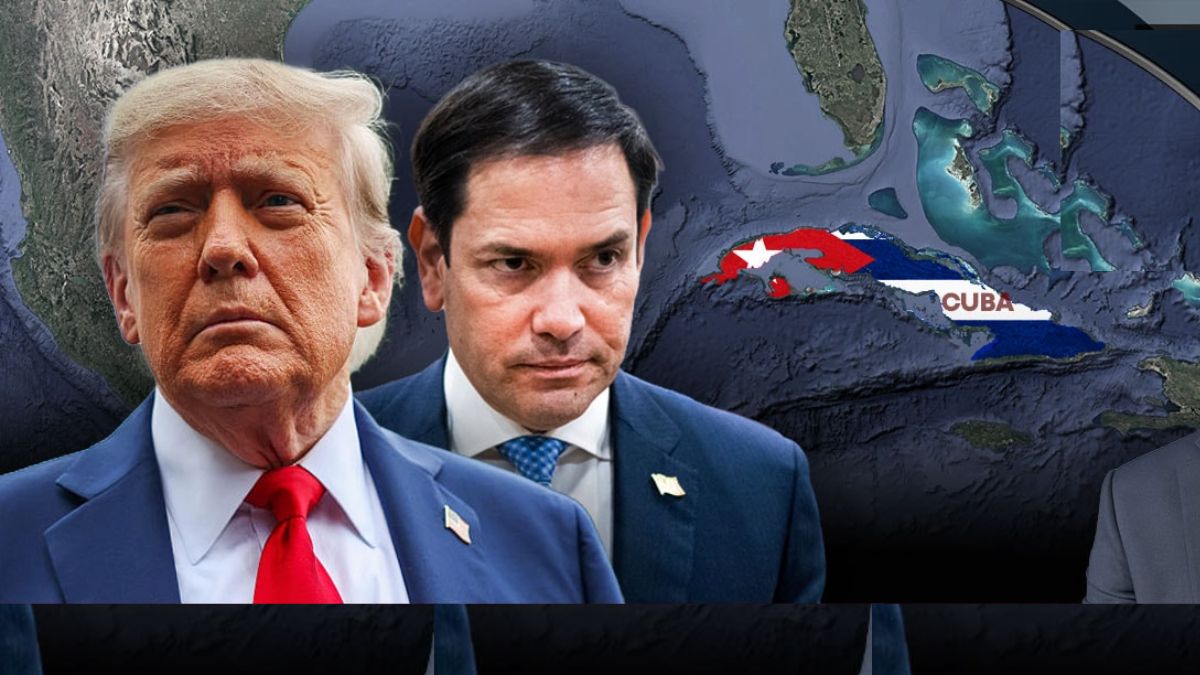 "Trump finds new raid target? Report says US actively seeking regime change in Cuba by 2026-end")
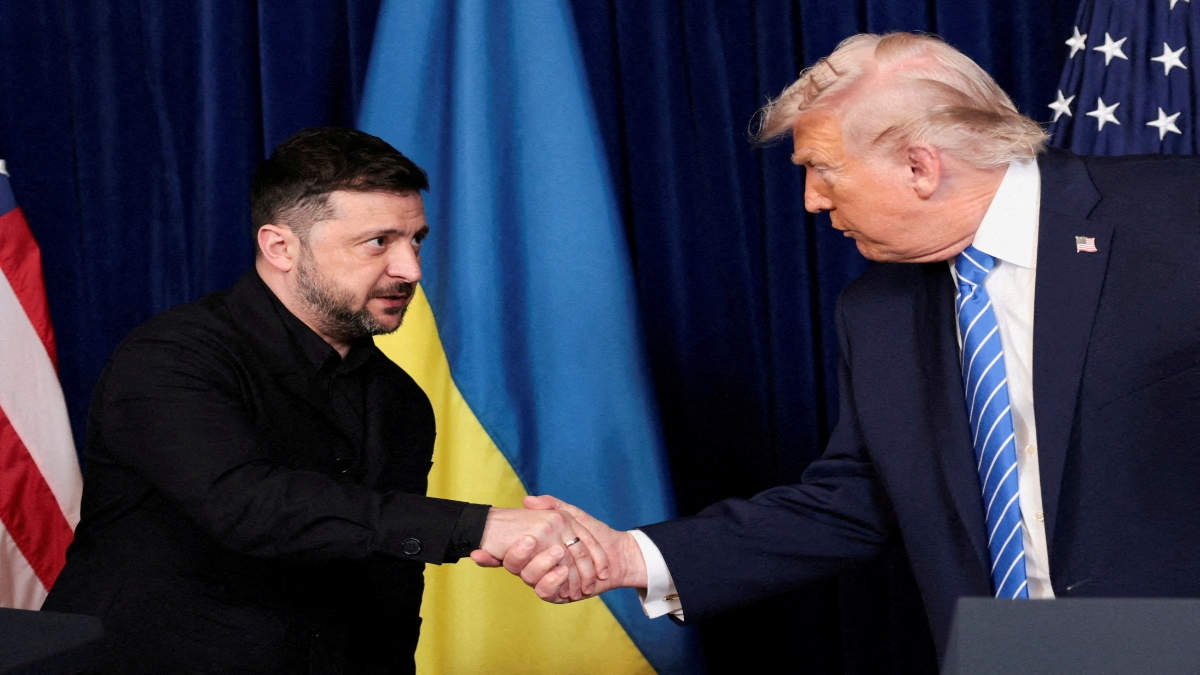 "Trump meets Zelenskyy in Davos, says 'a ways to go' on ending Ukraine war")
 "Power shift in Hanoi: Vietnam party list hints PM and president losing clout")
 "Can Trump’s Board of Peace replace the United Nations?")
 "Trump finds new raid target? Report says US actively seeking regime change in Cuba by 2026-end")
 "Trump meets Zelenskyy in Davos, says 'a ways to go' on ending Ukraine war")
 "Power shift in Hanoi: Vietnam party list hints PM and president losing clout")
 "Can Trump’s Board of Peace replace the United Nations?")