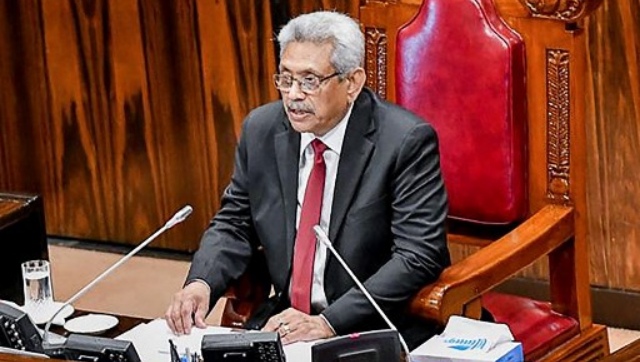
 "Why President Gotabaya Rajapaksa’s declaration of Emergency may not resolve Sri Lanka’s problems")
The overnight declaration of Emergency by President Gotabaya Rajapaksa is not going to resolve any of Sri Lanka’s problems, of which there is a litany. Instead, it could worsen the public mood, when the demand is for his exit and that of his brother and Prime Minister Mahinda Rajapaksa.
Yet, with each passing day, there are questions about the origins of the unprecedented mass protests, accompanied by occasional violence, whose incidence and intensity could go up. Apologists see violence, however minor at present, as an inevitable expression of pent-up youth anger, but the organisational skills point to the unacknowledged presence of cadre-based Janatha Vimukthi Peramuna (JVP), the erstwhile Left militant group, since mainstreamed, and two splinter groups, though acting independently.
The JVP and the other two with the same DNA, namely, the Jathika Nidhahas Peramuna (JNP, ‘National Freedom Front, NFF) and the Frontline Socialist Party (FSP), have a vice-grip of the nation’s trade and university unions with a strong socialist bias, incompressible in the 21st century India. The otherwise active anti-Rajapaksa social media is shy of reporting the occasional anti-India slogans at public rallies across the country when the rest of the nation seems eternally thankful to the northern neighbour for all it has been doing in their hour of multiple crises.
The concerns have increased after the election of the deputy speaker, where the Rajapaksas had their way and the main Opposition Samagi Jana Balawageya, or ‘United People’s Power’, came a cropper despite strategising against Sri Lanka Podujana Peramuna (SLPP, or Sri Lanka People’s Front) defeating the multiple no-confidence motions (NCM), separately against President Gotabaya Rajapaksa and Prime Minister Mahinda Rajapaksa, his brother, whenever taken up.
There is a marked increase in violence after the re-election of Ranjith Siambalapitiya — who has since quit a second time, yielding to public pressure. The high point was when students camping around the Parliament complex in the capital Colombo, blocked all the ways for the MPs to exit. Calibrated police action culminating in the firing of tear gas and water cannon on more than one occasion the same day, coupled with continual condemnation of the government’s decisions viz the public protests, by the UN affiliates and western embassies in Colombo are beginning to cause eyebrows to raise.
Quick Reads
View AllUnderstanding the JVP
Translated as ‘People’s Liberation Front’, the JVP was born in 1965 following the failure of the decade-old first democratically-elected Leftist coalition government (1956-65) to deliver on the socialist aspirations of the socio-economic underdogs. Rohana Wijeweera, the medical drop-out from Moscow’s Lumumba University, found the JVP as a militant response against the status quo. Continuing with the ‘majoritarian Sinhala-Buddhist nationalist’ identity of the elected government of slain Prime Minister SWRD Bandaranaike and his successor-wife, Sirimavo, the democratic world’s first woman head of government, retained grassroots-level rural Sinhala south, especially of the youth, both men and women.
Wijeweera found lacuna in the rural youth’s understanding of socialist principles and methods. Standing as the central piece of his (in-)famous ‘Five Classes’ for the cadres was ‘Indian hegemony’, long before India had lent IAF helicopters to neutralise the ‘First JVP insurgency’ (June, 1971). The JVP, typical of socialist militant groups of the time across the world, began eliminating the rich and powerful from the majority Sinhala community, which explains the raised compound walls and tall iron gates in Colombo and elsewhere.
***
Also Read
**Sri Lanka’s Opposition barking up the wrong tree by blaming presidential system for current mess** **Timeline | Sri Lanka’s economic crisis was in the making from November 2019** **Deepening crisis in Sri Lanka: An opportunity for India to displace China?** **Sri Lanka president declares a state of emergency for second time amid economic crisis** **Sorry state of affairs: How freebie mates are busy scripting their own Greek, Sri Lankan tragedies in India** **Sri Lankan cricketers, lawmakers thank 'big brother' India for another $1 billion line of credit amid political crisis*****
If the Sri Lankan State, polity and elites felt uncomfortable at India’s politico-military role in the realisation of Bangladesh (December 1971), the JVP seemingly bid its time until after the anti-Tamil pogrom of 1983, which led to the India-Sri Lanka Accord and IPKF induction, both 1987. However, seeing militant competition to his carefully-cultivated ‘Sinhala-Buddhist nationalist image’, incoming President Ranasinghe Premadasa employed the Sri Lankan State’s might, to neutralise the ‘Second JVP insurgency’ (1987-89), in which upwards of 60,000 Sinhala youth lost their lives.
If the JVP became a moderate political force, post-Wijeweera — he was reportedly kidnapped and killed by the security forces — and joined the national mainstream, its best moment came when President Chandrika Bandaranaike-Kumaratunga boldly inducted the party into her ruling United People’s Freedom Alliance (UPFA) in the parliamentary polls of 2004, after it had won 16 seats with the vote-share of 9.10 per cent, on its own, earlier in 2001.
The JVP won a record 40 seats in the SLFP’s company in 2004. The high point of the alliance was President Chandrika’s acknowledgement of JVP’s conversion to moderation as its military wing was responsible for the assassination of her popular actor-politician husband Vijaya Kumarranatunga (1988), when he was being seen as a prospective President.
Honourable way out
The JVP provided the cadre-power for UPFA’s presidential candidate Mahinda Rajapaksa in November 2005 and helped him win by a razor-thin majority. The real help however came from the LTTE, which forcibly barred the Tamils from casting their vote lest they should help Mahinda’s rival and former Prime Minister Ranil Wickremesinghe to win.
However, when the JVP assumed borrowed popularity as theirs and decided to contest the nationwide local government polls on its own, it was wiped out in March 2006. More than the presidential poll, this nationwide victory, barring the LTTE-controlled areas in the North and the East, helped the Rajapaksas to consolidate their politico-electoral hold across the majoritarian Sinhala South, before taking on the LTTE and eliminate it as among the world’s most-feared terrorist-military force in May 2009.
In between, when the JVP began muscle-flexing, president Mahinda, who had become a past-master by then in engineering splits and defections in the Opposition United National Party (UNP), drove a wedge in the ally. Wimal Weerawansa, JVP’s powerful platform speaker, official spokesman and tactician, walked out of the party with nine other party MPs, when the JVP decided to vote out president Mahinda’s budget when he himself was also finance minister — and lost, in 2007.
Ironically, now it is Weerawansa, who along with centre-right Sinhala-Buddhist nationalist ministerial colleague, Udaya Gammanpila, from the other end of the ideological spectrum, who have come together, first wanting the Rajapaksas to mend their ways (without outlining them), then quit. Mahinda was Weerawansa’s main focus, again for unexplained reasons.
Along with the rest of the 40 ‘independent MPs’ forming three groups that have broken away from the ruling Sri Lanka Podujana Peramuna (SLPP, Weerawansa seems not disinclined to return to the SLPP fold, but under a new prime minister, even if Gota stayed. Put bluntly, the SLPP rebels want an honourable way out of the mess that they had created in the government and Parliament, months before the mass protests and Opposition rallying had begun.
If Weerawansa’s exit from the JVP triggered a churning process, post-war in 2012, the party went through a shake-up when Premakumar Gunaratnam, a Wijeweera era old war-horse of eastern Trincomalee Tamil origin, returned home from Australia under a new name and identity as Noel Mudalige. He gave up his Australian citizenship and split from the JVP to form the Frontline Socialist Party (FSP), declaring that the parent party had lost its revolutionary zeal. If some Sri Lankan web journals, YouTube channels and social media posts are to be believed, the FSP and Gunaratnam have played an important role behind the scene in the current protests.
Message goes across
In proclaiming Emergency on Friday night — the second in six weeks — President Gota has referred to the threat to political stability, which, he said, was required to face the economic challenges. The government statement made an oblique reference to a possible escalation of violence but said nothing about imminent action against the protestors.
Yet, the message went across, and according to reports, on Saturday morning the famed Galle Face Green beach-front, where Sri Lanka’s ‘Arab Spring’ was being staged through the past weeks, wore a deserted look, as the mostly middle-class urban protestors with their families stayed away. All of it goes to show, that neither protests of the ‘GoGota Gama’ kind, nor the multiplicity of no-confidence motions (NCMs) against the Rajapaksa brothers, not even the promulgation of emergency, is going to help resolve the economic ills.
Instead, the solution lies in foreign aid-givers, investors and trading partners, including IMF kind of institutions, but whose Western patrons want the Emergency withdrawn and the people’s ‘right to peaceful protest’ be restored. But as some of them have already benignly yet vaguely acknowledged, once unleashed, protestor-violence will be hard to stop.
With the Emergency proclamation now in place, the JVP has said that ‘suppressing the people’s struggle may have serious consequences. Some right-liberal civil society spokesmen have been blunt, saying it could lead to violence (across the country).
SJB okays interim government now
The government statement on Emergency, citing President Gota, indicated that the BASL (Bar Association of Sri Lanka) proposal on the political situation was worth considering. As if on cue, SJB boss Sajith Premadasa has agreed to act on the BASL’s plan for an interim government — which implies Prime Minister Mahinda has to go.
At every turn until now, Mahinda has been saying he would quit (only) if President Gota asked him. Media reports have often claimed that Gota had done his part, but on every occasion, their respective offices have officially denied all such moves. This time, however, the SJB’s agreeing to an interim government could be the tie-breaker. However, there are those who argue that only the Gota-Mahinda team could ensure the much-needed political stability. Fresh elections could be the alternative but the current situation is not conducive.
For now, all eyes are on the nation’s Parliament, which Speaker M ahinda Yapa Abeywardana adjourned till 17 May, against Opposition protests, when alone the multiple no-trust motions will be taken up for debate and voting. Ahead of it, the House will have to again vote to elect another deputy speaker. Under the Sri Lankan scheme, Parliament will have to vote on the continuance of the Emergency every month — a saving provision.
The Emergency, it may be argued, would ensure that MPs could vote without fear of being held captive inside the Parliament complex or in their respective homes, as happened before the people’s movement shifted multiple bases to Colombo’s beach-front with guaranteed peace and non-violence. Yet, the long shadow of the Sri Lankan State, and President Gota’s war-time reputation for deploying security forces, in uniform or civvies, to quell trouble-makers, real and imaginary, would remain even more.
It all means that for now, the government leadership has until 18 May, to set its house in order, starting with ending the Gota-Mahinda one-upmanship, and/or ‘ensure’ that numbers add up in Parliament. More importantly, they should also come up with a substantive economic recovery document after Finance Minister Ali Sabry had made out an honest list of persons and pitfalls contributing to the current mess, but stopped with it.
In between, the citizens may still have a right to move the Supreme Court, demanding the Rajapaksas’ exit, which demand has until now remained in the realm of non-constitutional forums. This should be so, however mighty the power of the people otherwise is in a democracy — of which Sri Lanka is Asia’s first one, since 1931.
The writer is a policy analyst and commentator, based in Chennai. Views expressed are personal.
Read all the Latest News, Trending News,
Cricket News, Bollywood News,
India News and Entertainment News here. Follow us on
Facebook,
Twitter and
Instagram.

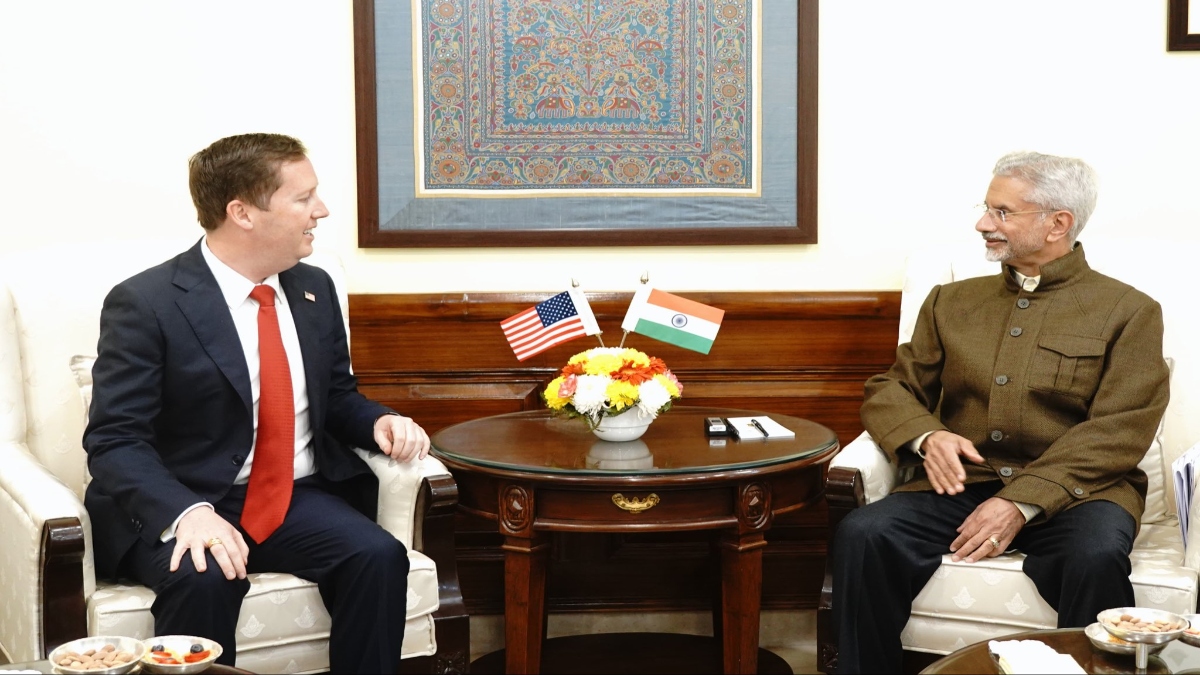 "Jaishankar meets Sergio Gor ahead of US visit, says discussed 'many dimensions of our partnership'")
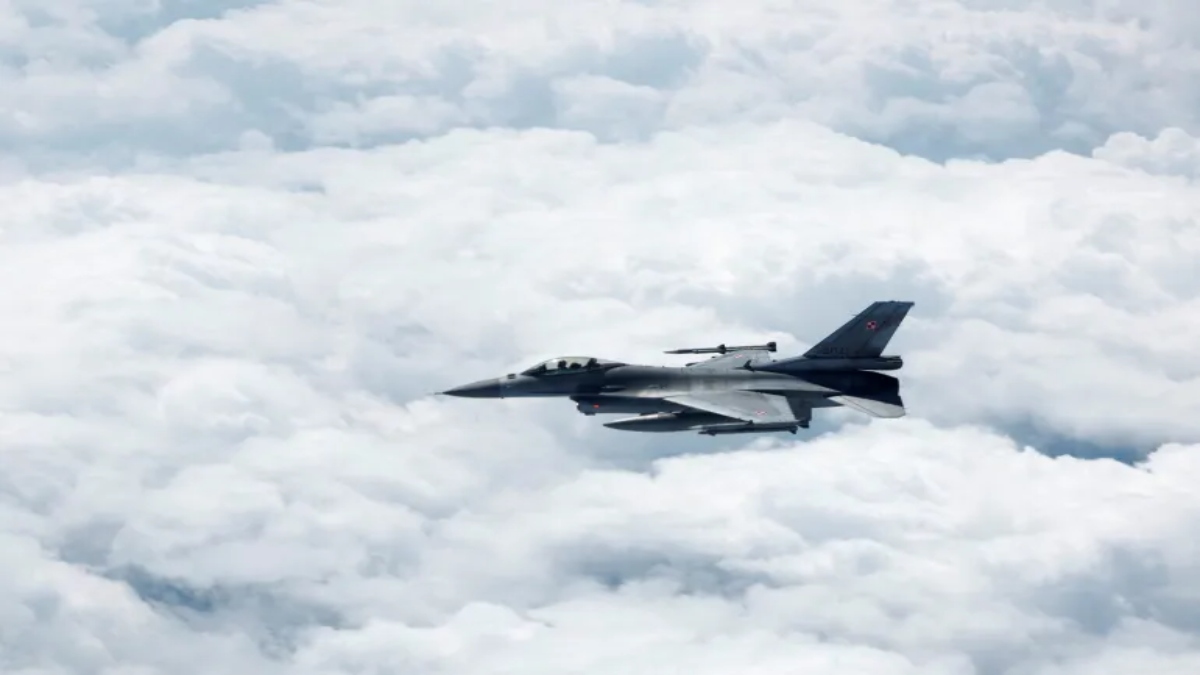 "As Trump shakes up Nato, Europe aims to go self-sufficient in weapon production")
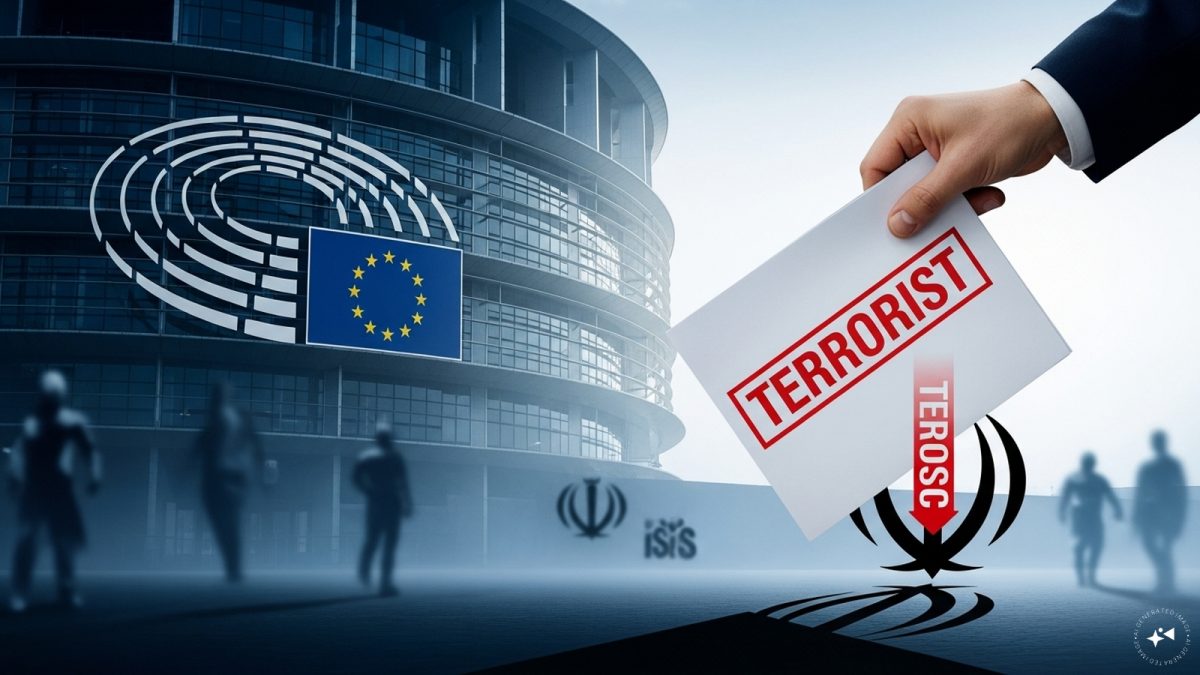 "EU to list Iran’s Revolutionary Guards as terrorist group alongside al-Qaeda and Hamas")
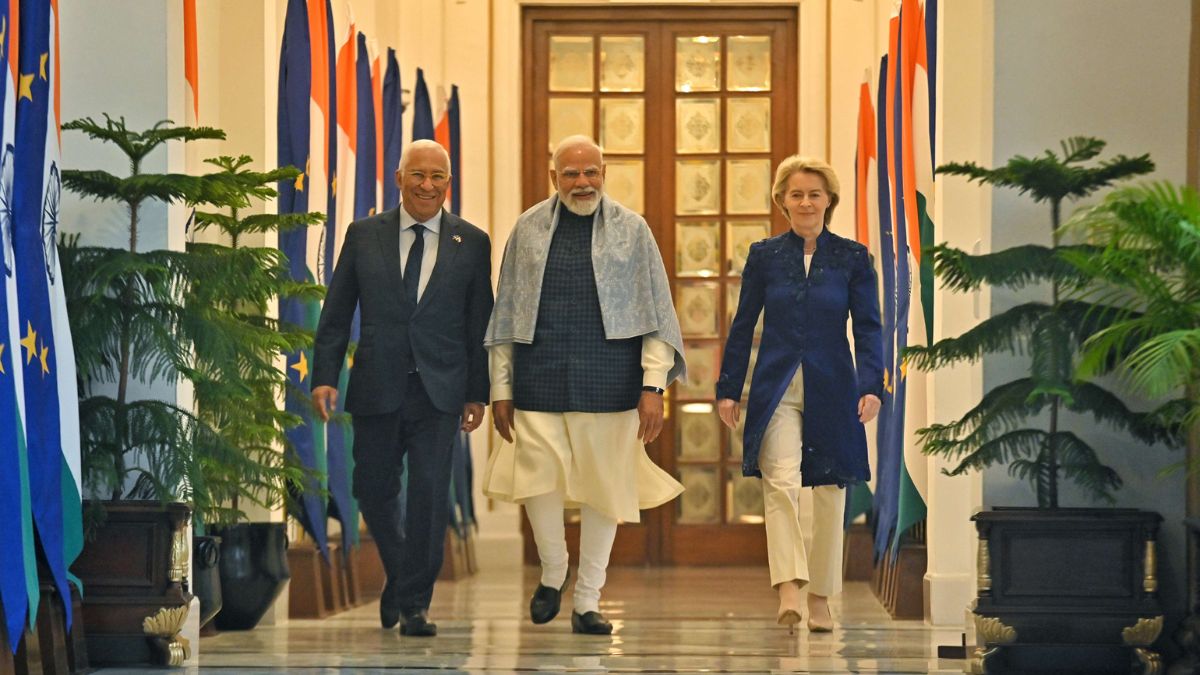 "With new security pact, India and EU eye win-win defence ties as US, China rival in arms race")
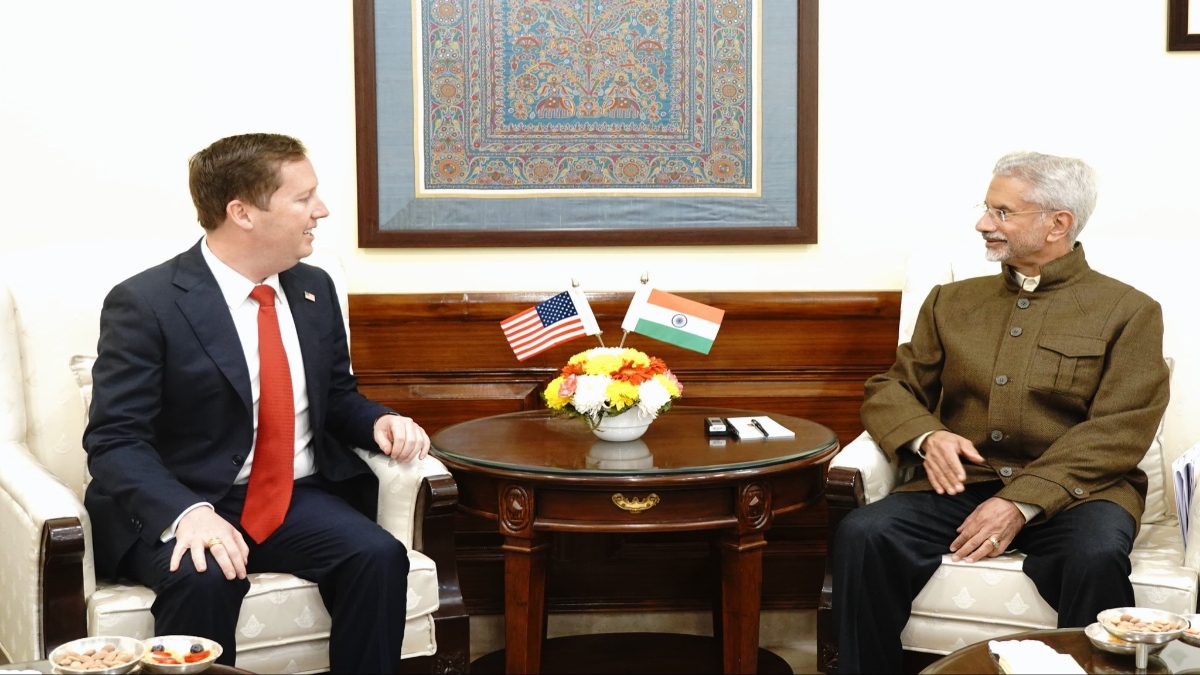 "Jaishankar meets Sergio Gor ahead of US visit, says discussed 'many dimensions of our partnership'")
 "As Trump shakes up Nato, Europe aims to go self-sufficient in weapon production")
 "EU to list Iran’s Revolutionary Guards as terrorist group alongside al-Qaeda and Hamas")
 "With new security pact, India and EU eye win-win defence ties as US, China rival in arms race")