

 "Why limiting deliberations to tackle climate challenges to G7 or G20 groups reflect lack of global 'political will'")
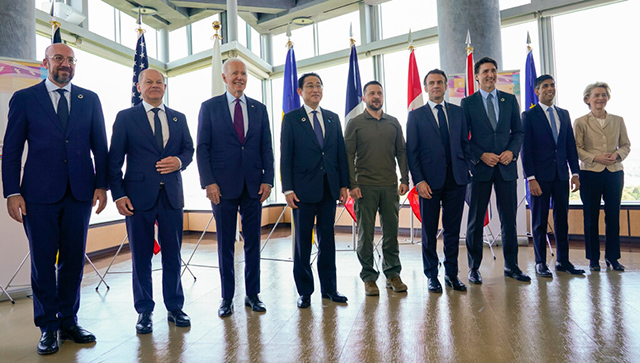
The word “rules based order” peppers the comments by US government officials and also often in EU. What is often not brought up front is who wrote those rules and so why should it be incumbent on the rest of the world to follow those rules! Also, the urge for a rules based order masks the priority given to political considerations. That the formation has caught on so much even in academic discourse, is somewhat disconcerting since this world view could then be imposed on the larger global order. For instance the recently released Think7 Japan Communique notes, “Prosperity and peace also hinge on ensuring a rules-based policy environment”. It goes on to identify the increasing risks posed to the global community in terms of “weaponization of food, trade, and reserve currencies and the lack of multilateral agreement on international financial institution reform”. These are fine thoughts—-the urgent call for creating a rule-based policy environment is commendable. But the question is who are to frame the rules? The present prevailing system of making rules-based policy is entirely opaque. The negotiators often engage in closed door interactions to frame rules on global policies. This is observed in most of the efforts intended to solve global problems of importance. The last seven decades of post-WWII period saw considerable efforts at not only identifying the problems but also both conceptual and policy-based suggestions as to what is to be done. However, when the real issue came in terms of how are they to be realised, we failed miserably and we often put the blame of lack of “political will”. Rules of fairness was put aside, instead the political considerations were at full play. Take some more examples. At the unfinished discussion on the Doha Round of Development at the WTO, not enough implementable actions to link free trade to the developmental process involving developing world was made possible. The World Food Programme (WFP) was experimentally started in 1961 to provide food aid through the UN system. It is operating even today. Evidently, the food security problem that was formally identified about more than 60 years ago, remains still relevant today. The International Panel on Climate Change (IPCC) was established by United Nations Environment Programme (UNEP) and World Meteorological Organisation (WMO) to assess the science related to climate change in 1988 and was endorsed by UN General Assembly (UNGA) in that year itself. It gave several recommendations and asked for a number of strong measures to be initiated to take care of the planet going into an irreversible change for the worse. Yet saving the planet from the vagaries of climate change is still observed to be distant dream. Many countries not engaged in a historical way in polluting the global atmosphere are the worst sufferers of the effects of climate change. In all these examples cited, the achievements did not match with the expressed commitments due to simply the lack of “political will”. WFP is still looking for funds to carry out its activities, implying food insecurity is still a global problem even after 62 years of its establishment. IPCC, for the last 35 years has been underscoring the need to reduce carbon emission in a meaningful way so that the global average temperature does not go beyond 1.50 Celsius by the end of the century. Now it is already feared that the global average temperature is all set to go beyond 20 C by the end of this century. Interestingly both IPCC and WFP have been recognised with the award of Nobel Prize for their noteworthy contributions. The fundamental question revolves around the lack of “political will”. Rules therefore is a convenient way to mask this political show. And the reasons thereof are not very difficult to find out. The existing system of creating a rules-based policy environment is highly hierarchical. The rules are created not by all the participants. Only a handful decide on the set of rules to be made and others either agree to them willingly or accept them having no other alternative options available. Obviously, often these rule sets are designed to take care of the required changes that will facilitate the ones who are hierarchically in a better position. The members of G7 or to some extent the members of G20, have leverages to build such rules-based policy. The rest of the countries, more than 180 of them, cannot contribute much to this process. Yes, they contribute only 15 per cent to the global GDP, their participation in global trade is just 25% and they constitute just one third of the global population. These characteristics put them into a status of marginalisation. The efforts made by G7 or G20 groups of countries towards finding solutions to global poly-crises are undoubtedly welcome. However, such crises are difficult to be taken care of ultimately, if the rest of the countries are not actively engaged in the deliberations. Take the case of the loss- and- damage funds being argued for in the context of climate change. None of the countries considered vulnerable and having a real concern to be supported immediately comes to be engaged as a member of either of these groups. The need of the hour to create a rules-based-policy environment cannot ignore the participation of these large number of countries into the process of making the rules. Then only the true “political will” will emerge through negotiated settlements. The author is a professor, OP Jindal Global University. Views expressed are personal. Read all the Latest News , Trending News , Cricket News , Bollywood News , India News and Entertainment News here. Follow us on Facebook, Twitter and Instagram.
The members of G7 or to some extent the members of G20, have leverages to build such rules-based policy, but the rest of the countries, more than 180 of them, cannot contribute much to this process
Advertisement
End of Article

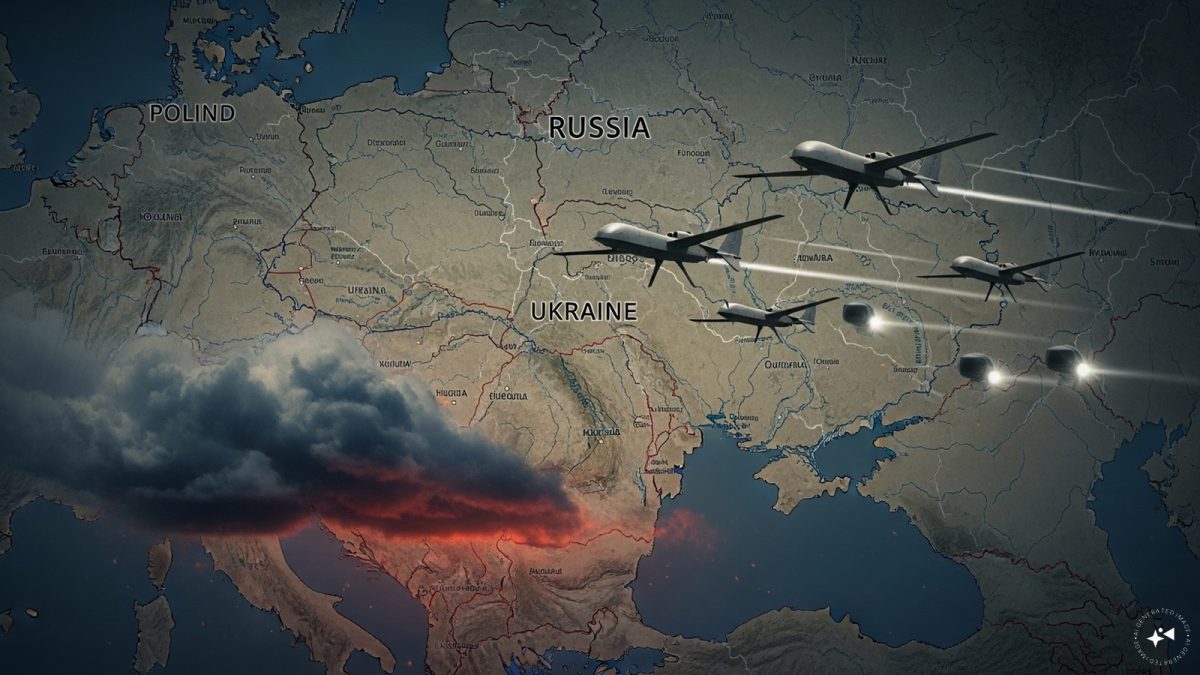 "Russian drones over Poland: Trump’s tepid reaction a wake-up call for Nato?")
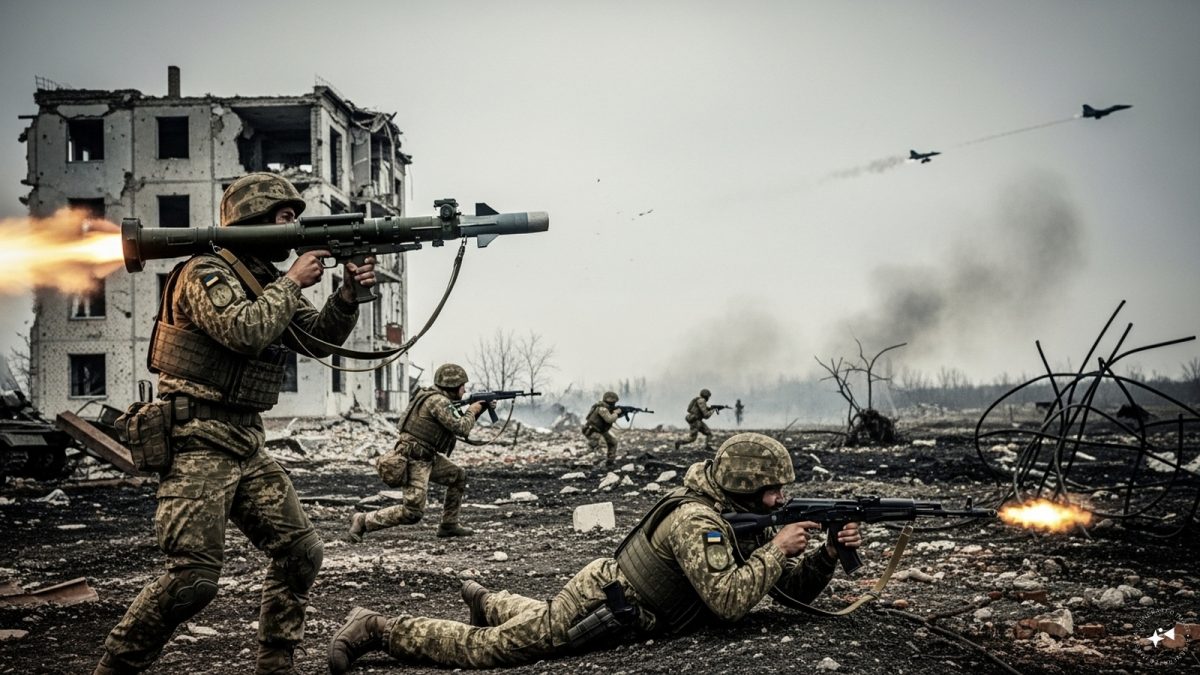 "As Russia pushes east, Ukraine faces mounting pressure to defend its heartland")
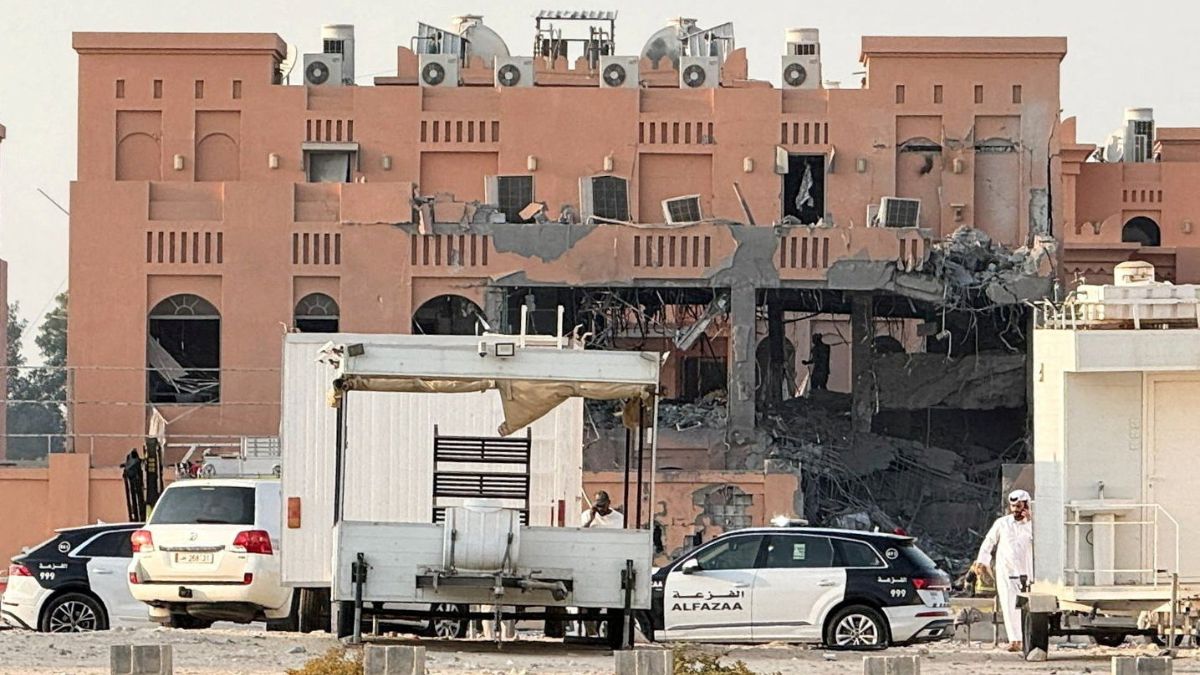 "Why Mossad was not on board with Israel’s strike on Hamas in Qatar")
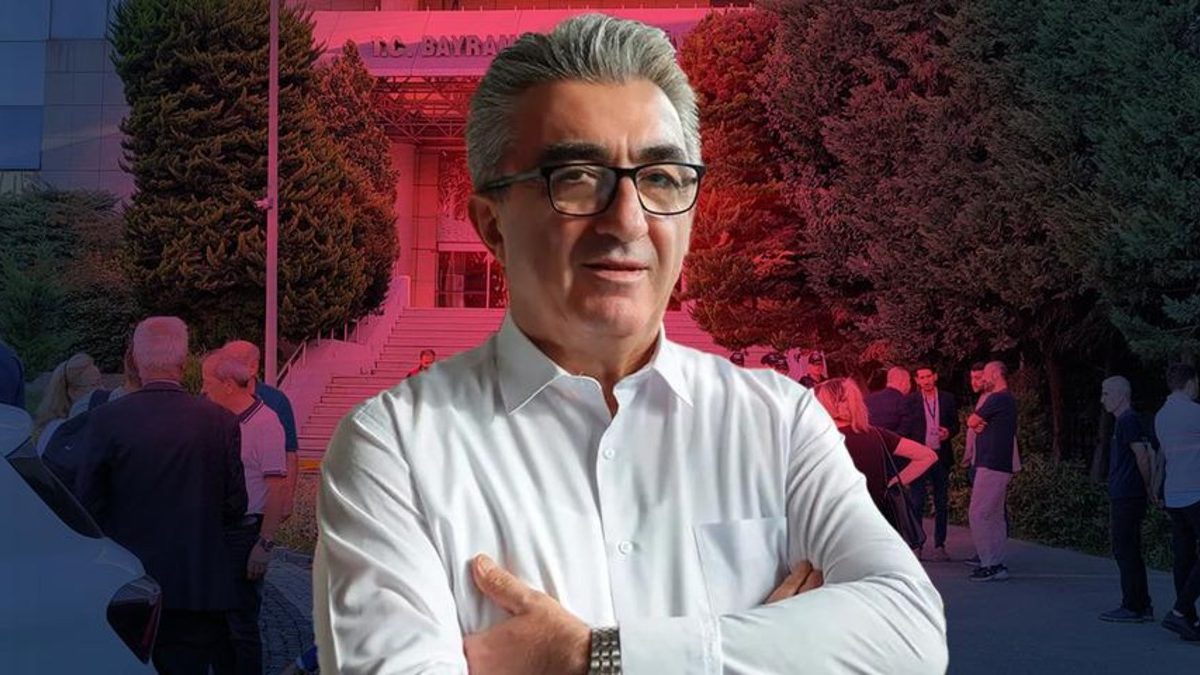 "Turkey: Erdogan's police arrest opposition mayor Hasan Mutlu, dozens officials in corruption probe")
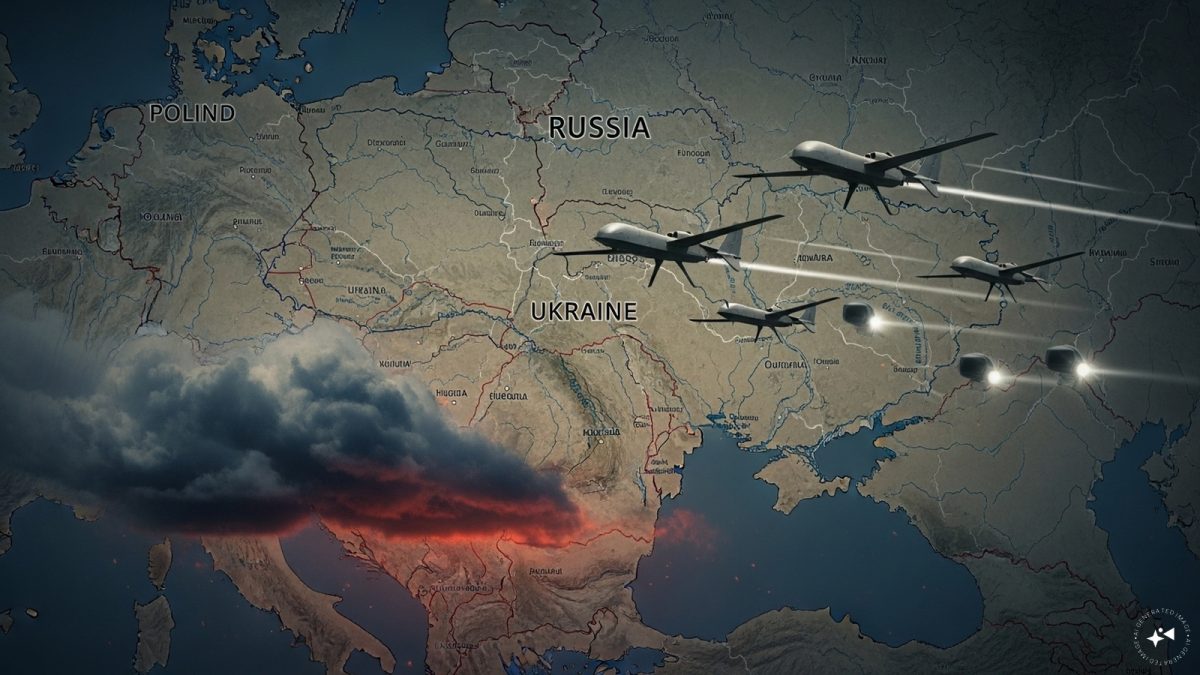 "Russian drones over Poland: Trump’s tepid reaction a wake-up call for Nato?")
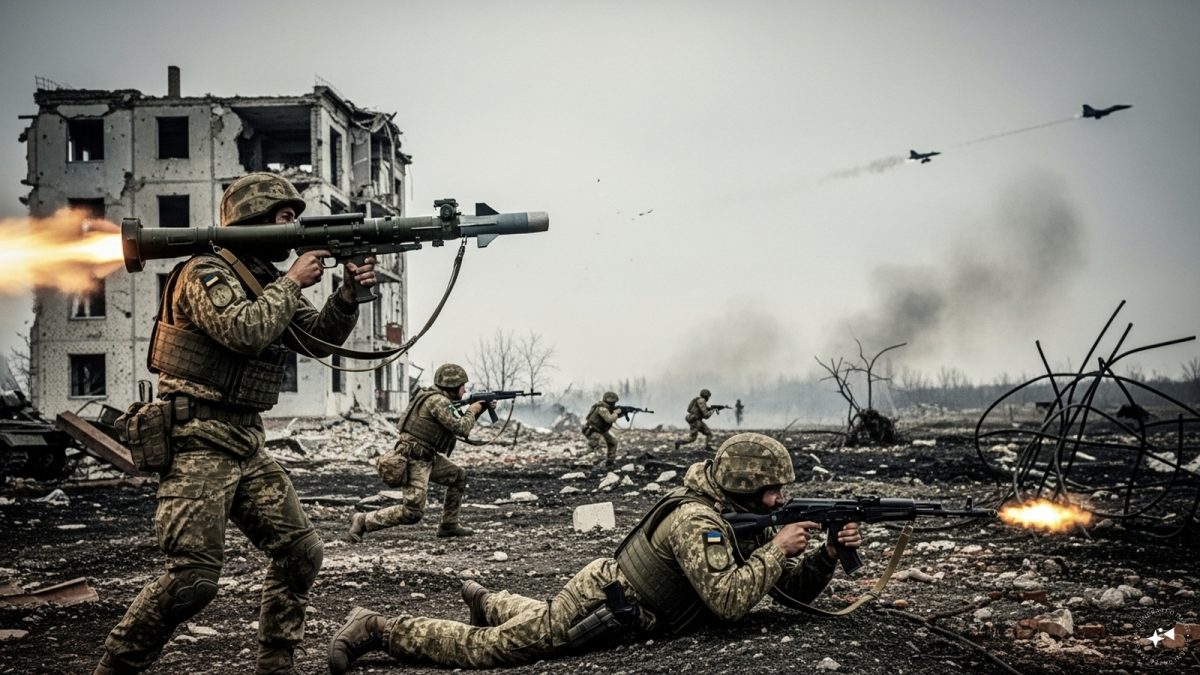 "As Russia pushes east, Ukraine faces mounting pressure to defend its heartland")
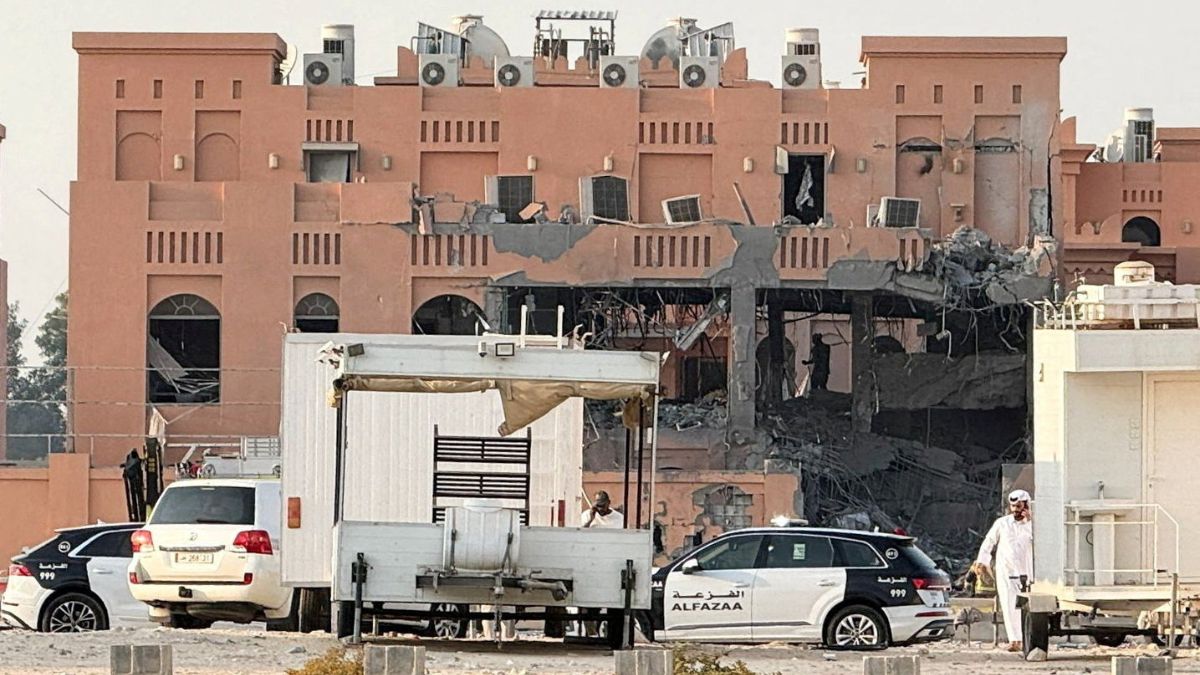 "Why Mossad was not on board with Israel’s strike on Hamas in Qatar")
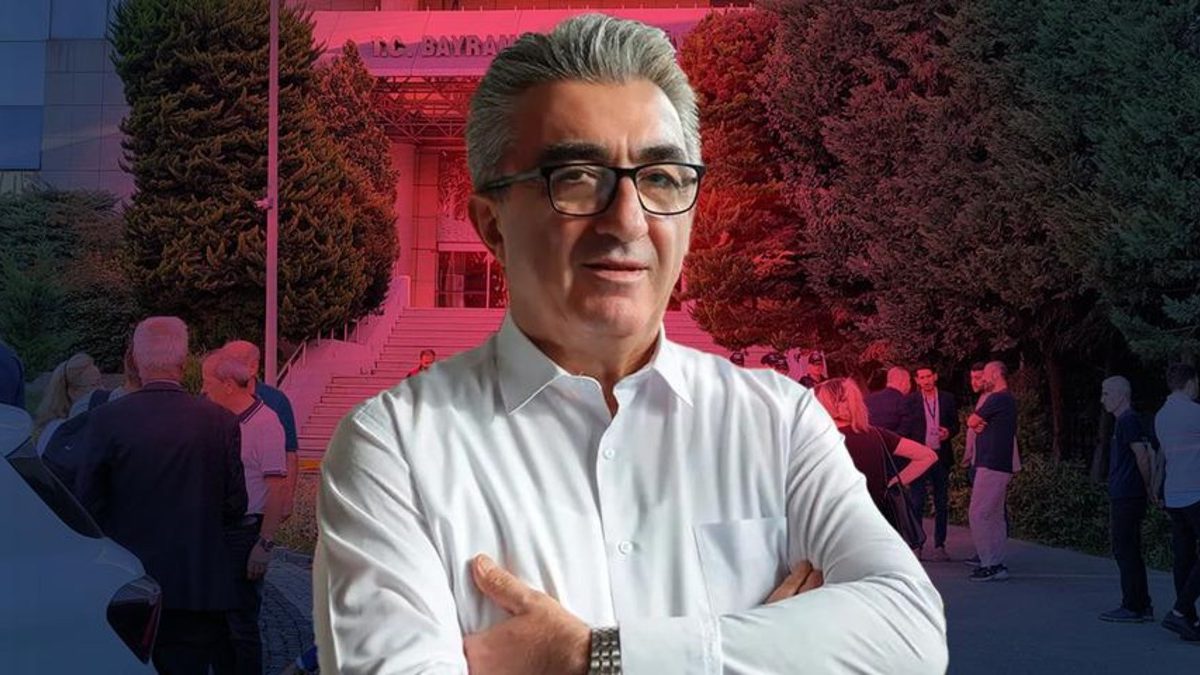 "Turkey: Erdogan's police arrest opposition mayor Hasan Mutlu, dozens officials in corruption probe")



