

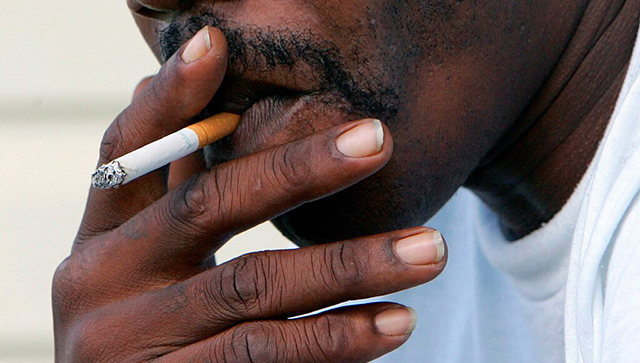
 "Vantage | Why New Zealand gave up its 'historic' smoking ban")
In a surprising turn of events, New Zealand, which had implemented the world’s first generational smoking ban just last year, is now repealing the groundbreaking initiative. The decision, driven by political motivations and a need for short-term funding, has sparked criticism and concerns about the long-term impact on public health, particularly among the Maori community, known for its disproportionately high smoking rates.
New Zealand’s smoking ban, introduced by the previous government, aimed to eradicate smoking by gradually increasing the legal smoking age. Born after 2008, individuals would never have been legally allowed to purchase cigarettes. The innovative plan had garnered international attention, even inspiring a similar scheme in the UK. Early results showed promise, with approximately 84,000 people quitting smoking in the last 12 months. However, the recent change in government, led by the New Zealand National Party, brought about the repeal of this groundbreaking smoking ban. Struggling to form a coalition government, the ruling party succumbed to the demands of their allies, the A-C-T New Zealand Party and the New Zealand First, who insisted on scrapping the smoking ban as a condition for their support. Short-term gains, long-term losses The decision to repeal the smoking ban was not solely based on political motives but also driven by economic considerations. The new government, led by Prime Minister Christopher Luxon, announced tax cuts as part of their economic strategy. To compensate for the loss in government revenue, they targeted the smoking ban, which required substantial financial resources for implementation. The ban would have led to a significant reduction in the number of shops selling cigarettes, causing financial losses for many businesses. Scrapping the ban allows the government to retain funds that would have been allocated for subsidies and benefit from the revenue generated by cigarette sales. “Our government will rebuild the economy to ease the cost of living and to deliver tax relief and to increase the prosperity of all New Zealanders," said Prime Minister Luxon. Despite the short-term financial gains, the repeal of the smoking ban overlooks the long-term benefits it promised. The ban was projected to save New Zealand’s health system approximately $800 million over the next two decades. Moreover, it aimed to prevent an estimated 5,000 deaths annually, addressing smoking as the leading cause of preventable deaths in the country. In the clash between political expediency and public health, New Zealand’s decision to repeal the generational smoking ban raises questions about the prioritisation of short-term gains over long-term benefits. As tax cuts take precedence, the potential health and economic advantages of the smoking ban seem to have been sacrificed, leaving New Zealand’s younger generation to bear the consequences of this policy reversal. Views expressed in the above piece are personal and solely that of the author. They do not necessarily reflect Firstpost’s views. Read all the Latest News , Trending News , Cricket News , Bollywood News , India News and Entertainment News here. Follow us on Facebook, Twitter and Instagram.


 "Russian drones over Poland: Trump’s tepid reaction a wake-up call for Nato?")
 "As Russia pushes east, Ukraine faces mounting pressure to defend its heartland")
 "Why Mossad was not on board with Israel’s strike on Hamas in Qatar")
 "Turkey: Erdogan's police arrest opposition mayor Hasan Mutlu, dozens officials in corruption probe")
 "Russian drones over Poland: Trump’s tepid reaction a wake-up call for Nato?")
 "As Russia pushes east, Ukraine faces mounting pressure to defend its heartland")
 "Why Mossad was not on board with Israel’s strike on Hamas in Qatar")
 "Turkey: Erdogan's police arrest opposition mayor Hasan Mutlu, dozens officials in corruption probe")



