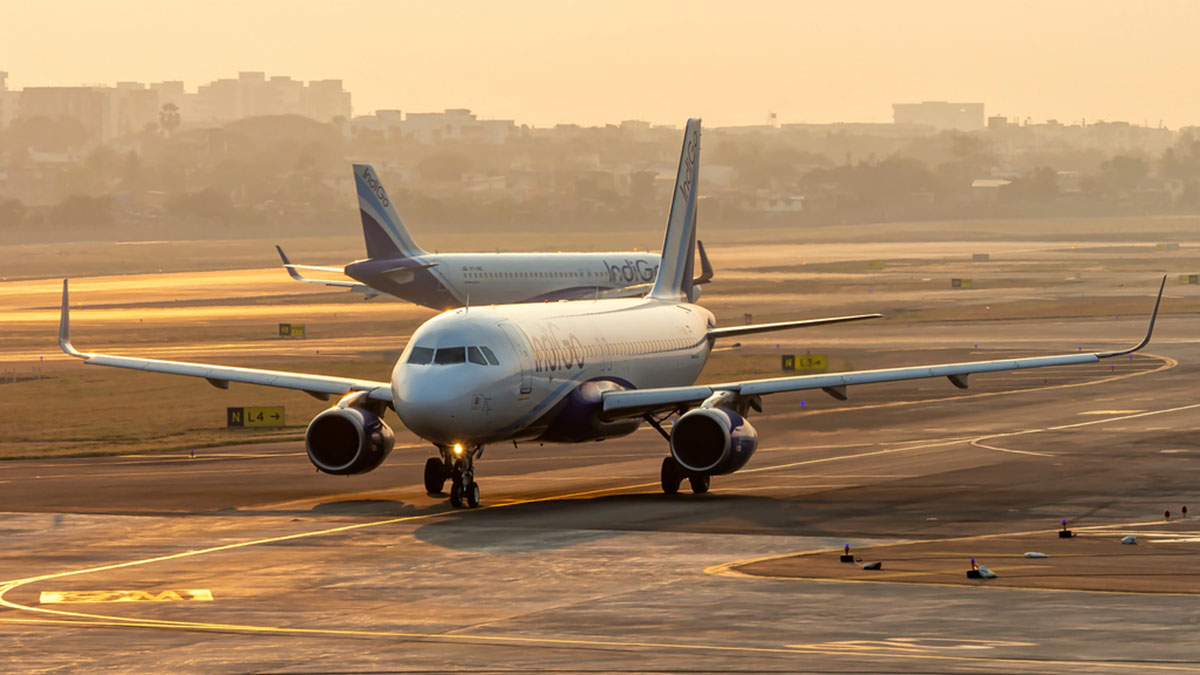
 "(File) Two IndiGo Airlines Airbus A320 in action at CSMIA Mumbai during the evening golden hours. Shutterstock")
In the fast-paced world of modern travel, air transportation has become an indispensable part of our lives. Yet, despite its convenience, flying often comes with its fair share of challenges. From endless queues at the airport to the dreaded possibility of lost luggage, these hurdles can easily dampen the excitement of any journey.
India faces a plane shortage
However, as if these concerns weren’t enough, the aviation industry in India is now facing a new and pressing challenge – a shortage of planes. This shortage threatens to exacerbate existing issues and could potentially lead to higher airfares, disrupting the travel plans of millions.
In recent times, travellers departing from Mumbai have experienced firsthand the ramifications of this shortage. Major carriers such as Air India, IndiGo, and Vistara have struggled to maintain their on-time performance, with less than 65 per cent of flights departing punctually. This trend paints a grim picture for passengers relying on timely departures and arrivals.
The root of this crisis lies in the struggles faced by airlines in maintaining their fleets. For instance, IndiGo, India’s largest budget carrier, has grappled with engine defects, resulting in the grounding of over 30 planes last year alone. To address this shortfall, IndiGo has resorted to retaining older aircraft while also increasing its leased fleet by acquiring additional planes.
IndiGo is not alone in seeking alternative solutions. Other carriers, including Air India and SpiceJet, are also exploring options to mitigate the impact of the plane shortage. However, these temporary measures may only provide short-term relief, and the long-term implications of the shortage remain uncertain.
Impact Shorts
More ShortsRising air travel
The surge in air travel demand further complicates the situation. In 2023, over 152 million passengers booked flights in India, marking a 23 per cent increase from the previous year and surpassing pre-pandemic levels. This spike in demand has already resulted in inflated ticket prices, with fares for the upcoming summer season soaring by as much as 30 per cent.
Unfortunately, higher fares do not always translate to improved services. Recent audits by India’s Ministry of Civil Aviation revealed alarming delays in baggage delivery, prompting concerns among passengers and authorities alike. In response, the ministry has implemented stringent rules mandating timely baggage delivery within specific timeframes, aiming to enhance passenger experience and hold airlines accountable for their service standards.
Challenges and hope
Despite these efforts, the aviation sector continues to face turbulence. The onset of 2024 brought about a slew of challenges, including severe flight disruptions caused by heavy fog and subsequent penalties imposed on airlines. These setbacks underscore the urgent need for comprehensive solutions to address the sector’s growing pains.
Looking ahead, the outlook for India’s aviation industry remains uncertain yet promising. By 2030, the number of passengers expected to opt for air travel is set to double, posing both opportunities and challenges for airlines and regulators alike. As passengers demand better services and experiences, airlines must adapt and expand their operations while regulatory bodies strive to steer the sector towards sustainable growth.
While the road ahead may be fraught with challenges, proactive measures and collaborative efforts can help navigate the turbulence and ensure a smoother journey for all stakeholders involved in India’s aviation sector.
Views expressed in the above piece are personal and solely that of the author. They do not necessarily reflect Firstpost’s views.
Read all the Latest News
, Trending News
, Cricket News
, Bollywood News
,
India News
and Entertainment News
here. Follow us on
Facebook
,
Twitter
and
Instagram
.