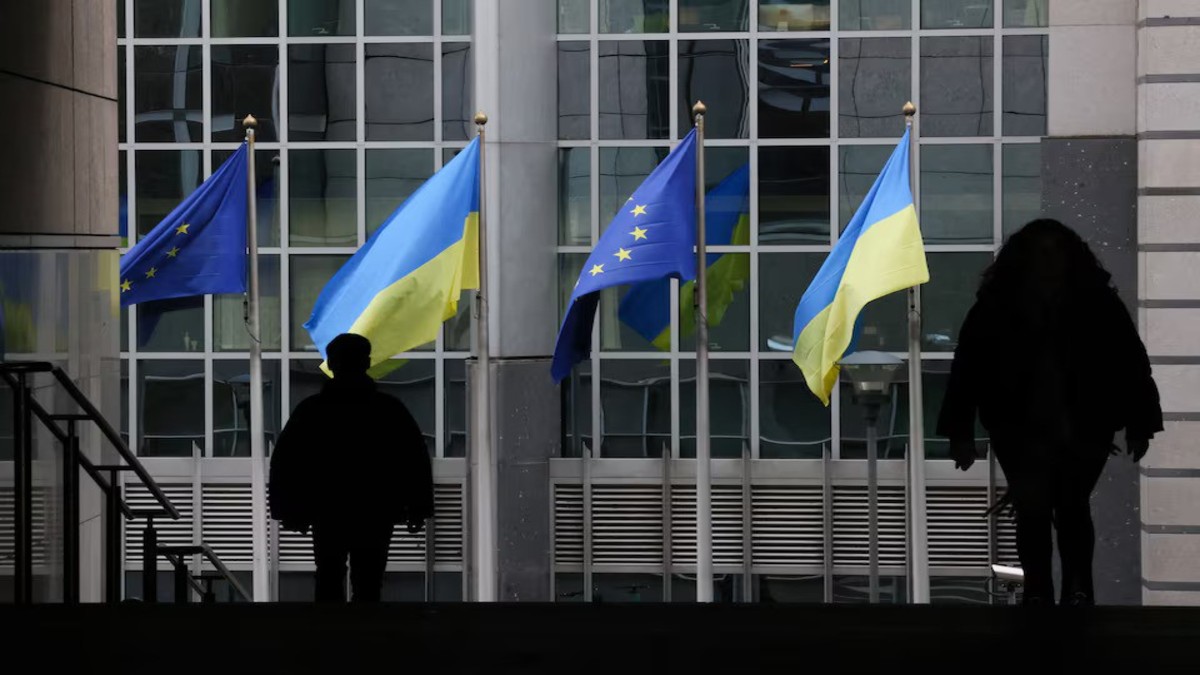
 "Trump 2.0: Europe needs to diversify its relations to solve security dilemma")
Trump’s second term has rattled Europe by casting doubt on his willingness to defend allies and by reaching out to Russia over the war in Ukraine. Post World War II, Europe’s security is inextricably connected with that of the US. This coupling indeed has implications for Europe: while it gains in security thanks to security guarantees by the United States, it is also part of the global US-Russia security dilemma without having much influence on either actor’s behaviour.
In a sense, Europe, despite being materially and technically capable, has outsourced its security to the US. Europe’s security and geopolitical interests are at the mercy and goodwill of the US and contingent on US relations with its friends and foes (eg, Russia).
Some scholars contend that most European states have become vassals of the US. Historically, deterring Russia has been a European problem due to its massive size, abundant natural resources, and military predominance in the region and, in particular, vast stockpiles of nuclear weapons.
Change in US Strategic Calculus
The lingering war in Ukraine drives home a hard lesson in the US establishment that it cannot strategically defeat Russia in its neighbourhood. On the evolving situation in Ukraine, United States Secretary of Defence Pete Hegseth said, “It was ‘unrealistic’ to expect Ukraine to return to its pre-2014 borders.” He further stressed, “We must start by recognising that returning to Ukraine’s pre-2014 borders is an unrealistic objective. Chasing this illusionary goal will only prolong the war and cause more suffering.”
This US stance on the Ukraine war change may be attributed to Donald Trump. However, the ground reality in the ongoing war sooner or later would have brought home the same realisation. Other than the failure to defeat Russia on the battlefield, America led the political West and failed miserably in the war of narrative.
Quick Reads
View AllIn addition, on the global stage, rising Chinese naval predominance accentuated the US’ position in the strategically vital Indian Ocean region. This compelled the US to reorient its focus to the Indo-Pacific, where China has made significant economic strides. These regions are going to reshape the upcoming global order. Mending ties with Russia and nudging its European allies for more significant burden sharing for their security, the US appears to rationalise its international commitments to prioritise areas of focus.
This is the first time that most likely friction points between a rising power and a declining hegemon are located at sea. Earlier power transitions for global leadership have always been between continental and maritime powers. The current transition pits two maritime-oriented powers, nuclear-armed and continent-sized trading states, against each other. This diminishes the geopolitical significance of the European region vis-à-vis the Indo-Pacific.
In the changing global power shift, the Indo-Pacific has emerged as a new focal point of global contestation of power. Naturally, being a reigning superpower, the US must shift its attention from the European theatre to the Indo-Pacific to counter the Chinese challenge.
The current contest between the US and China is more about geo-economics than geopolitics. Unlike the US-Soviet rivalry, it is not a clash of ideologies that liberal internationalists of the political West want to portray. The US under the Trump administration sees European allies as ‘freeloaders’, and his approach towards them is dictated by his transactionist approach. This shift reflects a move from rigid alliances to transactional engagements, where ideology affinity is thrown out of the window in the narrow national interest.
Europe as a Prisoner of Liberal Internationalism
There is a fundamental difference between the US and Europe on the nature of the Ukraine war. In the US scheme of things, the war in Ukraine was to strategically defeat Russia by using Ukraine as a proxy state, but it failed to do so. At the same time, Europe sees the war mainly through the normative lens of democracy vs autocracy.
There is no denying the fact that Russia can be an existential threat to several East European countries and a security challenge for Europe as a bloc if not handled properly. With the US ready to bear the burden of security, Europeans embarked on greater integration within Europe. They envisaged a Europe transcending the balance of power politics of nation-states. Interest-based interstate politics gave way to norms-based international politics (liberal internationalism).
Europe positions itself globally as a normative power under the US security umbrella. However, a security arrangement that is premised upon the goodwill of the other country and driven primarily by geopolitical calculation of that very country is self-defeating. By outsourcing security to the US, scholars believe Europe became an appendage to Washington’s geopolitical goals. Europe, still in its make-to-believe world of norms, sees the evolving situation in Europe through an ideational lens.
As the Munich Security Conference Chairman and a former Angela Merkel aide, Christoph Heusgen, said, “Our common values are not so common anymore.” European leaders see Trump’s policy reorientation primarily in terms of values. It reminds us of the words of Niccolò Machiavelli: “Men will not look at things as they really are, but as they wish them to be – and are ruined.”
History tells us that when it came to strategic matters, the US did not shy away from mending fences with China, an ideological rival, to counter the USSR. Similarly, there is a growing realisation in the current Trump administration that China is a far more potent threat. Unlike the Soviets, China is a peer competitor both militarily and economically.
The Tortuous Road Ahead for Europe
In the current global strategic environment, rebuilding the new European security architecture is not going to be an easy feat with or without the US. This requires a significant military expenditure and a change of Europe’s ideational worldview.
In the face of economic recession, Trump’s infused trade uncertainties, and the rise of left and extreme right factions, rolling back on extensive social security policies is politically challenging for the centre-left politics of Europe.
Additionally, keeping Europe united and forging consensus among themselves for the new role Europe envisages in the multipolar world will not be easy. Meanwhile, striking a balance between the impulse of strategic autonomy among a few European countries, such as France, and assuaging fears of East European countries vis-à-vis Russia is another stumbling block in European unity.
Western solidarity, a phenomenon of the bipolar era due to the Soviet threat, continued during the unipolar era in the hegemony of the political West under US leadership. As the unipolar moment fades in memory and paves the way for a multipolar world, Europe requires diversifying partnerships, as excessive dependence on the US restricts its policy options.
The way Europeans have been sidelined on the ongoing Ukrainian peace initiative must have rung the alarm bell in Brussels. It is time for Europe to reassert its strategic autonomy and restore Europe as a global bloc. Europe has to come to terms with the long-held problem of collective action in the absence of US leadership. To do this it will have to shun the old habit of latching on to the finger of the US to navigate geopolitical uncertainties.
A regional grouping such as Europe cannot pin down its strategic alliance on goodwill and the intention of others. The foundation of a strategic partnership must be premised on the convergence of interests and ready to be tweaked in changing circumstances.
Amitabh Singh teaches at the Centre for Russian and Central Asian Studies, School of International Studies, Jawaharlal Nehru University. Ankur is a doctoral candidate at the Centre for Russian and Central Asian Studies, School of International Studies, Jawaharlal Nehru University. The views expressed in the above piece are personal and solely those of the authors. They do not necessarily reflect Firstpost’s views.

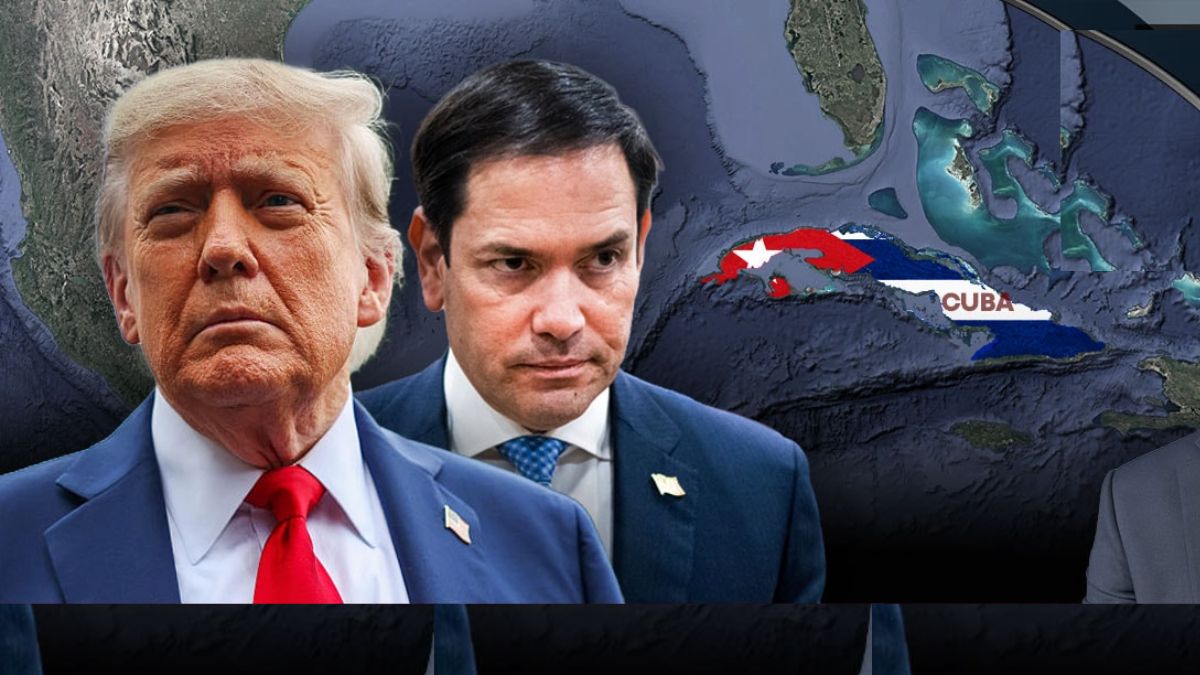 "Trump finds new raid target? Report says US actively seeking regime change in Cuba by 2026-end")
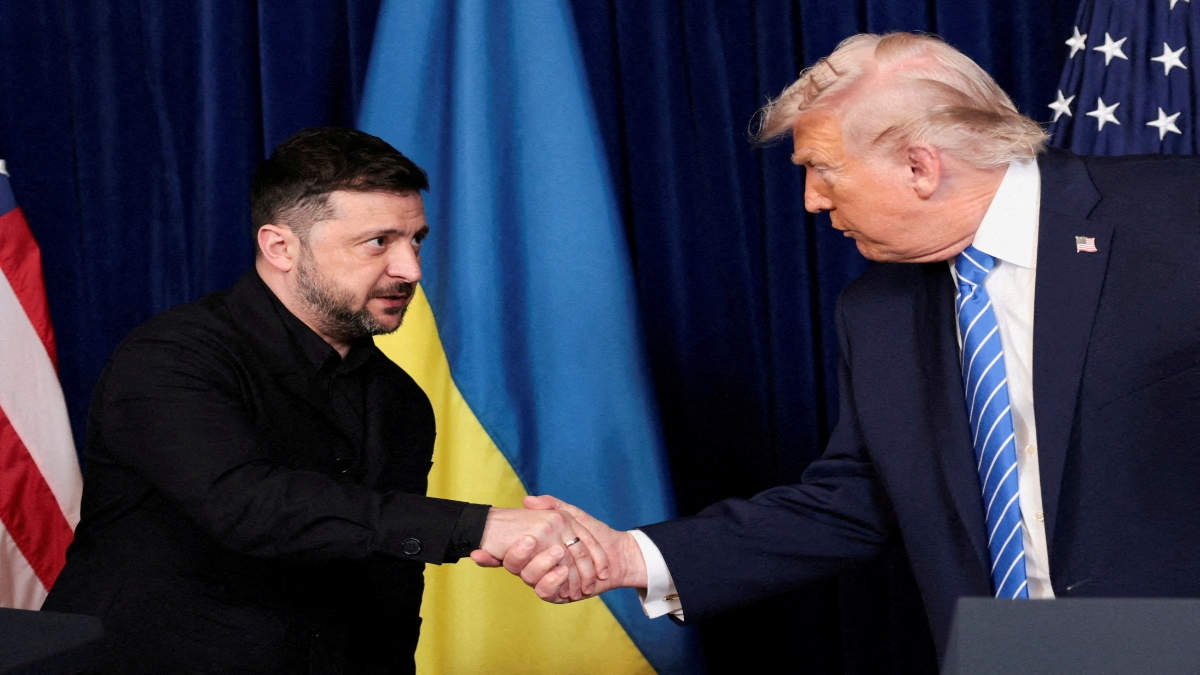 "Trump meets Zelenskyy in Davos, says 'a ways to go' on ending Ukraine war")
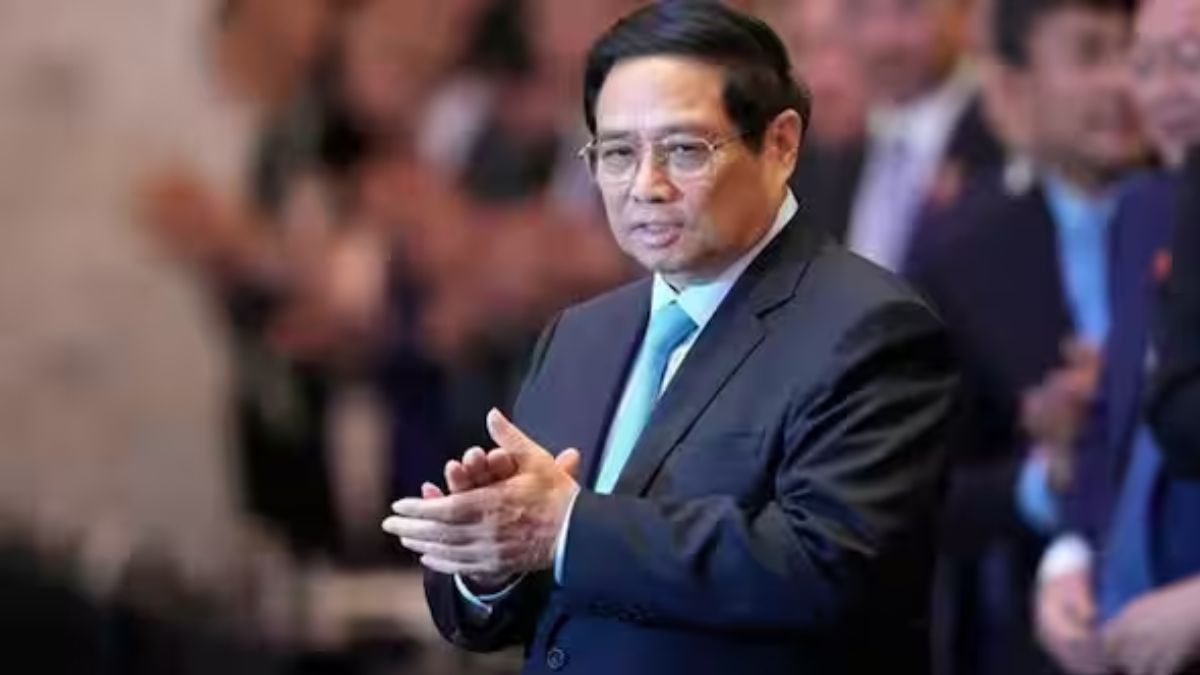 "Power shift in Hanoi: Vietnam party list hints PM and president losing clout")
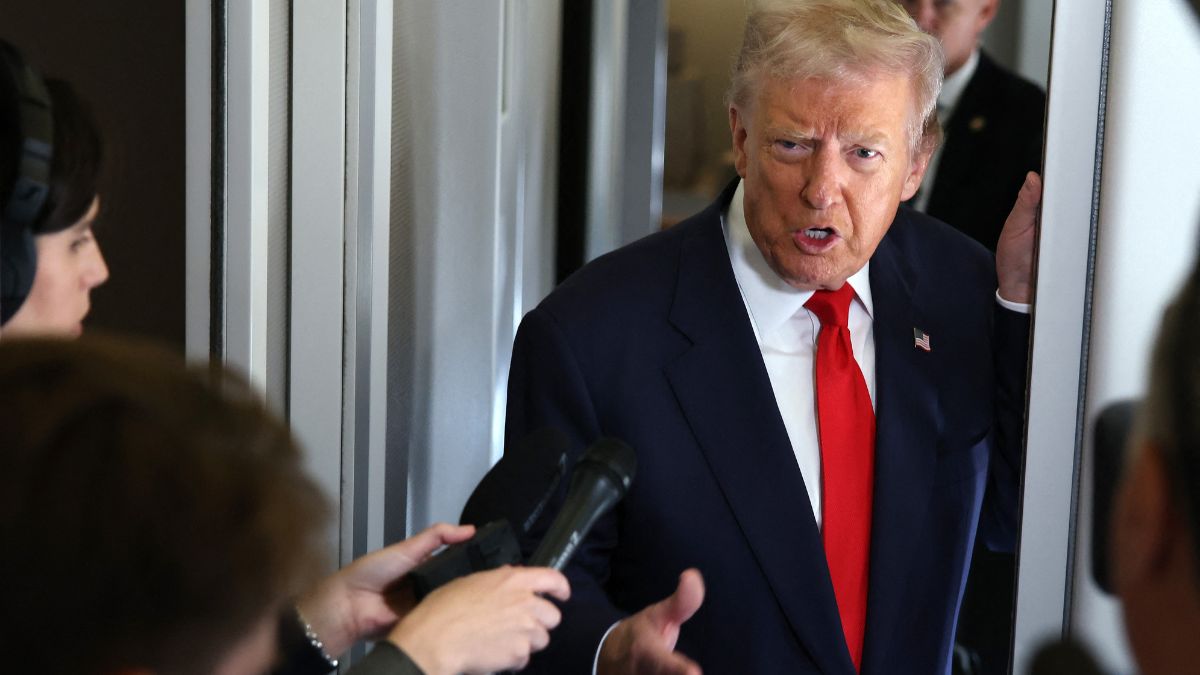 "Can Trump’s Board of Peace replace the United Nations?")
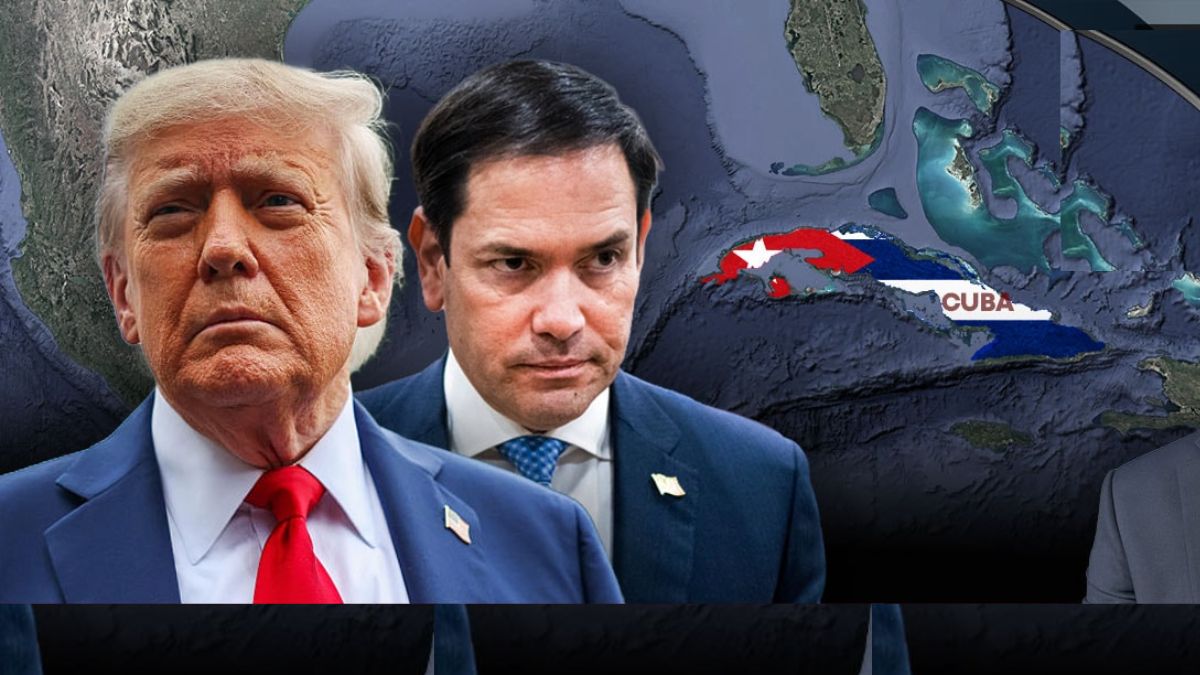 "Trump finds new raid target? Report says US actively seeking regime change in Cuba by 2026-end")
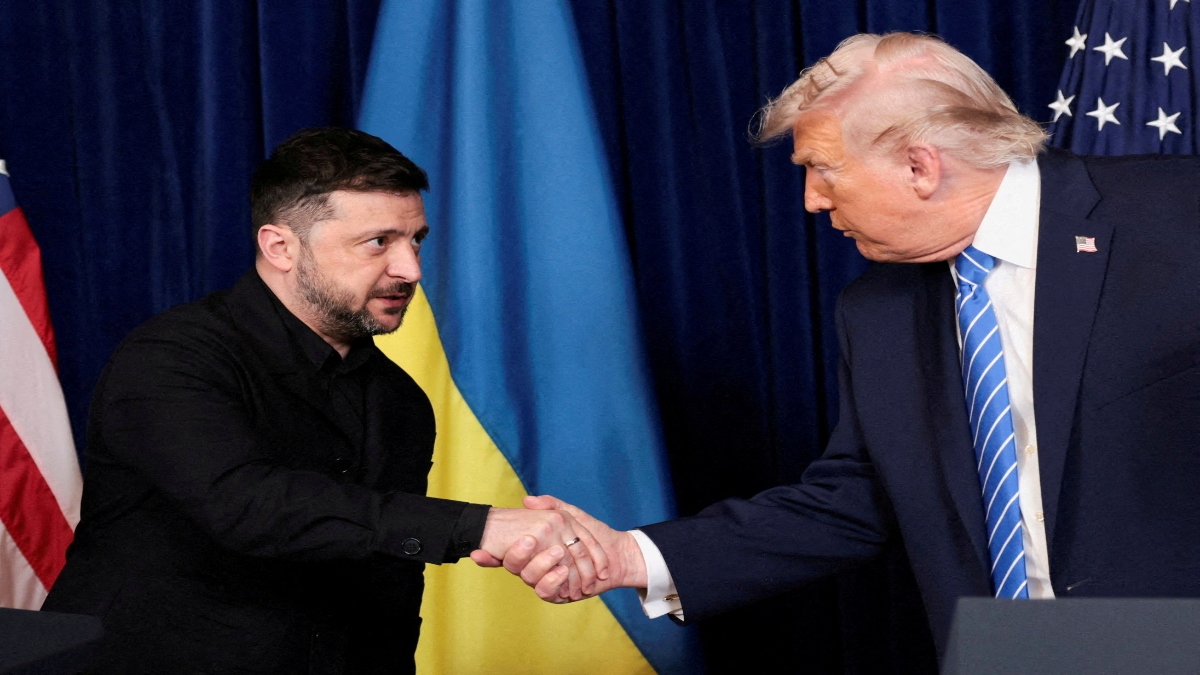 "Trump meets Zelenskyy in Davos, says 'a ways to go' on ending Ukraine war")
 "Power shift in Hanoi: Vietnam party list hints PM and president losing clout")
 "Can Trump’s Board of Peace replace the United Nations?")