

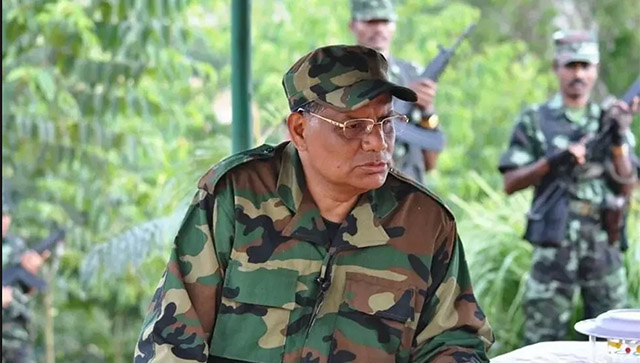
 "Time is ripe to expedite the dialogue process with ULFA")
Reports seem to suggest that the pro-talk faction of United Liberation Front of Asom (ULFA) is carefully studying the charter of demands that was submitted quite a few years ago to the Government of India in order to facilitate a dialogue process. But the delay that is being experienced in cobbling out a comprehensive peace process does not seem to be auguring well. Indeed, despite the fact that the Assam government has been able to almost completely stem the violence level in the state, the fact remains that a section of the organisation — read: ULFA (Independent) — continues to be loyal to Paresh Barua and although there have been desertions aplenty from the outfit’s camps in Myanmar, there is an outside possibility that (if complacence were to grow) violence and belligerence might erupt again. The accent, therefore, should be on a robust follow-through and complete the peace process once for all. There is confusion whether Paresh Barua would be included in the peace process, although certain intellectuals of Assam have stated that he is not against dialogue. While it is not immediately understood as to where such confidence stems from, the fugitive status of Paresh Baruah is not aiding such belief. Baruah continues to remain in communication with his cadres and the people of Assam by issuing regular statements through various media outlets, albeit with lesser frequency. It is also being said that Baruah (who is billeted in China’s Yunnan) is not keeping good health. But notwithstanding the manner in which the cat and mouse game is being played out, there is some indication of a growing sense of disorientation, frustration and sense of impending doom among the cadres of ULFA who are still in various camps in Sagaing Division. Recruitment that had witnessed a modicum of fillip in 2022 has stopped as a result of an alert and proactive Assam Police. But the icing on the cake would be when the Assam government would be able to completely erase the problem that the ULFA poses and in a manner reminiscent of the Mizo National Front coming back lock, stock and barrel for God and Country! It would have been a happy day were Paresh Baruah had returned to his home after having been away for decades. Indeed, some observers continue to harbour such a hope. But analysis has it that the ULFA chief of staff would never return to the mainstream. Some years ago, he wrote an article in a vernacular newspaper of Assam in reverence of the fallen LTTE chief Velupillai Prabhakaran and had stated that the North East has the wherewithal to carry on the anti-India struggle for the next 200 years. Quite clearly the obduracy stemmed from a confidence that he considered himself to be the chosen one, a modern-day Lachit Barphukan, who will “oust” the occupation forces, or like his hero Prabhakaran — who was responsible for Rajiv Gandhi’s death — go down fighting the enemy. A few summations from the above statements can be made. One, Paresh Baruah had (at least at the time) scaled new heights in the summit of megalomania; the death of Prabhakaran had only emboldened his belligerence and revolutionary spirit. Two, it was a sign that the “warlord” is not going to countenance a dialogue with New Delhi, which leads to the analyses that he has found secure moorings among anti-India companies, especially in India’s arch enemy China. At this time the association seems to have only bolstered his ego and have strengthened his anti-India stance. This would not only make him disregard any peace overtures, but could instead goad him (despite his reported illness and rusting claws) into a “new look” violent mode, the initiations of which could be felt were New Delhi to soft pedal on the peace dialogue (a) with the ULFA (Pro-Talk) group and (b) not make robust overtures to neutralise the threat from the handful of cadres who are still at large. It is also feared that a more belligerent leader could take over from him to carry on the conflict. Perspective planning must take such a possibility into account. In any event a question that must be raised is about the ULFA and Assamese identity. There can be no question that Assam and the North East has received an extremely raw deal from New Delhi. ULFA’s rise to prominence and its over four-decade-old insurrection is a manifestation of that grievance. Objective analysis must also state that the ULFA of the 7 April 1979 rose to prominence on the aspirations of a large number of Assamese people. But somewhere along the way, as revolutionary outfits are sometimes wont to, it began to lose sight of its objectives. A perusal of the organisation’s founding principles seems quite clear. In one place it says, “The people of Assam are confronting various problems. Among those, the National identity problem is basic (sic).” However, did not the ULFA of a later day know that the greatest threat to Assam’s identity stems from the unabated illegal influx from Bangladesh? Why did it become silent on so important a matter? Was it because it needed Bangladesh as a safe haven? If the ULFA still felt (and actually continues to feel) that it has an obligation to the people of Assam, then it must answer to the Assamese, many of whom have been subjected to untold misery as a result of the ULFA’s “Asom-India” conflict. It must also rise to the occasion and aid the poverty stricken people of Assam, especially as there is a clear danger that both flood and radical Islam is on its way to overcome the Assamese hinterland. However, despite the wrangles and the contradictions, most people in Assam are of the opinion that an important point has been reached in ULFA’s history. Prospects of a negotiated settlement to the ULFA problem seem brighter than ever before. New Delhi (despite delays) is treading on the matter with great care, careful not to either overstep various constitutional obligations, or exhibit a vehemence that might derail the process. ULFA, especially its pro-talk faction, too, must demonstrate its seriousness about dialogue by meaningfully cooperating with the Assam government who has shown both great magnanimity and patience. Moreover, the pro-talk has to be realistic and relinquish some of its impossible demands. It can actually play an important mediatory role and attempt to convince their comrades who are still holding out that home and hearth is where the actual battle for the people of Assam has to be waged. As an editorial had opined, “(ULFA) cannot be unaware of New Delhi’s consistent stand that the integrity of any part of India is not negotiable. Peace talks with insurgents anywhere in the country can be meaningful only if this fundamental principle is not violated…It is important not to miss the shift in the Centre’s position…(it) is now willing to discuss the demand for ‘sovereignty’ along with other relevant issues relating to the ULFA rebellion. New Delhi’s talks with the Naga rebels have survived the latter’s insistence on a ‘sovereign’ Nagaland…But the differences have not spoilt the ceasefire in Nagaland…this is the ULFA’s first major opportunity to gain through talks what it can never hope to achieve with the guns.” An important point in the history of separatism in Assam has, indeed, been reached. The writer is a conflict theorist and bestselling author. The views expressed are his own. Read all the Latest News , Trending News , Cricket News , Bollywood News , India News and Entertainment News here. Follow us on Facebook, Twitter and Instagram.
The delay that is being experienced in cobbling out a comprehensive peace process does not seem to be auguring well
Advertisement
End of Article

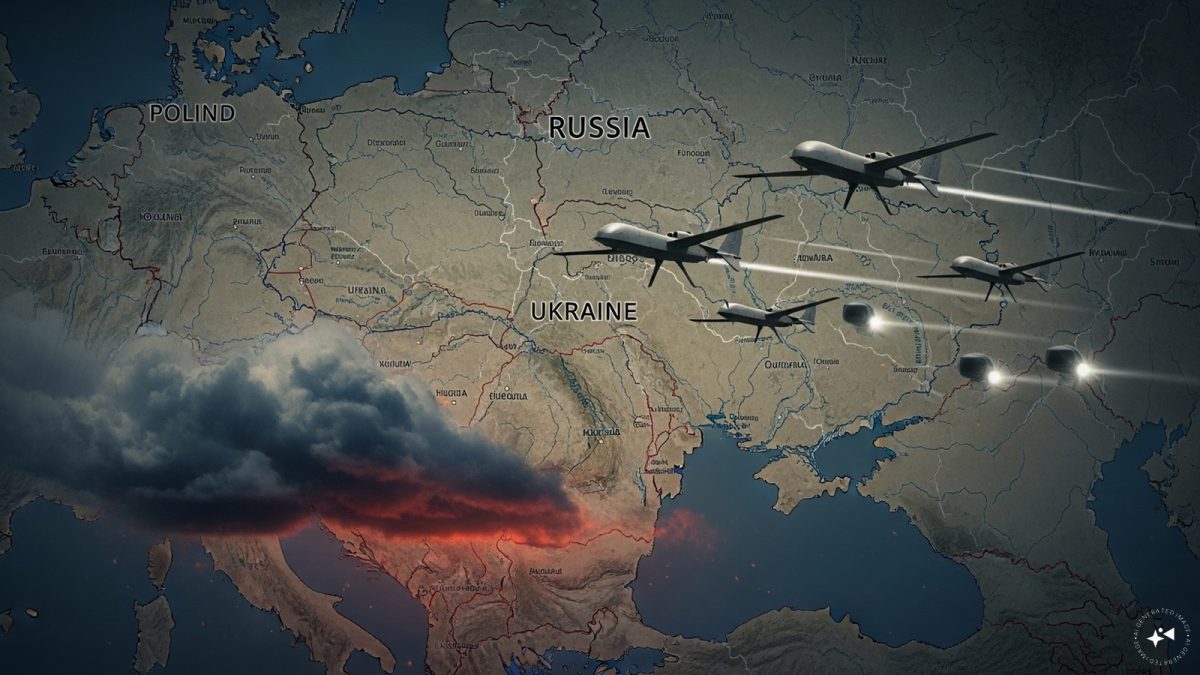 "Russian drones over Poland: Trump’s tepid reaction a wake-up call for Nato?")
 "As Russia pushes east, Ukraine faces mounting pressure to defend its heartland")
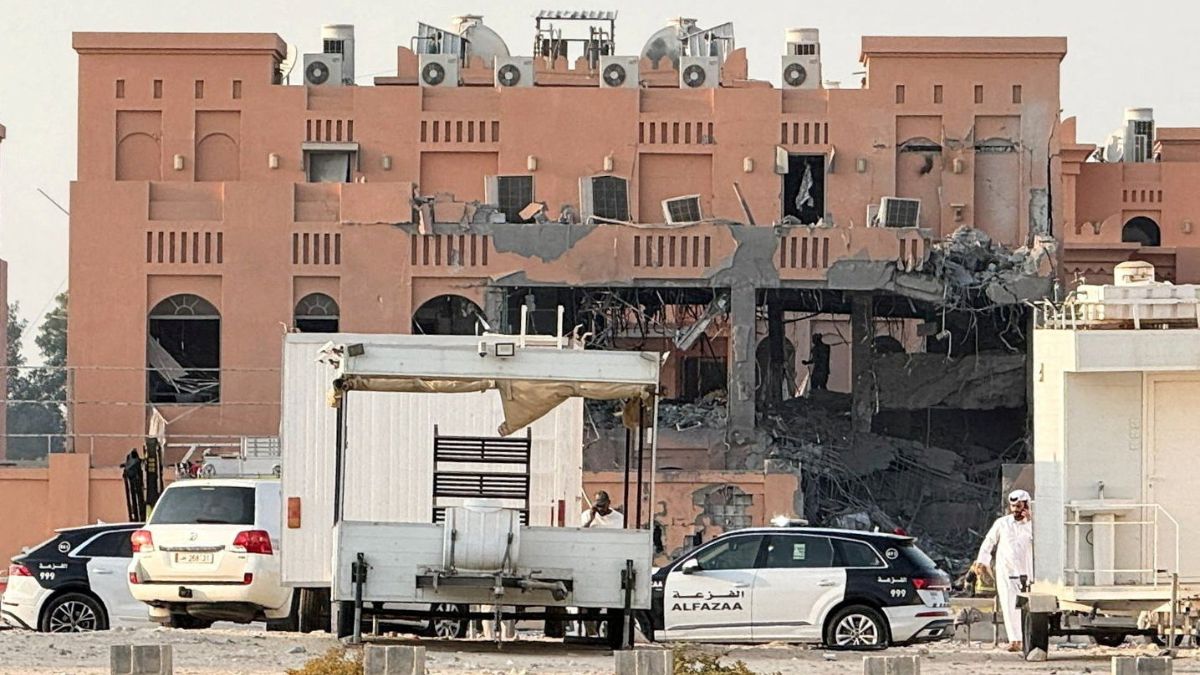 "Why Mossad was not on board with Israel’s strike on Hamas in Qatar")
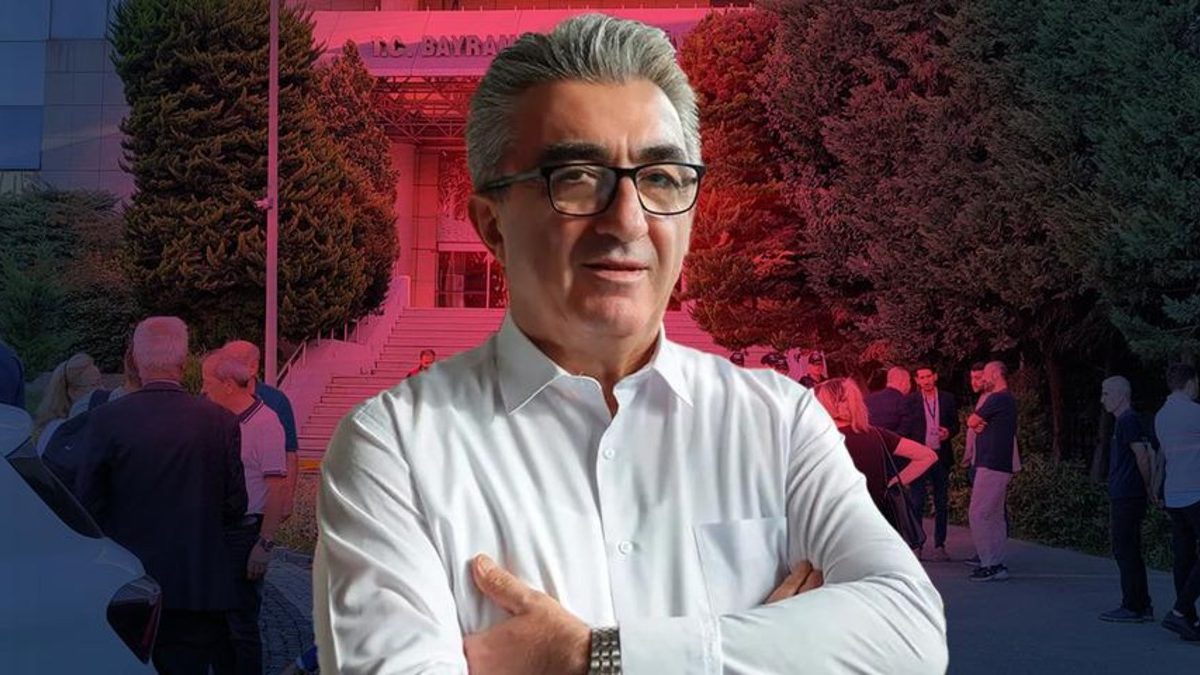 "Turkey: Erdogan's police arrest opposition mayor Hasan Mutlu, dozens officials in corruption probe")
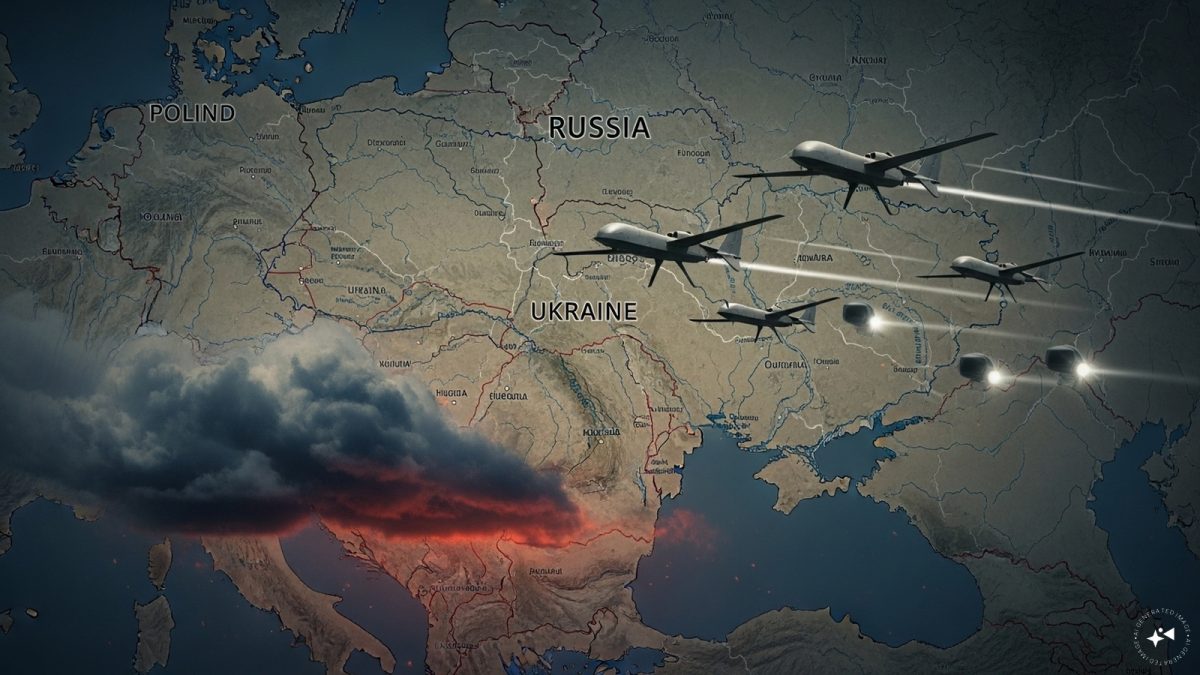 "Russian drones over Poland: Trump’s tepid reaction a wake-up call for Nato?")
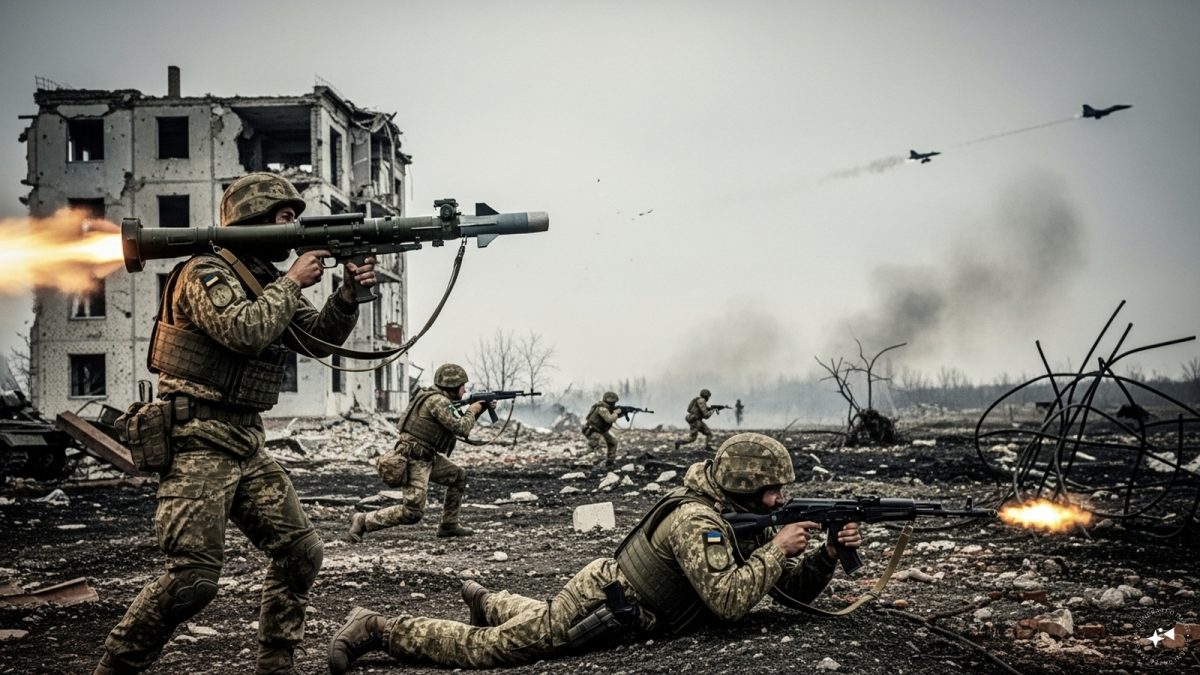 "As Russia pushes east, Ukraine faces mounting pressure to defend its heartland")
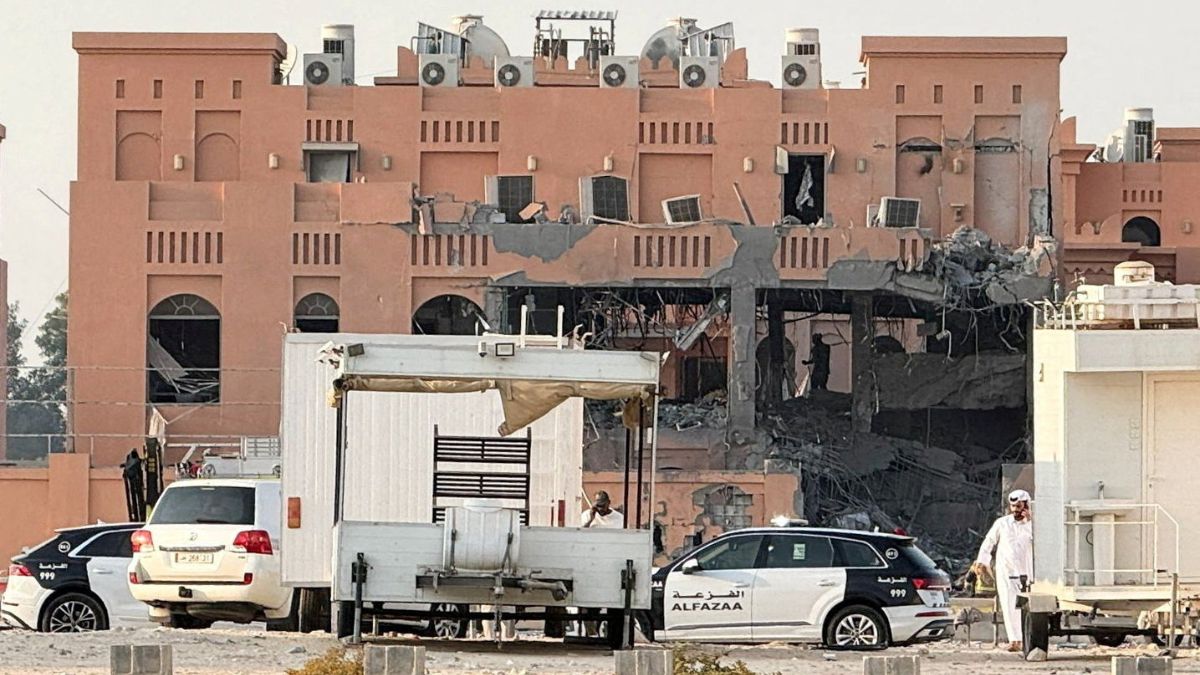 "Why Mossad was not on board with Israel’s strike on Hamas in Qatar")
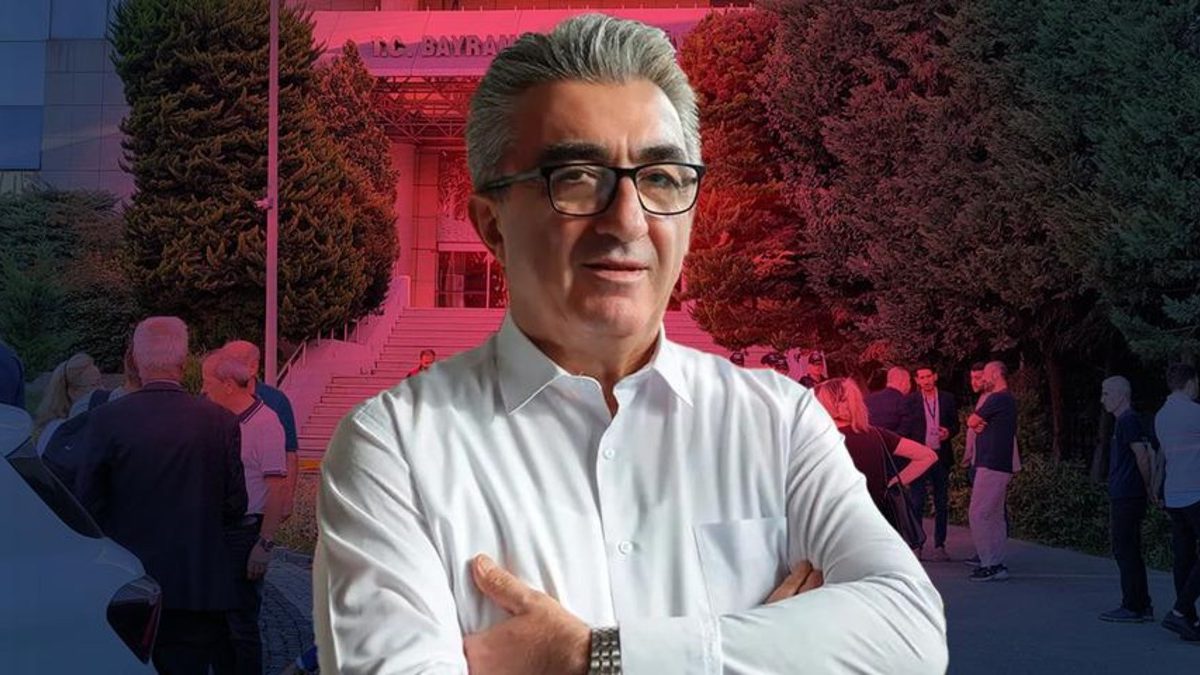 "Turkey: Erdogan's police arrest opposition mayor Hasan Mutlu, dozens officials in corruption probe")



