

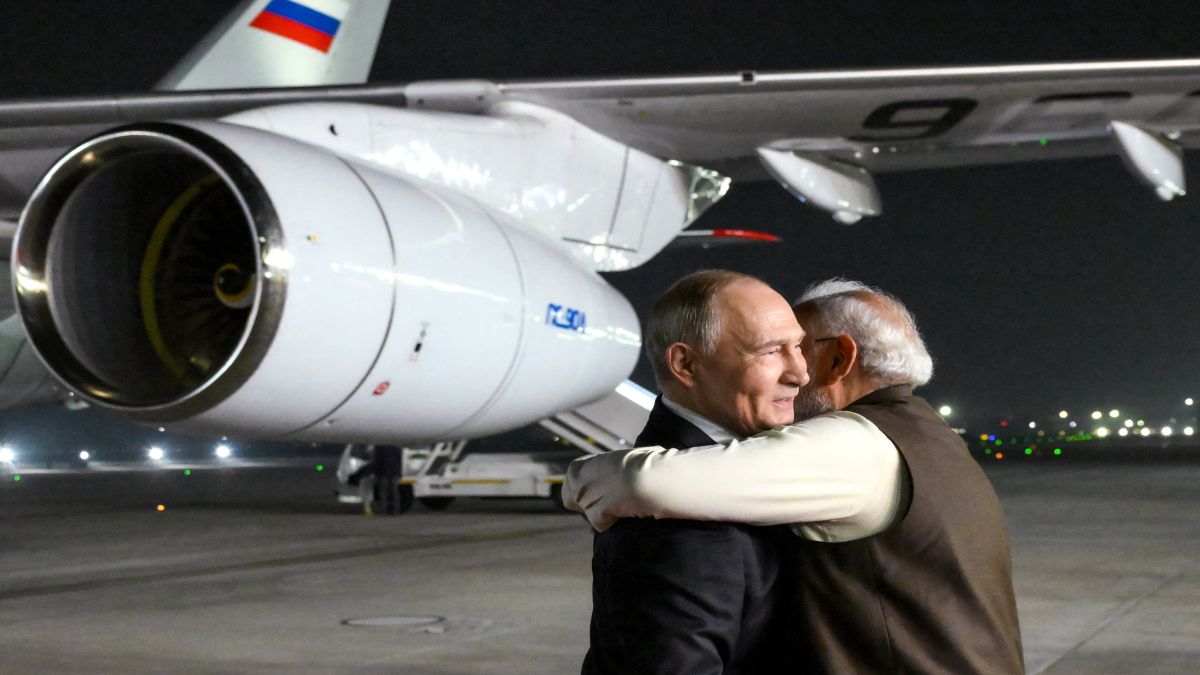
 "Putin’s visit delivers a big message: India has options, Russia is not isolated")
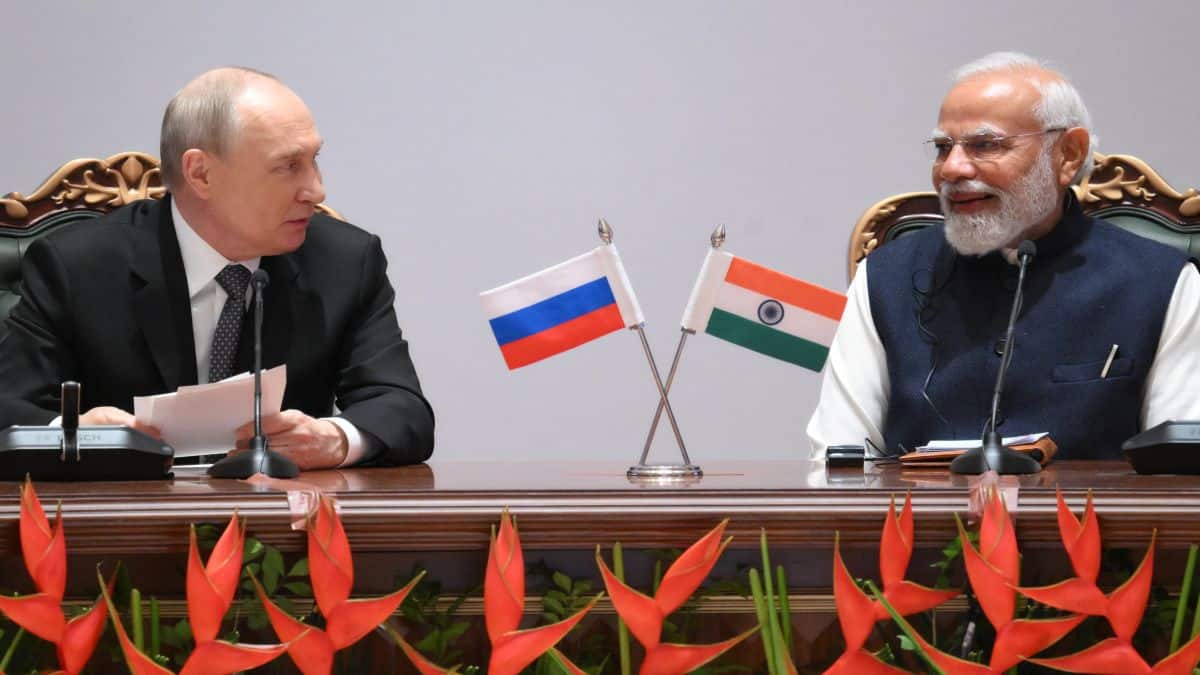
The two-day state visit of Russian President Vladimir Putin to New Delhi on December 4-5, 2025, for the 23rd India-Russia Annual Summit, is being widely interpreted as a strong signal to the world, particularly the United States and its allies, that the long-standing India-Russia partnership remains resilient. A central message from the visit was that India maintains strategic autonomy and has multiple foreign policy options, while Russia demonstrated that it is not internationally isolated despite Western pressure.
The visit occurred after the US had imposed tariffs on India for its continued purchase of Russian crude oil. By proceeding with the high-profile visit, India demonstrated that external economic coercion would not compromise its strategic partnership with Russia. This approach aligns with India’s established foreign policy of multi-alignment, allowing it to maintain relationships with all major powers and avoid entanglement in bloc-based rivalries. India effectively signalled its commitment to charting an independent foreign policy path and rejection of a “with us or against us” narrative.
Ahead of the visit, envoys from the UK, France, and Germany published a rare joint opinion piece in an Indian newspaper criticising Russia, an action seen as a pre-emptive effort to express disapproval. India’s determination to resist US and Western pressure and host Putin was a strong assertion of its strategic autonomy and the prioritisation of its core national interests, particularly in energy and defence.
The summit focused on solidifying economic ties, including the “uninterrupted” shipment of Russian oil and the use of the rupee and rouble for trade settlements to bypass Western sanctions and the dollar-based financial system. The two sides agreed on an economic cooperation programme until 2030, aiming for a bilateral trade target of $100 billion. Russia assured “uninterrupted shipments” of fuel, reinforcing its role as a reliable energy supplier despite Western efforts to curb this trade.
Quick Reads
View AllAgreements were signed across diverse sectors, including nuclear energy, space, critical minerals, healthcare, tourism (free e-visas for Russian nationals), and the development of transport corridors like the International North-South Transport Corridor (INSTC). Ultimately, the visit demonstrated the depth and resilience of the India-Russia “Special and Privileged Strategic Partnership”, which both sides stressed is rooted in mutual trust and respect for each other’s national interests.
India reaffirmed its long-standing defence cooperation with Russia, which remains its primary source of military equipment, with discussions on new contracts for submarines and fighter jets and joint production initiatives, despite American pressure to diversify.
While no major new deals were announced during the summit, the discussions and agreements laid a strong foundation for future cooperation that moves beyond a traditional buyer-seller dynamic towards a more integrated defence-industrial partnership.
Putin’s visit was significant for defence ties because it shifted the focus from direct arms purchases to joint development, production, and maintenance of military equipment, aligning with India’s “Aatmanirbhar Bharat” (self-reliance) initiative.
A military logistics-sharing pact, the Reciprocal Exchange of Logistic Support (Relos), was ratified by Moscow ahead of the visit, which will facilitate mutual access to ports and military facilities for exercises and support during operations. Discussions covered the timely delivery of existing orders, such as the remaining units of the S-400 air defence system. A previously negotiated deal for India to lease a nuclear-powered attack submarine from Russia, valued at approximately $2 billion, was reportedly finalised around the time of the visit, with delivery expected within two years. This specific deal was not part of the main summit announcements but was a significant development concurrent with the visit.
The red carpet welcome and PM Modi’s description of their friendship as a “guiding star” also sent a powerful message that Russia retains major diplomatic partners and is not isolated globally, countering the Western narrative of isolating Putin. The West has not been able to completely isolate Russia due to several factors, primarily Russia’s strong ties with major non-Western powers, its large and adaptable economy, and the changing dynamics of a multipolar world order. A significant number of countries in the Global South, including economic giants like China and India, have remained neutral or continue to engage with Russia, often prioritising their own national interests, such as energy security and strategic autonomy, over Western pressure.
Russia’s economy, while impacted by sanctions, has not collapsed as the West anticipated. Moscow implemented crisis management measures, such as capital controls and legalising parallel imports of Western technology, to stabilise its financial system. Russia has successfully redirected its vast natural resource exports (oil, gas, metals, and grain) to non-Western markets, particularly China and India. It has developed new supply chains through intermediary countries like Turkey and the United Arab Emirates and established a “shadow fleet” of tankers to bypass oil sanctions.
To circumvent Western-controlled financial systems like Swift, Russia has promoted trade in national currencies and expanded the use of its domestic financial messaging system (SPFS). This effort is bolstered by forums like Brics, which aim to develop alternatives to the dollar-dominated global financial system.
As the world’s largest country by area and rich in natural resources, Russia is self-sufficient in food and energy, making it less vulnerable to external pressure than smaller, less diversified economies. For many non-Western countries, Russia’s actions in Ukraine are viewed differently than in the West, often seen as a regional European problem rather than an existential global threat. These nations are more focused on protecting their own interests and see Russia as an important partner in a world that is less dominated by Western influence.
The West is likely to react to Russian President Vladimir Putin’s visit to India with a mix of public displeasure and pragmatic, restrained diplomacy. While the US and its allies are likely to view the visit as a provocative signal, especially given Russia’s ongoing war in Ukraine, they are also expected to temper their official response due to ongoing strategic dialogues and a desire not to fully alienate India, a crucial Indo-Pacific partner. The US National Security Strategy emphasises stronger ties with India to secure common interests in the Indo-Pacific region, making a complete diplomatic rupture unlikely.
The West must modify its approach to India and avoid pressure tactics primarily because India operates on the principle of strategic autonomy, prioritising its national interests in a multipolar world order, and views external pressure as a vestige of a colonial mindset. Ignoring these factors risks undermining a crucial partnership for global stability.
A strong, mutually beneficial partnership with India is a critical necessity for the West in managing China’s rising assertiveness and influence in the Indo-Pacific region. Pressure tactics can be counterproductive to building the trust and coordination needed to address this shared strategic challenge.
As one of the world’s fastest-growing major economies with a large, young workforce and a massive market, India is a significant global economic player. Strained relations can negatively impact trade, investment, and technological collaborations that are mutually beneficial.
The world is no longer unipolar, and India is a rising power that contributes to a multipolar system. The West needs to engage with India as an equal partner, respecting its independent stance in forums like Brics and the G20, rather than expecting absolute alignment.
India has demonstrated its ability to build consensus on difficult global issues, such as the unanimous adoption of the New Delhi Leaders’ Declaration during its G20 presidency despite deep divides on the Russia-Ukraine conflict. This highlights its importance as a diplomatic player.
In essence, a pragmatic approach based on mutual respect, mutual sensitivity, and mutual interest, rather than prescriptive demands, is necessary for a robust and beneficial long-term partnership between India and the West.
To sum up, India’s decision to host Putin was a calculated, interest-based diplomatic move that prioritised national strategic and economic needs. New Delhi sent out a clear signal that Russia remains a “time-tested partner” and that India will maintain a consistent foreign policy, prioritising its national interests over Western geopolitical alignments and demands.
The unequivocal message from Putin’s visit is that India has options in its foreign policy, that it retains its strategic autonomy and that it will resist Western pressure to dilute or downgrade its longstanding relationship with Russia.
(The writer is a retired Indian diplomat and had previously served as Ambassador in Kuwait and Morocco and as Consul General in New York. Views expressed in the above piece are personal and solely those of the author. They do not necessarily reflect Firstpost’s views.)

 "Thailand launches airstrikes on Cambodia in a setback to Trump's ceasefire deal")
 "'Not hawkish or dovish': 5 key things for Asia in Trump's new national security policy")
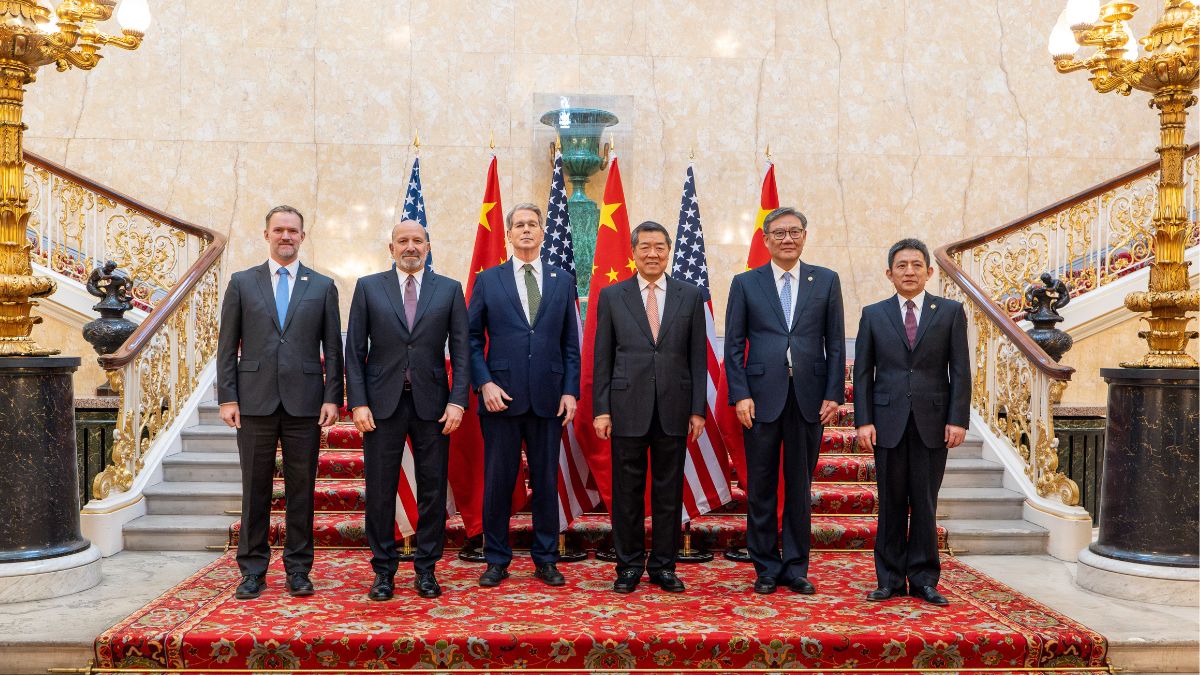 "'With China, it's always we verify': Trump's top aide on trade deal with Beijing")
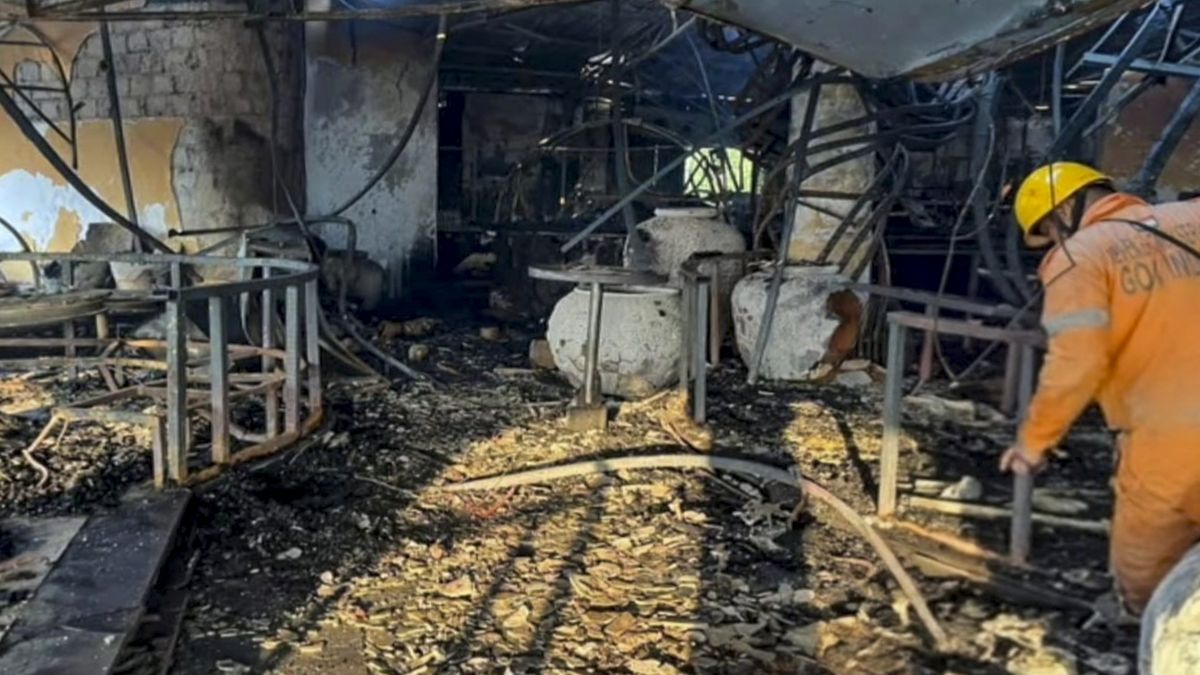 "Why the Goa nightclub fire, which killed 25, was so difficult to contain")
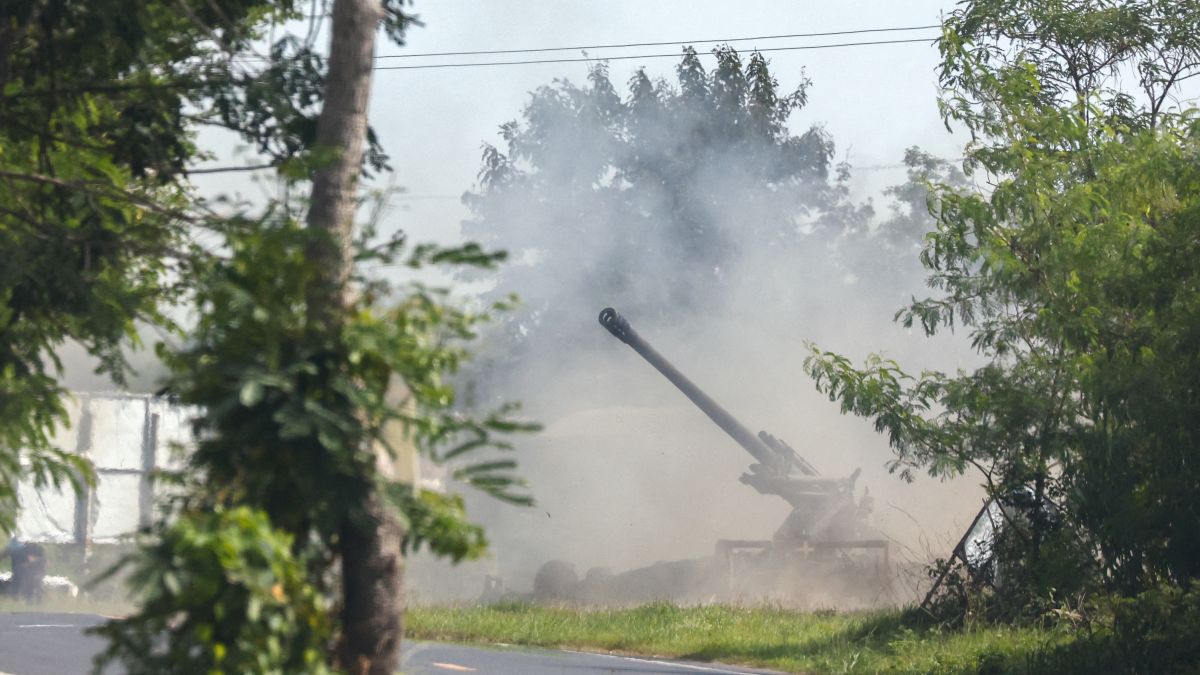 "Thailand launches airstrikes on Cambodia in a setback to Trump's ceasefire deal")
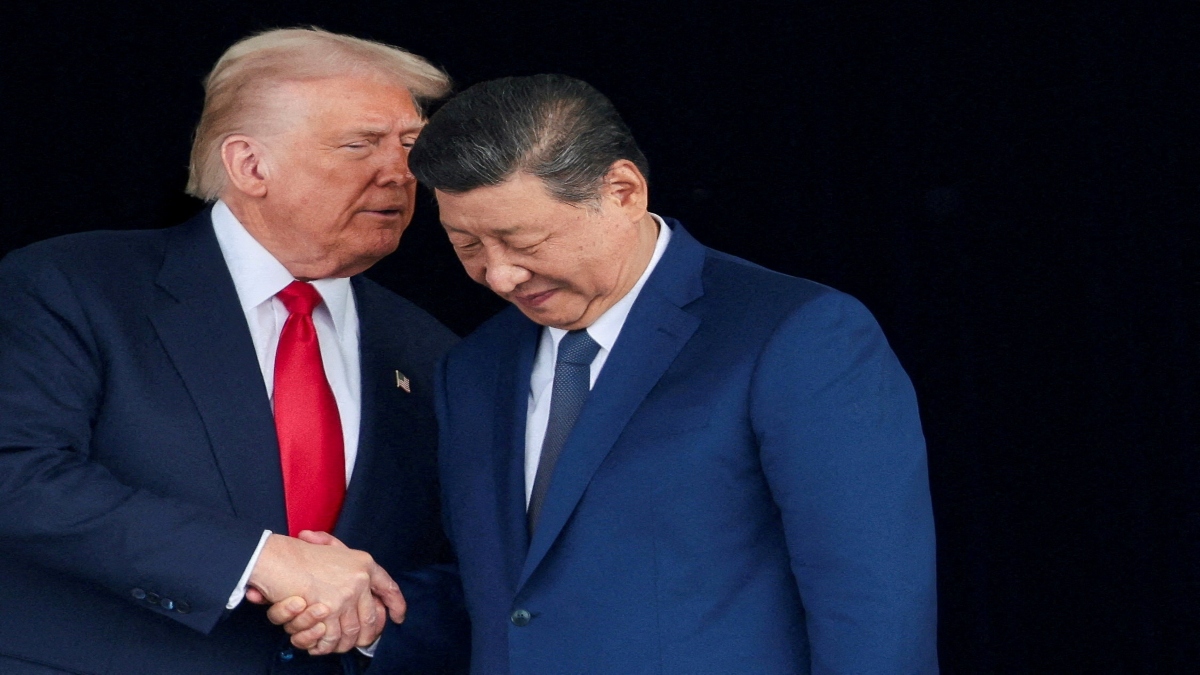 "'Not hawkish or dovish': 5 key things for Asia in Trump's new national security policy")
 "'With China, it's always we verify': Trump's top aide on trade deal with Beijing")
 "Why the Goa nightclub fire, which killed 25, was so difficult to contain")



