

 "Ramification | Putin in New Delhi: How India balances Russia, America, and its own interests")
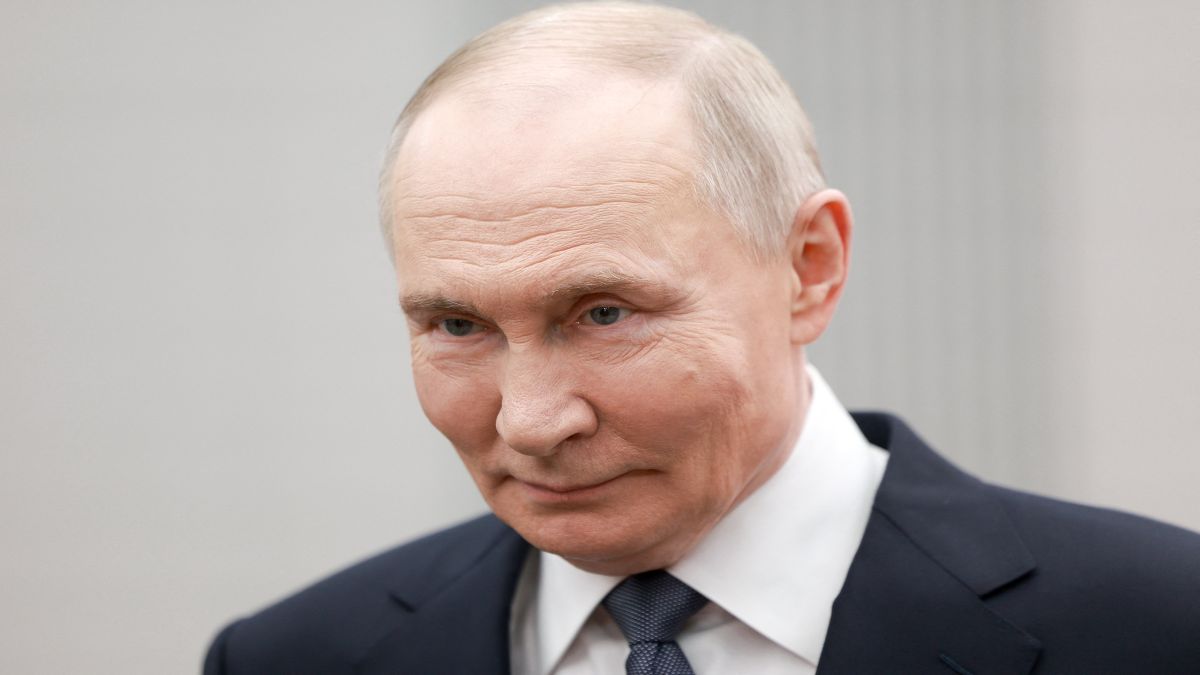
Vladimir Putin’s arrival in New Delhi comes at a moment when Russia is grappling with its most severe diplomatic isolation since the end of the Cold War. The prolonged war in Ukraine, layers of Western sanctions, and the contraction of Russia’s international partnerships have forced Moscow to lean heavily on a handful of major countries.
Among these, India stands out as the most strategically indispensable. For Russia, India is not simply a friendly nation; it is a political bridge to the non-Western world, a major importer of Russian defence equipment, and a vital market for crude oil that keeps Moscow’s revenues flowing despite restrictions elsewhere.
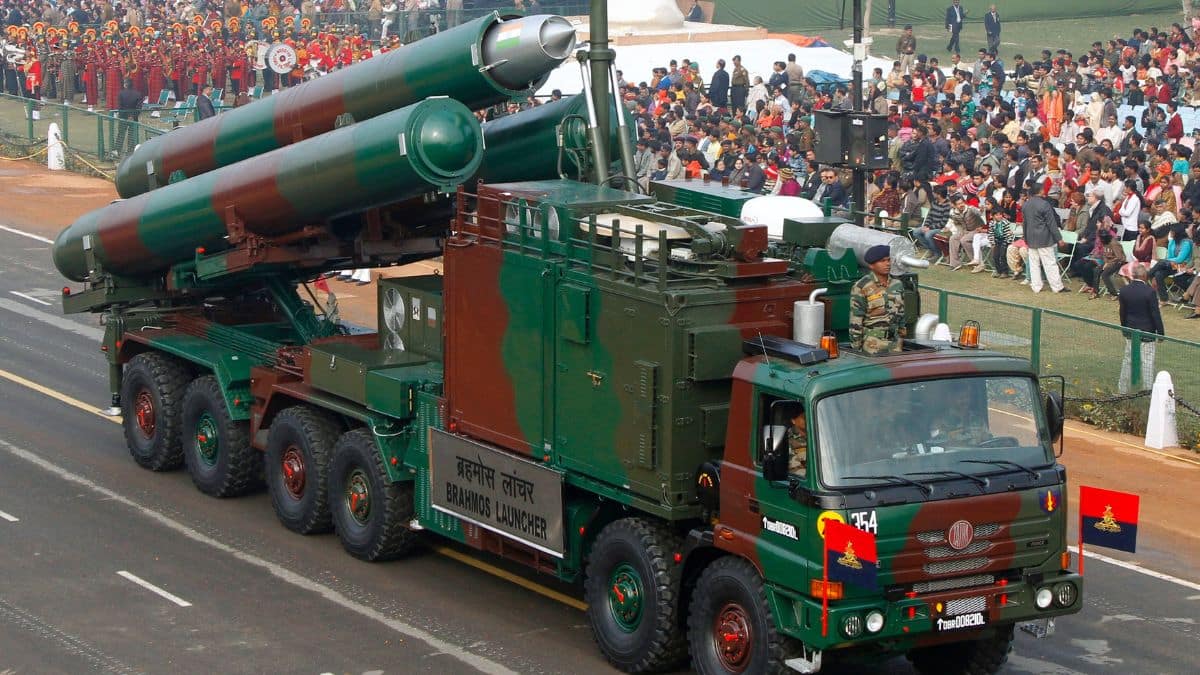
India, however, approaches this relationship from a position marked by both dependence and strategy. India continues to rely on Russia for a large chunk of its military inventory. Spare parts, maintenance lines, and long-term defence projects—from nuclear submarines to anti-missile systems—all still run through Moscow. Russia also remains a key supplier of discounted oil at a time when India’s energy demand is surging. This also means India’s operational readiness is still closely tied to Russian supply chains for spare parts, overhauls, and upgrades.
But reliance on a sanctioned Russia also exposes India to strategic vulnerability. Delays in spare-part deliveries, potential supply disruptions, and Russia’s growing military-economic partnership with China have all heightened New Delhi’s concerns. India recognises that it must preserve the relationship, yet prevent the risks from becoming liabilities. Putin’s visit, therefore, serves as a moment for India to reinforce continuity while quietly securing its interests and reducing future uncertainties. After all, it was in the recently concluded Shanghai Cooperation Organisation Summit in Tianjin that the world saw the display of trust and camaraderie between President Putin and Prime Minister Narendra Modi.
On the other hand, the United States is watching the visit with close attention. US-India ties have grown dramatically in recent years: more joint military exercises, deeper intelligence coordination, expanded defence technology cooperation, shared Indo-Pacific objectives, and flourishing scientific and commercial linkages. Washington increasingly sees India as a crucial balancing force against China’s rise. With this strategic convergence, however, has come an expectation that India should gradually distance itself from Moscow.
New Delhi has shown no inclination to meet this expectation.
When Western capitals urged India to cut back on Russian oil imports, Indian officials highlighted that much of Europe was still purchasing larger volumes. When sanctions were discussed in connection with Russian arms transactions, India continued implementing the S-400 air defence deal as planned. And on the diplomatic front, India has consistently avoided joining Western efforts to isolate Russia. The pattern is unmistakable: India will not let external pressure override what it perceives as core national interests.
This posture complicates Washington’s strategic calculus. The US needs India as a central pillar of Indo-Pacific stability, yet it cannot demand that India sacrifice its long-standing ties with Russia. For New Delhi, the question has never been whether to choose Washington over Moscow, but how to maintain both relationships without damaging either. The real challenge lies in managing the shifting dynamics between Russia and China. Moscow’s tightening embrace of Beijing, shaped by wartime necessity and economic dependence, has created new anxieties for India. The very country that supplies India’s critical military hardware is drawing closer to India’s primary strategic rival.
This triangular equation makes Putin’s visit all the more significant.
From Russia’s point of view, the objectives are straightforward: first, retain India as a major economic partner; second, reinforce defence cooperation; and third, demonstrate to the world that Russia is not internationally isolated.
For India, the goals are more carefully balanced. New Delhi wants firm commitments that defence supplies will remain stable despite Russia’s own constraints. It seeks to strengthen co-production channels within India to reduce long-term dependency. And it wants reassurance that Moscow’s growing relationship with Beijing will not compromise Indian interests in the future.
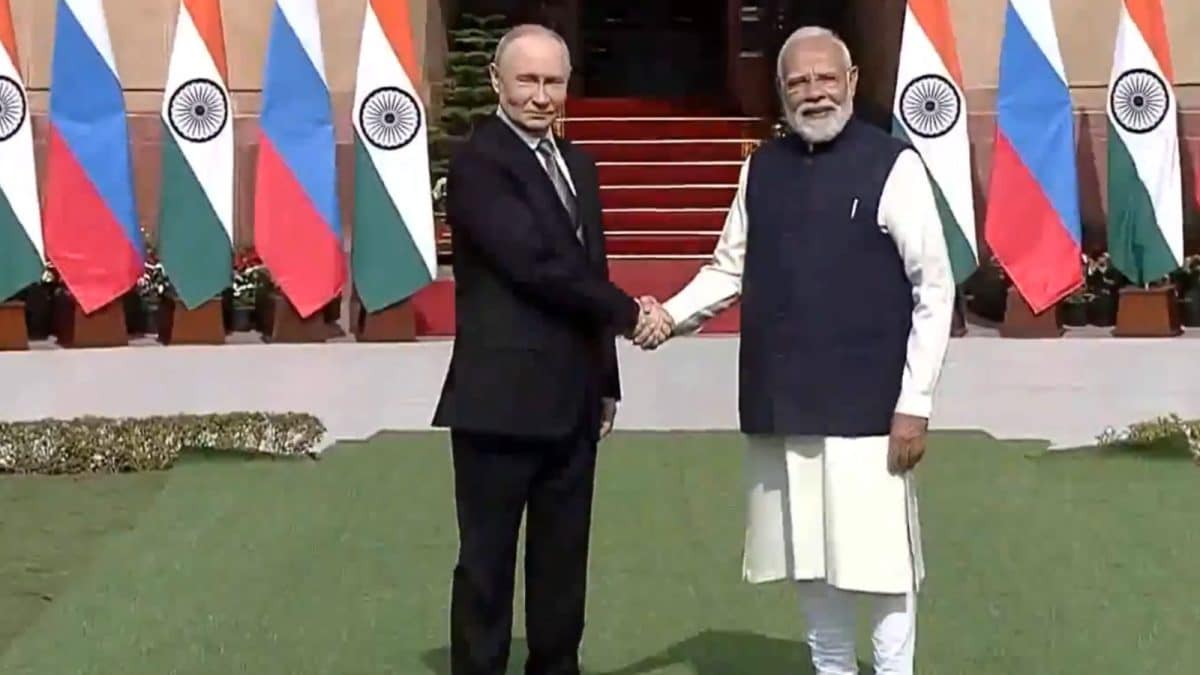
But beyond the practical outcomes, the visit is mostly about signalling. New Delhi wants to project that it follows an independent foreign policy—one that cannot be confined to Western expectations. The optics of Prime Minister Modi hosting Putin serve as a reminder of India’s longstanding tradition of strategic autonomy, a posture that is not anti-Western or pro-Russian, but firmly pro-Indian.
At the same time, India will make sure Washington understands that this engagement with Moscow does not imply any weakening of its partnership with the United States. India’s deepening ties with the US in technology, maritime cooperation, supply-chain resilience, and defence modernisation are long-term priorities. The message New Delhi sends to Washington is subtle but clear: sustaining relations with Russia is a matter of necessity, not ideological affinity or geopolitical drift.
For American policymakers, this can be frustrating, but it is increasingly a reality they must accept. India is too important for Washington’s strategic plans in Asia—particularly in dealing with China—to allow disagreements over Russia to damage the broader relationship. The US is learning that India will be a committed partner, but not a subordinate one.
As for the concrete outcomes of the Putin–Modi meeting, they are likely to be incremental rather than transformative. Agreements may cover defence servicing, energy logistics, and trade mechanisms designed to bypass sanctions-related obstacles. But the deeper significance lies not in the specifics, but in the reaffirmation of India’s foreign policy doctrine: it will continue purchasing Russian oil where it serves economic needs, diversify its defence sources where necessary, deepen its strategic engagement with the United States, and remain firmly committed to non-alignment—or, in today’s vocabulary, multi-alignment.
In an international environment marked by fractures, rivalries, and upheavals, India’s foreign policy is not improvisational. It is calculated, reasoned, and rooted in national interest. It seeks advantages from all major centres of power while avoiding entanglement in any single camp.
As Putin walks the corridors of Hyderabad House and Washington analyses the optics from afar, one reality becomes unmistakable: India is no longer a peripheral player reacting to geopolitical shifts. It is an active shaper of the emerging global order, on its own terms and at its own pace. The landmark visit is underscored by Prime Minister Modi’s words: “India’s foreign policy is guided by its national interest.”
(Rami Niranjan Desai is a scholar of the northeast region of India. She is a columnist and author and presently Distinguished Fellow at India Foundation, New Delhi. Views expressed in the above piece are personal and solely those of the author. They do not necessarily reflect the views of Firstpost.)

 "Putin India Visit LIVE Updates: India and Russia sign Vision 2030 to boost economic cooperation, explore FTA with EEU, says PM Modi")
 "India, Russia agree to boost trade, investments after Modi-Putin talks")
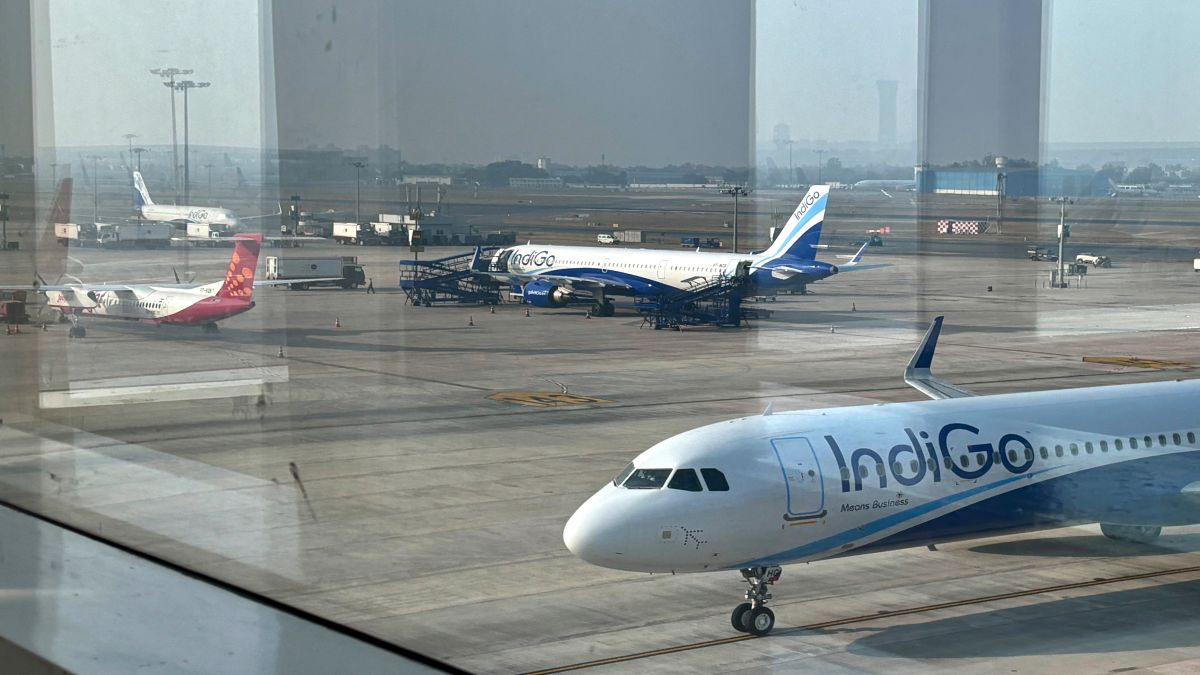 "DGCA puts new pilot rest rule behind IndiGo flight cancellations on hold")
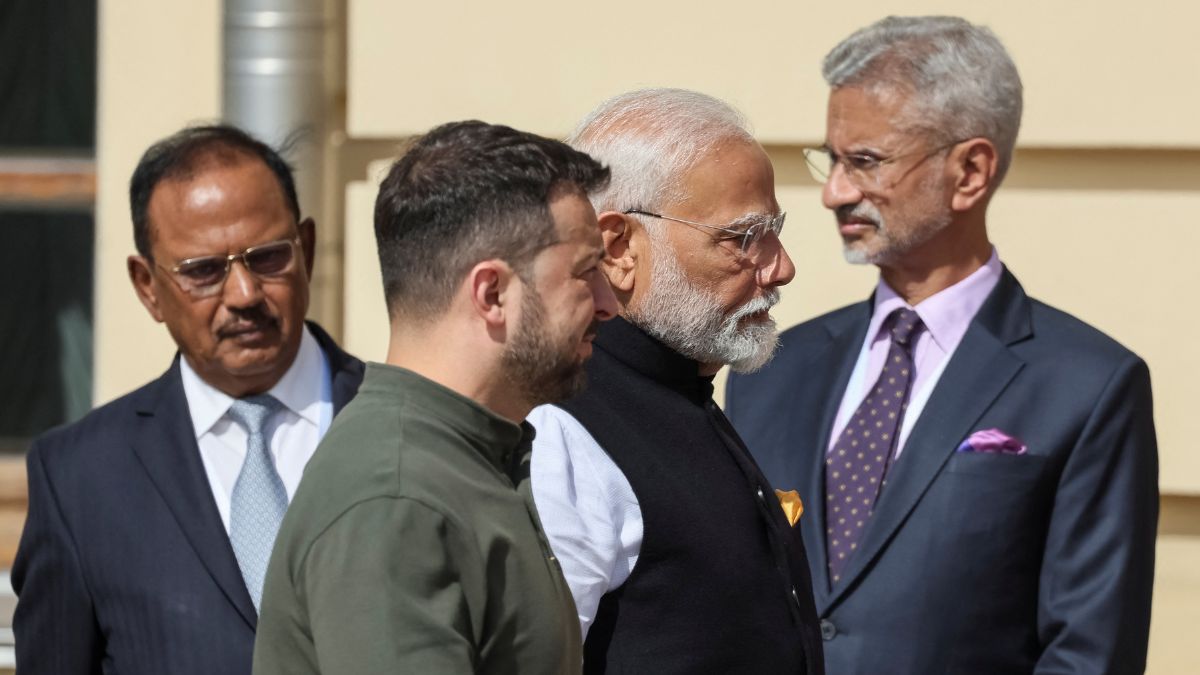 "'India is not neutral...': How Modi's diplomacy has triumphed amid the Russia-Ukraine war")
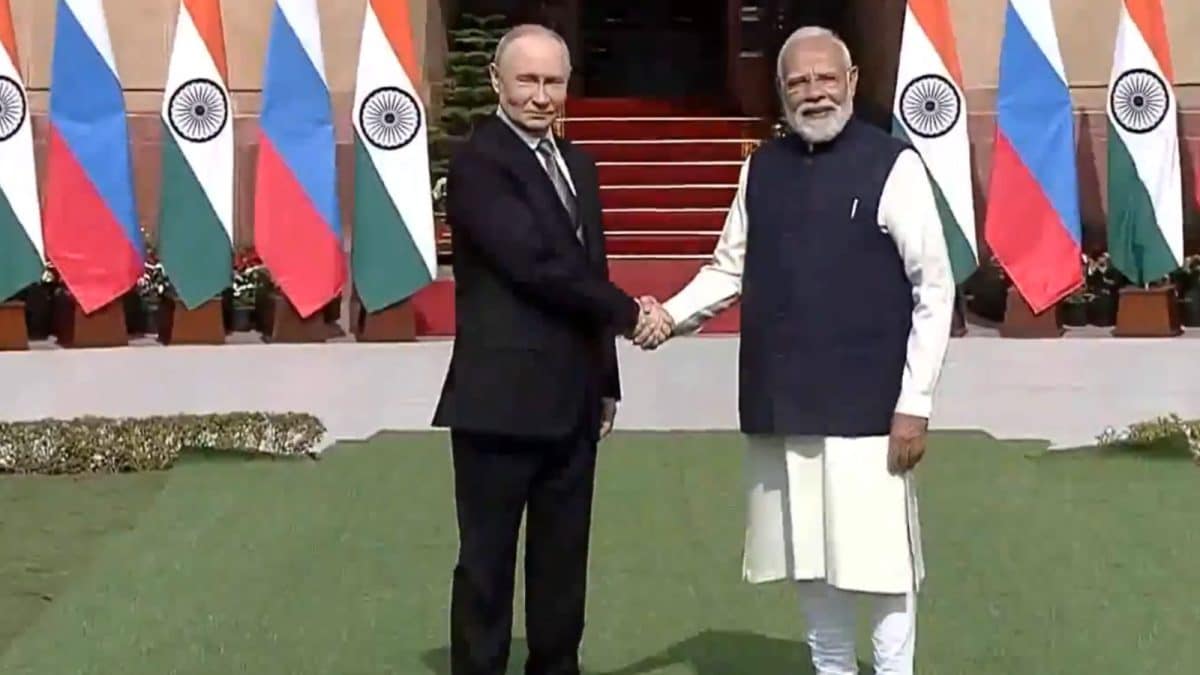 "Putin India Visit LIVE Updates: India and Russia sign Vision 2030 to boost economic cooperation, explore FTA with EEU, says PM Modi")
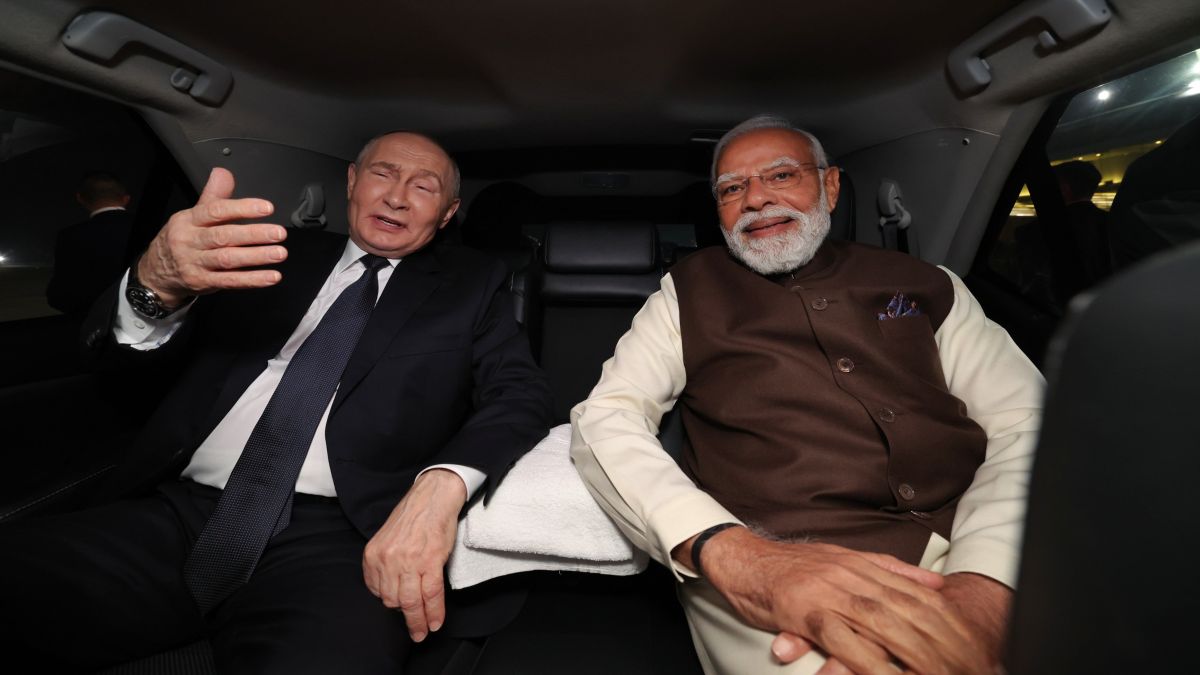 "India, Russia agree to boost trade, investments after Modi-Putin talks")
 "DGCA puts new pilot rest rule behind IndiGo flight cancellations on hold")
 "'India is not neutral...': How Modi's diplomacy has triumphed amid the Russia-Ukraine war")



