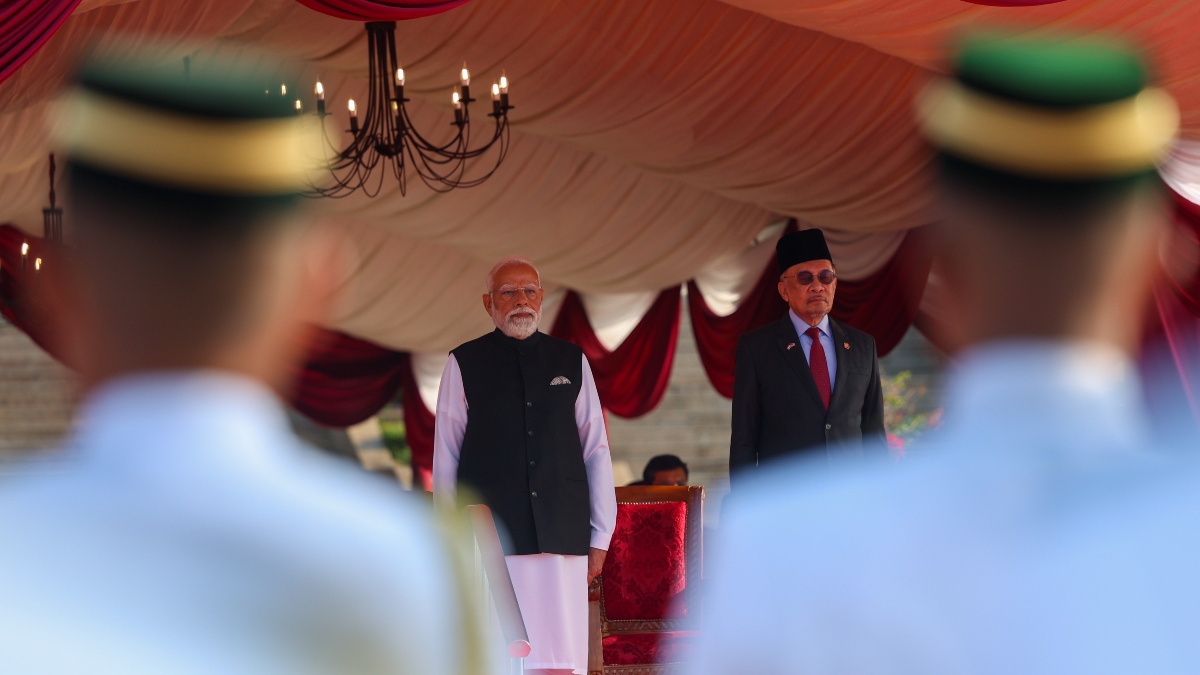
 "PM Modi's Malaysia visit: A diplomatic catch-up or a strategic reset?")
Prime Minister Narendra Modi’s stand-alone visit to Malaysia in February 2026, his first overseas visit of the year and his third to the country, carried symbolism well beyond protocol. It came after a seven-year gap and was framed as a fulfilment of a promise made when Modi could not attend the India-Asean and East Asia Summits during Malaysia’s Asean chairmanship in 2025. In Kuala Lumpur, this punctuality mattered. It signalled trustworthiness and respect for Malaysia’s regional role. Yet the visit also exposed the limits of India-Malaysia convergence in a region increasingly shaped by China, competing trade blocs, and fractured Asean consensus.
At one level, the visit underscored continuity. Since Anwar Ibrahim became prime minister, engagement with India has gained momentum. Anwar visited India in 2024, and Malaysia joined a growing list of Asean countries, including Indonesia and the Philippines, seeking deeper bilateral ties with New Delhi under India’s evolving “Asean Plus” approach. This reflects India’s realisation that Asean unity is often more aspirational than real and that progress now depends on working with willing partners rather than waiting for collective decisions.
Economically, Malaysia occupies a distinctive place in India’s Act East policy. It is neither India’s largest Asean trading partner (that distinction belongs to Singapore and Indonesia) nor its most dynamic manufacturing hub, like Vietnam or Thailand. But Malaysia combines Singapore’s technological sophistication with Indonesia’s commodity strength, particularly as a major supplier of palm oil. The shift in the bilateral agenda toward vehicles, railways, semiconductors, digital payments, and supply chains suggests an attempt to move the relationship beyond raw materials and into higher-value sectors. The efforts to link with the Malaysian semiconductor supply chain and enhance infrastructure and the digital economy are noteworthy. Green hydrogen, renewable energy, railways and local currency trading are good initiatives.
The numbers, however, reveal modest ambition so far. Bilateral trade hovers around $20 billion and two-way FDI around $5 billion, below India’s engagement with other Asean economies. Malaysian firms have invested consistently in Indian infrastructure, FMCG, and technology, and the CEO Forum held during the visit pointed to new opportunities. Yet there remains a gap between potential and performance. The visit produced a large basket of MoUs — digital payments, semiconductors, disaster management, health, vocational education, and social security for Indian workers — but such agreements are only as meaningful as their implementation. India’s experience with Asean is replete with declarations that outpaced delivery.
Quick Reads
View AllThe unresolved issue of the Asean-India Trade in Goods Agreement (AITIGA) review belied Indian hopes that Malaysia’s Asean chairmanship in 2025 would push the review to completion by December. That deadline was missed. Malaysia, despite being chair of the review committee, did not act assertively, possibly constrained by Asean’s lack of consensus, possibly unwilling to invest political capital that risked internal friction. The outcome is paradoxical: while India negotiates new FTAs with the EU, GCC, EFTA, New Zealand, and Oman, it remains stuck with Asean, its closest geographic and strategic neighbours. Malaysia’s passivity on AITIGA contrasts sharply with its activism in launching an Asean-China-GCC trilateral initiative from which India was conspicuously excluded.
This exclusion matters. It highlights Malaysia’s careful hedging between India and China. On regional security, Malaysia remains cautious, particularly on the South China Sea. Unlike the Philippines or Vietnam, it avoids confrontational positions and has not taken a leadership role in the Code of Conduct negotiations. Defence cooperation with India continues through patrols and exercises, but deeper industrial collaboration remains stalled. The potential for shared maintenance and overhaul of Russian-origin aircraft has not yet materialised. India’s energetic pitch for the Tejas fighter aircraft failed to secure a deal. Zakir Naik remains a sore point.
These are not merely commercial setbacks; they reflect Malaysia’s reluctance to be seen as drifting too close to India in ways that might irritate China. This hesitancy also explains why Malaysia has not joined initiatives such as the International Solar Alliance (though it has now joined the International Big Cat Alliance) or the Indo-Pacific Oceans Initiative (IPOI), which Singapore, Vietnam, and the Philippines have embraced. Malaysia’s strategic instinct remains one of caution rather than alignment.
Internationally, Malaysia is asserting a more independent profile, sometimes even diverging from Indonesia. Its role as a Brics outreach partner and participation in India’s Brics presidency in 2026 point to this ambition. Yet Kuala Lumpur has been visibly annoyed that Indonesia leveraged an older invitation to become a full Brics member ahead of others. On geopolitical issues, Malaysia has refused to join Western-led initiatives such as Donald Trump’s “board of peace” and has taken a strong pro-Palestine stance, reinforcing its domestic political priorities.
Within Asean, Malaysia has been notably restrained on Myanmar and uncertain about the legitimacy of recent developments there, even as Thailand has taken the lead. This pattern of caution, consensus-seeking, and avoidance of bold leadership characterises Malaysia’s regional diplomacy and limits how far India can count on it as a strategic partner.
Yet the visit manifested an effort to build a partnership on functional cooperation despite strategic divergences. It showcased a new diplomatic style from the PMs. PM Ibrahim personally received Mofi at the airport; they travelled together in the same car and appeared jointly at the diaspora event. This “car diplomacy” goes beyond symbolism; it reflects Modi’s emphasis on personal rapport as a tool of statecraft. Such gestures build trust and familiarity, particularly in Southeast Asia, where leaders value informality and continuity as much as formal agreements. This could help build beyond the endemic anxieties.
The official talks were wide-ranging, covering trade, defence, maritime security, clean energy, start-ups, health, Ayurveda, education, and emerging technologies such as semiconductors and AI. Youth exchanges, university partnerships, and the opening of India’s first consulate in Malaysia signal an effort to deepen people-to-people ties; the delayed opening of an IIT in Malaysia is expected to be hastened. These softer dimensions of diplomacy may prove more durable than high-profile strategic initiatives.
Ultimately, Modi’s Malaysia visit was neither a breakthrough nor a disappointment. It was a diplomatic catch-up, stabilising a relationship that had drifted into routine and reasserting Malaysia’s importance within India’s Act East policy. The visit exposed structural limits: Asean’s paralysis on trade, Malaysia’s strategic caution, and India’s noting of being sidelined from new regional groupings. At the same time, it demonstrated that bilateralism can still advance even when multilateral frameworks stall. The new agenda is fulsome, with 10 listed outcomes, and the joint statement is not long but clearly aspirational.
The real test will lie in follow-through – whether MoUs translate into projects, whether trade rises meaningfully, and whether Malaysia feels confident enough to engage India without constantly glancing toward Beijing. The role of the private sector is critical in this perspective. For now, the visit reflects a relationship that is friendly, pragmatic, and cautiously ambitious but still far from strategic convergence. In that sense, Modi’s Kuala Lumpur diplomacy remains a careful step toward keeping doors open in an increasingly contested Indo-Pacific.
(The writer is a former ambassador to Germany, Indonesia, Ethiopia, Asean, and the African Union, and the author of ‘The Mango Flavour: India & Asean After 10 Years of the AEP’. The views expressed in the above piece are personal and solely those of the author. They do not necessarily reflect the views of Firstpost.)

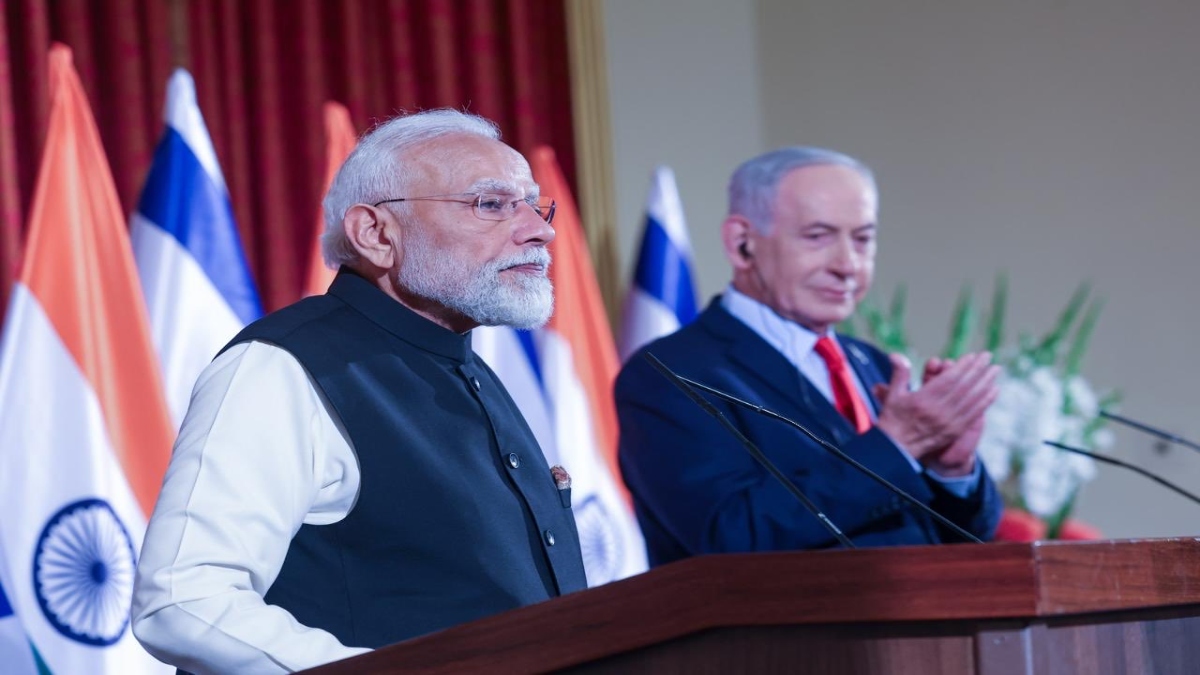 "India, Israel elevate ties to special strategic partnership; PM Modi calls it ‘reflection of aspirations of both nations’")
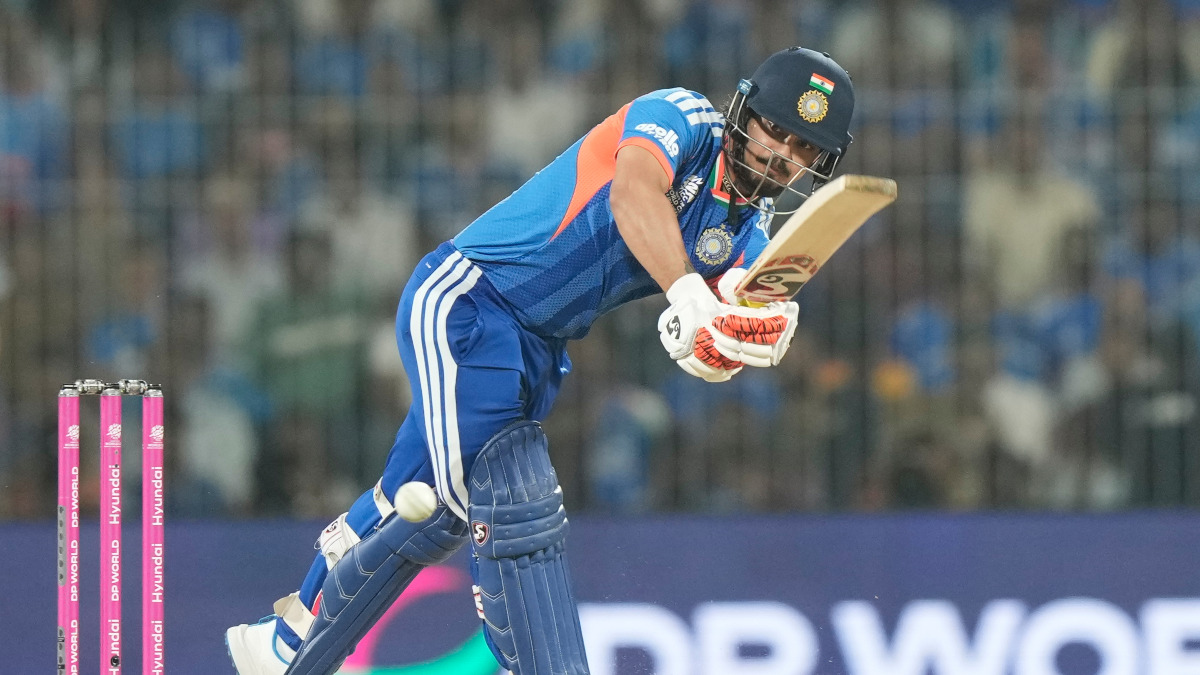 "India vs Zimbabwe LIVE Score, T20 World Cup 2026: Kishan falls for 38 after Abhishek completes fifty")
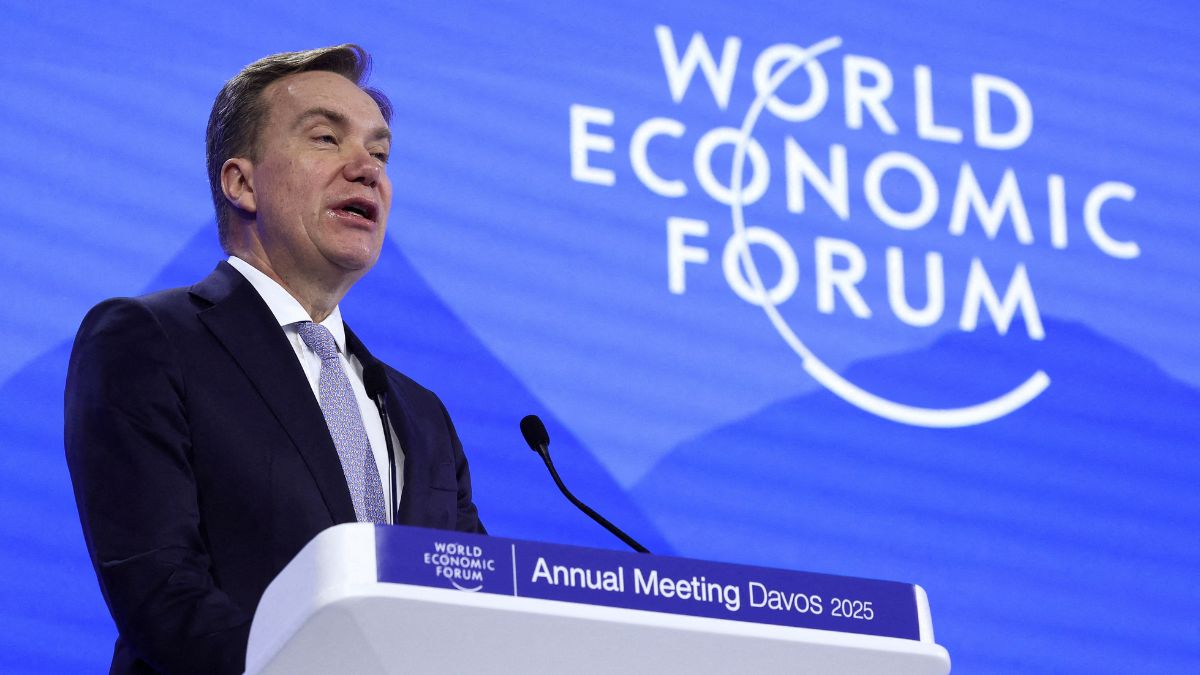 "Who is Borge Brende, World Economic Forum chief who quit over Epstein files?")
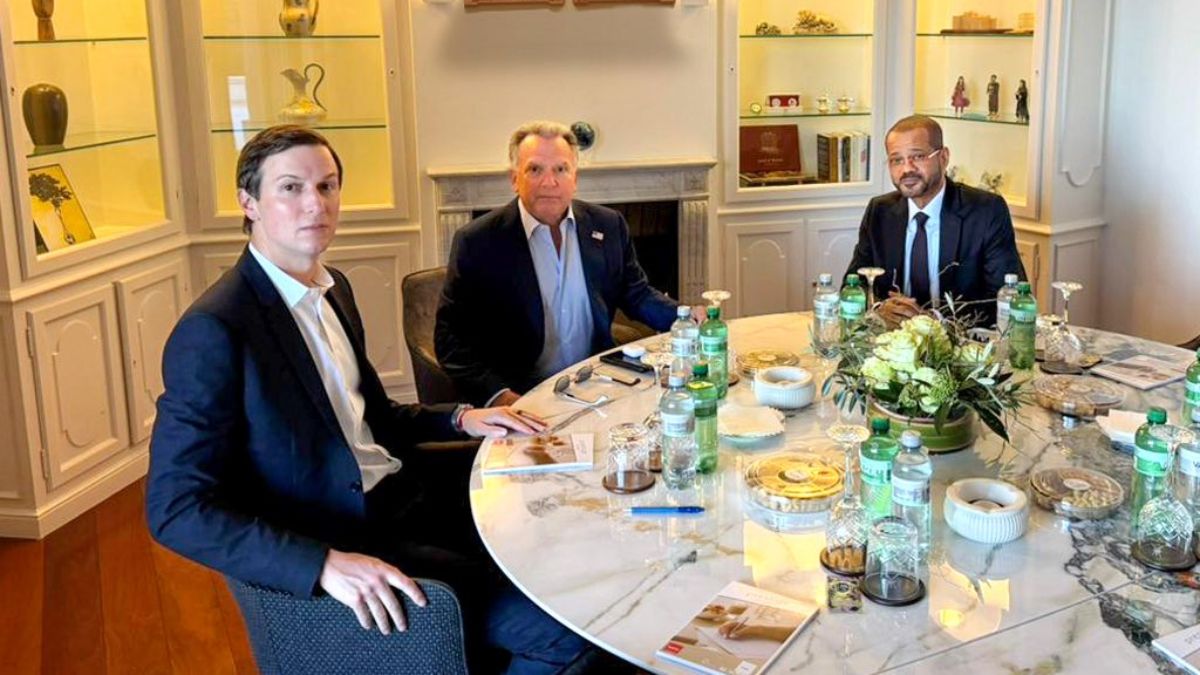 "US-Iran tension: Third round of nuclear talks begin in Geneva — can it avoid war?")
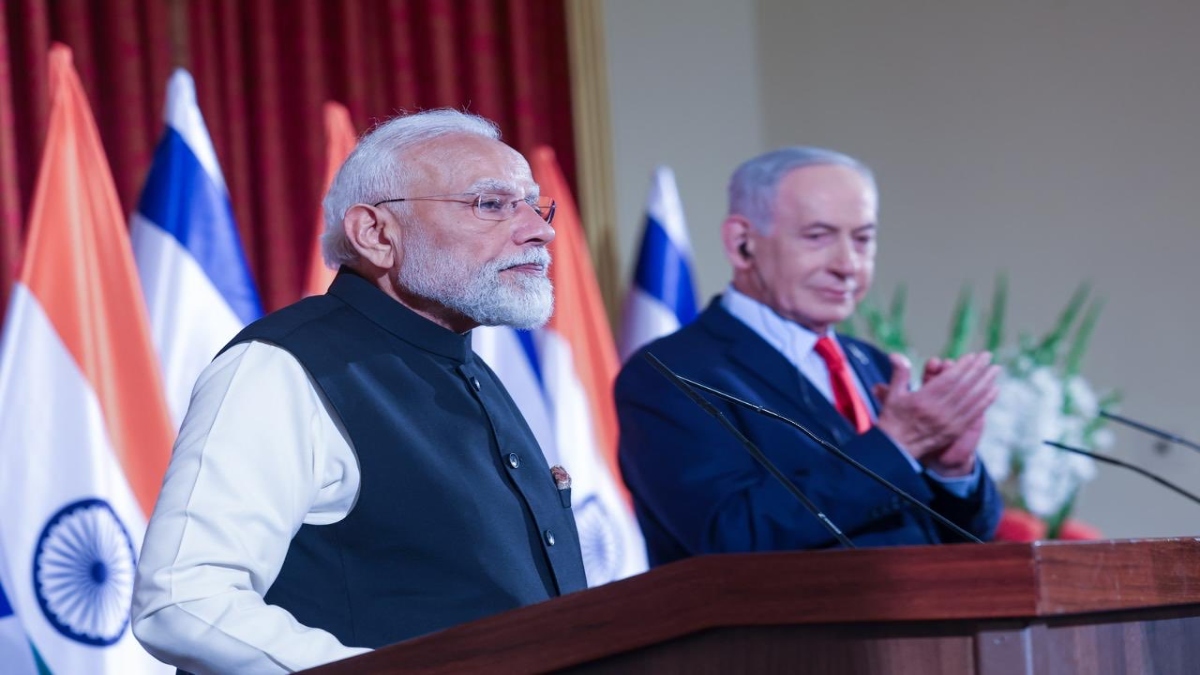 "India, Israel elevate ties to special strategic partnership; PM Modi calls it ‘reflection of aspirations of both nations’")
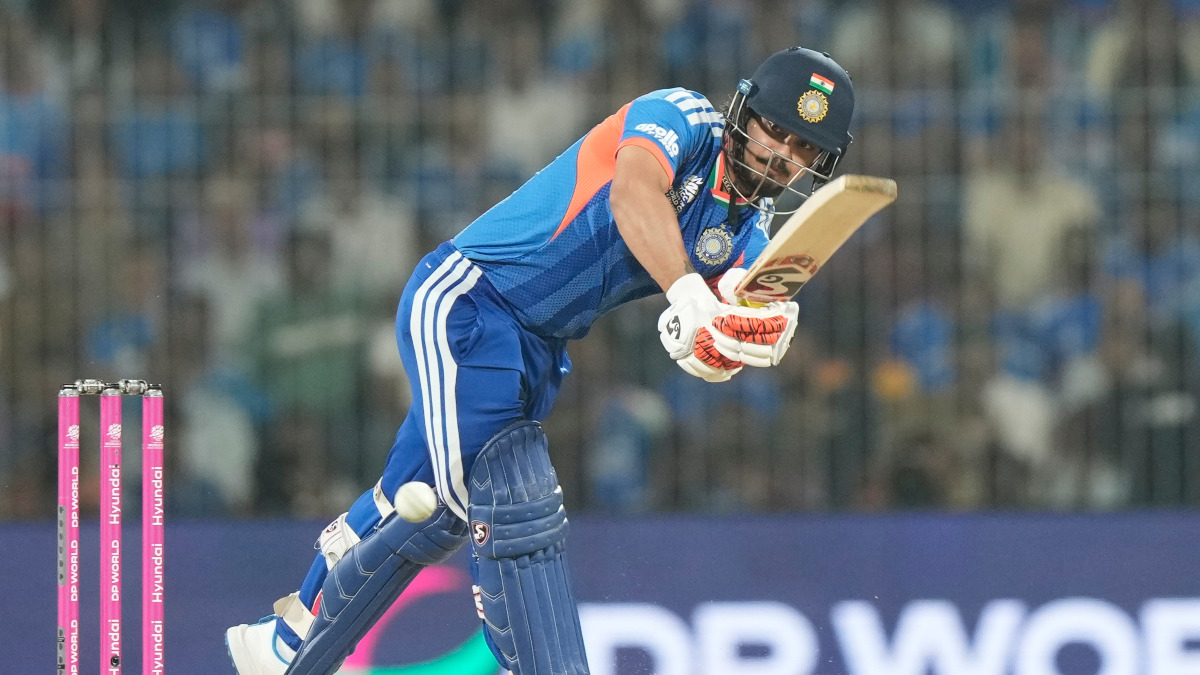 "India vs Zimbabwe LIVE Score, T20 World Cup 2026: Kishan falls for 38 after Abhishek completes fifty")
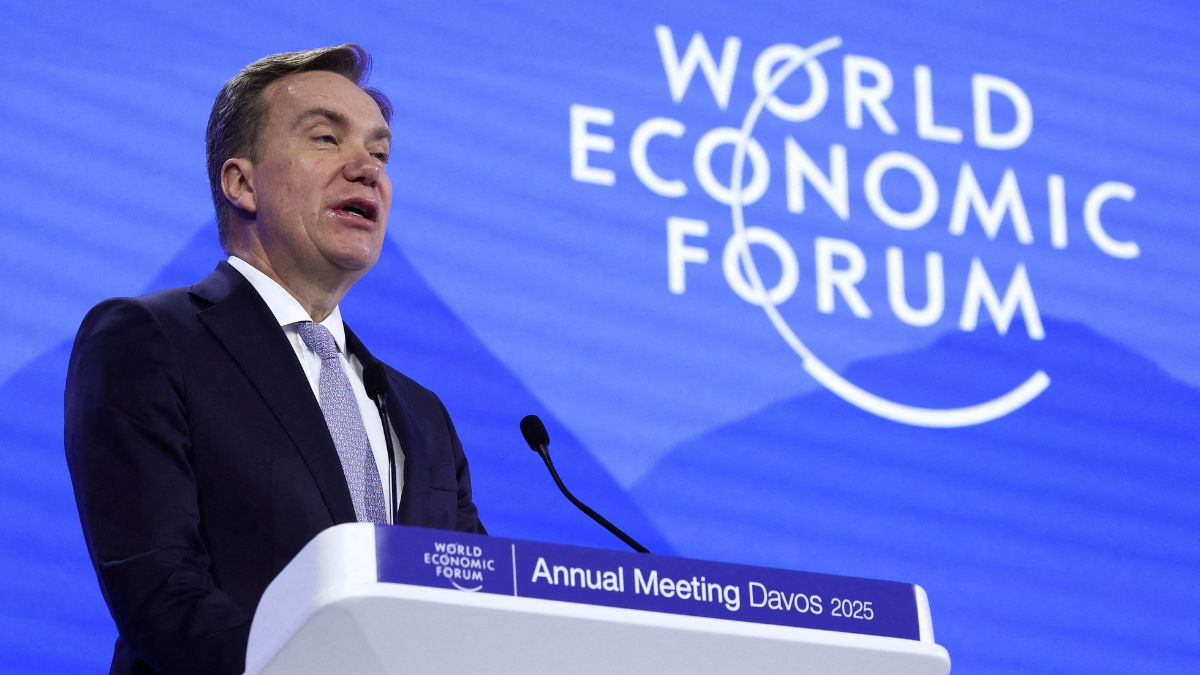 "Who is Borge Brende, World Economic Forum chief who quit over Epstein files?")
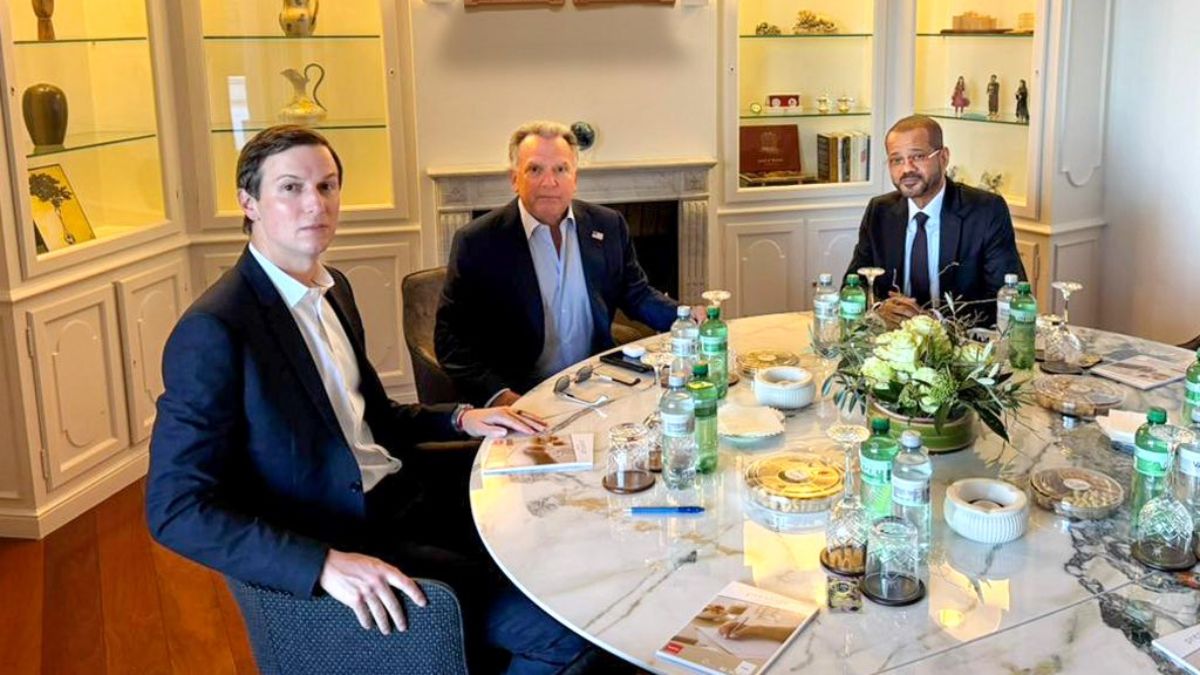 "US-Iran tension: Third round of nuclear talks begin in Geneva — can it avoid war?")