

 "How PM Modi’s Ethiopia visit revitalised India’s Africa outreach and Global South cooperation")
Prime Minister Narendra Modi’s December 2025 visit to Ethiopia marked a watershed moment in India-Africa relations and, more specifically, in India-Ethiopia ties. It was not merely a ceremonial visit, nor only an exercise in historical goodwill.
Instead, it represented the conscious elevation of a long-standing, people-centric relationship into a forward-looking strategic partnership, anchored in development cooperation, security, technology, and a shared vision for the Global South.
The prime minister’s address to a joint session of the Ethiopian Parliament, admired by a long-standing ovation, underscored both the civilisational depth of the relationship and the practical roadmap for its future.
Cementing a Strategic Partnership
The most consequential outcome of the visit was the elevation of bilateral ties to the level of a strategic partnership. This reflects the maturity of India-Ethiopia relations and acknowledges Ethiopia’s rising geopolitical and economic significance in Africa. With a population of nearly 130 million, one of Africa’s fastest-growing economies, and its role as a diplomatic hub hosting the African Union, Ethiopia is central to Africa’s political and strategic landscape.
For India, the partnership provides a trusted anchor in the Horn of Africa, a region marked by instability but also strategic opportunity. For Ethiopia, India offers a development partner that brings technology, capacity building, and investment without political conditionalities. The strategic partnership framework institutionalises cooperation across trade, defence, technology, health, education, and global governance, giving political direction and continuity beyond individual projects.
Economic and Developmental Gains
A major achievement of the visit was the reaffirmation and expansion of economic cooperation. Indian companies are already among the largest foreign investors in Ethiopia, with investments exceeding $5 billion and generating over 75,000 local jobs.
Quick Reads
View AllModi’s interactions highlighted India’s readiness to deepen this engagement, particularly in manufacturing, textiles, pharmaceuticals, agriculture, mining, and renewable energy. A separate meeting with the Indian business community would’ve been encouraging, but a packed schedule prevented such a meeting.
The signing of the Agreement on Cooperation and Mutual Administrative Assistance in Customs Matters is a practical step to facilitate trade, improve transparency, and reduce transaction costs. It signals an intent to move beyond goodwill to the nuts and bolts of economic integration.
Equally significant was the MoU on debt restructuring under the G20 Common Framework, which provides Ethiopia much-needed fiscal space and underscores India’s responsible role as a development partner sensitive to African economic realities. Ethiopia has been among the main users of Indian lines of credit in Africa.
Technology and Digital Public Infrastructure
One of the most forward-looking dimensions of the visit was cooperation in digital public infrastructure (DPI). Modi highlighted India’s experience in building inclusive, scalable digital systems for identity, payments, and service delivery. Ethiopia’s decision to partner with India for establishing a data centre at its Ministry of Foreign Affairs reflects trust in India’s technological capabilities and governance model.
As Ethiopia advances its Digital Ethiopia 2025 Strategy, India’s support in digital governance, fintech, artificial intelligence, and e-government can be transformative. This cooperation goes beyond technology transfer; it is about sharing a development philosophy that uses digital tools to empower citizens, reduce corruption, and enhance state capacity. In strategic terms, it positions India as a norm-setter in digital development in Africa.
Education, Skills, and Human Capital
Education and capacity building formed the moral and emotional core of the visit. Prime Minister Modi’s speech paid tribute to generations of Indian teachers who contributed to Ethiopia’s education system long before large-scale development assistance became fashionable. Building on this legacy, India announced the doubling of ICCR scholarships for Ethiopian students and specialised short-term courses in artificial intelligence under the ITEC programme. Ethiopia has over 900 PhD students in India. Ethiopia was the crucible where the Pan African e-network project had its pilot run.
These measures directly invest in Ethiopia’s youth and align with Africa’s Agenda 2063 and India’s Viksit Bharat 2047 vision. By focusing on skills, technology, and human capital, India positions itself as a long-term partner in Ethiopia’s transformation rather than a short-term commercial actor.
Health and Social Sector Cooperation
Healthcare cooperation was another tangible achievement. India’s commitment to augment the capacity of the Mahatma Gandhi Hospital in Addis Ababa, particularly in maternal and neonatal care, reflects a people-centric approach. India’s role as the “pharmacy of the world” and its support to Ethiopia during the Covid-19 pandemic—when it supplied over four million vaccine doses—were recalled as examples of solidarity in times of crisis. The hospital was provided to the city of Addis Ababa by the Indian community in 1948. An eye clinic was also provided by Indian companies in 2010.
The expansion of cooperation in pharmaceuticals, telemedicine, traditional medicine, and healthcare training strengthens Ethiopia’s health security while reinforcing India’s reputation as a reliable humanitarian partner.
Defence, Security, and Peacekeeping
Strategically, the visit consolidated defence and security cooperation. Ethiopia’s location at the crossroads of Africa and India’s central role in the Indian Ocean make them natural partners in regional stability. The implementing arrangement for cooperation in UN peacekeeping training builds on both countries’ strong peacekeeping traditions and reinforces their commitment to multilateral security.
Prime Minister Modi’s appreciation of Ethiopia’s solidarity against terrorism and the emphasis on “zero tolerance” for terrorism add a clear political dimension to security cooperation. In a volatile region, such alignment enhances mutual trust and strategic convergence.
Global South and Multilateral Cooperation
Beyond bilateral gains, the visit had broader geopolitical implications. Both leaders reaffirmed their commitment to amplifying the voice of the Global South and reforming global governance institutions to reflect contemporary realities. Ethiopia’s recent entry into Brics and India’s support for its membership in the New Development Bank strengthen South-South cooperation. Modi invited Ethiopian Prime Minister Abiy Ahmed Ali to the artificial intelligence summit in February and the Brics summit later this year.
Modi’s references to the African Union’s inclusion in the G20 and India’s support for Africa’s rightful place in global decision-making underline a shared vision: a multipolar world where development priorities of the Global South are not marginalised.
Civilisational and Symbolic Resonance
The Prime Minister’s address to the Ethiopian Parliament was rich in symbolism, drawing parallels between ancient civilisations, shared values, and democratic aspirations. References to Adwa, Vasudhaiva Kutumbakam, Medemer (a book by Abiy), and environmental stewardship through initiatives like the Green Legacy and “Ek Ped Maa Ke Naam” reinforced the idea that the partnership is rooted as much in values as in interests.
This narrative dimension matters. It builds domestic legitimacy in both countries and ensures that the strategic partnership resonates with citizens, not just elites.
Conclusion
Prime Minister Modi’s visit to Ethiopia achieved far more than a set of agreements or ceremonial honours. It elevated a historically warm relationship into a structured strategic partnership with clear political direction, economic substance, and moral purpose. By combining development cooperation, technological collaboration, security engagement, and a shared Global South vision, India and Ethiopia have positioned themselves as partners in shaping a more equitable international order.
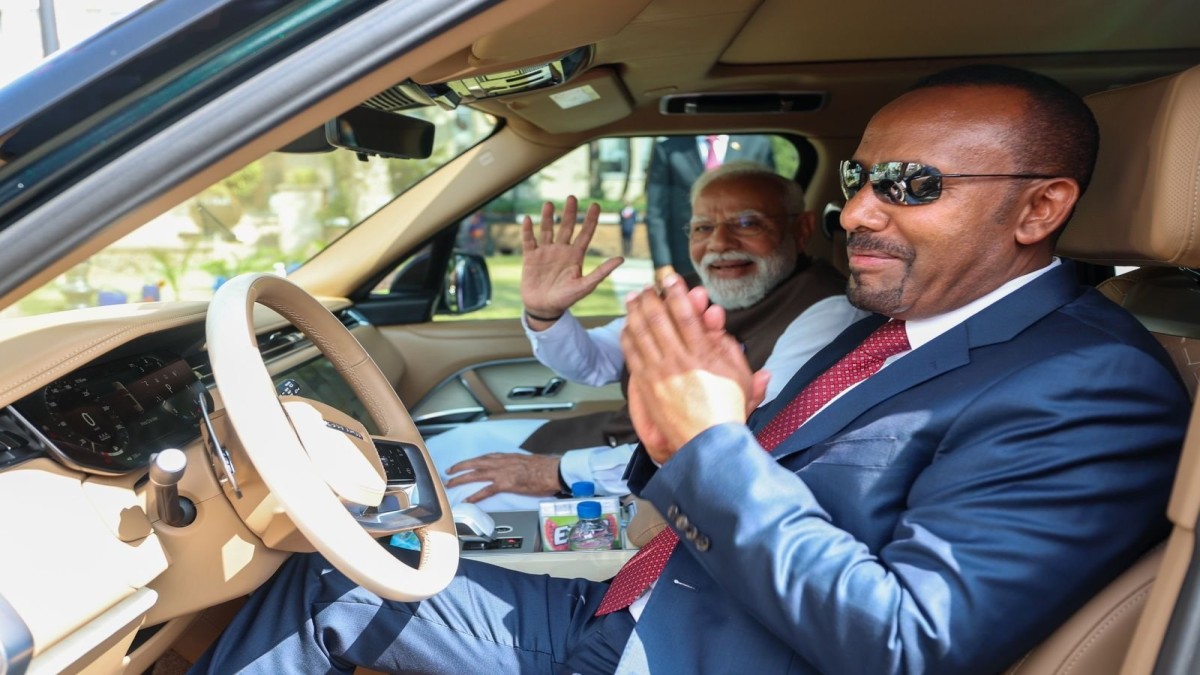
Abiy’s warm gestures in personally receiving Modi at the airport, driving him to places and seeing him off were noticeable. The award of the Great Honour Nishan to Modi was symbolic of the mutual respect of Ethiopia for India.
In an era of uncertainty and fragmentation, the India-Ethiopia strategic partnership stands out as a model of South-South cooperation rooted in trust, equality, and long-term thinking that could shape bilateral and regional dynamics for years to come.
(The writer is a former ambassador to Germany, Indonesia, Ethiopia, Asean, and the African Union, and the author of ‘The Mango Flavour: India & Asean After 10 Years of the AEP’. The views expressed in the above piece are personal and solely those of the author. They do not necessarily reflect the views of Firstpost.)

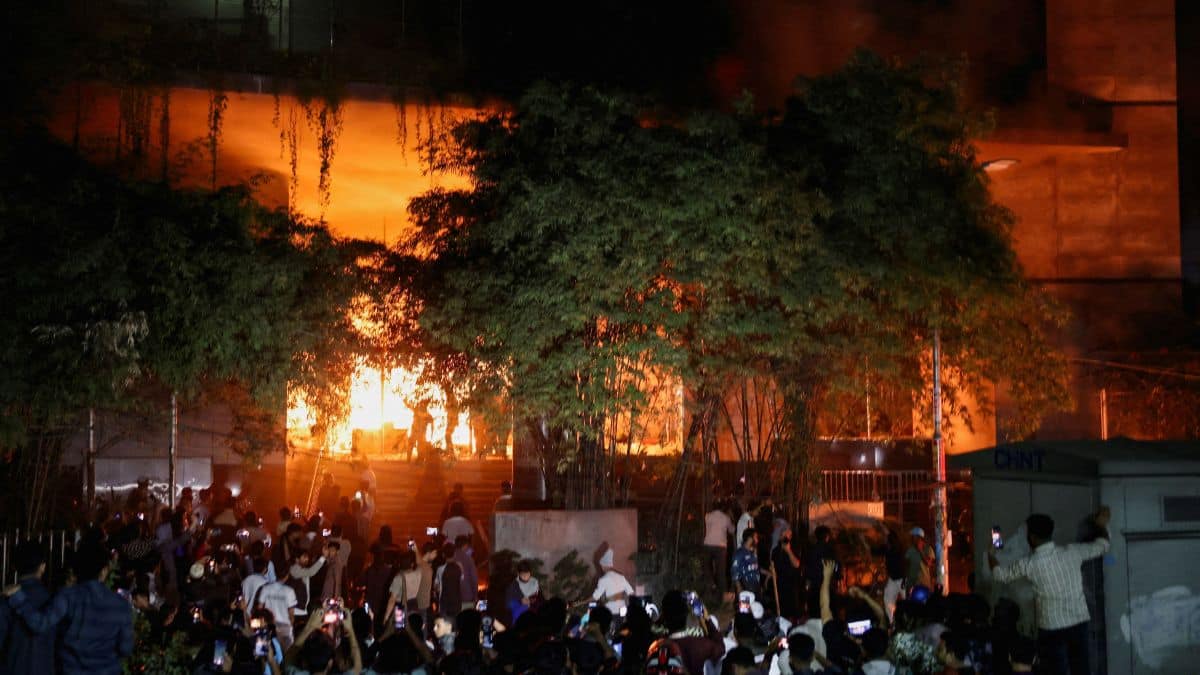
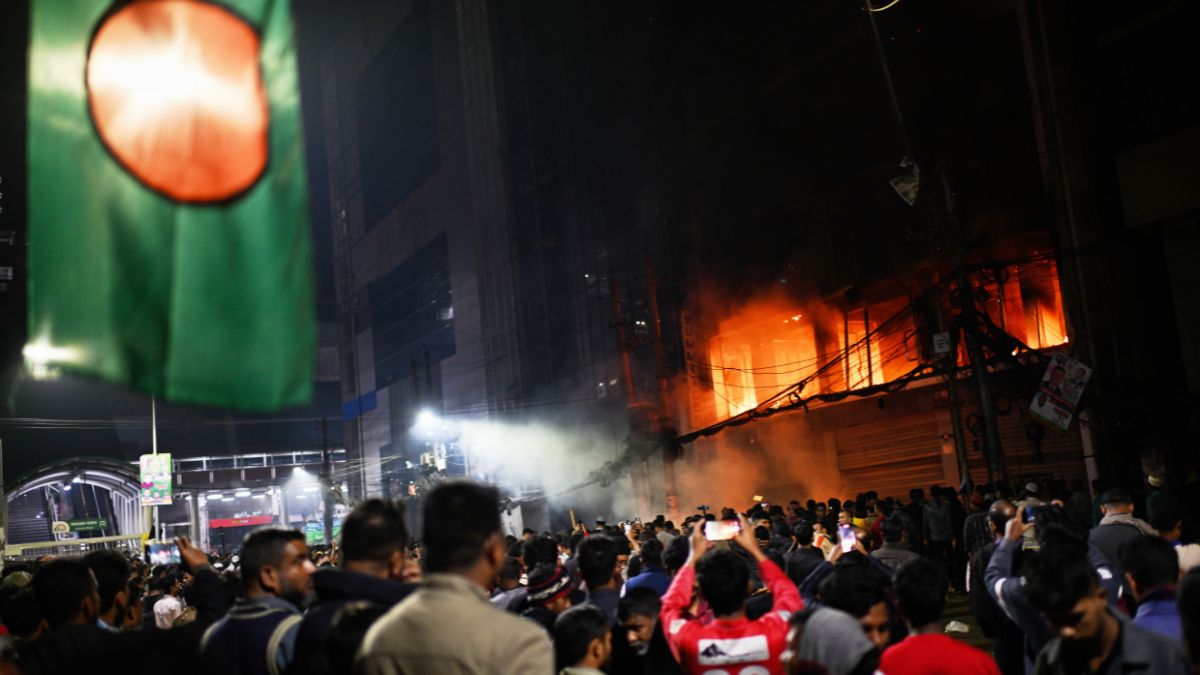 "Bangladesh Protests Live: ‘There’s no law & order, Yunus is backing them’, says ex-minister as mobs go on rampage")
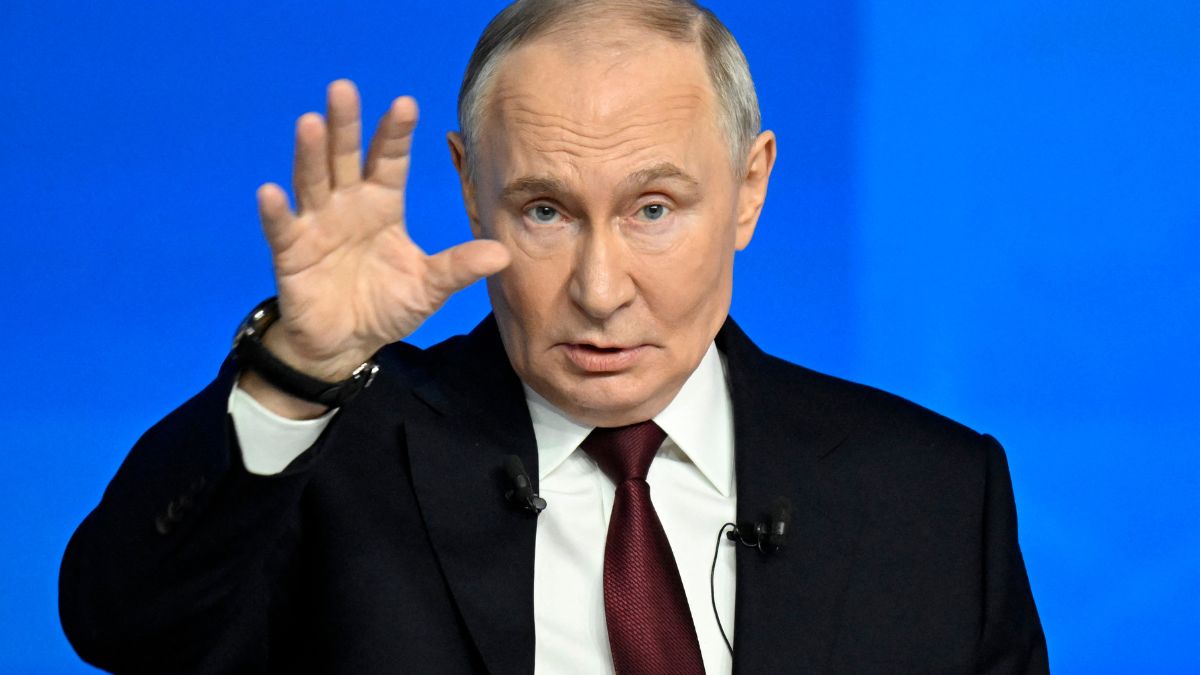 "'Don't see readiness for peace': Putin blames Ukraine for no progress on ceasefire dea")
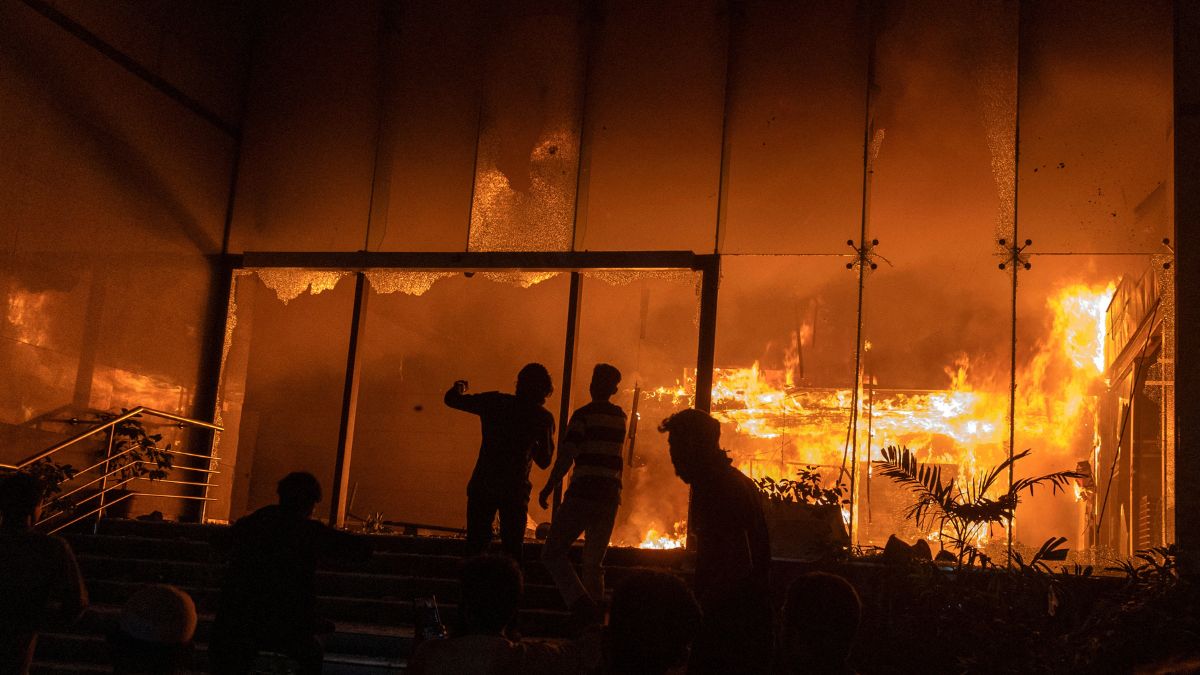 "Post-Hadi violence in Bangladesh makes election ‘unsafe’: Report puts spotlight on Yunus-Islamist link")
 "Newspaper offices attacked, Indian Mission officer targeted: How Bangladesh protests spiralled")
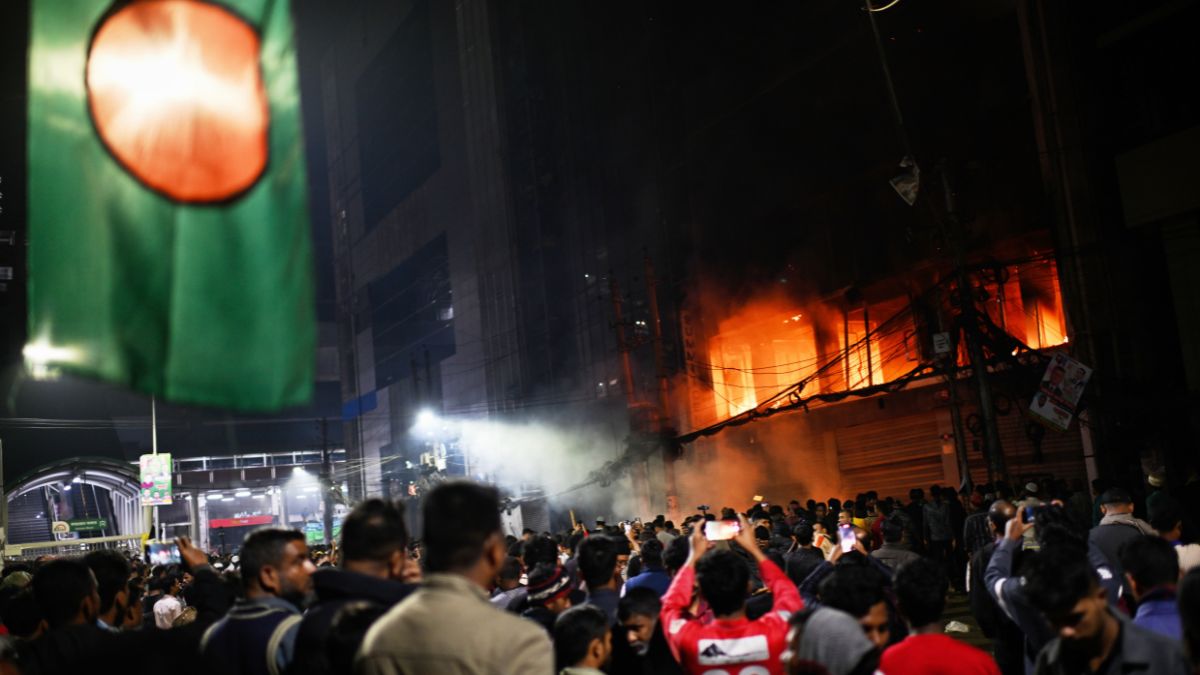 "Bangladesh Protests Live: ‘There’s no law & order, Yunus is backing them’, says ex-minister as mobs go on rampage")
 "'Don't see readiness for peace': Putin blames Ukraine for no progress on ceasefire dea")
 "Post-Hadi violence in Bangladesh makes election ‘unsafe’: Report puts spotlight on Yunus-Islamist link")
 "Newspaper offices attacked, Indian Mission officer targeted: How Bangladesh protests spiralled")



