

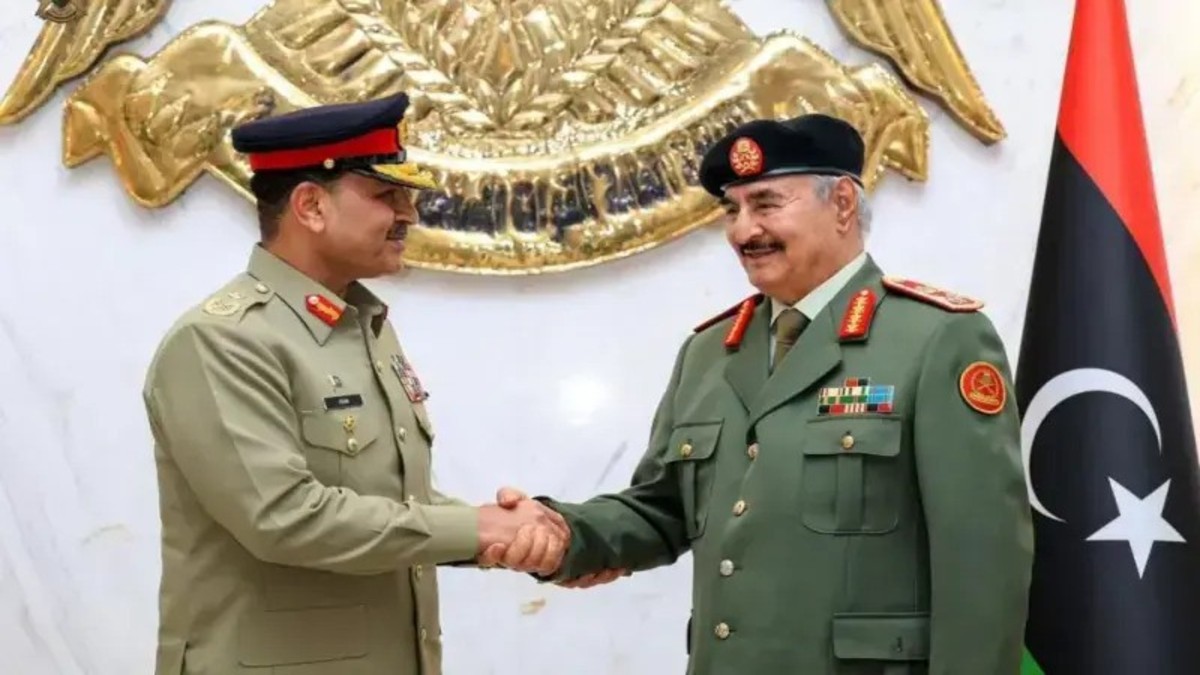
 "Militarised diplomacy: What Pakistan’s Libya deal reveals")
Pakistan reportedly finalised a sizeable $4.6 billion defence deal with the Libyan National Army (LNA) on December 21, maturing its defence-industrial position from a long-standing client state to an emerging primary vendor. The defence deal was finalised with Libyan General Saddam Khalifa Haftar in Benghazi during Pakistani Field Marshal Asim Munir’s visit to the country. According to Reuters’ reports, the listed purchase includes 16 JF-17 Thunder fighter jets, jointly developed by Pakistan Aeronautical Complex and China’s Chengdu Aircraft Corporation, and 12 Super Mushak trainer aircraft used for basic pilot training.
Pakistan previously opened its defence export market at this scale in June 2025, when it signed the largest defence export contract in its history with Azerbaijan for the delivery of 40 JF-17 Thunder fighter jets, valued at $4.6 billion. While the Libya-Pakistan deal reportedly matches the Azerbaijan contract in value, the latter covers a wider range of equipment. As such, Libya now joins the list of foreign clients for the JF-17, with acquisitions progressing from Myanmar and Nigeria’s Block II variants to the more advanced Block III models designed for Iraq, Azerbaijan and now Libya.
The reported defence deal with the LNA carries certain risks for Pakistan, considering that the transaction bypasses the UN arms embargo on Libya. This move signals Pakistan’s assertive and risk-tolerant approach, which essentially prioritises the diversification of its defence industry over adherence to UN mechanisms.
While the implications of this sale for North African geopolitics are yet to be analysed, the transaction gains significance for Pakistan for multiple reasons. First, the move exemplifies Pakistan’s growing confidence in marketing co-development and indigenous defence systems beyond its traditional export partners. Further, it places Pakistan at the convergence of Chinese technological collaboration and its own operational capacity. The latter is reinforced by combat experience during the India-Pakistan conflict in May 2025, wherein Indian defence forces were equipped with Russian, Western, and Israeli systems.
Munir’s statement to an international broadcast, “Our recent war with India demonstrated our advanced capabilities to the world,” reflects an assertive position. After claiming victory over India within the domestic narrative, Munir now appears to extend the same rhetoric outward as a marketing strategy for Pakistan’s defence industry.
Quick Reads
View AllPakistan’s Defence Industry
In comparison to India’s defence-industrial ecosystem, Pakistan’s still-budding defence industry remains much smaller and more centralised, with its strengths focused on aerospace and armoured systems. India’s investments have concentrated on domestic production across land, naval, air, and space domains, whereas Pakistan has prioritised co-development, licensed production, and incremental upgrades over fully indigenous design.
With Chinese assistance in building production, maintenance, and export capacity, Pakistan’s defence industry seeks to position itself as an alternative to Western platforms for developing, conflict-ridden countries. It offers appeal to states seeking to bypass Western sanctions and political conditionality, access cost-effective alternatives to sophisticated Western systems, and prioritise expedited delivery and operational sufficiency over technological excellence.
Foreign Policy Momentum and Regional Implications
Pakistan’s rekindled ties with the US during Donald Trump’s second tenure, alongside deepening security ties in West Asia, point to renewed diplomatic and strategic momentum for the country. This was recently witnessed in the signing of a Strategic Mutual Defence Agreement with Saudi Arabia in September 2025 and senior-level defence talks with Qatar. Despite the optics of successful foreign policy outcomes, including Munir’s lunch at the White House shortly following the conflict with India, apprehensions regarding sustainability are likely to persist.
Foremost, concerns surrounding chronic political instability and a fragile economy suggest that this moment is likely to be fleeting and more of an opportunistic swell than a sustainable industrial transformation. With continued economic challenges such as foreign debt dependency and fragile governance, it remains unlikely that Pakistan can sustain a military-industrial complex without external assistance.
On the foreign policy front, the Libya deal also introduces broader regional complexities. By aligning with Haftar, and by extension Egypt, Russia, and the UAE, Pakistan exhibits strategic autonomy in the North African theatre. It potentially places Islamabad at odds with Turkey, a long-standing ally and Pakistan’s second-largest defence partner, which supports the Tripoli-based Government of National Unity (GNU).
The Establishment as Foreign Policy Architect
Consequently, this deal reiterates that Pakistan’s powerful military establishment will continue to act as the principal architect of the country’s foreign policy decisions. For decades, the Pakistan Army has presented itself as the guardian of the country, legitimising its dominance by invoking a perceived existential threat from India. The recently created post of Chief of Defence Force (CDF), which formally centralises tri-services command and nuclear authority under the Field Marshal, has effectively consolidated greater power in the hands of a single individual through constitutional means.
While military-led diplomatic initiatives may generate short-term strategic relevance and external financial inflows, domestically this translates into further erosion of civilian institutions. As such, for Pakistan, this dynamic will perpetuate a cycle in which the military remains the sole interlocutor for external actors, sidelining civilian governance. This institutionalisation of a ‘security-first’ narrative prioritises the longevity of the establishment over the stability of the state.
(The writer is Research Analyst for Pakistan Studies at the Takshashila Institution. Views expressed in the above piece are personal and solely those of the author. They do not necessarily reflect Firstpost’s views)

 "‘Do I get credit?’: Trump caught on hot mic ranting about Nobel snub, India-Pakistan claims")
 "Hamas must disarm, Iran threat & more: Key takeaways from Trump and Netanyahu’s meeting in Florida")
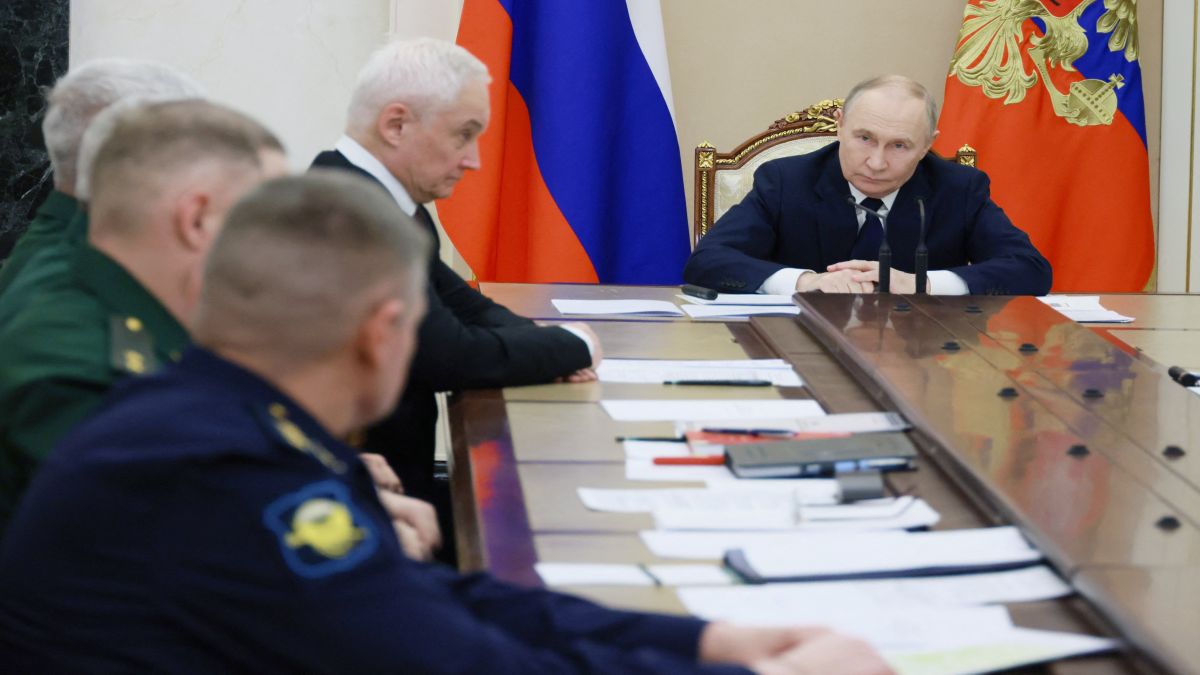 "Russia claims Ukraine fired drones at Putin’s residence: Will this derail the peace talks?")
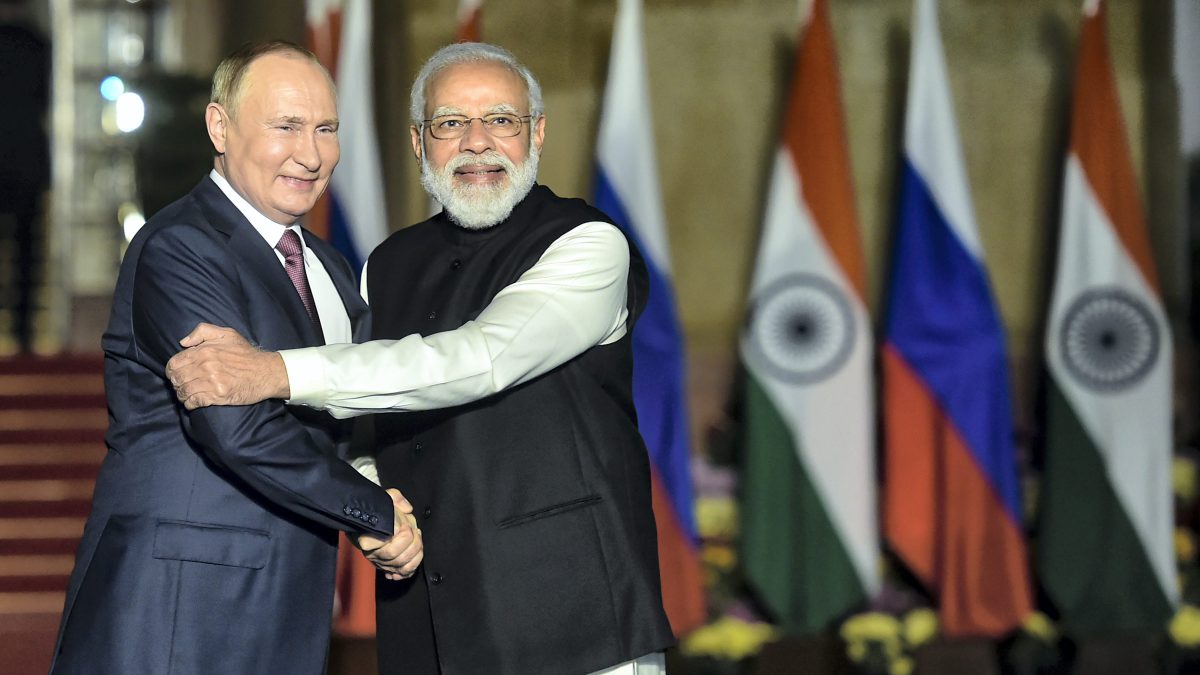 "'Deeply concerned': PM Modi expresses worry as reports of drone strikes on Putin’s residence emerge")
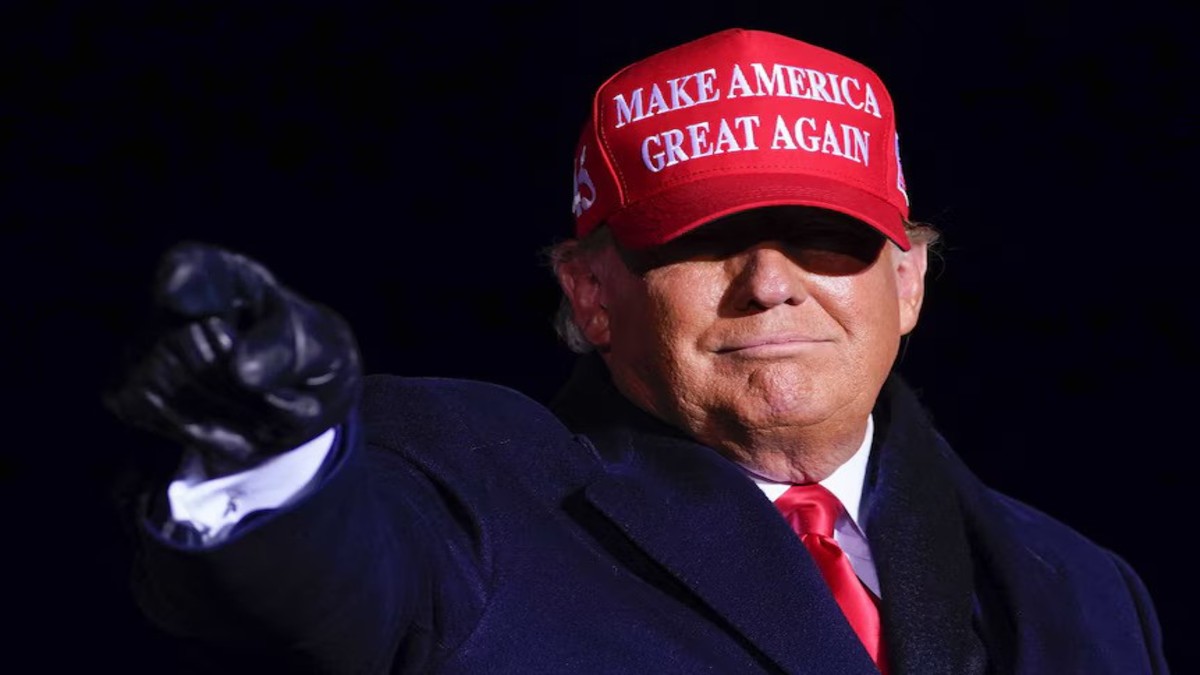 "‘Do I get credit?’: Trump caught on hot mic ranting about Nobel snub, India-Pakistan claims")
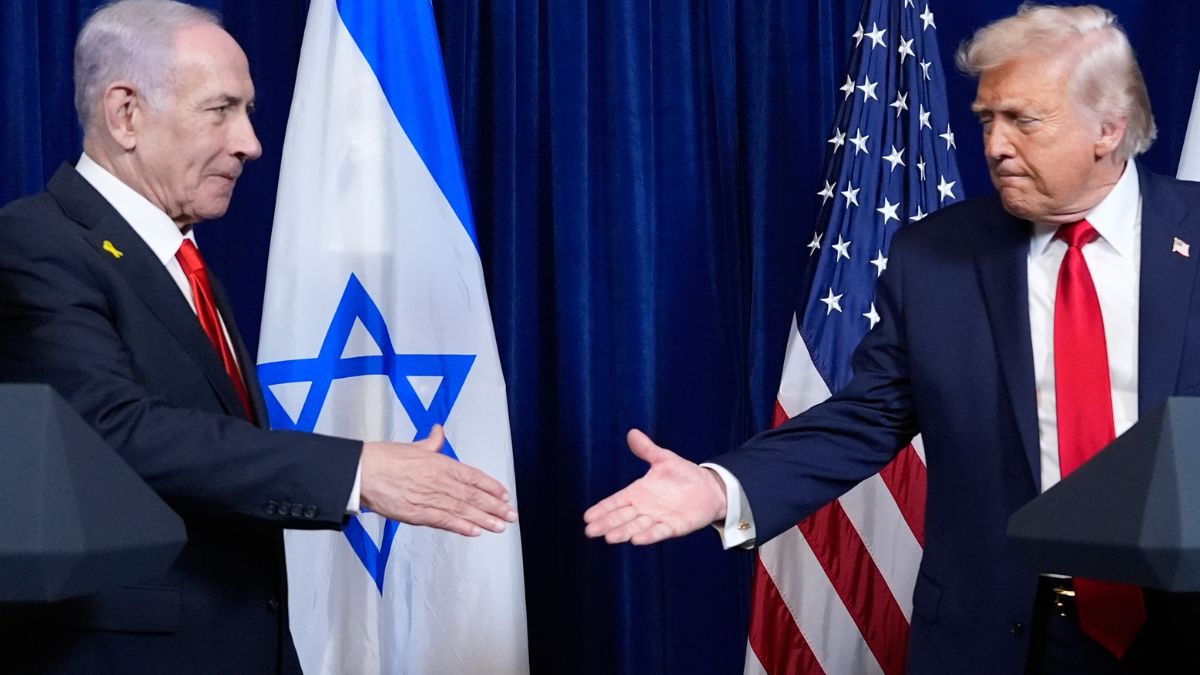 "Hamas must disarm, Iran threat & more: Key takeaways from Trump and Netanyahu’s meeting in Florida")
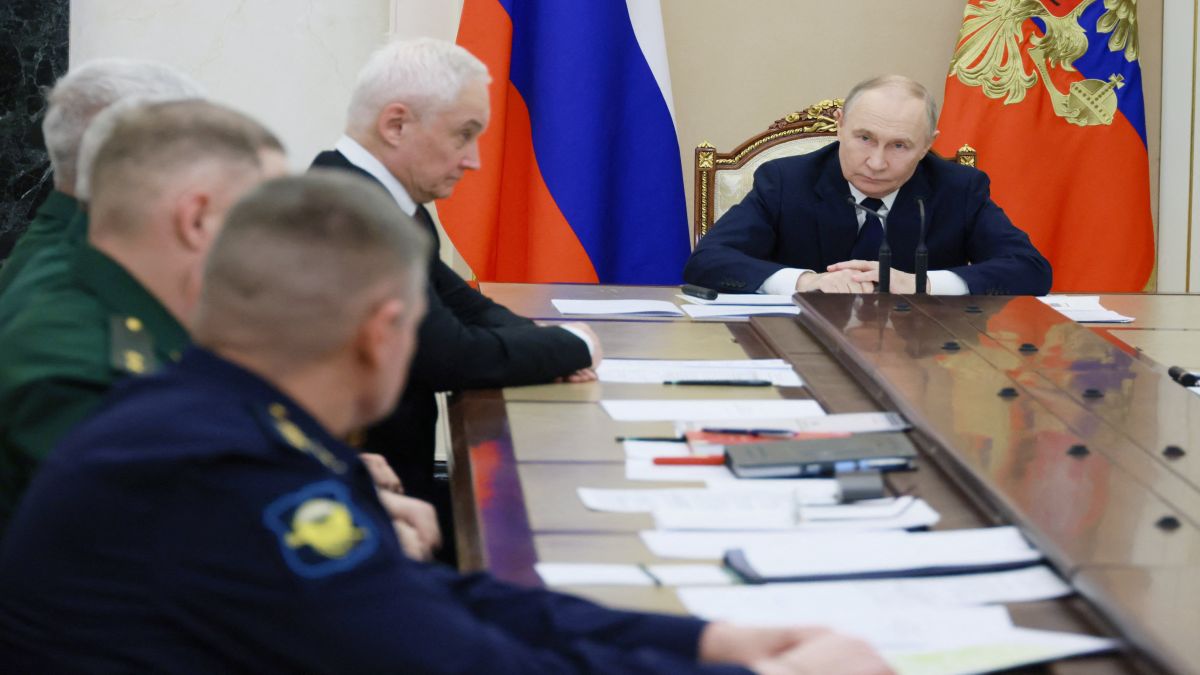 "Russia claims Ukraine fired drones at Putin’s residence: Will this derail the peace talks?")
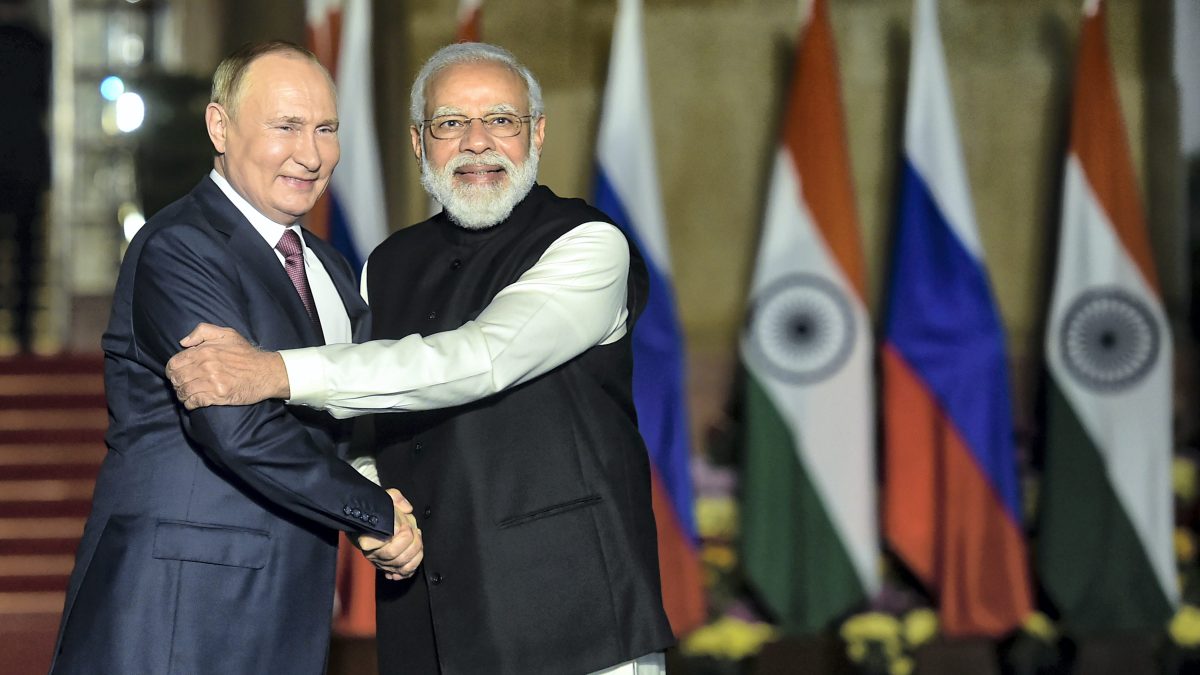 "'Deeply concerned': PM Modi expresses worry as reports of drone strikes on Putin’s residence emerge")



