

 "Mercenaries and the State: Why private military firms won't disappear despite Wagner fiasco")
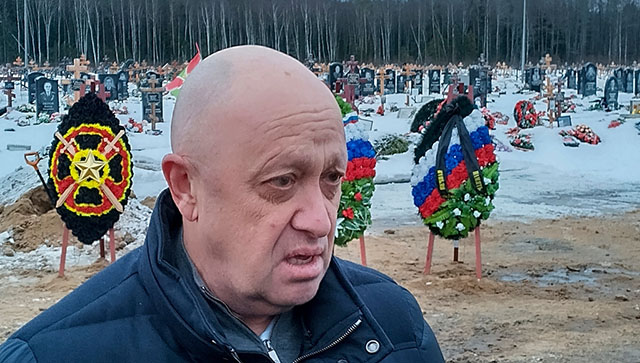
The short-lived revolt by Russia’s Wagner group, owned by Yevgeny Prigozhin, a close Putin aide, on 24th Jun, reignited the debate on Private Military Companies (PMCs) employed by a state. The Wagner group has, apart from Ukraine, also been involved in operations in Libya, Sudan, Central African Republic, Mozambique and Mali, all with government sanction. It was forced to withdraw from Mozambique due to heavy losses. Ignition of the mutiny was a result of multiple factors the most important being a possible decision to place the company under state control. Other factors included sidelining of the company, making it lose important catering contracts, resulting in loss of income, restricting its recruitment from prisons, as also removal of Prigozhin’s favourite general, General Sergei Surovikin, (with whom he had operated in Syria), from the Ukraine front and placing the Wagner group under the defence minister with whom Prigozhin has had numerous conflicts. There are also inputs that information of the revolt was leaked forcing it to be pushed ahead in time. With just 25,000 soldiers, limited ammunition and a lack of support from the Russian army, on which the Wagner group had banked, Prigozhin’s revolt would never have succeeded. Its collapse was imminent and it lasting 24 hours was also excessive. However, it conveyed that all is not well within Kremlin. Prigozhin’s rebuking Putin’s comments, justifying the launch of the Ukraine war, did cause embarrassment. Now based in Belarus there are questions on what options are open to Prigozhin and his Wagner group. Those who did not participate in the mutiny would possibly join Russian troops. Wagner would be disbanded by the State though no charges would be pressed against Prigozhin and his troops. For Belarus President, Alexander Lukashenko, idle Wagner soldiers could become a headache sometime in the near future and he would need to find a solution. Idle soldiers armed and trained with no source of income are always a security threat. The revolt also brought to the fore the employment of private military companies and mercenaries. Both PMCs and mercenaries work for money. While a mercenary is an individual hired on contract, PMCs recruit these individuals as part of their organisation. Mercenaries are generally lightly armed and bank on the state employing them for resources, while PMCs may possess better weaponry and communications. Legally, the employment of mercenaries is banned by a 1989 convention. Sadly, the convention has been signed by just 35 countries excluding the US, UK and Russia. Russia is not the first or the last country to have employed controversial PMCs who have gone beyond their brief. The US employed Blackwater (currently known as Academi) which was notorious for its indiscriminate killings in Iraq. Four of its members were subsequently jailed in the US, only to be pardoned by President Trump in 2020. In 2004, US contractor CACI was accused of torturing prisoners in Iraq’s Abu Ghraib prison. It faced no charges despite the issue being a global embarrassment for the US. Reports state that the number of mercenaries employed by the US in Iraq equalled the number of uniformed troops. Other groups similar to Wagner which have been employed by different countries include Halliburton, Northrop Grumman, Raytheon, Northbridge etc. Some participated actively in operations while others provided logistics, guarded embassies and provided security to key personnel in global trouble spots. The UAE and Saudi Arabia have employed mercenaries from multiple countries, including South America and Africa, to fight on their behalf in Yemen. The Nigerian government employed South African contractors to successfully battle Boko Haram after its own troops failed to do so. A substantial part of current Ukrainian forces are mercenaries from various parts of the globe, largely Europe. Recent inputs mention Nepalese Gorkhas joining the Wagner group and the Russian army. Numbers witnessed a rise following the Russian announcement of citizenship after a year’s service. Wagner was also reported to have recruited commandoes from the erstwhile Afghan armed forces. Many Gorkhas were recruited by private companies to guard Western embassies in Afghanistan. When the countries evacuated, they were left behind. In an article published in Swiss media which was a nominee for Investigative Reporting, Andreas Babst and Shristi Kafle write, ‘According to some estimates, more than 35,000 Nepalese have worked as guards in Afghanistan over the past 20 years, but the number is likely to be higher. Many of them were victims of human trafficking. When Kabul fell on 15 August, some were simply left behind.’ They were reported to have been employed by the German, Canadian and French embassies amongst others. In 2016, 13 Nepalese were killed when the Taliban attacked a bus full of Canadian embassy guards. Most of those who join PMCs, less those in US-based companies, are from economically weaker countries and largely ex-soldiers. There are also different rates of pay for members of PMCs. Higher levels of salaries are earmarked for US and European mercenaries, others drawing comparatively lower. Countries, where mercenaries are hired, have limited control over recruitment. PMCs operate under no laws and hence tend to be trigger-happy. Nations employ them because of the benefits they offer. Primarily it enables the nation to officially deny its involvement in the conflict. Secondly is their rapid redeployment as no military chain of command is involved. Thirdly, their casualties never come through in official figures. Even PMCs underreport their losses as it impacts business. Fourthly, they are cheaper. Finally, it enables launching operations in a region without national support, an example being US involvement in Iraq. For nations like the US, spending funds to achieve its aims without direct troop induction is a benefit. PMCs are more effective against weak militaries in politically unstable states. They have their disadvantages too. These operate for profit, rather than duty and hence their commitments are low. Every aspect of their involvement is based on financial impact. Secondly, there are no rules governing their employment and thus their excessive use of force can be an embarrassment to the nation which employed them as has been witnessed in Iraq, Afghanistan and currently in Ukraine. This is due to them being outside the military chain of command. Thirdly, many comprise troops from different countries with little commonality in tactics, rules of engagement etc. Since PMCs operate for profit, there is always a possibility of them being paid to defect. Some mercenary groups are difficult to control as the Wagner revolt displayed. In 2004, mercenaries attempted a takeover of oil-rich Equatorial Guinea. It failed. A group of heavily armed mercenaries barged into the residence of the Haitian president in July 2021 and assassinated him. No one has claimed responsibility, though two US citizens have been among those arrested. The Taliban was also a mercenary group when it was initially created with Western funding and arms to oust the Russians from Afghanistan. It ultimately turned against the US, launching 9/11. In the current geopolitical scenario where nations do not seek to be directly involved in a conflict, PMCs is the answer. Where there is a need to reduce casualties to own forces, PMCs are ideal. The Wagner group may be disbanded and Russia may be careful with its successors, keeping them under check, however, with global conflicts increasing these companies will continue to flourish and proliferate. As local wars increase, recruitment for PMCs would increase from third-world countries. Since it will largely be major powers which would employ them, it is unlikely that any international law will govern them soon. The author is a former Indian Army officer, strategic analyst and columnist. Views expressed are personal. Read all the Latest News , Trending News , Cricket News , Bollywood News , India News and Entertainment News here. Follow us on Facebook, Twitter and Instagram.
As regional wars escalate, the continued dominant utilisation of PMCs by major powers makes it unlikely that international laws governing their operations will be established soon
Advertisement
End of Article

 "Russian drones over Poland: Trump’s tepid reaction a wake-up call for Nato?")
 "As Russia pushes east, Ukraine faces mounting pressure to defend its heartland")
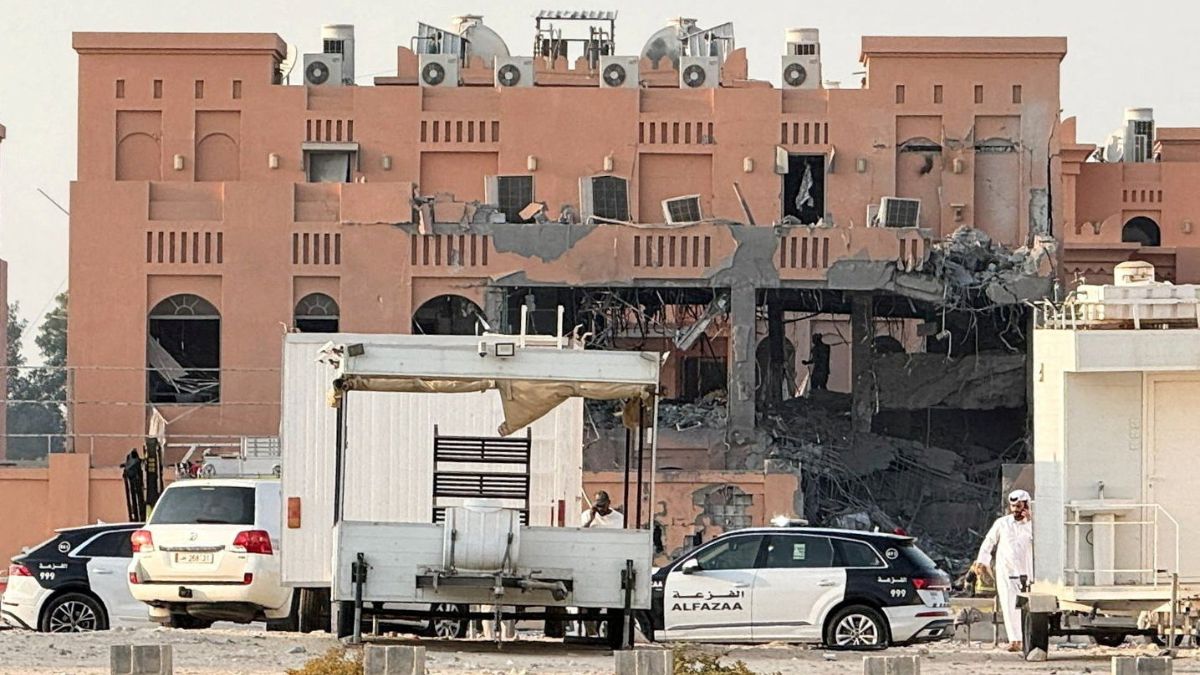 "Why Mossad was not on board with Israel’s strike on Hamas in Qatar")
 "Turkey: Erdogan's police arrest opposition mayor Hasan Mutlu, dozens officials in corruption probe")
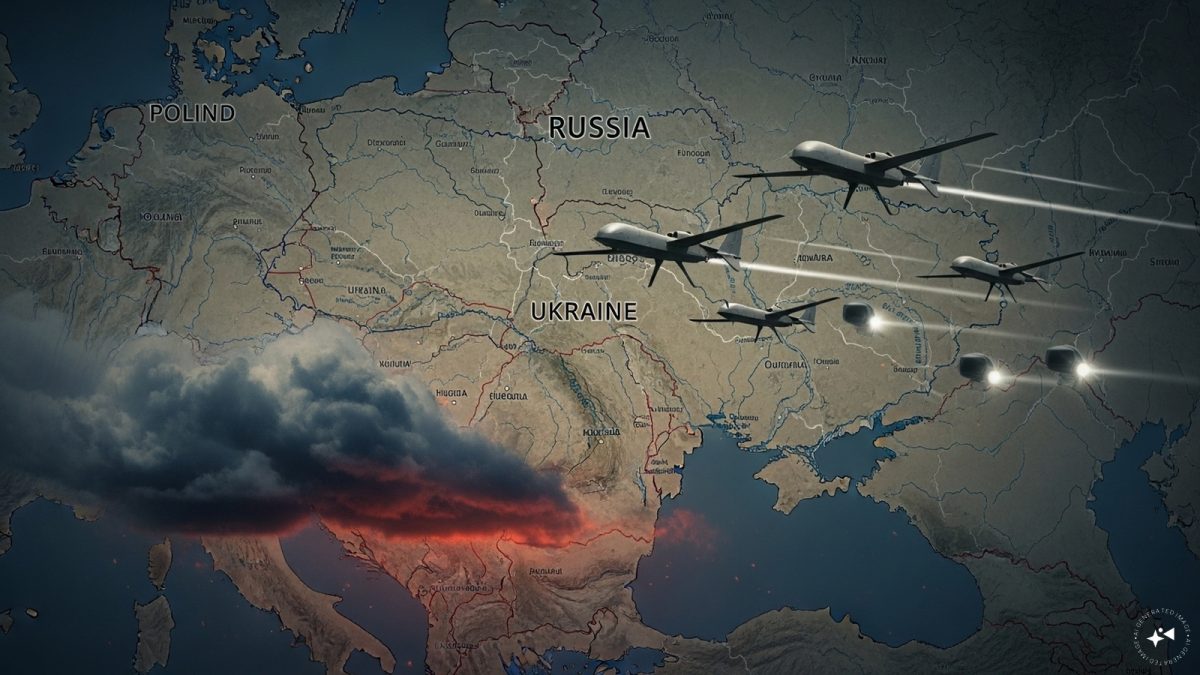 "Russian drones over Poland: Trump’s tepid reaction a wake-up call for Nato?")
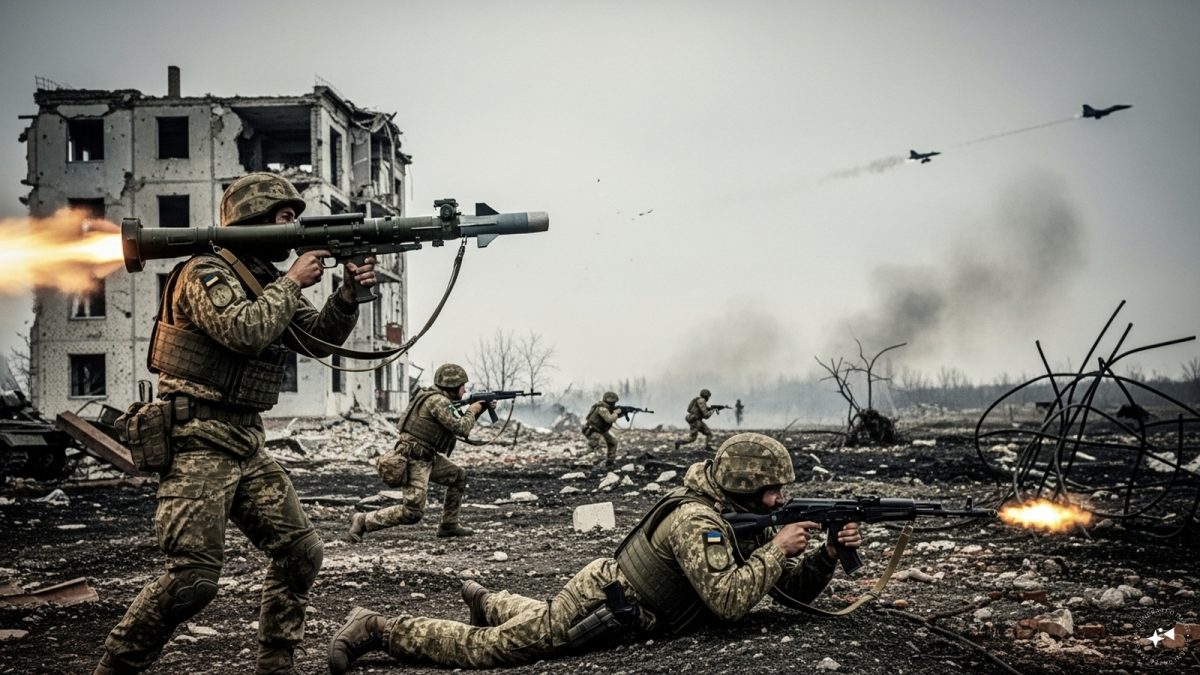 "As Russia pushes east, Ukraine faces mounting pressure to defend its heartland")
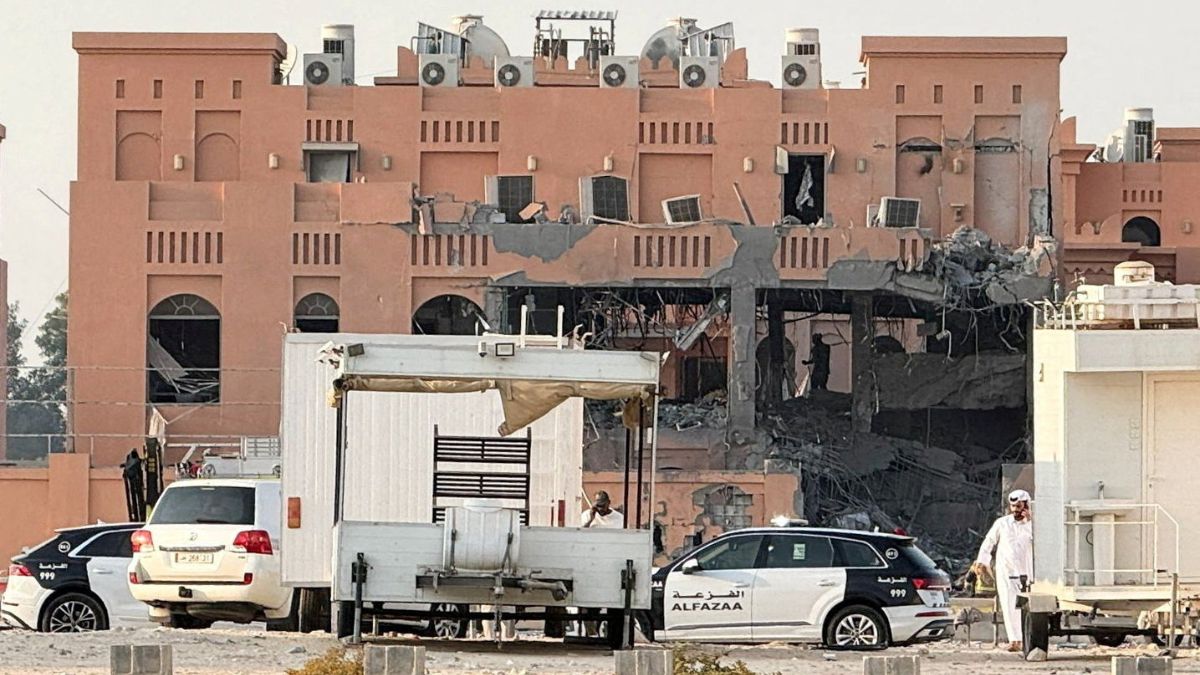 "Why Mossad was not on board with Israel’s strike on Hamas in Qatar")
 "Turkey: Erdogan's police arrest opposition mayor Hasan Mutlu, dozens officials in corruption probe")



