 "Israel-Hamas war: What the world can learn from India")
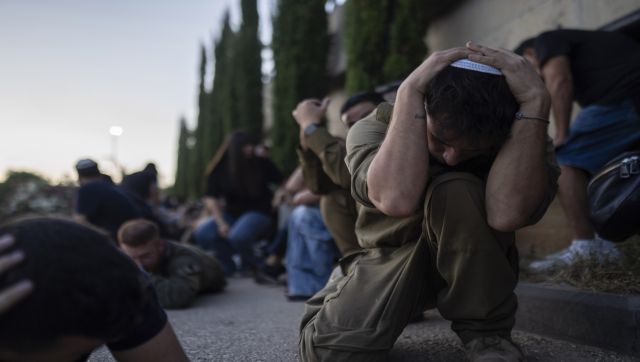
On October 7, when Hamas attacked several Israeli towns along the Gaza Strip border and killed 1,400 innocent civilians, the world order shifted. The secrecy and lethality of the attack shocked everyone. Israel, which one thought had one of the best intelligence networks and the most technologically advanced armed forces, was outsmarted by terrorists with bulldozers, paragliders, motorcycles, and rifles. The attack awakened the world, especially large and powerful nations. It dawned upon that strong walls and even technologies such as Iron Dome, which can shoot down incoming rockets, are not an insurance against terrorists.
The conflict between Israel and Hamas is a culmination of a long-standing geo-political dispute. Like many other border disputes across Asia, the seeds of this conflict were largely sown by the British Empire that, in 1917, to win the support of the European Jewish population during World War I, made the Balfour Declaration supporting a Jewish homeland in the Palestine region.
Back then, Palestine was a part of the Ottoman (Turkish) Empire and the problem was that the region was already densely inhabited by Arab Muslims. After the Ottomans were defeated in the First World War in 1919, the region of Palestine came under British control. Increasing number of Jews continued to migrate into the Palestine region leading to tensions between the Palestine Arab and incoming Jews. When Germany, under Adolf Hitler, started a genocide of Jews in the 1930s and ’40s, the Jews made desperate migrations to the Palestine region and their population share grew further. Two oppressed populations, Palestinian Arabs by the British and Jews by the Germans, were packed in a small area of land holy to three different religions.
Israel was formally born as a nation in 1948 and was immediately attacked by a coalition of Arab states. The young nation not only survived but also managed to push back the borders and over time the Palestinian Arabs were confined to two major regions—the West Bank and the well-known Gaza Strip—which is less than one-fourth the size of Delhi and one of the most densely populated regions in the world.
Quick Reads
View AllCommon civilians in the region have almost continuously been subjected to some form of oppression or other. Till 2005, Israel was controlling the region with its massive military. When they left the Gaza Strip, the Palestinians got a chance of free elections in 2006. Unfortunately, the party they voted for was Hamas—a huge mistake. Hamas, with its ideology deep rooted in fundamentalism, has eliminated democracy in the Gaza Strip, and there have been no elections in the region since 2006. In these 17 years, the region has become poorer and oppressed; Hamas has prioritised digging tunnels and attacking Israel over the welfare of people in the Gaza strip. Moreover, due to Israel’s blockade of air, sea, and land into the Gaza strip and total control over water and electricity supply, the situation has further deteriorated.
While currently, it is clear that India has close ties with Israel, the history of our relationship has not always been this way. In 1947, India under Jawaharlal Nehru, voted against the United Nations resolution to create the nation of Israel. In 1974, under Indira Gandhi, India became the first Non-Arab State to recognise the Palestine Liberation Organization (PLO) as the legitimate representative of the Palestinian people and in 1988, India under Rajeev Gandhi, recognised the Palestinian state. The 1990s and the post-2000s era saw India and Israel coming closer and under Prime Minister Narendra Modi the relations between the two nations reached their zenith.
Israel, currently led by Benjamin Netanyahu, is under a fractured coalition government that has been fighting internal battles and against the judiciary. The shock attack has been responded with a total war in a densely populated area. Over 11,000 Palestinians, including 5,000 children have died in the war so far. That means, one in every 200 Palestinians is dead in Gaza—and most of them are non-combatant civilians. After the terror attack by Hamas on October 7, most of the world recognised the right and responsibility of Israel to take action against Hamas to defend itself. Israel started with the moral high ground. But with rising civilian casualties, Israel is fast losing global support and sympathy.
In this conundrum, Israel can take a lesson from India on how to combat terrorism which is embedded in the civilian population. We fight many more terror outfits and nearly all of them are hiding behind civilian centres across Pakistan especially in Pakistan Occupied Kashmir region. When India suffered the Pulwama attack in 2019 or Uri in 2016, despite all our national pain and anger, we did not go all out into bombing this region. India’s move was calculated, precise and backed by intelligence and technology—they were surgical strikes. India has not bombed a single civilian area in Pakistan, despite the provocation and capability to conduct deep strikes into Pakistan using our Air Force or missile strength. This has been the reason that India never lost the moral high ground and is perhaps the only nation which has successfully overcome organised terror outfits across Kashmir, Punjab and much of the North East including Maoism across central India.
The second lesson from India is that of strong leadership in crisis. Israel’s Prime Minister Benjamin Netanyahu is leading a coalition of seven different parties, each with conflicting views. His approval rating is down to 27% in the recent polls. In such a situation he can only react and not lead. When Pulwana happened in February 2019, India waited for 12 days in planning a surgical strike at the heart of the terrorist camp. The government in place was strong and the Prime Minister had all the support of the people who trusted in him for the right retaliation and not just revenge. This strength of leadership enabled India to strike back in the appropriate manner and yet retain the moral high ground by not killing civilians.
History tells us that when operations against terrorism lead to massive civilian casualties, it only breeds more vicious offsprings of the outfit in future. After the 9/11 attacks, the United States went on a widespread mission in Afghanistan against the Taliban and in Iraq against Saddam Hussein. Years later, the Taliban are back, much stronger than before and the Iraq war led to the more lethal version of Al-Qaeda in the form of ISIS. In the end, what took to actually eliminate both Osama bin Laden and Abu Bakr al-Baghdadi (ISIS chief) were precise surgical strikes in Pakistan and Syria respectively.
When a powerful nation is faced with a barbaric terrorist outfit, wisdom is required along with valour. Wisdom comes when there is restraint in the society. Restraint can come in the society only when the leadership is powerful and the nation has confidence in it. This is the difference between Prime Ministers, Netanyahu and Modi.
The author is the founder of the Kalam Centre and former advisor (policy) to the 11th President of India, Dr APJ Abdul Kalam. Views expressed in the above piece are personal and solely that of the author. They do not necessarily reflect Firstpost_’s views._
Read all the
Latest News,
Trending News,
Cricket News,
Bollywood News,
India News and
Entertainment News here. Follow us on
Facebook,
Twitter and
Instagram.

 "In Republic Day parade, India flies Rafale BS-022 Pakistan claimed to have shot down during Op Sindoor")
 "India, EU conclude talks on ‘mother of all deals’, formal announcement likely on Tuesday")
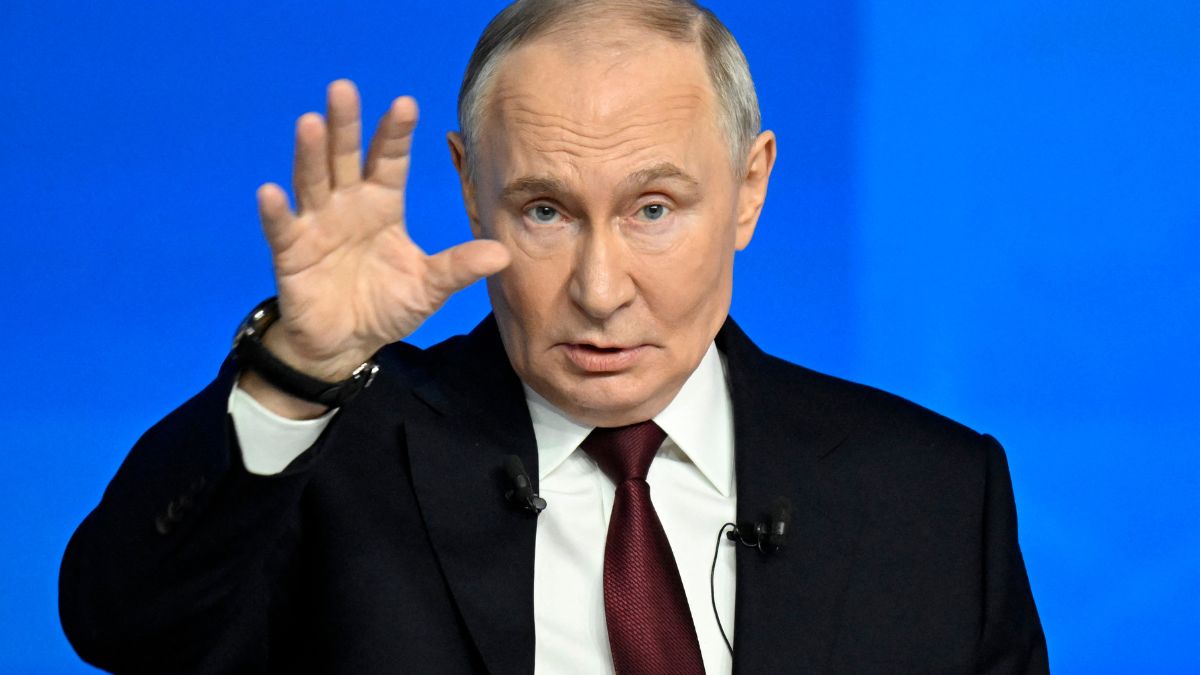 "‘It’s no secret’: Russia says Ukraine must cede all of Donbas for truce as part of Putin-Trump formula")
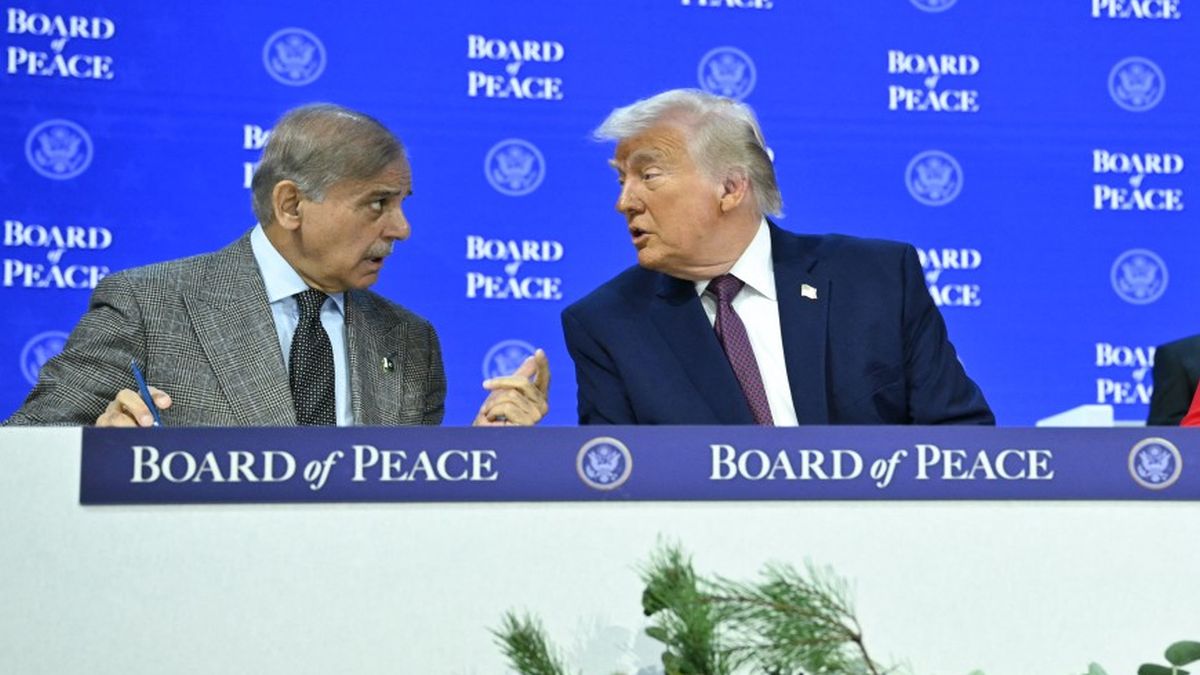 "Pakistan's Board of Peace dilemma: Will it disarm Hamas, attack Houthis when Trump orders a strike?")
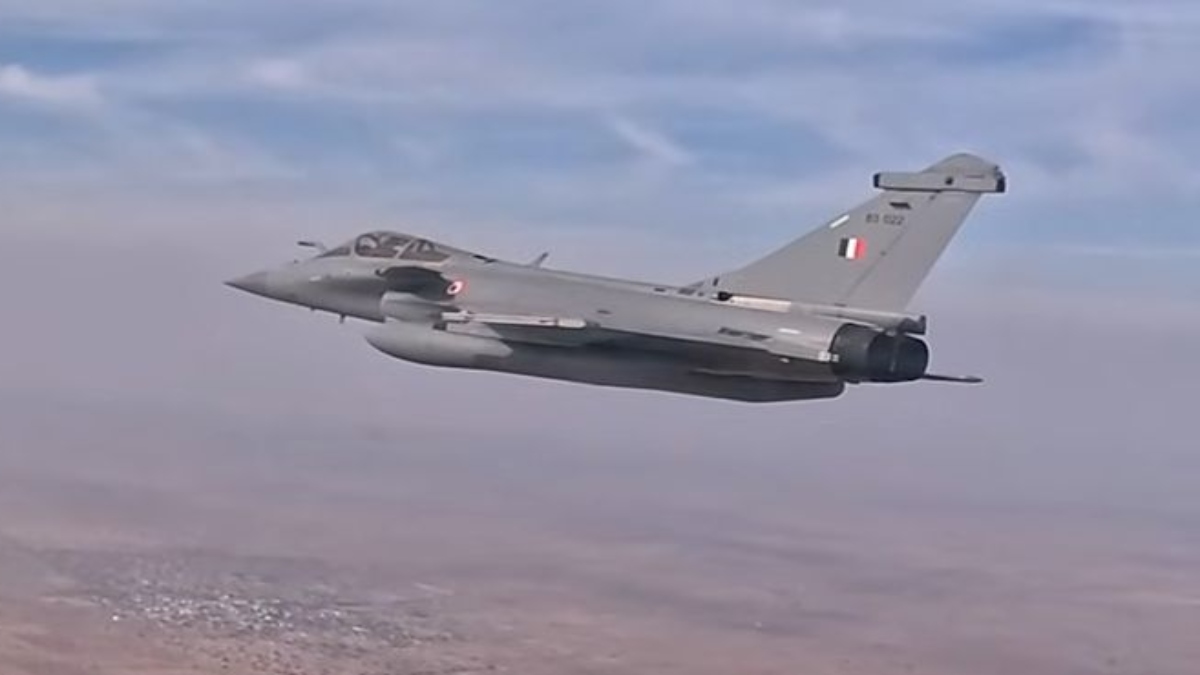 "In Republic Day parade, India flies Rafale BS-022 Pakistan claimed to have shot down during Op Sindoor")
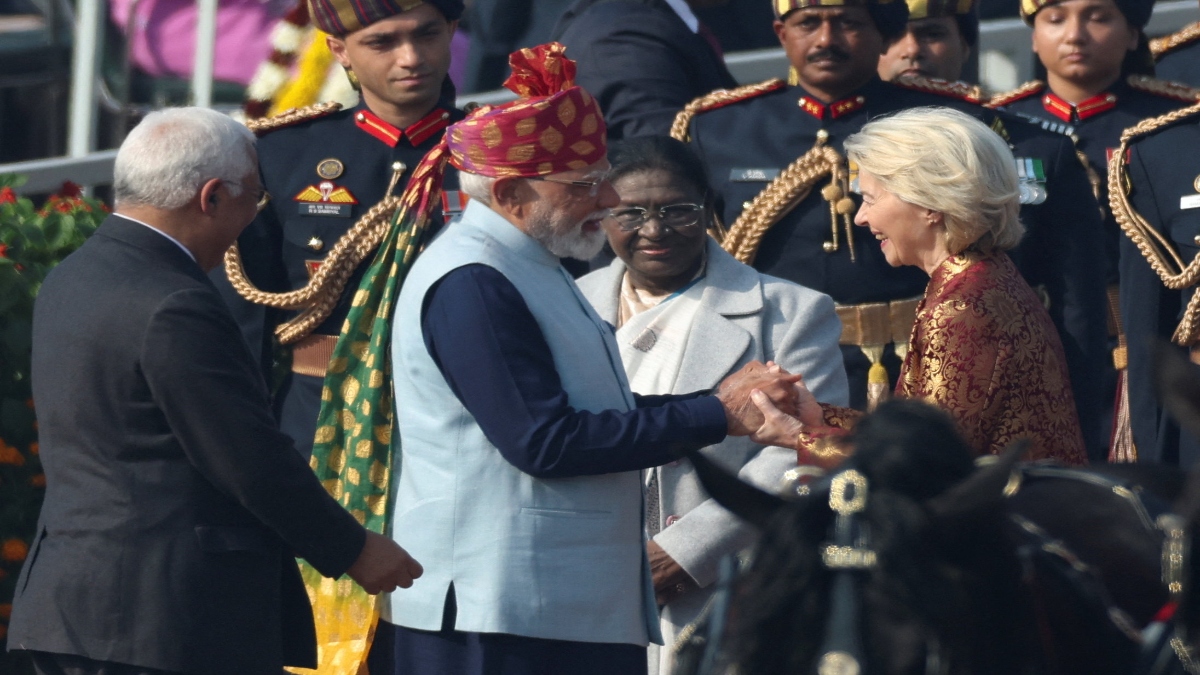 "India, EU conclude talks on ‘mother of all deals’, formal announcement likely on Tuesday")
 "‘It’s no secret’: Russia says Ukraine must cede all of Donbas for truce as part of Putin-Trump formula")
 "Pakistan's Board of Peace dilemma: Will it disarm Hamas, attack Houthis when Trump orders a strike?")