

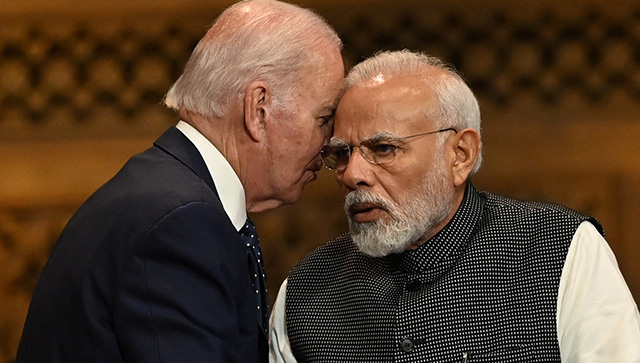
 "India and US can’t be allies, but they have to be friends for the liberal world order to remain ‘liberal’ and ‘ordered’")
One tends to believe that democracies can be allies. The reality is that two nations become allies not because they are democracies but because they have common interests. The India-United States relationship is a classic example: Far from being allies, they remained “estranged democracies” precisely because their interests remained divergent and uncommon. Yes, India and the US have some commonalities, especially on the issue of security and terrorism. But they have far too many arenas of divergences. So much so that this has been a considered view of this writer that the US and India can be friends, but they will have enough differences to stop them from being allies. The ongoing Ukraine war is a classic example, where the US-led West and India find themselves on opposite sides. Amid all this, Seema Sirohi, a seasoned journalist with over three decades of global experience, has come up with a new book, Friends with Benefits, dealing with “a thousand heartbreaks and a hundred reunions” of India and the US. According to her, this is “a story of inching closer, drifting apart, trying again, getting disappointed, developing new stakes in each other, losing interest, recharging batteries, giving it another shot, succeeding partly, celebrating with high rhetoric, hiding disappointment but strategically leaking true feelings while continuously rebranding the relationship as larger, deeper and wider, and strengthening the foundation”. Sirohi first came to Washington as a journalist in the early 1990s, at a time when India and the US “barely talked to each other”, and when they did, “it was mostly to score points”. She uses the term “passive-aggressive” to explain the Indo-American equation at that time. “An air of forced tolerance prevailed,” she says, reminding us of former National Security Adviser JN Dixit’s memoirs, My South Block Years, wherein he talked about the tense relationship between the two democracies. “Our political relations with the US… have suffered despite the upswing in economic ties. Washington’s restoration of arms supplies to Pakistan, its temporising on the Kashmir issue and its caution on technology transfer to India have continued to revive doubts and suspicions about US policies in Indian public perceptions,” Dixit recalled. >However, as Sirohi emphasises, the reality of the India-US relationship has been far worse than just being “less friendly”: In 1991, she reveals, General Dynamics, one of the largest US arms manufacturers, briefed Pentagon on how to neutralise India in the latter’s war against Pakistan. “The idea was to destroy Indian weapons, sensors and all ground capability that might pose a problem for US carrier battle groups.” Sirohi adds, “Today, it may seem fantastic, even unbelievable, but at the time, India was seen as a hostile power by large segments of the US strategic community.” Interestingly, when General Dynamics presented its brief, there was no one in the audience who asked why India, and not Pakistan, was chosen as the “enemy”, especially at a time when the Indo-American ties showed an upward trend. Following the end of the Cold War, India was well and truly into the Western club, without of course disowning its Soviet friends, especially Russia. That was the time when the Indian government had also allowed about 50 US military transport planes to refuel in Mumbai on their way to the Persian Gulf during the 1991 Gulf War. So, what explains the American tendency to club India with bad guys? The American foreign policy, as former diplomat Rajiv Dogra writes in War Time: The World in Danger, “is notoriously fickle in its affections”. The American foreign policy, he continues, “can swing from being indulgent to complete indifference as per its calculation of what suits its interests at a particular moment. Even otherwise, consorting with America means walking on broken glass, you never know when a carelessly placed shard will hurt. Since the US is the superpower, it means that the lesser power walking with it will bleed.” The Indo-American ties are often on a rollercoaster ride, partly because of the curse of history as well as the innate Indian tendency of being a deliberative, argumentative nation. Historically, India, soon after Independence, missed the American bus despite a largely favourable outlook of the top US leadership towards New Delhi. From Franklin D Roosevelt to John F Kennedy and even Lyndon B Johnson, with the exception of perhaps Harry S Truman, the US had presidents who saw New Delhi in a positive light. But Nehru’s India was an ideological state that would compulsively rebuke the “money-minded”, “capitalist” Americans even when it desperately needed their money and also cereals to bail out its faltering economy and fill hungry stomachs. Partly, it was also the American impatience for the argumentative India. Indians would endlessly debate each and every proposition, much to the annoyance of Americans. And once the American establishment was first McCarthyised and then got painted in the Kissinger colours, the very terms ‘India’ and ‘Indians’ became some sort of abuse in the American corridors of power. India remained a suspect in the American eyes even after PV Narasimha Rao and Atal Bihari Vajpayee’s largely pro-US policies. The 10 years of Manmohan Singh further boosted the ties, but the innate anti-Indiaism remained strong in the American establishment. This continues to reflect even today when the Narendra Modi dispensation has categorically said that New Delhi has stakes in Western world order and democracy. Today, as India piped Britain to become the fifth largest economy and is expected to jump to the third spot by the end of the decade, there’s another aspect that makes the US’ India policy swing in opposite directions: While the US-led West see India as a democratic bulwark against hegemonistic China, it is equally wary of New Delhi growing too big and too fast. Geostrategic expert Rudra Chaudhuri says that India cannot be an American ally, and any comparison with the UK or France is “pointless”. He writes in Forged in Crisis: India and the United States Since 1947, “Relations between India and the US in the current milieu might not have reached and may never reach a point at which leaders can take the relationship for granted. Democracies of these sizes can ill afford such complacency. Such a relationship remains vital exactly because of its less-than-predictable character, where a general sense and support for each other’s approach outweighs momentary disagreements over a whole range of issues.” India and the US need each other for their own interests, and also the sustenance of the liberal world order, currently under threat from the Chinese. Even if their friendship is premised on benefits, as Seema Sirohi argues in her book, it is important and will help the liberal world order remain ‘liberal’ and ‘ordered’. The author is Opinion Editor, Firstpost and News18. He tweets from @Utpal_Kumar1. Views expressed are personal. Read all the Latest News , Trending News , Cricket News , Bollywood News , India News and Entertainment News here. Follow us on Facebook, Twitter and Instagram.
India and the US need each other for their own interests, and also the sustenance of the liberal world order, currently under threat from the Chinese
Advertisement
End of Article
Written by Utpal Kumar
The author is Opinion Editor, Firstpost and News18 see more

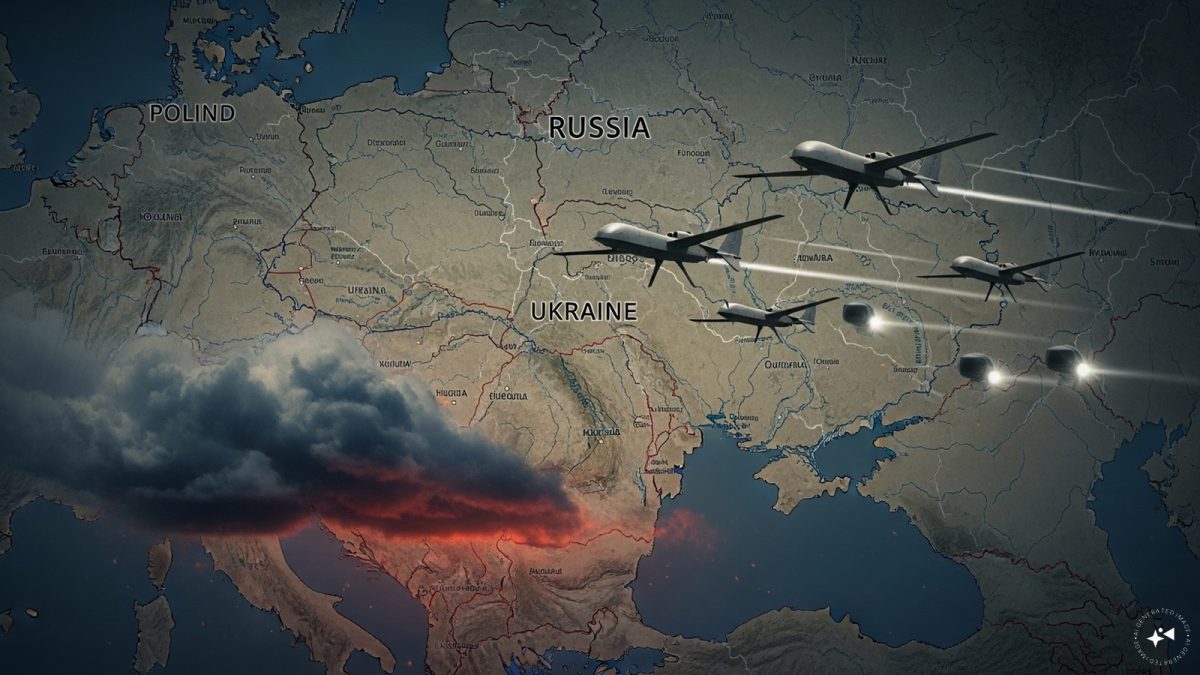 "Russian drones over Poland: Trump’s tepid reaction a wake-up call for Nato?")
 "As Russia pushes east, Ukraine faces mounting pressure to defend its heartland")
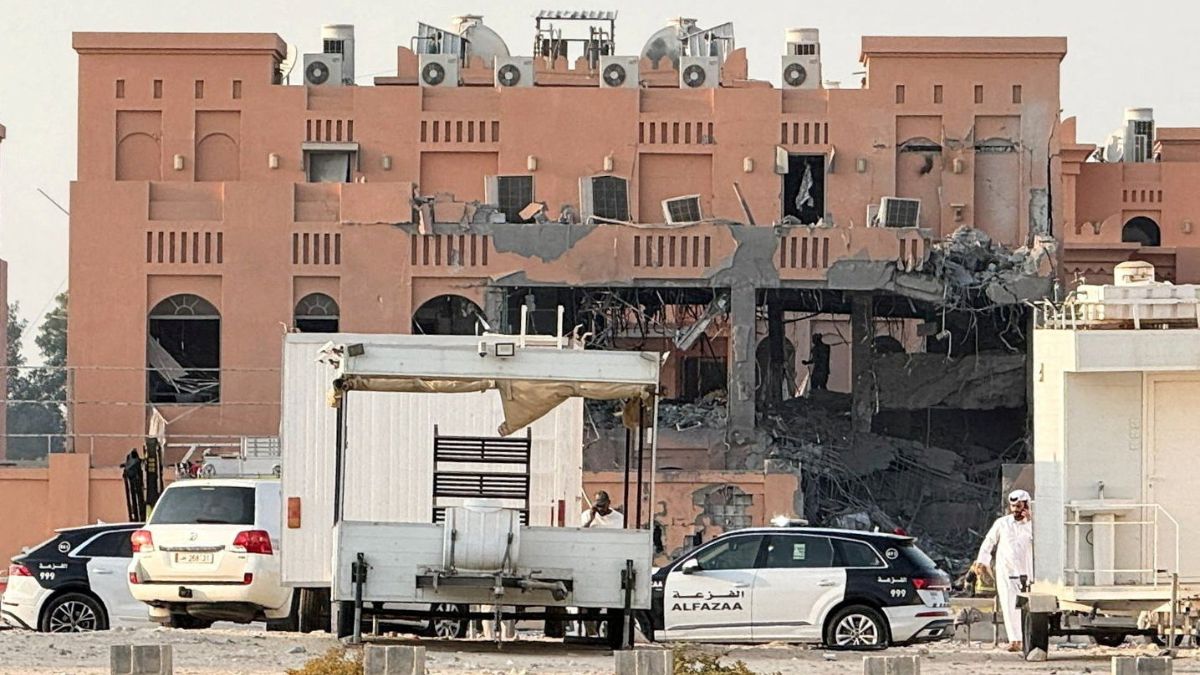 "Why Mossad was not on board with Israel’s strike on Hamas in Qatar")
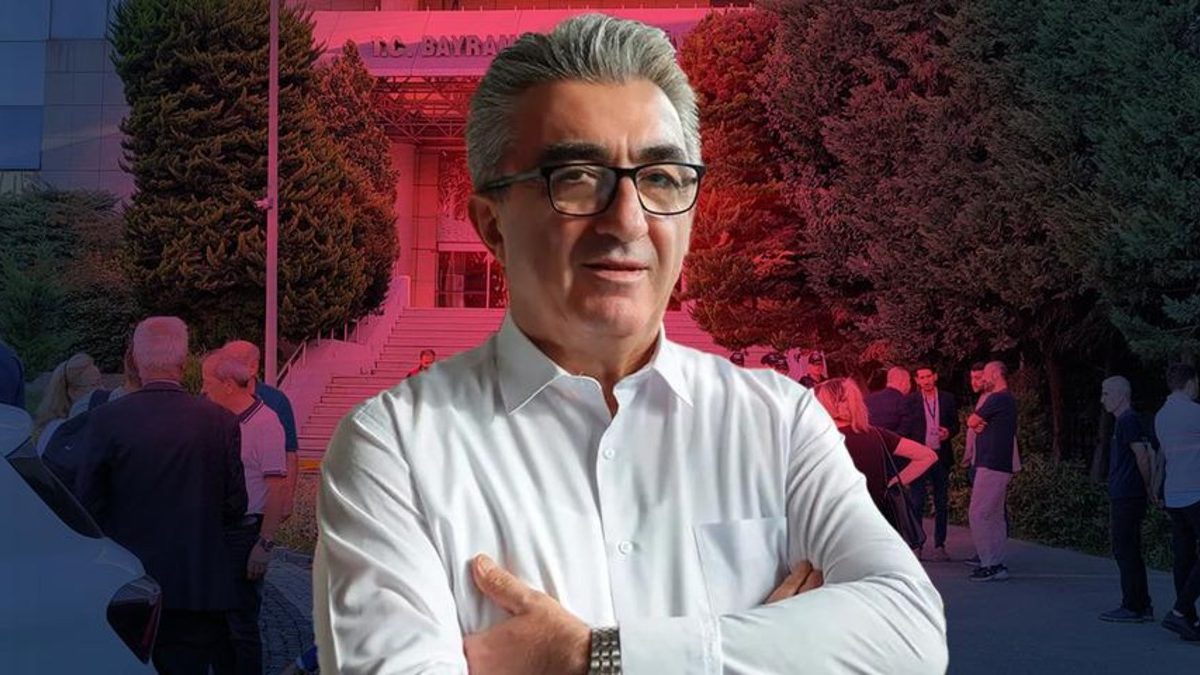 "Turkey: Erdogan's police arrest opposition mayor Hasan Mutlu, dozens officials in corruption probe")
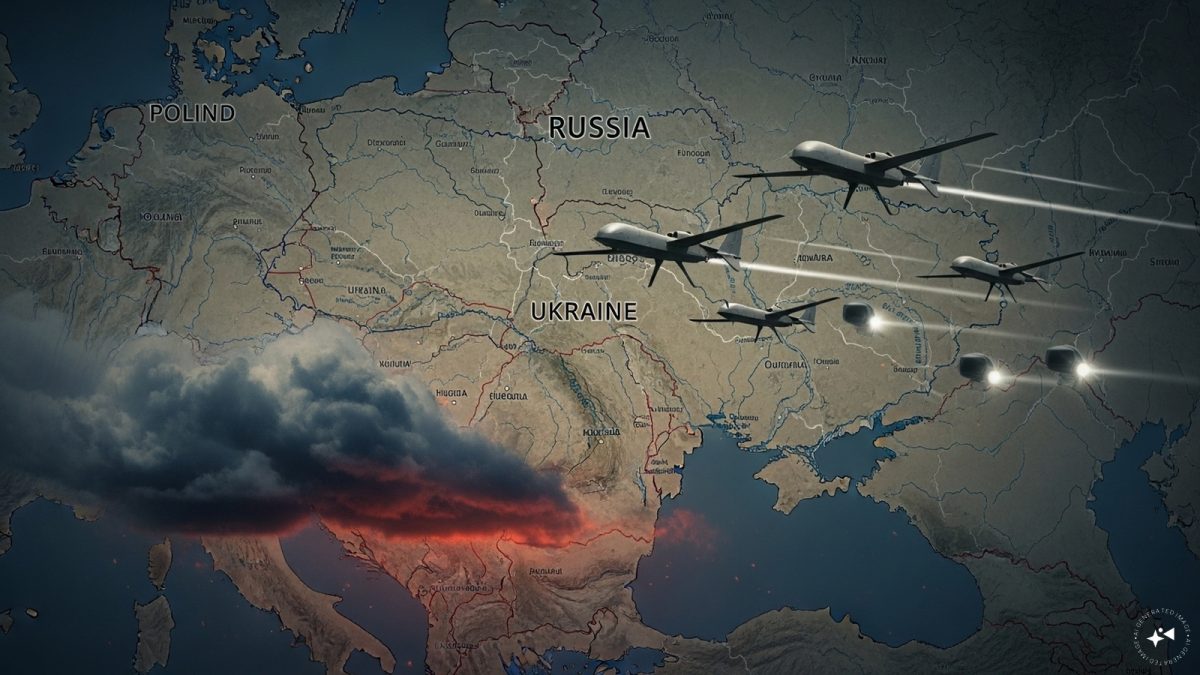 "Russian drones over Poland: Trump’s tepid reaction a wake-up call for Nato?")
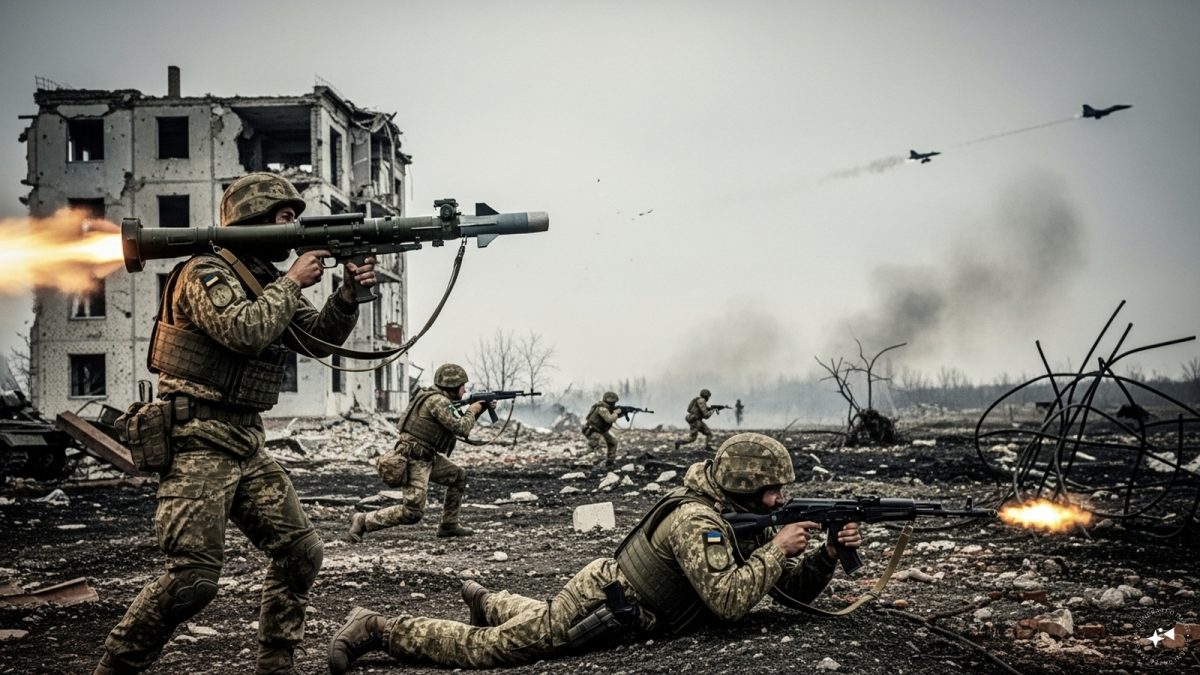 "As Russia pushes east, Ukraine faces mounting pressure to defend its heartland")
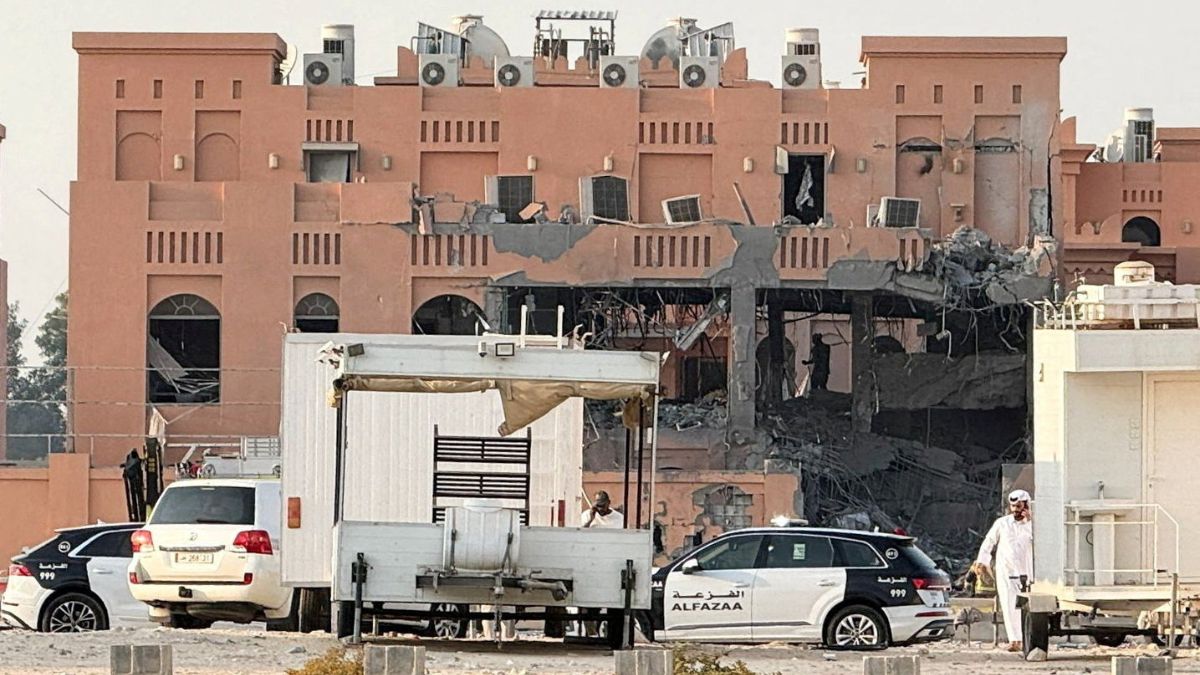 "Why Mossad was not on board with Israel’s strike on Hamas in Qatar")
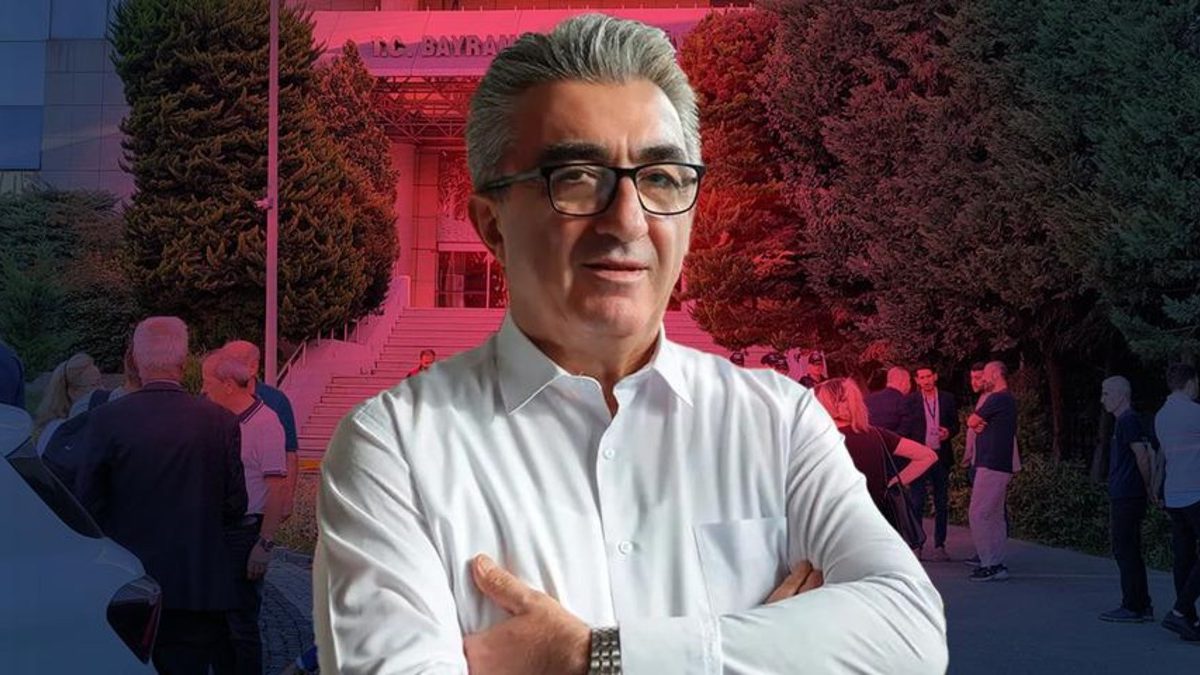 "Turkey: Erdogan's police arrest opposition mayor Hasan Mutlu, dozens officials in corruption probe")



