

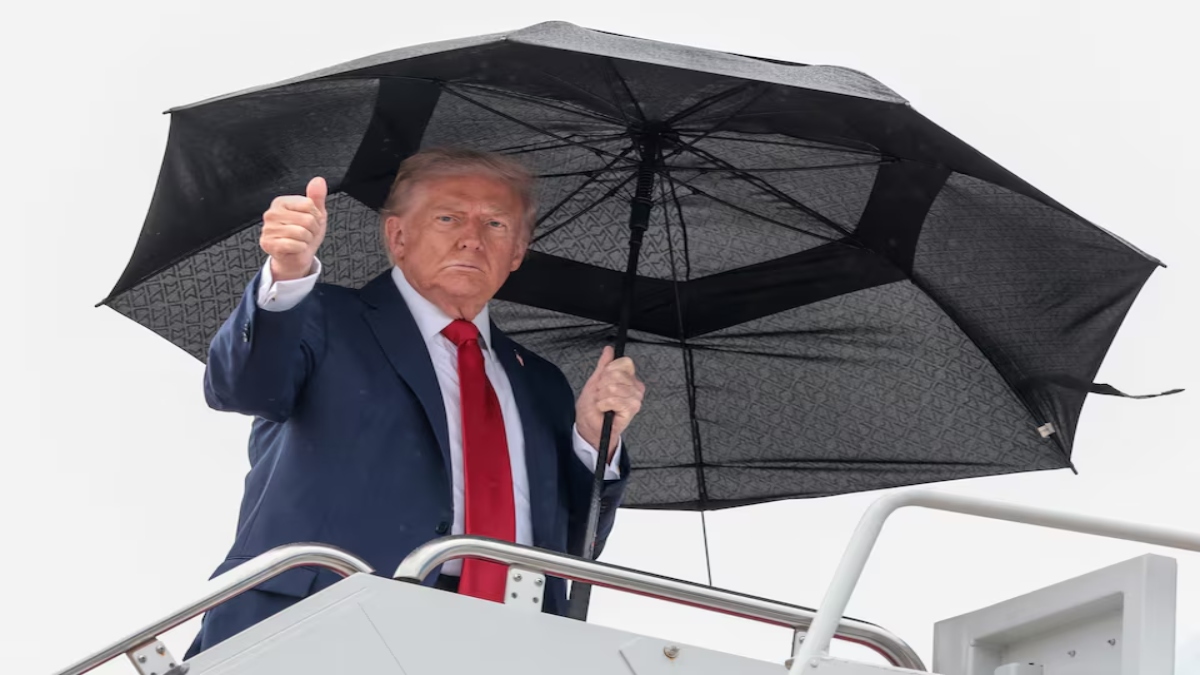
 "How ignoring Pakistan, Turkey’s Islamist agenda in South Asia can cost US dearly")
South Asia is hurtling toward a strategic rupture. While the region faces an expanding web of Islamist influence backed by state and non-state actors, Washington’s inattentive posture risks turning local threats into global ones. Instead of confronting the covert advances of Pakistan’s Inter-Service Intelligence (ISI) and Turkey’s Islamist networks in Bangladesh, the American focus appears diverted—at a time when decisive leadership is urgently needed. This drift not only undermines the security of India and its neighbours but also exposes US interests to blowback from proxy-driven militancy that can cross borders and oceans.
Several elements—notably Pakistan’s Inter-Services Intelligence (ISI) and Islamist networks linked to Turkey—have been steadily expanding their footprint in Bangladesh following last year’s Jihadist coup. Rather than addressing these deeply worrying developments, US President Donald Trump appears preoccupied with optics and lucrative business deals, including reported crypto and rare-earth arrangements involving Pakistani interests.
Some media outlets have alleged links between members of Trump’s family and these crypto deals with Pakistan; such reports, whether fully substantiated or not, raise uncomfortable questions about priorities when regional security is at stake.
A dangerous precedent already exists. Decades ago, the ISI became Washington’s de facto proxy in the campaign to expel Soviet forces from Afghanistan—a campaign that saw billions in US and Saudi funding flow to Islamist actors. Islamabad used that trust and funding both to pursue its own strategic interests and to cultivate militant networks, some of which later became a menace to the United States, Europe, Saudi Arabia and beyond. The lesson should be clear: short-term tactical alliances with unaccountable intelligence services can produce long-term strategic disasters.
According to intelligence sources and media reports, Turkish intelligence agencies are allegedly providing financial and logistical support to Islamist groups in Bangladesh—notably the radical organisation Jamaat-e-Islami. Such support, if confirmed, would heighten India’s security concerns and complicate the broader regional balance.
Impact Shorts
More ShortsAlarmingly, Jamaat-e-Islami’s leadership has issued menacing rhetoric aimed at India. Syed Abdullah Mohammad Taher, Nayeb-e-Ameer of Jamaat, recently declared during a gathering in New York City that the group was prepared to wage guerrilla war against India through a purported regiment of five million youths, invoking the concept of “Ghazwa” or Islamic conquest.
Whether such figures are rhetorical posturing or reflect a concrete mobilisation plan, the very invocation of transnational conquest cannot be dismissed as innocuous. Radical movements that adopt such language frequently seek influence and recruits well beyond their home base—into Western countries, Australia, and elsewhere—and often operate through networks disguised by civil-society fronts.
Observers in Turkey and elsewhere view the current situation in Bangladesh—where an unelected, Islamist-influenced regime is consolidating power—as a potential springboard for broader Islamist activism across South and Southeast Asia. In an analysis published by security experts, Pakistan is cited as a key enabler of Turkey’s growing Islamist footprint in the region. A stronger Turkish and Pakistani presence in Bangladesh could, in the analysts’ view, pose a direct challenge to India’s national security and to regional stability more broadly.
Even Western diplomatic missions have not escaped controversy; the British High Commission in Dhaka has been accused by some critics of turning a blind eye to elements of Turkey’s outreach abroad. Such allegations, if true, would indicate how geopolitical influence operations can be subtle and multilayered—involving state actors, ideological organisations, and sympathetic civil-society networks.
At home, the process of Islamisation appears to be advancing through political, institutional, and informational means. The current regime led by Muhammad Yunus—which critics describe as heavily influenced by Islamist-jihadist elements—is methodically weakening the institutions that have historically defended Bangladesh’s sovereignty: the Bangladesh Army and the Directorate General of Forces Intelligence (DGFI). Rather than recognising the counterterrorism achievements of these institutions, the regime has pursued legal and media-driven campaigns to discredit senior officials while launching purges that erode institutional capacity.
For decades, DGFI and the Bangladesh Army have been principal bulwarks against violent extremism. They have disrupted and dismantled training camps and terrorist networks: from the United Liberation Front of Assam (ULFA) to Jamaatul Mujahedin Bangladesh (JMB), Harkat-ul-Jihad al-Islami (HuJI-B), Ansar al-Islam (a local affiliate of Al Qaeda), and ISI-linked cells. Weakening these agencies undermines Bangladesh’s ability to counter both domestic and transnational threats.
Islamist organisations view the army and DGFI as the principal obstacles to their expansion. The Yunus administration has filed or threatened legal charges against former DGFI chiefs and reportedly is considering similar actions against serving military leadership. This campaign appears aimed at degrading the military’s independence and public standing—a prerequisite for any attempt to replace it with a politicised force or a parallel paramilitary structure modelled on Iran’s Islamic Revolutionary Guard Corps (IRGC).
Concurrently, powerful disinformation campaigns have sought to paint Bangladesh’s armed forces as corrupt and oppressive, while portraying Islamist actors as defenders of the people. These carefully crafted narratives—amplified across social media, sympathetic presses and sympathetic foreign platforms—are designed to erode public trust in state institutions and normalise the presence of radical actors in the political mainstream.
If successful, this strategy would not only transform Bangladesh’s internal balance of power; it would create an exportable model for Islamist influence: state capture through legal harassment, institutional purges and the creation of proxy organisations abroad. Such a model would be attractive to transnational Islamist networks and to foreign states seeking strategic depth in South Asia.
The stakes are existential: the deliberate weakening of Bangladesh’s military and intelligence institutions, combined with foreign patronage of Islamist forces, threatens to turn a regional problem into a global one. Washington must recognise that transactional deals and distracted diplomacy will not contain the spread of militant influence. The United States should reassert principled leadership: prioritise reliable partnerships, condition engagement on respect for sovereign institutions and the rule of law, and expose malign influence operations openly.
If US policymakers continue to shrug off this mounting danger, the consequences will be felt not only across South Asia but far beyond—in the streets of European capitals, in the security calculus of the United States, and in the safety of millions who yearn for peace and stability.
The author is a journalist, writer, and Editor of the newspaper Blitz. He specializes in counterterrorism and regional geopolitics. (X: @Salah_Shoaib). The views expressed in the above piece are personal and solely those of the author. They do not necessarily reflect Firstpost’s views.

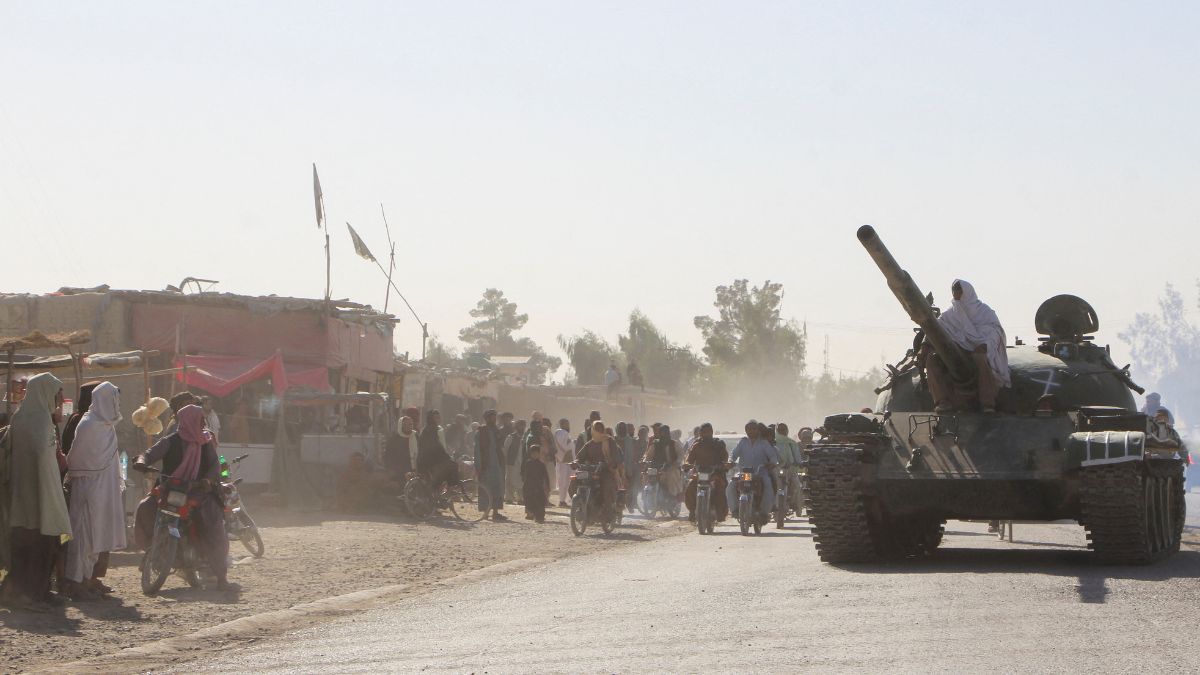 "Pakistan & Afghanistan’s Taliban agree to 48-hour ceasefire")
 "Pakistan-Afghanistan announce 48-hr ceasefire: Who could bring conflict to a permanent end?")
 "'Arrangements at New Delhi World Para-Athletics Championships much better than Kobe and Paris': India's Ekta Bhyan")
 "Crypto kings or criminals? MIT-educated brothers stand trial over alleged $25 million crypto theft")
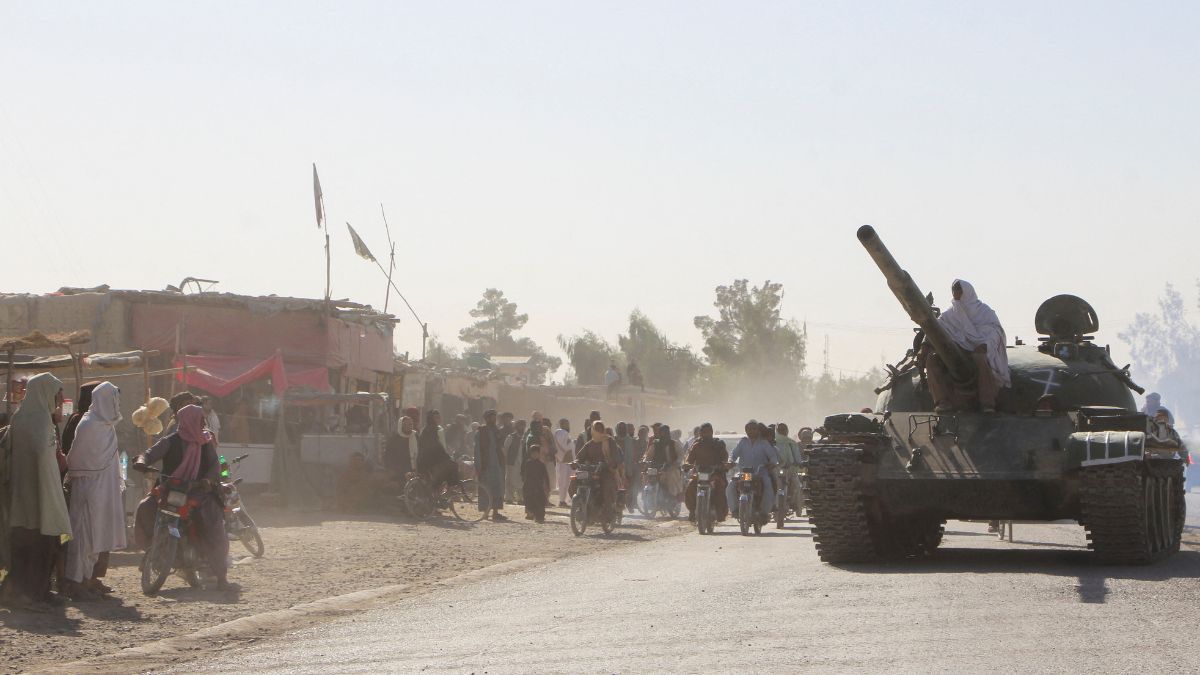 "Pakistan & Afghanistan’s Taliban agree to 48-hour ceasefire")
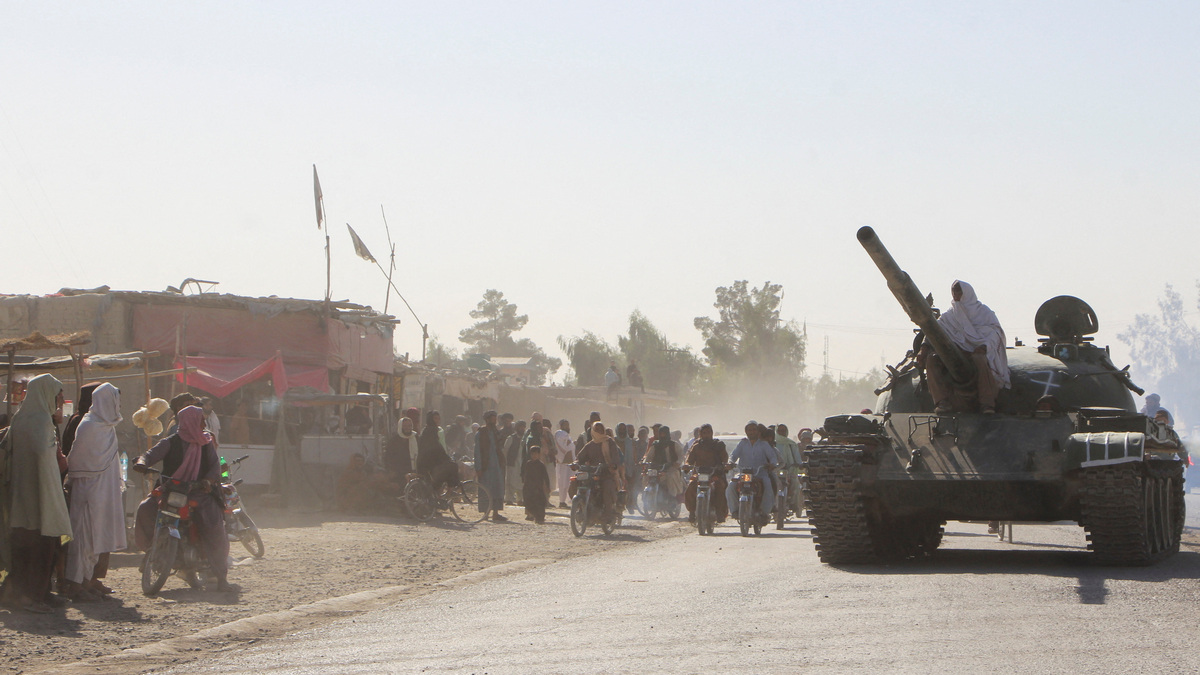 "Pakistan-Afghanistan announce 48-hr ceasefire: Who could bring conflict to a permanent end?")
 "'Arrangements at New Delhi World Para-Athletics Championships much better than Kobe and Paris': India's Ekta Bhyan")
 "Crypto kings or criminals? MIT-educated brothers stand trial over alleged $25 million crypto theft")



