

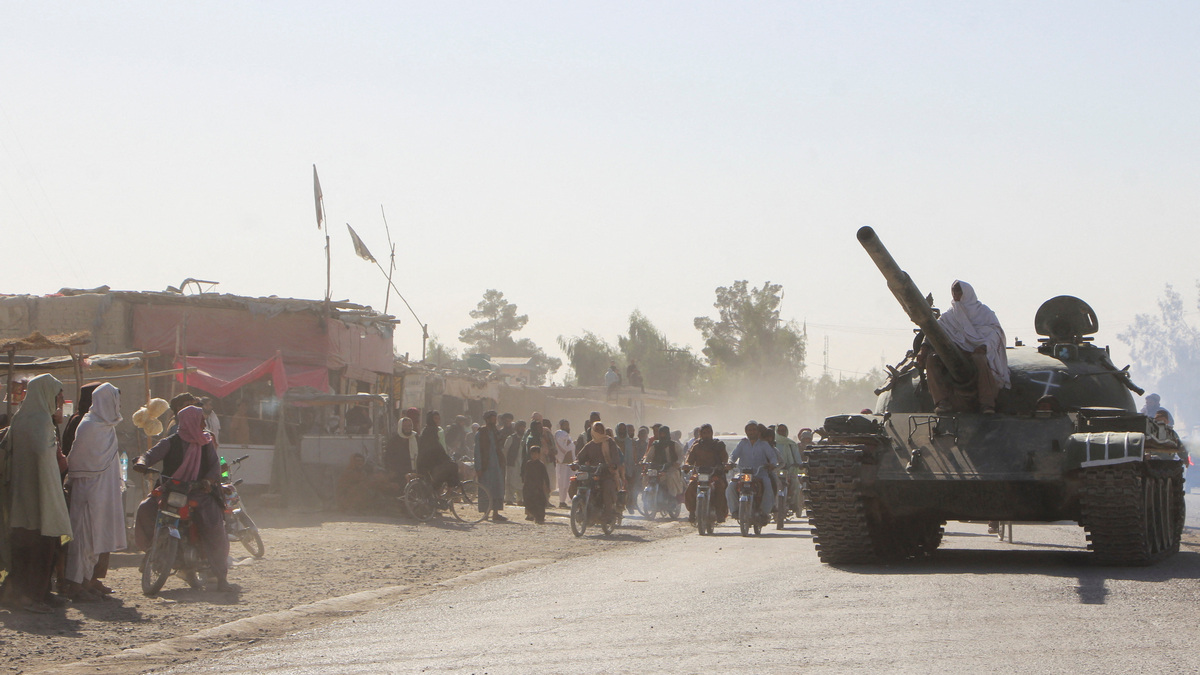
 "Pakistan-Afghanistan announce 48-hr ceasefire: Who could bring conflict to a permanent end?")
Pakistan and Afghanistan have agreed to a 48-hour ceasefire. Pakistan’s Foreign Ministry said both countries will make sincere efforts through dialogue to find a positive solution to the complex yet resolvable issue.
The ceasefire, which began at 6 pm local time in Pakistan, will go on till Friday.
The development came a day after clashes broke out at the border between the two countries, leaving dozens dead and each side accusing the other of instigating the conflict.
The clash, the deadliest between the two countries since the Taliban returned to power in 2021, began last week after blasts in Afghanistan including twin explosions in its capital of Kabul. The Taliban government responded by launching an offensive along its southern border – which in turn infuriated Pakistan.
The countries have been at odds over the Taliban Tehreek-e-Taliban (TTP), which Islamabad claims has taken refuge in Afghanistan. Kabul has denied this accusation. The development comes amid a historic visit from the Taliban foreign minister Amir Khan Muttaqi to India. He noted the developments in India, saying “There are certain groups in Pakistan that are trying to stir up unrest.”
But who could play mediator between the two sides?
Let’s take a closer look.
Saudi Arabia and Qatar
Saudi Arabia and Qatar could both play a role in getting the two sides to talk.
There are reports that Kabul has refused to allow entry to Islamabad’s top representatives into the country, including the Pakistani defence minister, the ISI chief, and two military officials. Three visa requests have been rejected on three consecutive days – resulting in Pakistan suspending all ties with Afghanistan.
Impact Shorts
More ShortsIslamabad had now reached out to both Saudi Arabia and Qatar to intervene. “For God’s sake, stop Afghans from fighting,”
Pakistani officials reportedly told their counterparts. Pakistan and Saudi Arabia recently signed a mutual defence pact.
Representatives of both nations had taken to social media to express their concerns.
“The Kingdom of Saudi Arabia follows with concern the tensions and clashes witnessed in the border areas between the Islamic Republic of Pakistan and the State of Afghanistan,” the Saudi Foreign Ministry said on X.
Qatar’s Foreign Ministry, meanwhile, called for “dialogue, diplomacy and restraint” from both sides.
But they aren’t the only ones ready to help.
US President Donald Trump had also said he could mediate the dispute. Trump, making the remarks prior to heading to Egypt for the Gaza Peace Summit, said he had resolved eight such wars – the last of which was Israel and Hamas.
“This will be my eighth war that I have solved, and I hear there is a war now going on between Pakistan and Afghanistan,” Trump said.
The US President and his administration had been openly campaigning for the Nobel Peace Prize – which was awarded to Venezuelan Opposition leader Maria Corina Machado. Trump had claimed to stop a number of wars including the India-Pakistan conflict – which New Delhi has strenuously denied.
Iran’s Foreign Ministry too offered its assistance “to reduce tensions between the two neighbouring and Muslim countries.” Pakistan, Saudi Arabia and Qatar are Sunni-majority countries, while Iran is a Shia-majority nation.
What do experts say?
They say this is a major story.
Al Jazeera’s Kamal Hyder called the development a “serious escalation” that threatens to “lead to something much bigger”.
“The population on both sides are wary of the new round of escalations,” Hyder said.
They say this is essentially Pakistan’s actions rebounding on itself.
Michael Kugelman, a Washington-based South Asia analyst, told DW the development was “driven by Islamabad’s failure to curb Afghanistan-based anti-Pakistan terrorism.”
“Despite trying various strategies, including talks and limited military operations primarily within Pakistan, success has been elusive,” Kugelman said. He said “intensified counterterrorism operations” against targets in Afghanistan by Pakistan have resulted in a Taliban response.
Omar Samad, former ambassador of Afghanistan to Canada and a non-resident senior fellow at the Atlantic Council, added that the development “can escalate into widespread violence and military action beyond what we are experiencing".
“Tensions between the Pakistan military establishment and the de facto Afghan government have been rising for the past two years, partly caused by missteps, misunderstandings and mismanagement,” Samad added.
Kugelman added that the TTP “which has a strong presence in Pakistan despite its main base in Afghanistan” could hit back hard at Pakistan.
“Thus, TTP reprisals, possibly encouraged by the Afghan Taliban, remain a major concern for Pakistan’s future,” he said.
What we know
The Afghan Taliban said more than a dozen of its civilians were killed and 100 wounded as Pakistani forces launched attacks in the early hours of Wednesday in the district of Spin Boldak. Pakistan said four of its civilians were wounded in attacks by “Taliban forces” in the district of Chaman, which is opposite Spin Boldak across the frontier.
Fighting between troops and militants in a second incident in Pakistan’s border district of Orakzai killed six Pakistani paramilitary soldiers and wounded six, two security officials said. Nine militants were also killed, they said, adding that the violence broke out during a search in the area by troops after a militant attack last week killed 11 Pakistani soldiers.
The Pakistani military did not immediately respond to a request for comment on the Orakzai clash. But it dismissed as “outrageous and blatant lies” Kabul’s accusation that Pakistan had launched the attack in Spin Boldak.
With inputs from agencies

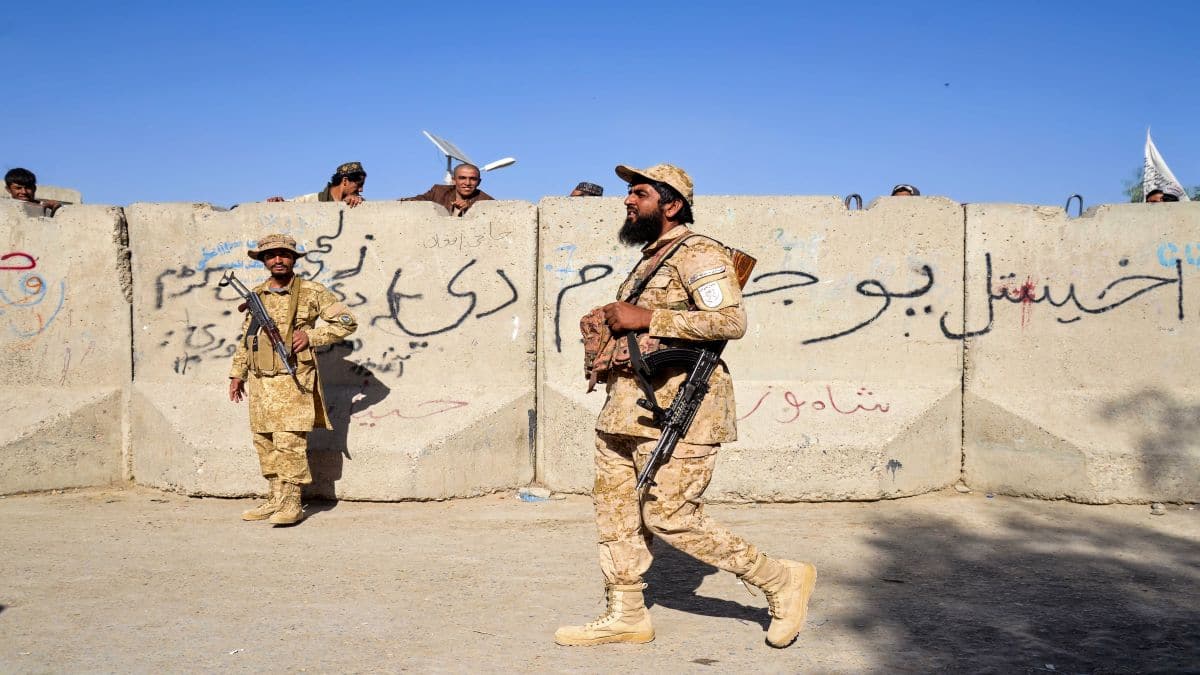
 "Pakistan & Afghanistan’s Taliban agree to 48-hour ceasefire")
 "'Arrangements at New Delhi World Para-Athletics Championships much better than Kobe and Paris': India's Ekta Bhyan")
 "Crypto kings or criminals? MIT-educated brothers stand trial over alleged $25 million crypto theft")
 "Are AI valuations in bubble territory? Big money thinks so")
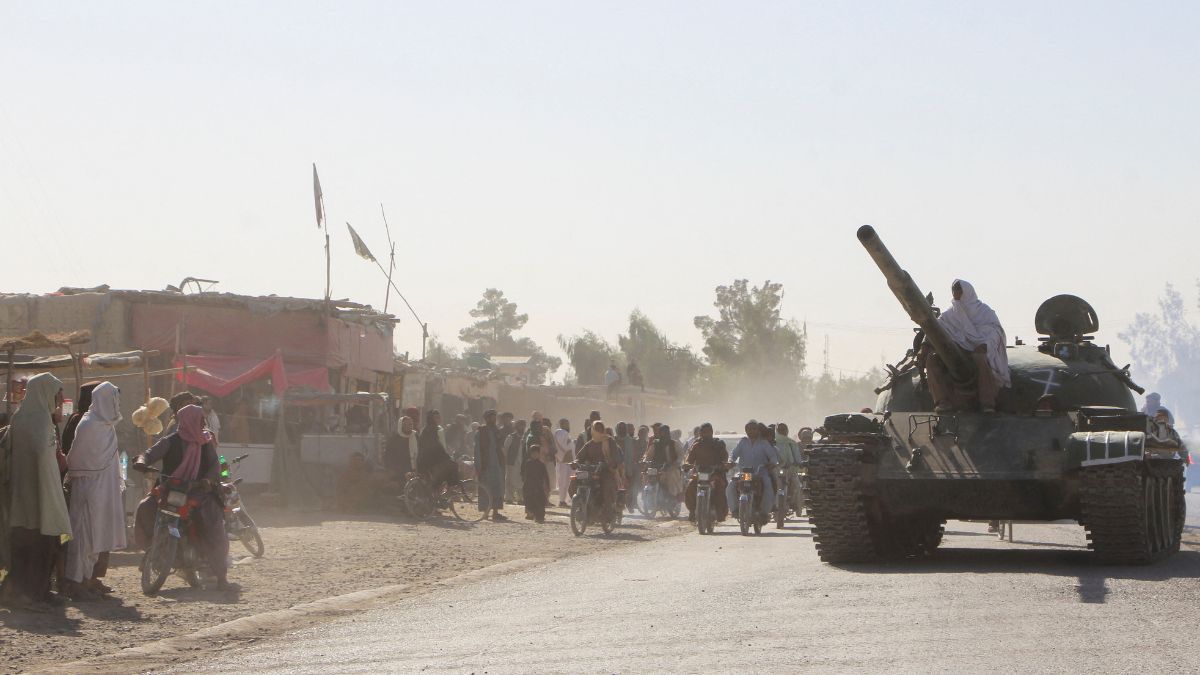 "Pakistan & Afghanistan’s Taliban agree to 48-hour ceasefire")
 "'Arrangements at New Delhi World Para-Athletics Championships much better than Kobe and Paris': India's Ekta Bhyan")
 "Crypto kings or criminals? MIT-educated brothers stand trial over alleged $25 million crypto theft")
 "Are AI valuations in bubble territory? Big money thinks so")



