 "Casting off colonial era baggage, India's criminal justice system ushers in a new era")
Ex-Congress stalwart and Constituent Assembly member K Hanumanthaiya had said this on 17 November, 1949: “We hoped for the sweet melodies of veena or sitar, but what we got was the sound of an English band.” He was referring to “colonial continuity” in post-independence India. Over time, many systems embraced a more Indian identity, but unfortunately, the criminal justice system held on to the laws that the British used against Indians. There was a need for an overhaul and the Parliamentary Standing Committee on Home Affairs, in its 146th report published in 2010, suggested that it’s essential to thoroughly review the country’s criminal justice system.
Earlier, in its 111th and 128th reports, the Parliamentary Committee had emphasised the importance of improving criminal laws through comprehensive legislation rather than making small changes to existing acts. No government took an interest in shedding the shackles of the colonial past as the hangover of colonial continuity gave them comfort.
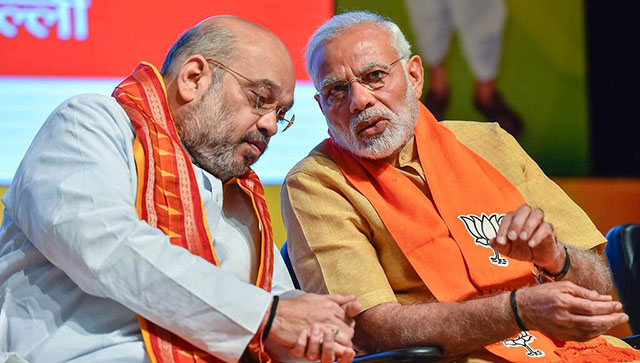
However, as the architects of “naya Bharat” this government under Prime Minister Narendra Modi and Home Minister Amit Shah took it upon themselves to replace the Indian Penal Code(IPC), the Criminal Procedure Code(CrPC), and the Indian Evidence Act with three new bills namely the Bharatiya Nyaya Sanhita(BNS) Bill, Bharatiya Nagrik Suraksha Sanhita(BNSS) Bill and Bharatiya Sakshya Bill 2023. First introduced in August 2023, these were re-introduced after some amendments in this winter session of the Parliament.
Despite various changes, let’s focus on a few key aspects. One major shift introduced by the bill is the concept of trial in absentia. According to the new BNSS bill, if someone declared a proclaimed offender runs away to avoid trial and there’s no immediate chance of arresting them, it will be considered a waiver of their right to be present for the trial in person. In simpler terms, the court can proceed with the trial as if the person were there, including delivering the judgment.
Quick Reads
View AllThe Supreme Court, in the 2017 Hussain vs Union of India case, also observed that allowing trial in absentia could significantly reduce delays in cases where an accused person goes into hiding during the trial. This is a significant step forward, as India has faced challenges when fugitives flee abroad, leading the country to depend on other nations to extradite them and ensure their physical presence for trial.
Another significant change pertains to addressing the issue of mob lynching. The new BNS bill now considers murder or causing serious harm by a group of five or more people on specific grounds such as race, caste, sex, language, or personal belief as a punishable offence. The prescribed punishment for such a crime is either life imprisonment or the death penalty.
It’s worth noting that, despite opposition parties previously using terms like “lynchistan” to criticise the country under the BJP rule, they have been relatively silent when it comes to acknowledging the crime and advocating for laws against it. This law is expected to put an end to the hypocrisy of those who, in the past, defamed the country but never went ahead and made stringent laws against mob violence which could have been a deterrent. It will also set the record straight on whether a particular community has been the victim of mob lynching incidents or whether this was a vicious propaganda planted by certain Opposition parties to defame India globally.
Another crucial change worth noting is that BNS introduces terrorism as an offense. Terrorism is now defined as an act with an intent likely to threaten the unity, integrity, security, or economic well-being of the country, causing terror among the people. Unlike before, where terrorism was mainly associated with organizations, individuals can now be prosecuted under the new BNS. In addition to the unambiguous terrorism definition, the bill also incorporates organised crime. This development is expected to significantly enhance the Indian legal system, and the specific classification of terrorism may serve as a model for other countries grappling with similar challenges. Moreover, the specific definition of terrorism will also set an example for other countries grappling with similar challenges.
In addition to the three major changes, several other reforms have been made, notably the removal of the harsh sedition law. It’s interesting to note that during the era of British colonialism in India, sedition was considered a non-cognisable offence. This meant that a police officer couldn’t arrest someone accused of sedition without a warrant from a magistrate. However, a significant shift occurred in 1974 when the Indira Gandhi government, more than a year before the declaration of the Emergency in independent India, made sedition a cognisable offence. This marked the first time in Indian history that a police officer could arrest a person accused of sedition without needing a warrant from a magistrate. A law as harsh as this needed to go and the Supreme Court too had directed the same in the SG Vombatkere vs Union of India.
Another key feature of these new bills is the integration of forensic science as a valid evidence-gathering instrument in our criminal justice procedures. This will go a long way in combatting the newer challenges posed by cybercrimes and narco-terrorism.
Comprehensively, we can say that this change in the criminal justice system of India ushers a new era. An era free from the colonial IPC, which was drafted by a man called Thomas Babington Macaulay, who, in 1835, had condescendingly written that a single shelf of a good European library was worth the whole native literature of India and Arabia. Hope that this will be another step toward slowing down the sound of the “English Band” and replacing it with sounds of veena and sitar. The evolving legal landscape not only seeks to address current issues but also lays the foundation for a more inclusive, efficient, and fair criminal justice system in India.
As Prime Minister Modi has remarked, the passage of these three landmark bills marks a watershed moment for India. This overhaul of our criminal justice system will go a long way in amplifying the Modi government’s zero-tolerance policy toward crime and terrorism. Prime Minister Modi and Home Minister Shah have, as always, led by example once again and shown the power of political will in ushering in qualitative transformations.
Tuhin A Sinha is a national spokesperson of BJP, besides being an acclaimed author. Nishant Kumar Hota is a public policy consultant. Views expressed in the above piece are personal and solely that of the author. They do not necessarily reflect Firstpost’s views.
Read all the Latest News, Trending News, Cricket News, Bollywood News,
India News and Entertainment News here. Follow us on
Facebook,
Twitter and
Instagram.

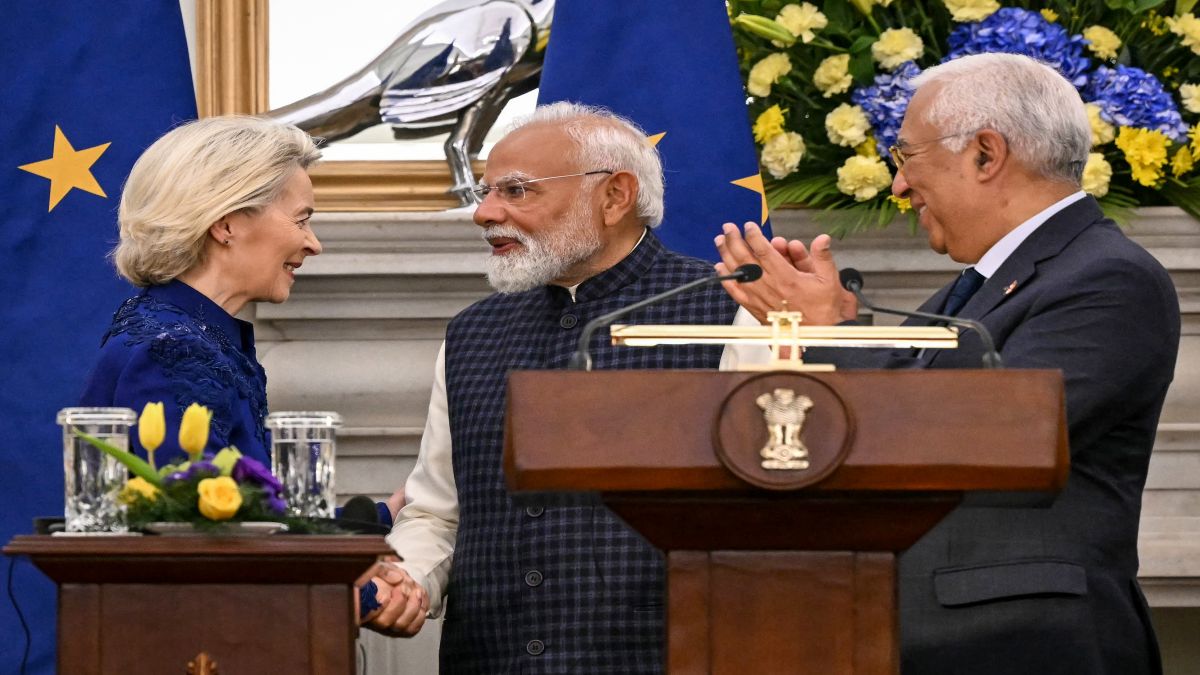 "India–EU FTA to benefit Rs 6.4 lakh crore exports across key states and sectors, says Piyush Goyal")
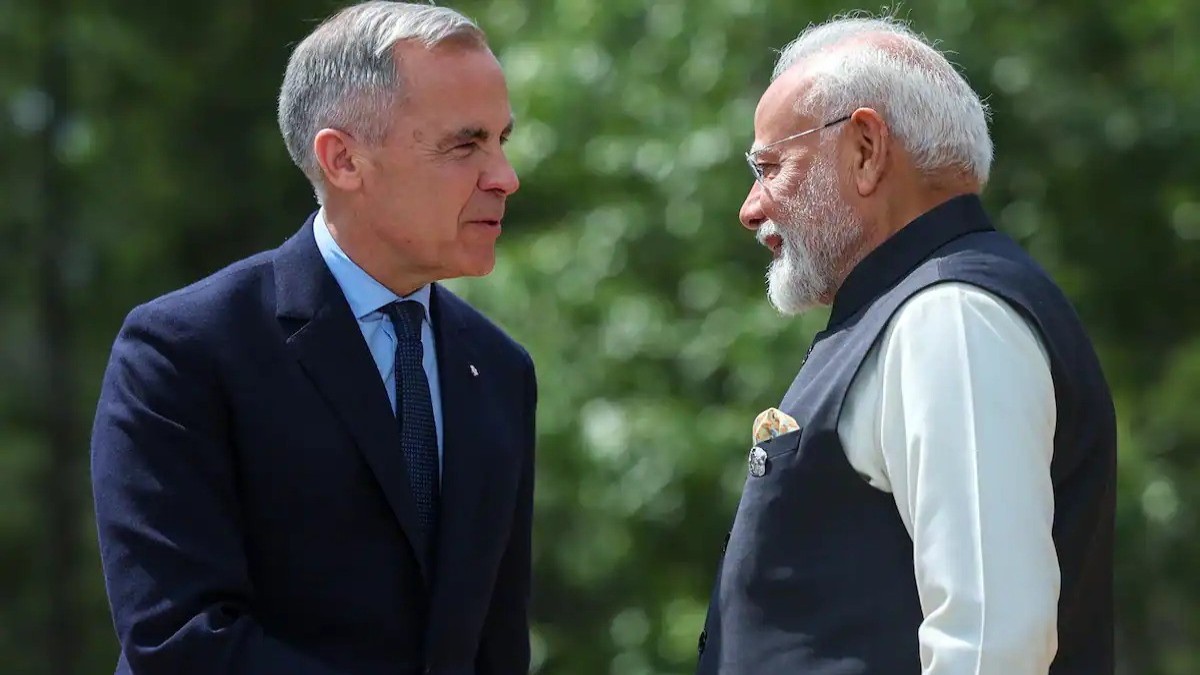 "Will reset in Indo-Canada ties be complete with Carney's visit?")
 "Zelenskyy sets 2027 target for Ukraine’s EU accession, stresses security guarantees")
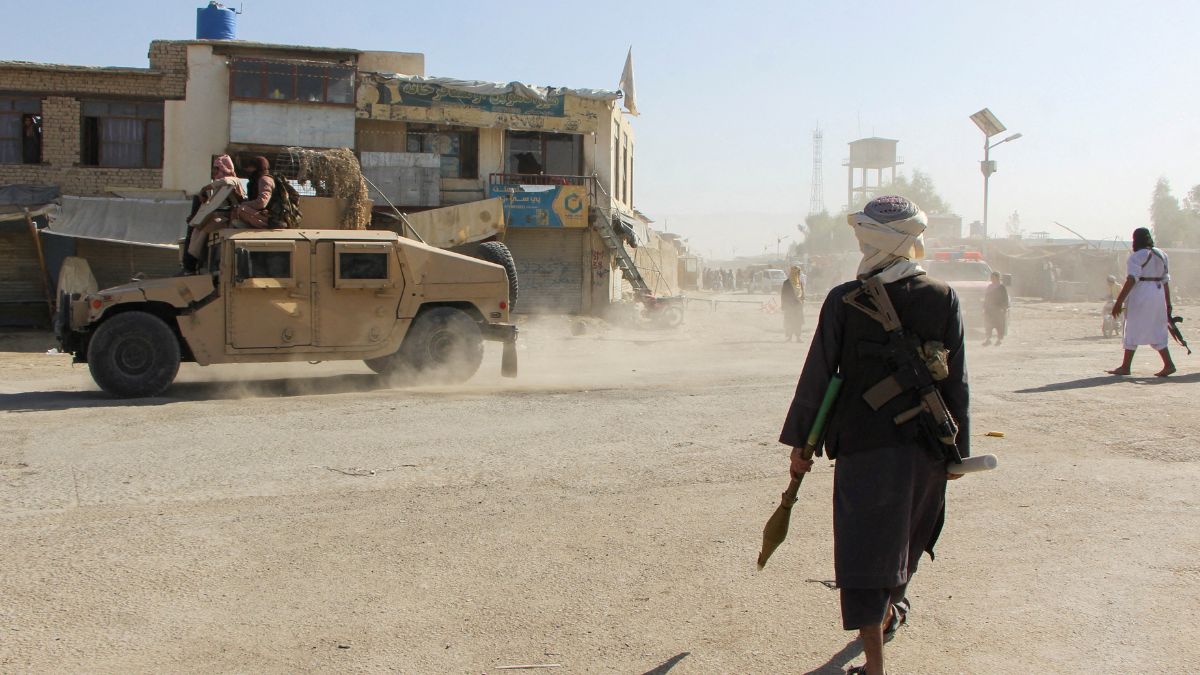 "How Taliban's new criminal code legalises slavery, grants clerics immunity")
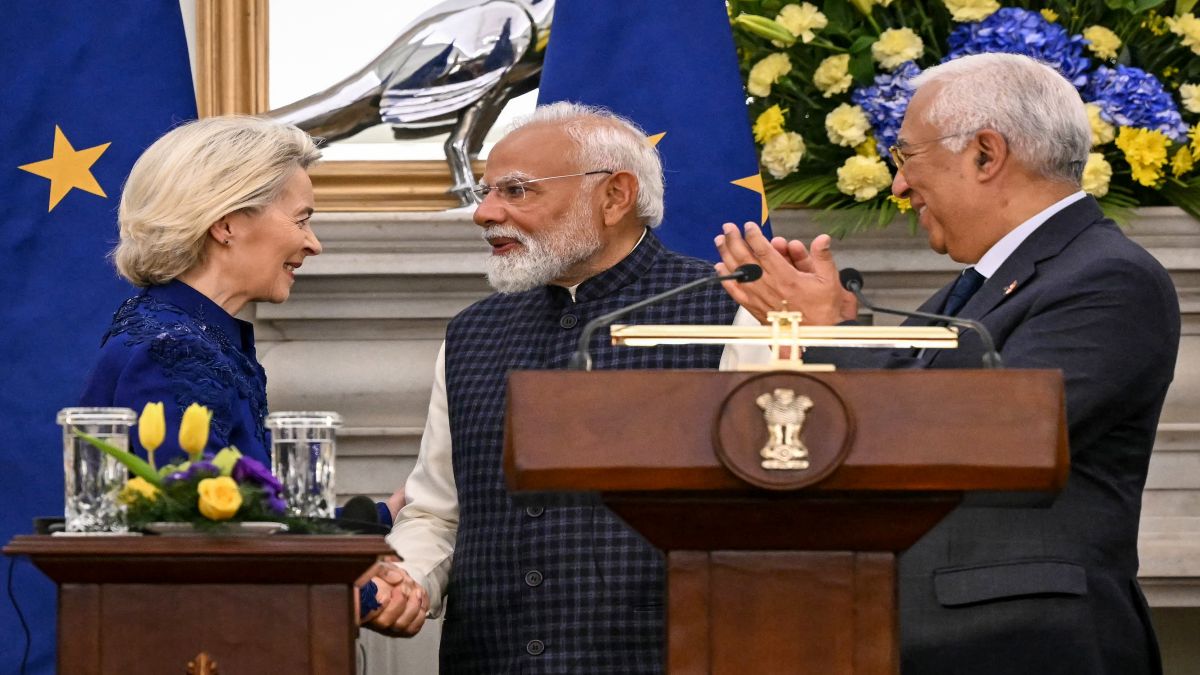 "India–EU FTA to benefit Rs 6.4 lakh crore exports across key states and sectors, says Piyush Goyal")
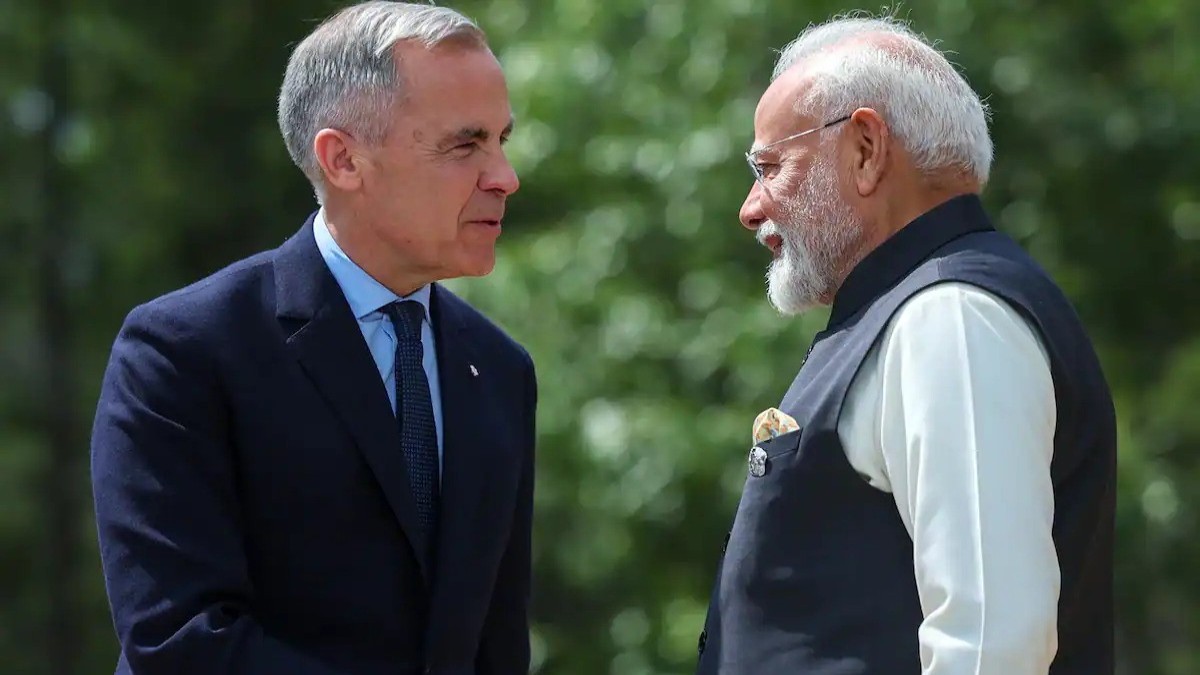 "Will reset in Indo-Canada ties be complete with Carney's visit?")
 "Zelenskyy sets 2027 target for Ukraine’s EU accession, stresses security guarantees")
 "How Taliban's new criminal code legalises slavery, grants clerics immunity")