

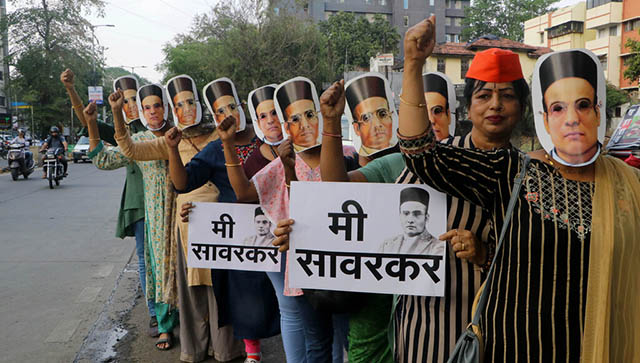
 "Bharat's unseen patriots: Igniting flame of nationalism and brave tales of sacrifice to secure India's Independence")
In the heart of a land teeming with dreams of liberation, a symphony of resilience and valor played out in the shadows, echoing the anthem of a nation yearning to break free. The winds of change whispered promises of independence, and amidst the cultural onslaught, patriots arose like phoenixes from the ashes of subjugation. Their stories, often untold, paint a canvas of devotion and sacrifice that ignited the fire of nationalism across the length and breadth of India. Amidst the battleground of ideologies, emerges a twist of truth, shattering misconceptions. The so-called ‘anti-Savarkar’ camp misreads Hindutva, misjudging its essence. Savarkar’s 1930s manifesto, a beacon of clarity, dispels the fog. “Nation above all,” it declares, sweeping aside divisions of religion, caste, and pride. His vision champions equality, promising rights to every faith and caste in independent India. A stern caveat resonates, though: no ‘State within a State’ under the guise of ‘Minoritism’. As curtains rise on this tale, it’s time to rewrite the narrative and see beyond the shadows of misplaced allegations. In the tapestry of Savarkar’s ideology, a keen discernment unfolds – a revelation of hidden agendas within the garb of moderation. In a nation where pseudo-patriots abound his unalloyed nationalism stands as a beacon. It’s a prism of truth, unmasking the masqueraders – the closet Islamists and veiled communists. A spectacle that exposes the faux allegiance, a theatre where true patriots and impostors take their bows. Oh, what a spectacle it would be to witness the unmasking of these pretenders by the nation’s own truth-seeking lens! In the dawn of his years, Savarkar’s conviction blazed like a star, proclaiming that the shackles of oppression wouldn’t crumble by mere spilling of British blood. His youthful memoirs unveiled a strategic symphony - a clandestine dance of defiance. Collecting weapons in shadows, striking at the heart of the imperial beast, arming arsenals within and beyond borders, sewing threads with foreign allies like Germany and Russia. A revolution’s seed, sown in secret literature, kindling rebellions, sowing chaos in the enemy’s grasp. From this crucible, emerged his brainchild - the Mitra Mela and the Abhinav Bharat Society, weaving webs of revolution across Maharashtra. They nurtured a fearless breed, warriors of a clandestine war. In the heart of this fervour, a blast echoed through history’s corridors - the birth cry of India’s revolution. Through this mosaic of intrigue, Savarkar envisioned an epoch of upheaval, where a nation’s spirit would be forged through strife, leading to a final crescendo of independence. Their purpose was a clarion call - an armed revolution to unshackle Bharat from the chains of British tyranny. The Society’s name evolved, just as its resolve did, embracing the title ‘Abhinav Bharat’ in 1904. But it was not only in India that their pursuit of freedom echoed. The annals of history remember the piercing shots of William Curzon-Wyllie’s assassination in the Imperial Institute in London, a testament to the lengths brave souls were willing to go in their quest for liberty. However, the echoes of courage resonated not only overseas. In the heart of Bharat, the district magistrate of Nasik, AMT Jackson, fell to the flames of revolution, his life claimed by the valiant Anant Laxman Kanhare in the historic “Nasik Conspiracy Case.” It was a chapter of resistance that etched its place in the tapestry of freedom struggles. Veer Savarkar, for his unwavering dedication, found himself sentenced to the infamous Cellular Jail in the Andaman Islands, becoming a living embodiment of the sacrifices that stoke the fires of change. Amid the backdrop of history’s grand stage, Savarkar’s brilliance shines like a beacon, challenging the veils woven by skewed narratives. Across oceans and borders, he wove a web of connections with kindred spirits, secret alliances with revolutionaries from Ireland, Egypt, Russia, and beyond, nurturing an intricate web of intelligence. Early on, his prescience astounds – penned within the pages of ‘Talwar,’ an Abhinav Bharat manifesto in 1909. He forecasted the storm of war gathering in Europe, weaving the threads of destiny as he strategized to incite unrest among British Indian soldiers. Leaflets, whispers of rebellion, fluttered clandestinely, delivered through the same hands that unknowingly served imperial rule. As the Great War dawned, a global pact simmered in shadows. Savarkar stood amidst luminaries like Lala Hardayal, Shyamji Krishna Varma and MPT Acharya, their hearts beating in harmony with Germany’s pursuit of weaponry and war experts. A Gadar, a revolt, was plotted - a symphony of civilians and soldiers poised against British dominion. A 14-point echo of hope resounded in Germany’s plea for India’s total independence, a diplomatic triumph on the global stage. Amidst these undertakings, Savarkar’s vision transcended boundaries. He foresaw the tremors of Assam, sounded alarms against the ’three-pronged invasion’ by outsider Muslims. A dire prophecy emerged – a future in jeopardy if the floodgates were not checked. The past echoes in the present, as Assam grapples with a shifting demographic landscape. In the storm of opinions, Savarkar’s legacy stands steadfast, an eternal spark igniting the path of true Nation First. Yet, amidst the pages of history, a contradiction emerges. Left-leaning historians, driven by their own narratives, strive to obscure the contributions of Hindutva ideologues to the freedom struggle. The truth remains unshaken, witnessed by the names etched in history’s annals - Vasudev Balwant Phadke, the Chapekar Brothers, Lokmanya Tilak, Aurobindo Ghose, and more. A tapestry of moderates and extremists, all threads woven from the loom of Hindu nationalism. Among these voices, whispers echo from the past to the present. Indian leaders like C Rajagopalachari, BG Kher, Yashwantrao Chavan, and MN Roy, once young and impressionable, drew inspiration from Savarkar’s daring acts and profound words. Roy’s words ring true, a metaphor that paints a vivid picture – “Savarkar is like a huge banyan tree. We all are just branches of the tree. Amidst the cacophony, history’s truth remains, an unyielding testament to the legacy of those who championed a united nation’s cause. These pages of history, often obscured by the shadows of time, whisper to us of unsung heroes and their unyielding resolve. Theirs was not just a fight for independence, but a saga of love for the motherland, a journey of passion that lit the torch of nationalism for generations to come. As we turn these pages, let us remember that every step towards freedom was marked by footprints of courage, every verse of the anthem was composed with ink of sacrifice, and every heartbeat of a patriot resonated with the rhythm of a nation’s unwavering desire to soar free. The author is a final year LL.B student at O.P Jindal Global University and is a Bachelors in Global Affairs from the same university. She writes articles on women’s rights, technology and law. Views expressed in the above piece are personal and solely that of the author. They do not necessarily reflect Firstpost_’s views._ Read all the Latest News , Trending News , Cricket News , Bollywood News , India News and Entertainment News here. Follow us on Facebook, Twitter and Instagram.
Amidst the cacophony, history’s truth remains, an unyielding testament to the legacy of those who championed a united India’s cause
Advertisement
End of Article

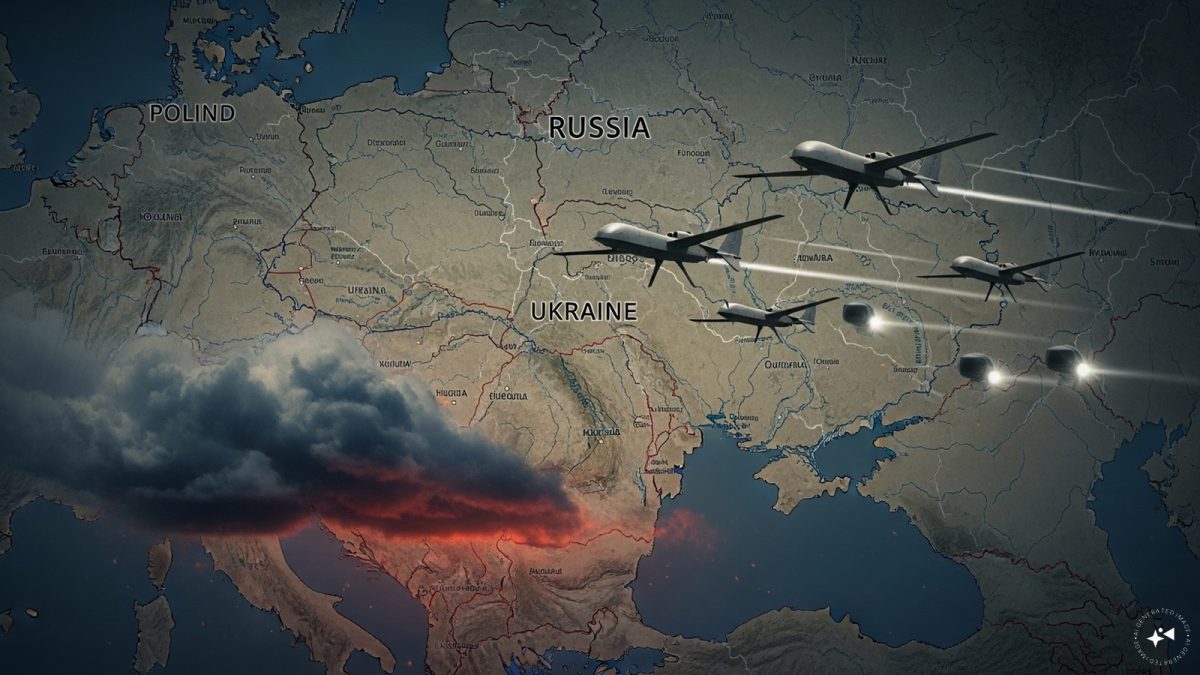 "Russian drones over Poland: Trump’s tepid reaction a wake-up call for Nato?")
 "As Russia pushes east, Ukraine faces mounting pressure to defend its heartland")
 "Why Mossad was not on board with Israel’s strike on Hamas in Qatar")
 "Turkey: Erdogan's police arrest opposition mayor Hasan Mutlu, dozens officials in corruption probe")
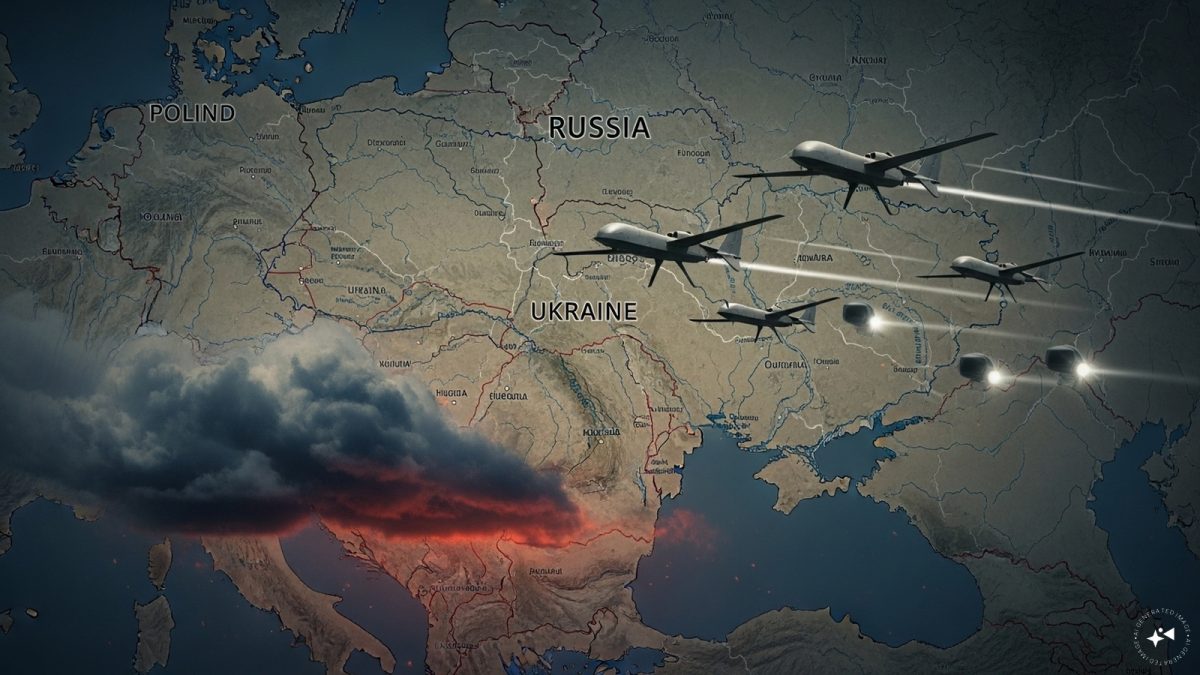 "Russian drones over Poland: Trump’s tepid reaction a wake-up call for Nato?")
 "As Russia pushes east, Ukraine faces mounting pressure to defend its heartland")
 "Why Mossad was not on board with Israel’s strike on Hamas in Qatar")
 "Turkey: Erdogan's police arrest opposition mayor Hasan Mutlu, dozens officials in corruption probe")



