

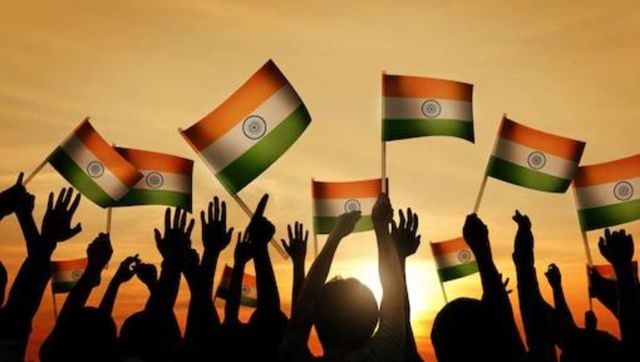
 "Amrit Kaal begins, but India’s journey to developed nation status cannot include freebies")
Independent India has turned 75 with a tiranga campaign undertaken with fervour across the political spectrum dominated by BJP. Not only tiranga campaign, Union Government and non-NDA political parties were also engaged in conveying passionate and pointed responses on the issue of freebies anchored by the Supreme Court. It is heartening to have such a debate on freebies during the 75th year of Independence. The debate, welcomed by Union government, cannot hang loose and run endless without a reference to operational framework for welfare or best practices on welfare governance as freebies are announced and delivered under the garb of welfare. The expectation from the debate grounded on such references is evolution of a framework which is acceptable across the political spectrum and customisable for states. That debate may commence referring the seven diverse themes that form the basis for stratified welfare architecture embedded in the governance extended by Modi government. The first theme is Reservation that includes but not limited to EWS Reservation and quota for SC/ST and women entrepreneurs in Public Procurement Policy. The theme, whose objective is economic upliftment, has either a zero or minimal hit on the budget. Skill development, self-employment and entrepreneurship, the second theme, has Pradhan Mantri Kaushal Vikas Yojana, Mudra, Pradhan Mantri Employment Generation Program - PMEGP etc. with the intent of skilling the workforce to either be self-employed or an entrepreneur for income generation. The hallmark of Mudra and PMEGP is that these are based on banking sector which employs financial leverage. The cost to budget for in this theme is very minimal – e.g., 2500 crore for Mudra in a FY22 Budget of approx. 35 lakh crores but the cumulative number of beneficiaries is a mammoth 34 crores, 25% of Indian population. Assured procurement, the third theme, includes among others Pradhan Mantri Annadata Aay Sanrakshan Abhiyan (PM AASHA), the umbrella scheme to ensure MSP to farmers. This scheme assures income to farmers while the government fulfils its commitments under National Food Security Act to provide highly subsidized food grains to approximately two thirds of the country’s population. Also, this scheme partly addresses the GDP growth in Agriculture which employs the largest workforce. The next theme is contingent welfare or insurance model that encompasses among others Ayushman Bharat - Pradhan Mantri Jan Arogya Yojana - PMJAY, Pradhan Mantri Jeevan Jyoti Bima Yojana - PMJJBY and Pradhan Mantri Suraksha Bima Yojana - PMSBY. The schemes leverage the concept of insurance for providing the health, life and accident insurance cover to the poor and under-privileged sections of the country. The cumulative enrolment under the insurance schemes of PMJJBY and PMSBY is more than 25 crores and there is no cost to the Union Government budget. With an outlay of just 6412 crores for PMJAY in a FY23 Budget of 39.45 lakh crores, the scheme assures health coverage up to 5 lakhs to 10.74 crore poor and vulnerable families. The fifth theme is subsidies. As the theme implies, there’s a considerable cost to the budget but at the same time the set of schemes within this theme have a broader social impact e.g., NFSA, as already mentioned, for providing highly subsidized food grains to approximately two thirds of the country’s population and Pradhan Mantri Awas Yojana for providing quality housing to all citizens across all economic strata. The schemes that will be classified under the handouts theme have diverse objectives with a significant cost to budget - PM KISAN for assistance to procure various inputs to ensure proper crop health and appropriate yield and Pradhan Mantri Shram Yogi Maan-dhan, a voluntary and contributory scheme with an equal matching from the government, provides for a minimum monthly assured pension of 3 thousand from the age of sixty for 10 crore unorganized sector workers. And the last one is core of core schemes, the most important for the Union government for social protection and inclusion, consists of National Social Assistance Program, Mahatma Gandhi National Rural Employment Guarantee Programme, Umbrella Scheme for Development for SCs, STs, BCs, Minorities, differently abled and other vulnerable groups. These schemes have first charge on available funds for National Development Agenda. In a country with low tax to GDP ratio, it is imperative to intelligently and efficiently ration the limited budgetary resources for extending welfare governance to the poor. This led to a design of stratified welfare architecture leveraging and employing various methods of welfare – banking and insurance models being the prominent with the inherent feature of leverage i.e., larger coverage of poor with minimal cost to budget. The lesser known but most profound aspect of the architecture is the wide span of welfare governance from social protection to income generation that uplifts the populace from poverty and supports them in their endeavour to be independent and subsequently untethered from the provisioning of welfare by the government. This welfare system also fosters socio-economic equality. The run rate of freebies being announced by certain political parties is a race to the bottom and a passport to fiscal disaster as per NK Singh, the Chairman of the Fifteenth Finance Commission. In the way RBI is raising interest rates to anchor inflation expectations, PM Modi’s exhortation on avoiding revdi system or freebies is to anchor the revenue and hence fiscal deficit that might otherwise skyrocket through the roof. PM Modi believes that the poor have the first charge on the limited budgetary resources but it is the responsibility of the exchequer – state governments - to empower the poor through welfare schemes so that they will be untethered from the freebies system of governance and live a dignified life with access and ability to pay for all sorts of utilities through income generating opportunities. This process of empowerment must employ a shift from handouts to handholding approach. To achieve the same, the states may analyse, adopt and customize the Modi government’s stratified welfare architecture which must be designed in a way that the set of policies, legislations and schemes gravitate towards minimal cost or hit to budgetary resources while eliminating the quantum of subsidy and handouts through schemes which have no defined social or economic objective. In his speech on 76th Independence Day, PM Modi stressed that the need of the hour is cooperative and competitive federalism with focus on development. As we step into Amrit Kaal, there’s expectation that the state governments sound death knell for competitive freebie announcements, redesign their welfare schemes including freebies which have minimal hit on budget, redistribution of limited budgetary resources skewed towards development and capital expenditure and a sacrosanct fiscal discipline. These potential developments can aid and accelerate India’s journey to a developed nation by 2047. Sandeep Vempati is Joint Convener, BJP Telangana. He holds a Master’s degree in Mathematical Trading & Finance from Bayes Business School, City, University of London Read all the Latest News , Trending News , Cricket News , Bollywood News , India News and Entertainment News here. Follow us on Facebook, Twitter and Instagram.
The hallmark of Mudra and PMEGP is that these are based on banking sector which employs financial leverage. The cost to budget for in this theme is very minimal
Advertisement
End of Article

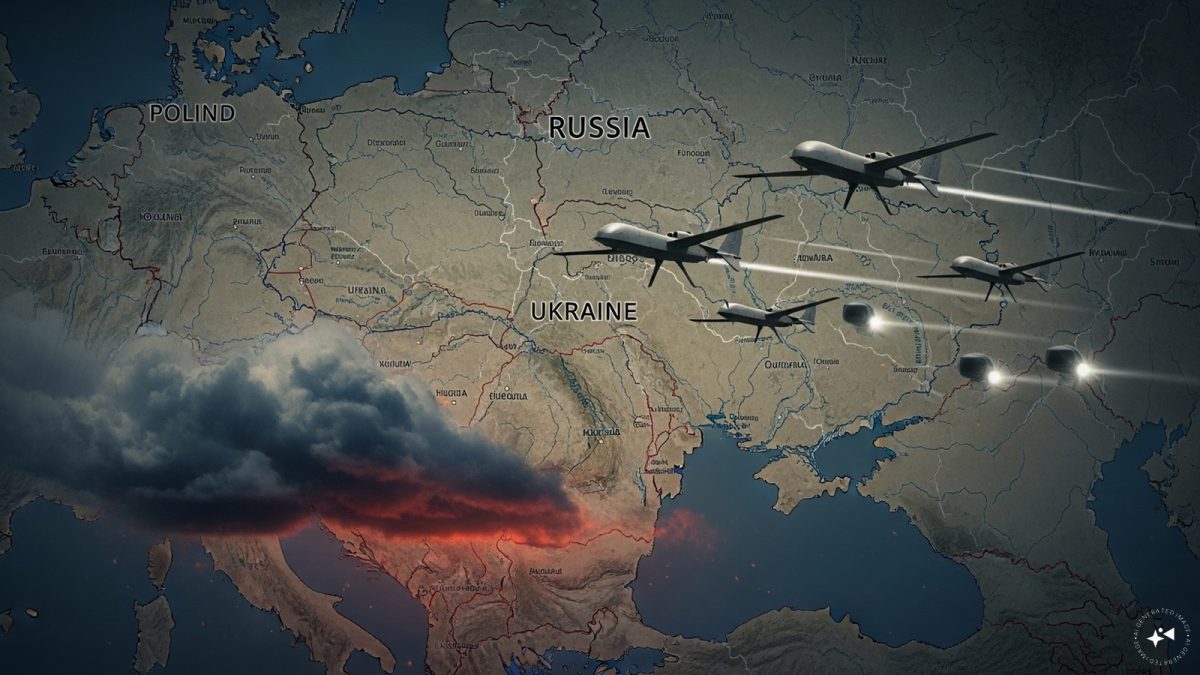 "Russian drones over Poland: Trump’s tepid reaction a wake-up call for Nato?")
 "As Russia pushes east, Ukraine faces mounting pressure to defend its heartland")
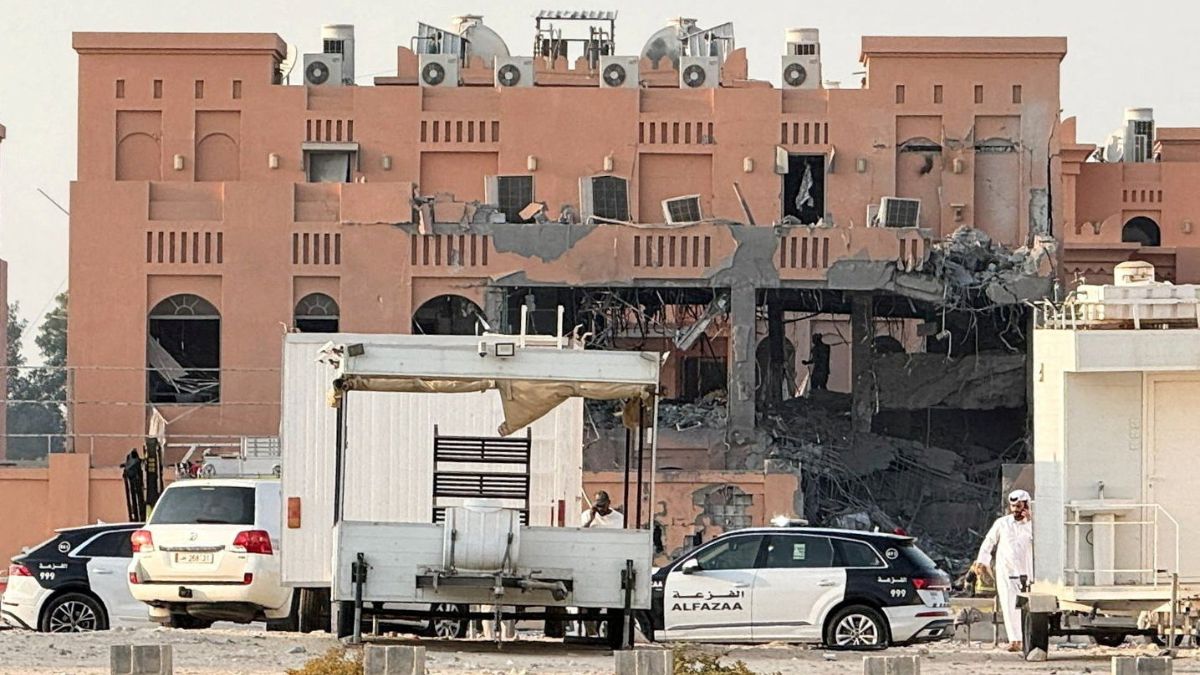 "Why Mossad was not on board with Israel’s strike on Hamas in Qatar")
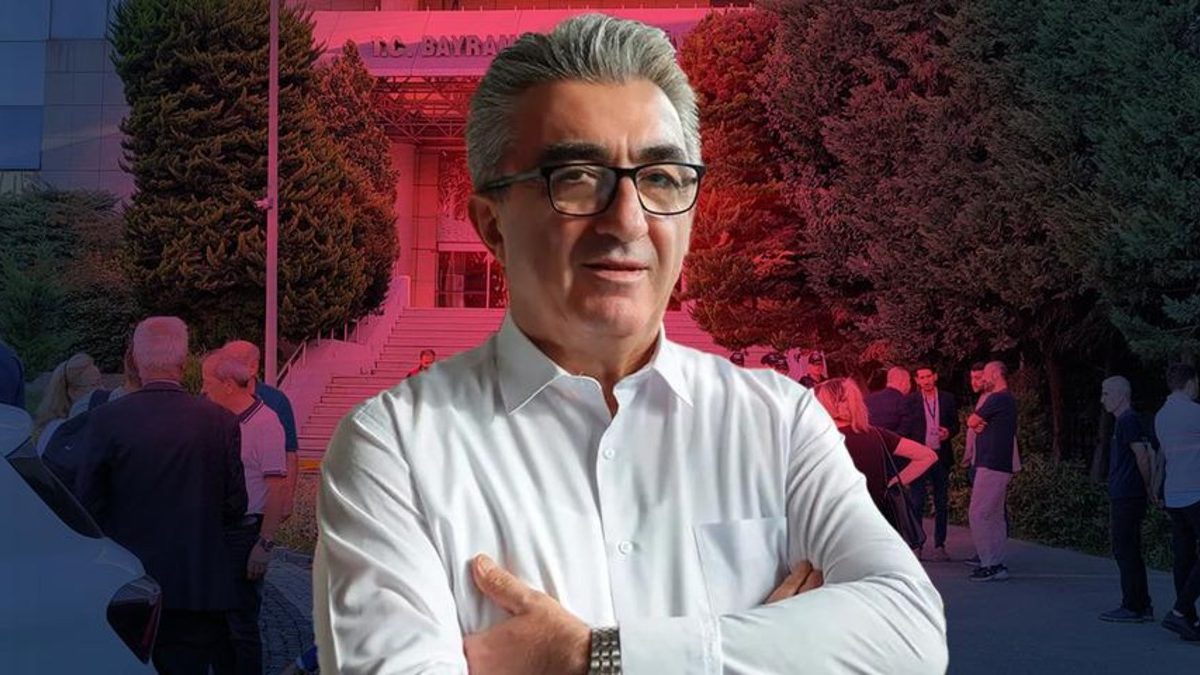 "Turkey: Erdogan's police arrest opposition mayor Hasan Mutlu, dozens officials in corruption probe")
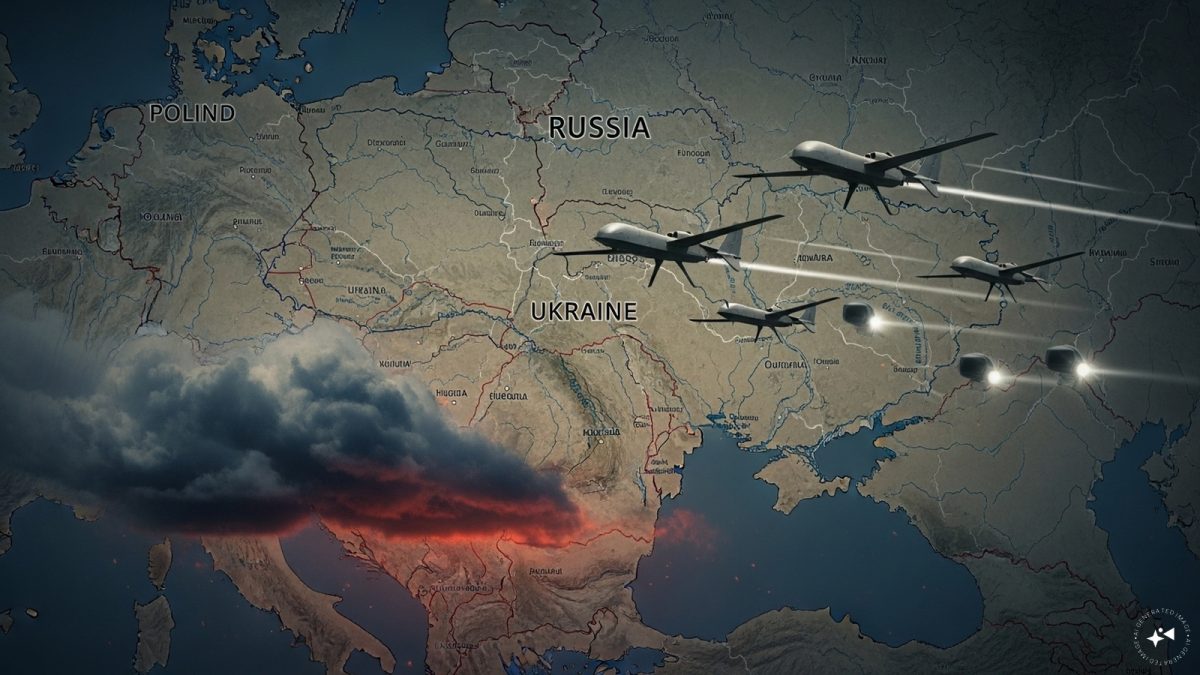 "Russian drones over Poland: Trump’s tepid reaction a wake-up call for Nato?")
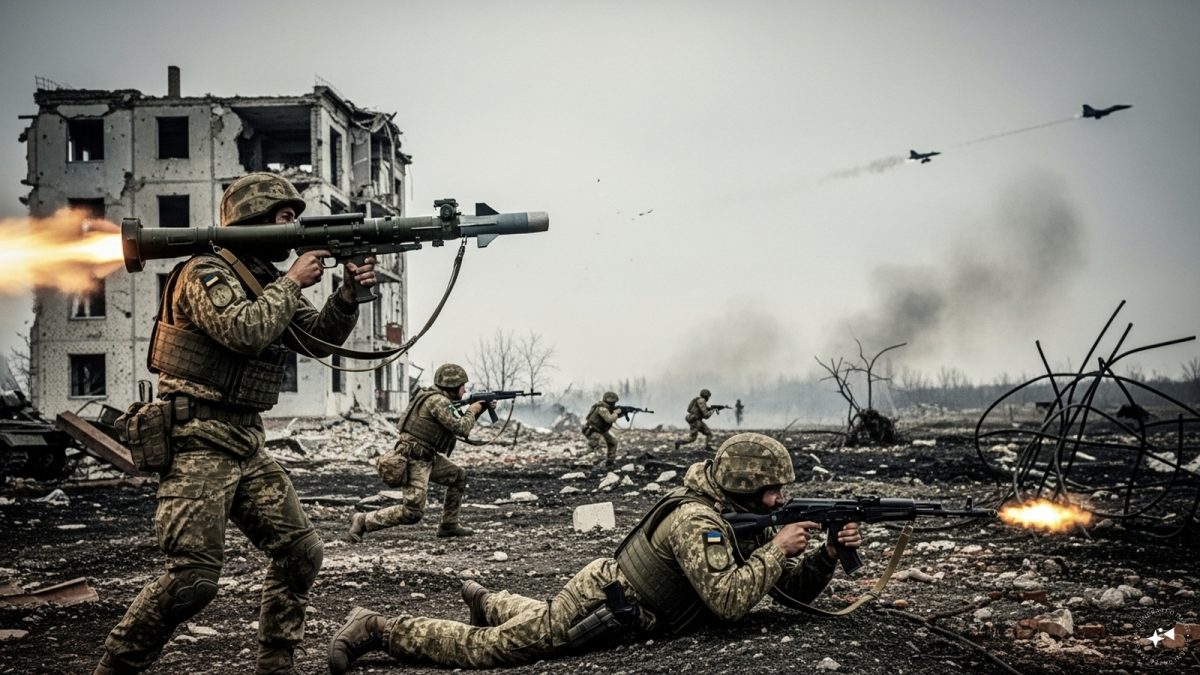 "As Russia pushes east, Ukraine faces mounting pressure to defend its heartland")
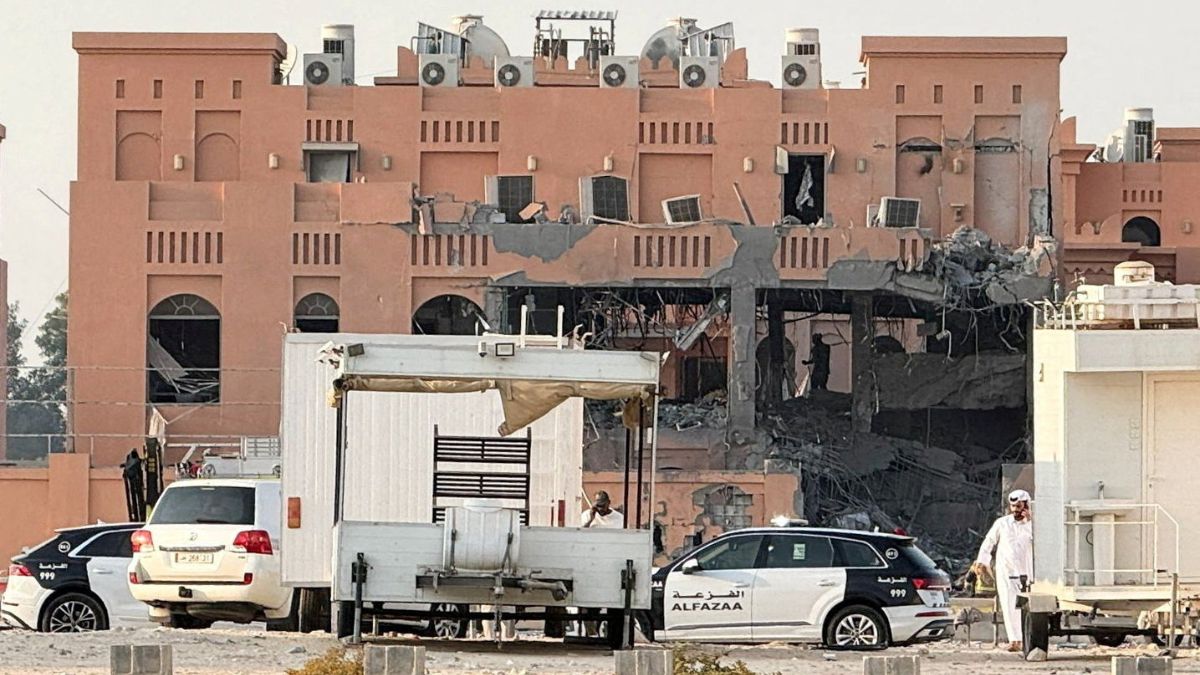 "Why Mossad was not on board with Israel’s strike on Hamas in Qatar")
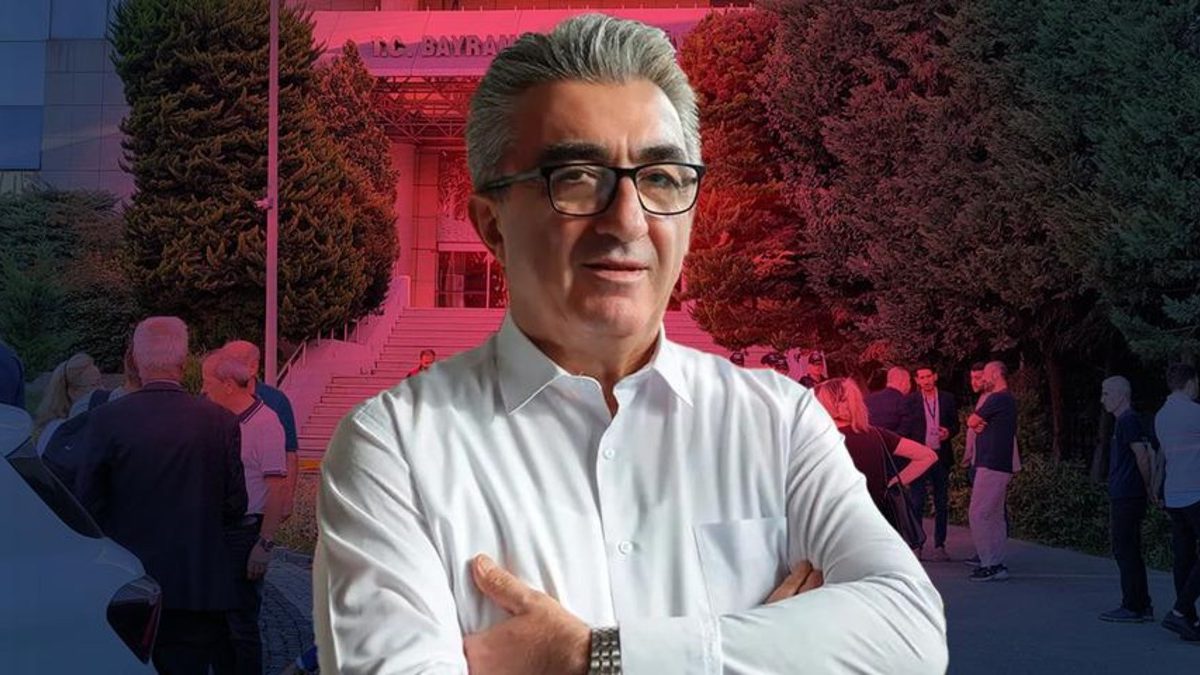 "Turkey: Erdogan's police arrest opposition mayor Hasan Mutlu, dozens officials in corruption probe")



