

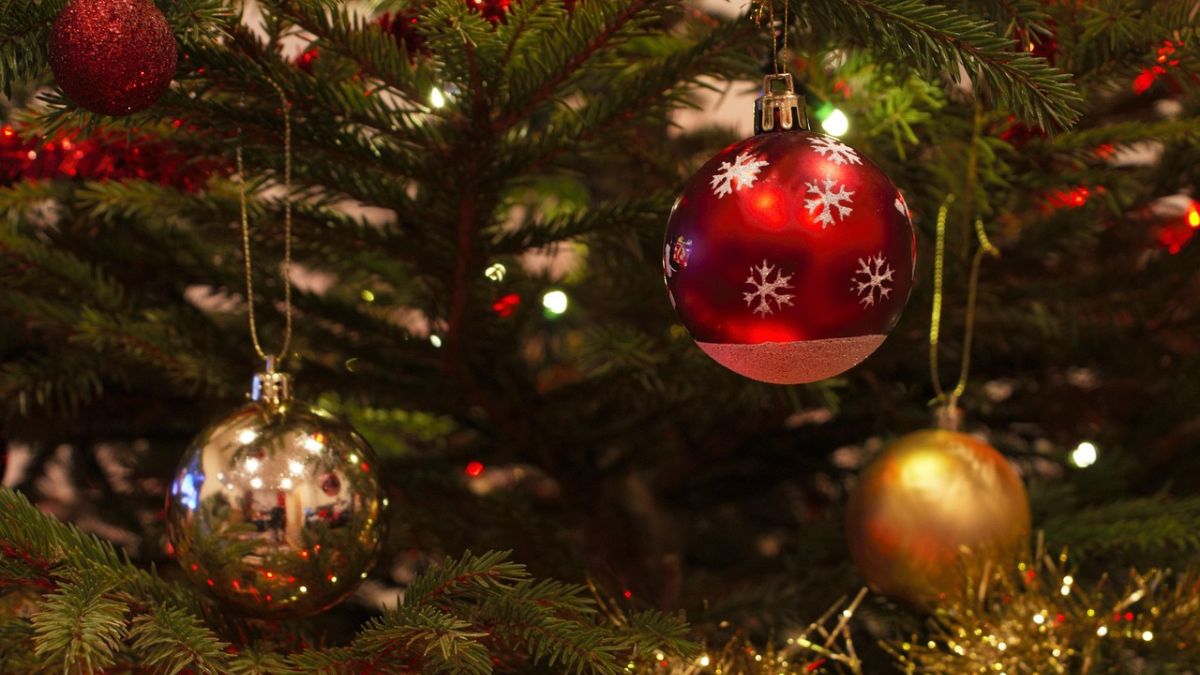
 "Why is Christmas celebrated on December 25? History, traditions, significance explained")
Christmas is one of the most widely celebrated festivals in the world, observed with joy, lights, gifts, and family gatherings. But have you ever wondered why Christmas is celebrated on December 25? What is the real story behind the date, and how did today’s customs evolve?
This article explores the Christmas history, meaningful Christmas traditions, and the deep Christmas significance behind the celebration.
Why is Christmas celebrated?
At its core, Christmas celebrates the birth of Jesus Christ, the Son of God and Savior of humanity. The word “Christmas” comes from “Christ’s Mass,” a special church service honoring Jesus.
While the Bible does not mention an exact date for Jesus’ birth, December 25 was later chosen for symbolic and historical reasons, shaping how Christmas is celebrated today.
Christmas history: How December 25 became Christmas Day
Why is Christmas celebrated on December 25?
The selection of December 25 dates back to the 4th century AD, during the Roman Empire. There are two main historical explanations:
Roman winter festivals
In ancient Rome, December was already a time of celebration. Two major festivals were Saturnalia (honoring the god Saturn) and Dies Solis Invicti (Birthday of the Unconquered Sun), celebrated on December 25.
These festivals marked the winter solstice, when days began to grow longer. Early Christian leaders chose December 25 to align Christmas with existing celebrations, making it easier for people to embrace Christianity.
Symbolic Christian beliefs
Early Christians believed Jesus was conceived on March 25, the same day thought to mark the creation of the world. Adding nine months leads to December 25, symbolizing divine perfection and light entering the world.
Thus, December 25 came to represent Jesus as the “Light of the World.”
Christmas significance: A festival far beyond decorations and gifts
The Christmas significance goes far beyond decorations and gifts. It represents hope (the promise of salvation), love (God’s love for humanity), peace (goodwill toward all), and joy (the arrival of new life and faith).
The festival marks the fulfillment of prophecy and the beginning of a spiritual journey centered on compassion, humility, and forgiveness.
In modern times, Christmas has become both a religious and cultural celebration. While faith remains central for many, others focus on family bonding, charity, kindness, gratitude, and reflection.
Christmas traditions: How the festival is celebrated today
Over centuries, Christmas traditions have evolved across cultures, blending faith, folklore, and local customs.
Some popular Christmas traditions around the world include decorating Christmas trees (symbolizing eternal life), exchanging gifts (inspired by the gifts of the Three Wise Men), greeting Santa Claus (based on Saint Nicholas, known for generosity), attending Midnight Mass (honoring the birth of Jesus), singing carols (spreading joy through music), and watching nativity scenes (depicting the birth of Jesus Christ).
Each tradition adds meaning while reinforcing the spirit of giving and togetherness.

 "Bangladesh Protests Live: Police, army on street as post-Hadi violence targets Indian missions, Awami offices")
 "Who was Claudio Valente, Brown University shooting suspect who also killed MIT professor?")
 "Ukraine to US midterms: Will 2026 seal Trump's place in history?")
 "Bill Gates, quotes from ‘Lolita’ on woman’s body: What newly released Epstein photos reveal")
 "Bangladesh Protests Live: Police, army on street as post-Hadi violence targets Indian missions, Awami offices")
 "Who was Claudio Valente, Brown University shooting suspect who also killed MIT professor?")
 "Ukraine to US midterms: Will 2026 seal Trump's place in history?")
 "Bill Gates, quotes from ‘Lolita’ on woman’s body: What newly released Epstein photos reveal")



