

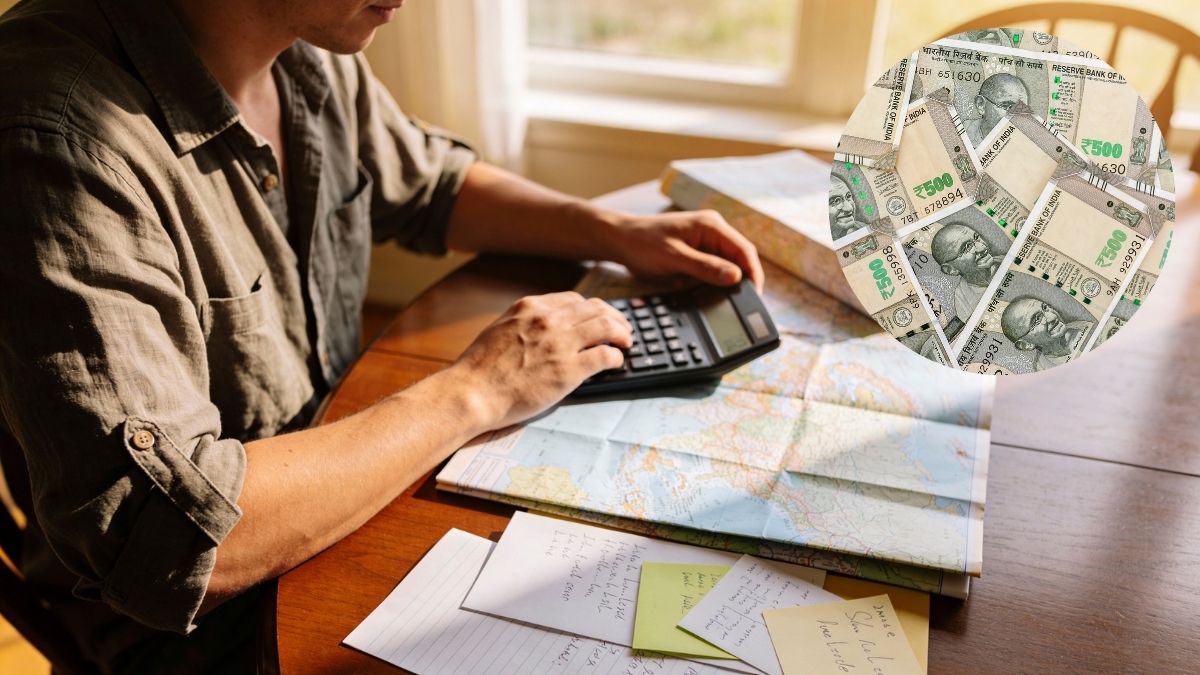
 "Weak rupee, strong wanderlust: Affordable international trips for Indians in 2026")
When the Indian rupee touches a record low, the first thing many people cut back on is travel. Foreign holidays begin to feel like an indulgence, something better postponed until ‘rates improve.’ But travel does not always have to mean splurging in euros or dollars.
Even with the rupee at 91.9850 against the dollar, Indians can still see the world without draining their savings, if they choose wisely and plan carefully.
The rupee slipped to a fresh all-time low on Thursday, weighed down by weak foreign capital inflows and a growing rush among importers and investors to hedge against further depreciation. The fall has been steady rather than sudden.
For Indian travellers, the headline number looks alarming. But the full picture is more nuanced. A weak rupee hurts when travelling to countries that rely heavily on the US dollar or the euro.
It matters far less in destinations where daily costs are low, public transport is cheap, and food does not come with a tourist premium. In fact, many Indians are have started discovering that international travel can still be cheaper than a domestic holiday during peak season.
Why some destinations still work?
The trick lies in picking countries where the cost of living is lower than India’s big cities, and where Indian travellers are not paying top dollar for every meal or taxi ride.
Parts of Southeast Asia, South Asia and Eastern Europe fit this bill. In these regions, budget hotels, street food and local transport make it possible to travel comfortably even on a weakened rupee.
Another factor is airfare. While exchange rates affect spending on the ground, flight prices depend on demand, airline competition and fuel costs. Some routes see regular discounts and seasonal dips, making them surprisingly affordable if booked early.
Quick Reads
View AllAffordable international destinations for Indians in 2026
Here is a list of destinations where Indians can still travel without burning a hole in their pocket. (Rupee estimates are as on date)
1. Vietnam
1 Rupee = 283.38 Vietnamese dong
Vietnam remains one of the best value-for-money countries for Indian travellers. Cities like Hanoi and Ho Chi Minh City offer clean hostels, affordable hotels and filling meals for a few hundred rupees.
Local transport is cheap and attractions such as temples, war museums and old quarters cost very little. Even domestic flights within Vietnam are reasonably priced, making it easy to cover multiple cities.
2. Sri Lanka
1 Rupee = 3.37 Sri Lankan Rupee
Just a short flight away, Sri Lanka offers beaches, hill towns and wildlife safaris at prices that often undercut popular Indian tourist spots.
Food is familiar, transport is simple and budget guesthouses are easy to find. For travellers watching their expenses, this is one of the easiest international trips to plan.
3. Nepal
1 Rupee = 1.60 Nepalese Rupee
Nepal continues to be one of the most rupee-friendly destinations for Indians. The Indian rupee is widely accepted, reducing exchange hassles.
Accommodation, food and travel are affordable, and the country offers everything from spiritual retreats to trekking trails. For many Indians, Nepal feels international without feeling expensive or unfamiliar.
4. Thailand
1 Rupee = 0.34 Thai Baht (THB)
Thailand has long been a favourite, and it still works for budget travellers if planned well. Street food meals cost less than a coffee in many Indian metros.
Public transport in Bangkok is efficient and cheap, and destinations like Chiang Mai and Krabi offer budget stays and free or low-cost experiences. Avoiding peak holiday weeks makes a big difference.
5. Indonesia beyond Bali
1 Rupee = 182.21 Indonesian Rupiah
While Bali has grown expensive in parts, other Indonesian islands remain affordable.
Yogyakarta, Lombok and parts of Java offer cultural experiences, natural beauty and low daily costs. Food and transport are inexpensive, and accommodation options suit every budget.
6. Georgia
1 Rupee = 0.029 Georgian Lari
In Eastern Europe, Georgia stands out for its affordability and visa ease for Indians. Tbilisi offers budget stays, cheap public transport and hearty local food at low prices.
The country’s wine regions, mountains and old towns make it feel rich in experiences even on a modest budget.
7. Cambodia
1 Rupee = 43.73 Cambodian riel
Cambodia is another Southeast Asian destination where the rupee stretches far.
Entry fees to major attractions like Angkor Wat are higher, but daily expenses such as food, transport and accommodation remain low. With careful planning, this can still be a cost-effective trip.
Tips for budget travel when the rupee is weak
A low rupee does not mean giving up on international travel. It just means being more mindful.
Booking flights early makes a big difference. Using fare trackers and price alerts can help spot deals months in advance. For travel in 2026, routes to cities like Taipei and Singapore have already shown occasional dips in airfare due to airline competition and seasonal demand.
Exchanging currency in India often gets you a better rate than doing it at airports abroad. It also helps you avoid panic exchanges at poor rates once you land.
Travelling in the shoulder season is another smart move. Months like March to May and September to November usually offer lower hotel prices, fewer crowds and cheaper flights, while still having decent weather in many countries.
Staying local can dramatically reduce costs. Hostels, guesthouses and homestays not only cost less but also offer a more grounded experience. In many countries, these places are clean, safe and run by families who can help with local tips.
Eating where locals eat is perhaps the simplest way to save money. Street food and small local restaurants are cheaper, fresher and often more memorable than tourist-focused cafes.
Travel, even in uncertain times
A weak rupee is a reminder that global travel is shaped by forces beyond individual control, from geopolitics to global capital flows. But it is also a reminder that travel is not just about currency strength.
It is about choices. With thoughtful planning, flexibility and realistic expectations, Indians can still explore new countries, cultures and cuisines without overspending.
In a year when the rupee has tested new lows, budget travel is less about compromise and more about creativity. For many Indians, that may mean discovering destinations that were not always on the top of the list, but turn out to be just as rewarding.


 "Economic Survey 2026 Live Updates: Sitharaman presents state of Indian economy document in Parliament")
 "Is a US-Iran conflict imminent as Trump issues nuclear ultimatum?")
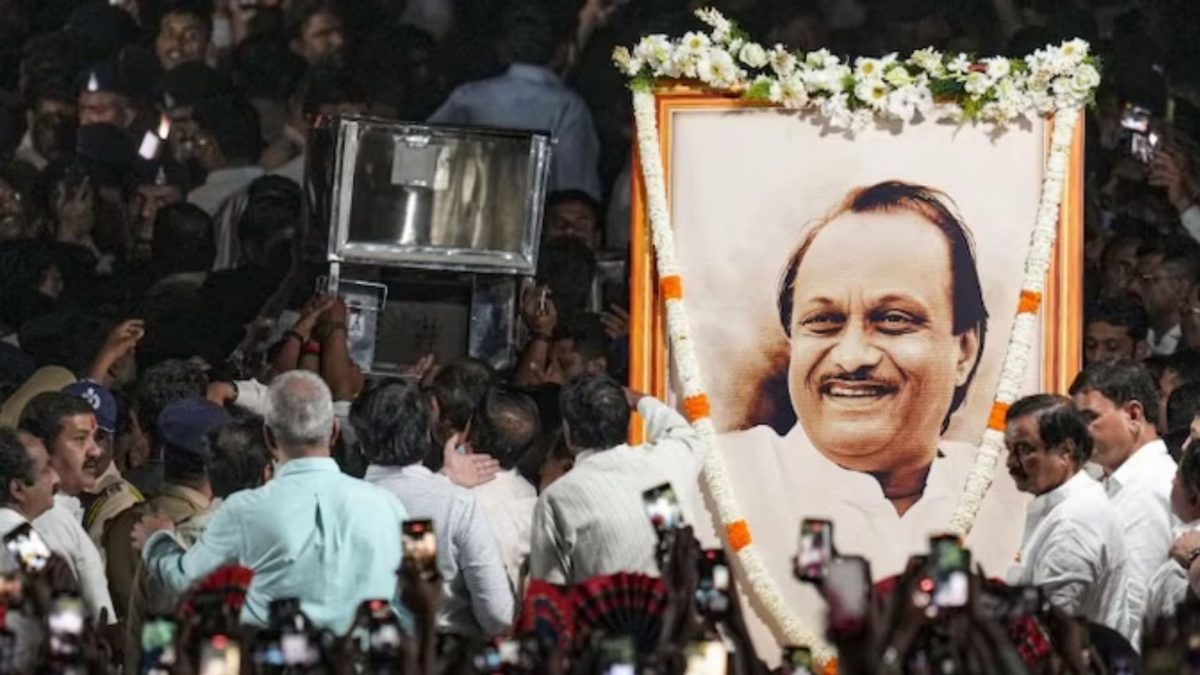 "Ajit Pawar cremated with full state honours in Baramati amid sea of supporters")
 "Starmer meets Xi, calls Beijing 'vital player' on global scale as UK and China reset ties")
 "Economic Survey 2026 Live Updates: Sitharaman presents state of Indian economy document in Parliament")
 "Is a US-Iran conflict imminent as Trump issues nuclear ultimatum?")
 "Ajit Pawar cremated with full state honours in Baramati amid sea of supporters")
 "Starmer meets Xi, calls Beijing 'vital player' on global scale as UK and China reset ties")



