 "Want to study abroad after Class 12? Here's a step-by-step guide")
Every year, as Class 12 results from different boards start trickling in, the same question resurfaces: what next? Increasingly, the answer for many students lies beyond India.
Studying abroad can feel like a big, complicated leap, but in reality, it’s a series of smaller, manageable steps. The key is to start early, stay organised, and know what matters.
Choosing your course and destination
The first decision is also the most important: what do you want to study, and where? Countries like the United Kingdom, United States, Canada and Australia remain popular for Indian students, but each comes with its own academic style, costs and timelines. The UK tends to be more streamlined and subject-focused, while the US looks at a broader profile beyond just marks.
Building your application
Once you’ve narrowed this down, the process becomes more concrete. Universities will expect your Class 12 scores, but also a sense of who you are beyond them. This usually means writing a statement of purpose, getting recommendation letters, and showing some form of extracurricular involvement. It doesn’t need to be perfect, but it should feel intentional.
Alongside this, most students will need to take English proficiency tests such as IELTS or TOEFL. Those applying to the US may also need exams like the SAT. These scores, combined with your school results, form the backbone of your application.
Managing costs and scholarships
The financial side can feel like the most overwhelming part. Tuition and living costs are high, but scholarships and financial aid are more accessible than they first appear. Many universities offer merit-based or need-based funding, and there are external scholarships as well. The important thing is to start early and keep track of deadlines, which often close well before course applications.
Offers, visas and what comes next
Once offers begin to arrive, the focus shifts to logistics. After accepting a university, the next step is applying for a student visa, which involves documentation, financial proof and sometimes interviews. It can seem bureaucratic, but it is usually straightforward if handled step by step.
Beyond paperwork, there’s also the transition itself. Studying abroad means adapting to a new culture, new systems and a level of independence that comes quickly. For many students, that adjustment becomes as important as the degree.
In the end, studying abroad isn’t about having everything figured out immediately. It’s about starting the process, one step at a time, and staying consistent.


 "Iran War Live Updates: Attack on Iran’s Mahallat kills 11, injures 15, over 11 injured across central Israel")
 "Inside Isfahan, the city home to Iran’s nuclear facilities, hit by US bunker busters")
 "Masood Azhar’s brother Tahir Anwar dies in Pakistan under mysterious circumstances, says report")
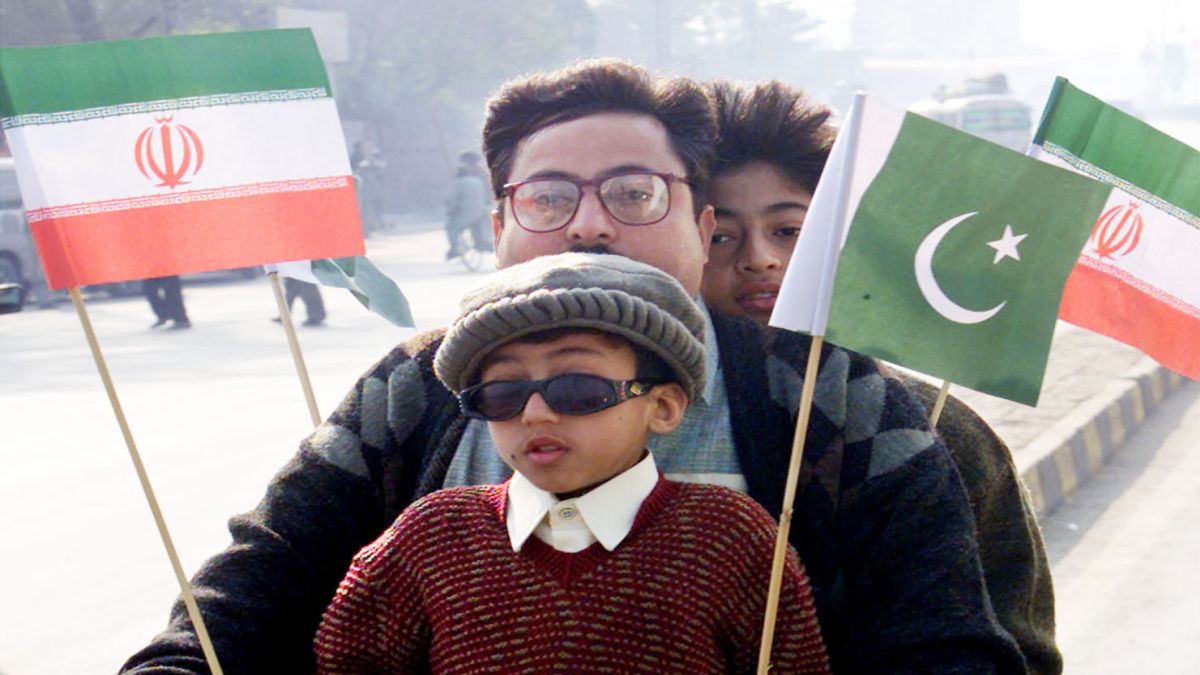 "Another embarrassment for Pakistan? Why Islamabad may flop in its role as mediator between Iran and US")
 "Iran War Live Updates: Attack on Iran’s Mahallat kills 11, injures 15, over 11 injured across central Israel")
 "Inside Isfahan, the city home to Iran’s nuclear facilities, hit by US bunker busters")
 "Masood Azhar’s brother Tahir Anwar dies in Pakistan under mysterious circumstances, says report")
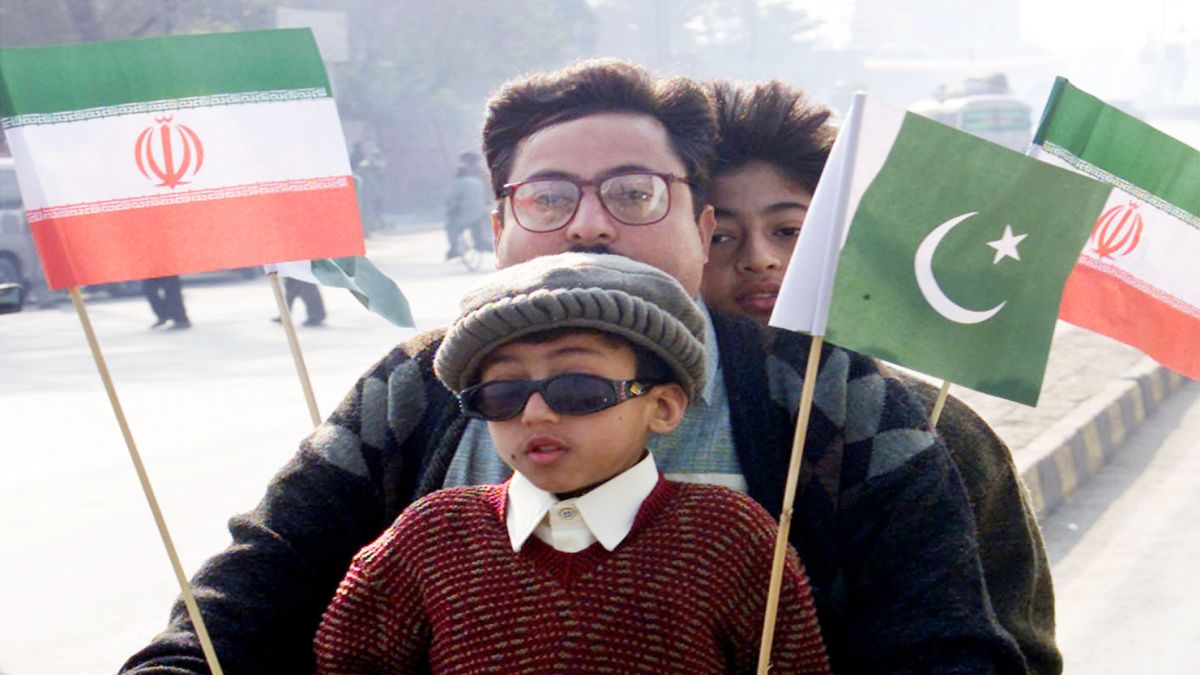 "Another embarrassment for Pakistan? Why Islamabad may flop in its role as mediator between Iran and US")