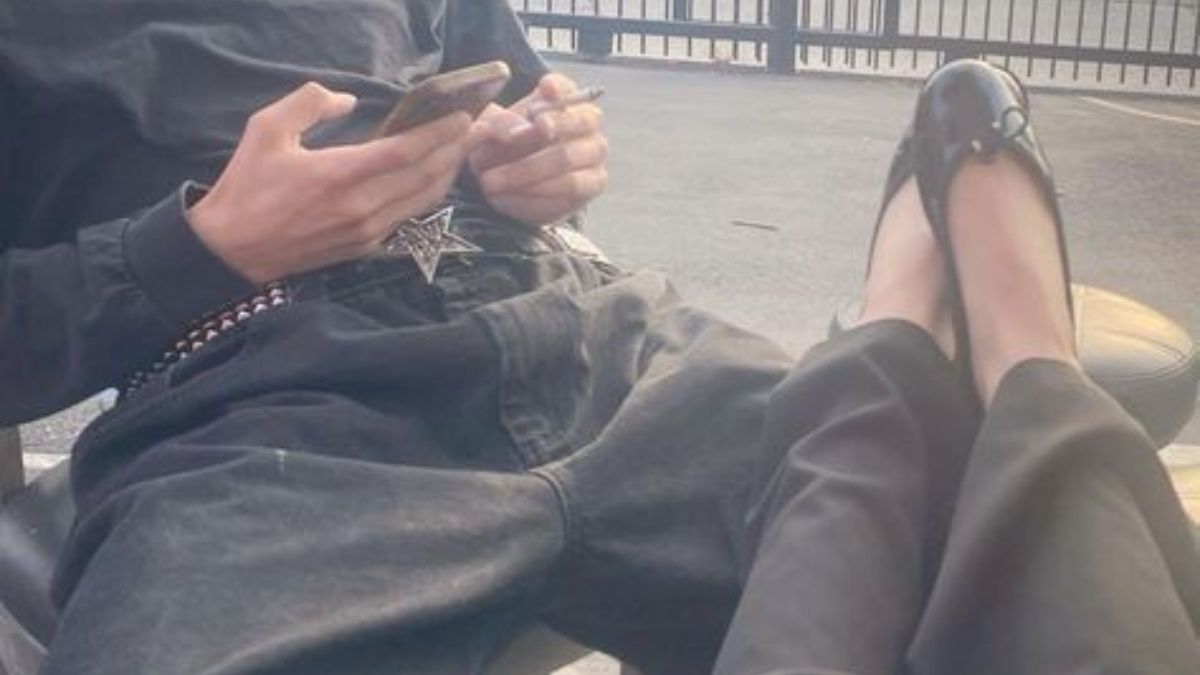
 "From swag gap to party gap: What are we really measuring?")
Across Instagram and TikTok, a new shorthand for mismatch has taken hold: the swag gap. It appears in videos of couples at the same party, her in a sculpted designer dress, him in oversized sweatshirts, memes warning, “I don’t mind an age gap, but a swag gap is where I draw the line.” It’s easy to laugh at the surface, but the frequency of reposts and discussion suggests something more. These memes don’t exist because people are shallow, but because they articulate, in shorthand, anxieties and expectations that have always been part of dating, now made hyper-visible by social media.
When people cite examples, they rarely reach into the archives. They point to present-day couples like Hailey Bieber and Justin Bieber — she in a sleek designer dress, he in baggy shorts and Crocs at the very same event — or Selena Gomez and Benny Blanco, whose red carpet appearances reliably ignite comment sections about mismatch. The conversation is framed as aesthetic critique, but it rarely stays there. The sharper question lingers underneath: why does she look so deliberate while he looks like he didn’t get the memo?
What’s interesting is the inverse trend. The couples held up as having “no swag gap” — the gold standard of visual alignment — tend to be nostalgic. Victoria Beckham and David Beckham in the noughties, arriving in coordinated leather and matching silhouettes. Keira Knightley and Jamie Dornan in their early-2000s social orbit, both impossibly carefree yet camera-ready. Even more recent pairings like Bella Hadid and Marc Kalman are remembered online as visually cohesive, moving through fashion spaces as if styled by the same internal compass.
Quick Reads
View AllThe pattern isn’t loud, but it’s there: the couples mocked for having a swag gap belong to the present; the couples romanticised for having none feel sealed in the past. It suggests that young people aren’t simply nitpicking outfits —they are disillusioned with dating in the present tense. The past looks cohesive because it is finished. The present looks messy because it’s still unfolding.
Naming the gap
It didn’t stop at clothes. The party gap followed —one person still loyal to afterparties and chaotic weekends, the other protective of quiet nights and a Sunday that starts before noon. Then came the intelligence gap, the literacy gap, the aura gap. Compatibility, suddenly, had subcategories.
Memes don’t spread unless they hit something real. “Swag gap” stuck because clothes became an easy stand-in for harder questions: Are we moving at the same pace? Do we value the same rooms? Do we look like we belong next to each other?
For Trisha*, 24, the party gap was not a punchline but a slow realisation. “I realised ages ago,” she says, “but before it wasn’t such a problem because we had time.” Adulthood, she explains, sharpens contrast. “Now we both have jobs. There’s limited time to spend together, and with that limited time you can only do certain things.”
She describes herself as an introvert with a small, deliberate circle. Her partner thrives in larger social settings, where a night out can double as networking. The divergence felt negligible at twenty-one. At twenty-four, it feels directional. “The first time I properly realised it was in therapy,” she says. “My therapist asked, ‘If you’re such an introvert and your partner is such an extrovert, how do you make it work?’ I said it wasn’t an issue. But then I realised… maybe it is.”
Earlier in the relationship, she would attend parties that drained her simply to be present, to participate in his world rather than risk drifting from it. “Sometimes I’d go just to be there,” she admits. “And then I’d feel resentful.” The resentment was less about loud music and more about asymmetry.
Online, that asymmetry would be flattened into a party gap and filed under incompatibility. The gap language is efficient like that. It implies that one person is ahead and the other behind, one evolved and the other lagging, as though adulthood were a race with visible checkpoints. But lived relationships rarely move in sync. As Trisha puts it, “Maybe not faster. Maybe just differently.”
The era of visible relationships
That distinction rarely survives online, where everything is flattened into a verdict. Still, the rise of this gap language points to something bigger than outfit critique. For a long time, women were expected to smooth over differences in taste, ambition, or emotional fluency and call it compromise. Now, those differences are being named instead of absorbed.
Even the “loser men” conversation fits into that shift. The word sounds cruel, but often what’s being described isn’t incompetence. It’s a man who isn’t theatrically dominant, who isn’t desperate to lead for the sake of it, who doesn’t need to perform masculinity at full volume. In a culture obsessed with personal branding, that quietness can be appealing. But appealing doesn’t mean exempt from standards.
If there is a through-line connecting the swag gap to the party gap to the intelligence gap, it is this: young people, and particularly young women, seem less willing to ignore misalignment simply because it is inconvenient to address. The language may be playful, half-ironic, but the evaluation is real.
The risk, of course, is in turning compatibility into a checklist. Swag aligned, social appetite aligned, intellect aligned, aura aligned, as though partnership were an algorithm to optimise. But dismissing the discourse as shallow misses the larger mood. When contemporary couples are dissected for imbalance and nostalgic couples are upheld as “goals,” it reveals something quieter: a generation unsure about what stable partnership looks like in real time.
The terms will change. They always do. What remains is the underlying question: not whether two people look good side by side, but whether they are moving in the same direction. And that question, meme or not, is harder to laugh off.


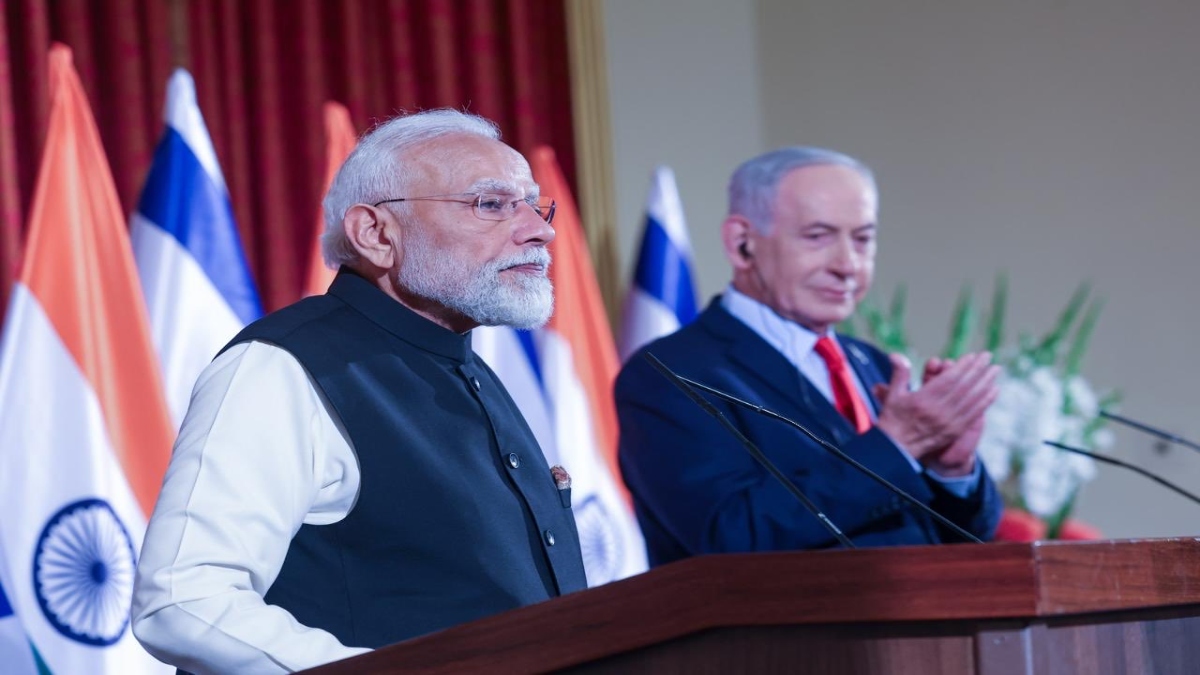 "India, Israel elevate ties to special strategic partnership; PM Modi calls it ‘reflection of aspirations of both nations’")
 "India vs Zimbabwe LIVE Score, T20 World Cup 2026: Abhishek, Kishan take over at Chepauk after Samson's cameo")
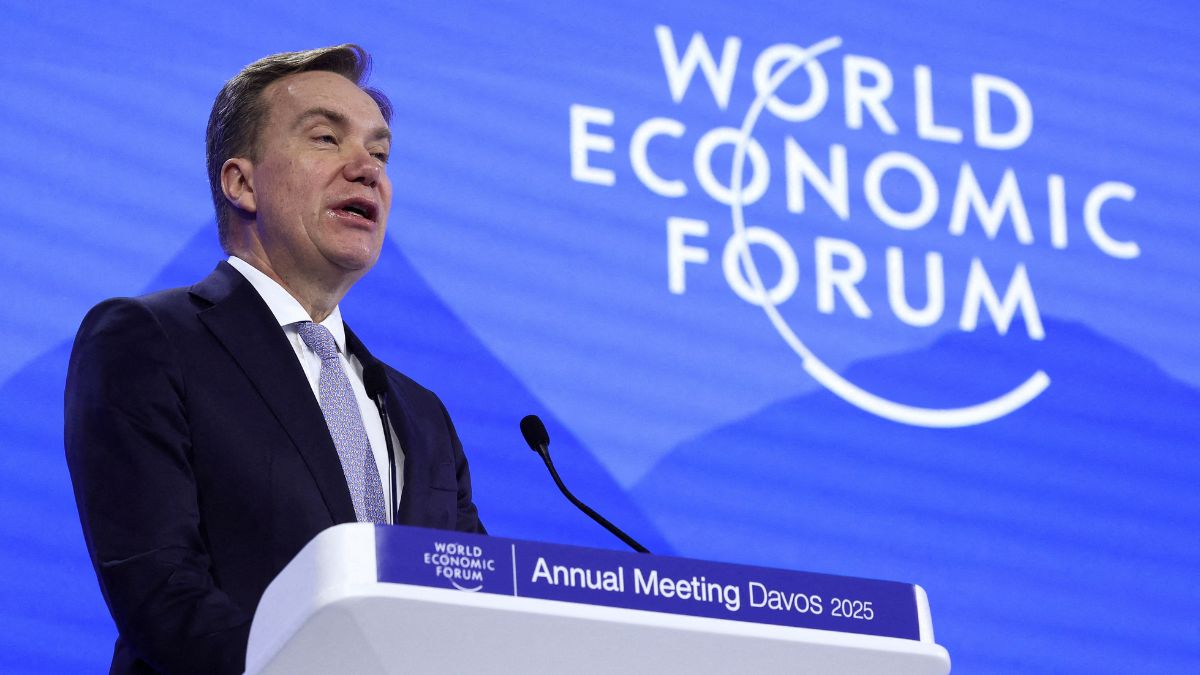 "Who is Borge Brende, World Economic Forum chief who quit over Epstein files?")
 "US-Iran tension: Third round of nuclear talks begin in Geneva — can it avoid war?")
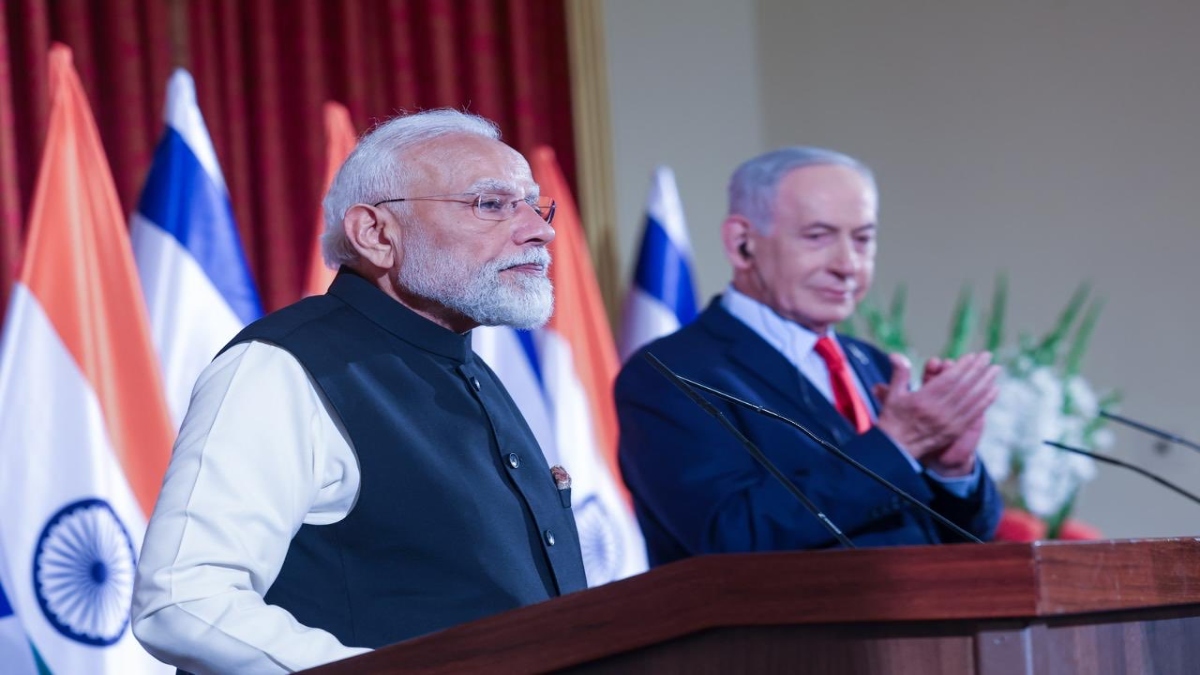 "India, Israel elevate ties to special strategic partnership; PM Modi calls it ‘reflection of aspirations of both nations’")
 "India vs Zimbabwe LIVE Score, T20 World Cup 2026: Abhishek, Kishan take over at Chepauk after Samson's cameo")
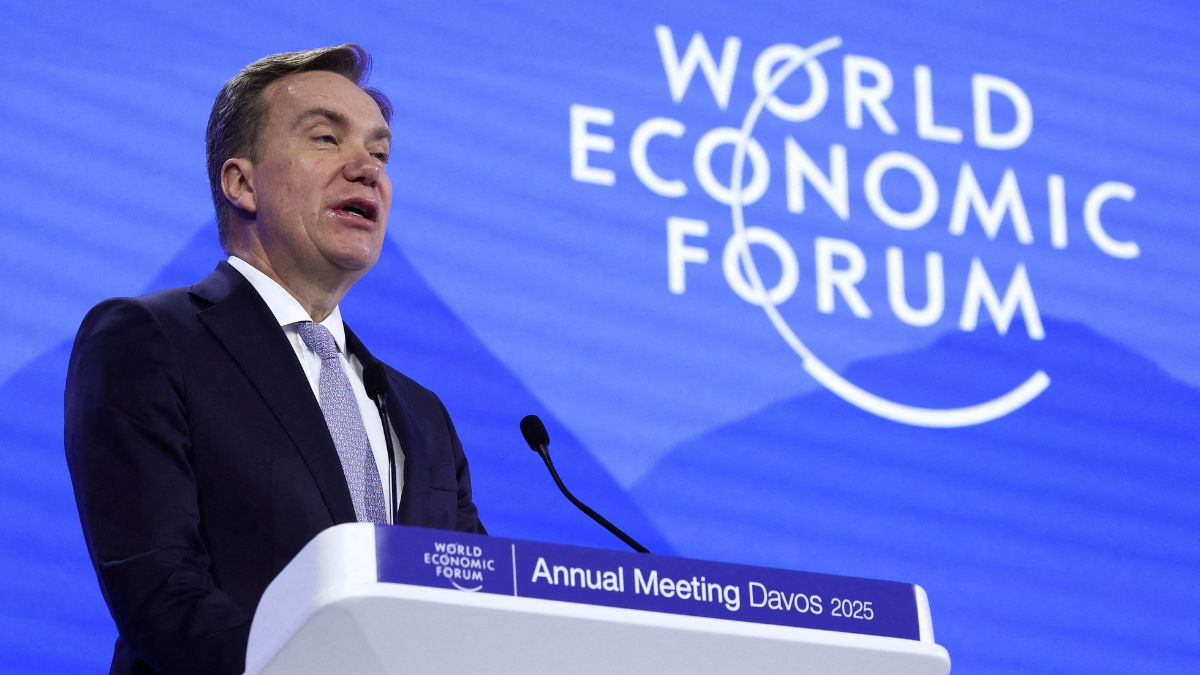 "Who is Borge Brende, World Economic Forum chief who quit over Epstein files?")
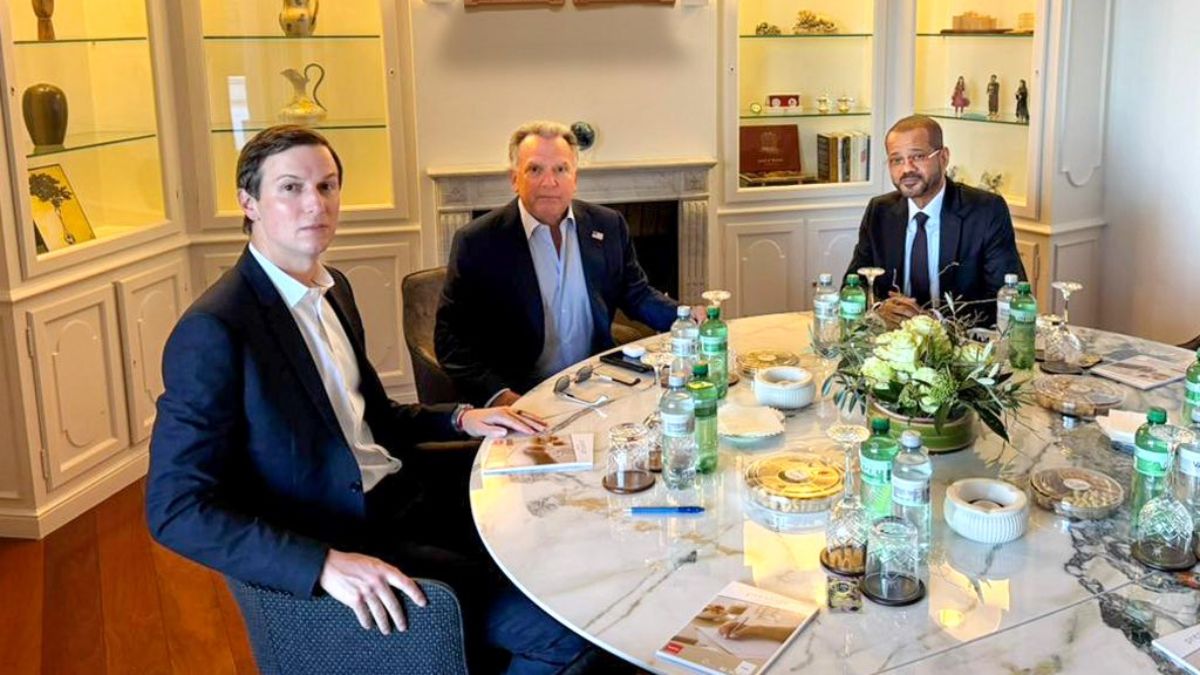 "US-Iran tension: Third round of nuclear talks begin in Geneva — can it avoid war?")