

 "Why Islamabad claims India is training Islamic State terrorists in the middle of a muddy little lake in Jodhpur")
Inside the Inter-Services Intelligence Directorate’s imposing headquarters, on the Shahra-i-Suharwardy road in Islamabad’s Aabpara, there was euphoria: Its ace spies finally had proof, down to five decimal places, that India was training Islamic State terrorists. Last week, National Security Advisor Moeed Yusuf made it known to the world. “We have incriminating evidence”, a dossier released this week asserts, “which validate that Indian security forces are managing five ISIS training camps in India.” Global Positioning System coordinates don’t lie. Except, there’s this: 26º17’31.0”N 73.º03’20.7’E, one of the coordinates provided in Pakistan’s dossier, points to the middle of the Shekhakji lake in Jodhpur, half-way between the Army Public School and the Battle Axe regimental centre, and home to a well-frequented Hanuman temple.
Another coordinate, from Gulmarg, pinpoints a clump of trees between two army parking lots, not far from the children’s park. A third “terror camp” is a patch of acacia trees running along the highway on the fringes of the Border Security Force’s campus at Anupgarh, not far from the main office block and the amphitheatre, up the road from the Vinayak hardware store. The other training camps: a farmhouse in Rajasthan, and the Special Frontier Force’s not-so-secret covert-warfare training facility in Chakrata, details of which are on Wikipedia.
There is, indeed, an air of the magical to many of the claims in dossier. Indian forces, it claims, in one case “destroyed 18 houses and burned three youth by suspected use of an unknown chemical which not only burnt the bodies but also de-shaped them by converting them into a lump of clay.” There chemical process that might bring about such a miracle might be known to djinns; they are alien to chemistry. Interestingly, Pakistani claims of chemical weapons use by India date back to at least 1999. Then-foreign minister Sartaj Aziz had claimed India was shelling the Kargil ranges with chemical weapons, and called for an independent investigation. In the event such an investigation was conducted by Pakistan — a simple-enough exercise — its results were never made public. The dossier’s long list of Indian war-crimes in Kashmir, similarly, contain several demonstrable falsehoods. For example, it claims Indian forces “raped and murdered 8 year old Asifa Bano, (a) resident of village Rasana district Kathua”. Even a few minutes with Google would have shown the authors of the dossier that six men were convicted and sentenced for the child’s killing last year, none of whom was an Indian official, or connected with one. For a scholar, who has authored several densely-footnoted academic works, Yusuf has been curiously cavalier with his documentation of several claims: a graphic providing precise numbers of women alleged to have been gang-raped or molested by Indian forces, for example, cites neither an authority nor an appendix. Another appendix with a long list charging 1,128 army, police and pro-India militia members for crimes ranging from genocide to sexual violence includes top officers with opaque names like Tinda and Yanki. These less-than-useful identifiers are further muddied by the fact that the appendix contains no mention of the dates or places where these individuals’ acts of genocide are purported to have taken place. Elsewhere, primary material supporting the allegations is misrepresented. In one case, the dossier claims that “the Commanding Officer of an Indian Army unit was found discussing apprehension and torture of two girls while the senior commander was also in knowledge”. The audio-recording, though, makes no reference, to the girls being tortured, merely to the fact they have been detained and questioned. Another phone interception cited by the dossier in support of its claims has a purported Indian Army officer saying Prime Minister Narendra Modi had given orders for “burning 35 villages in Kashmir” and, perhaps more mystifyingly, “80 vehicles in Jammu”. There is no record suggesting either of these acts ever took place, or were even attempted, rendering the authenticity of the intercept questionable. Indeed, there is no data in the dossier on the dates on which the audio recordings it claims are intercepted Indian military communications were made, nor of the units they involve. The audio files in the dossier contain no relevant metadata, making verification impossible. There’s little doubt that serious human rights violations have indeed taken place in Kashmir since 1990, including torture, rape and extra-judicial executions; many of the horrors recounted in the dossier have appeared in the Indian and international media. India has a poor record of prosecuting such crimes, in Kashmir and elsewhere. Little doubt can exist, however, that the dossier’s representation of those claims are also dishonest. For example, it devotes considerable space to the discussion of unmarked graves in Kashmir — omitting to mention that the issue has been discussed in the Jammu and Kashmir Assembly and the state’s courts over decades, and that the state has offered DNA matching to any individuals claiming their relatives are among the dead. There is no mention, either, of the fact that many of those in the graves were jihadists killed attempting to cross the Line of Control. Indeed, the names of many terrorists killed in combat have been listed as victims of human rights violations in Kashmir. Little imagination is needed to understand the political imperatives driving the release of the dossier. The Taliban victory in Afghanistan, enabled by the ISI, has also empowered Islamists inside Pakistan; indeed, terrorist attacks inside Pakistan have surged. Islamabad hopes to protect its ideological flanks by casting itself as a defender of the national interest and Islam in Kashmir. Too often in the past, such polemical escalation of conflict has found itself escalating into terrorist violence. Ever since the India-Pakistan crisis of 2019, Islamabad seemed to have understood the risks, and chose covert diplomacy to bring about a ceasefire on the Line of Control and a scaling-back of jihadist operations. The dossier is significant not for what it says — but because it could portend an unravelling of that process.


 "Charlie Kirk, shot dead in Utah, once said gun deaths are 'worth it' to save Second Amendment")
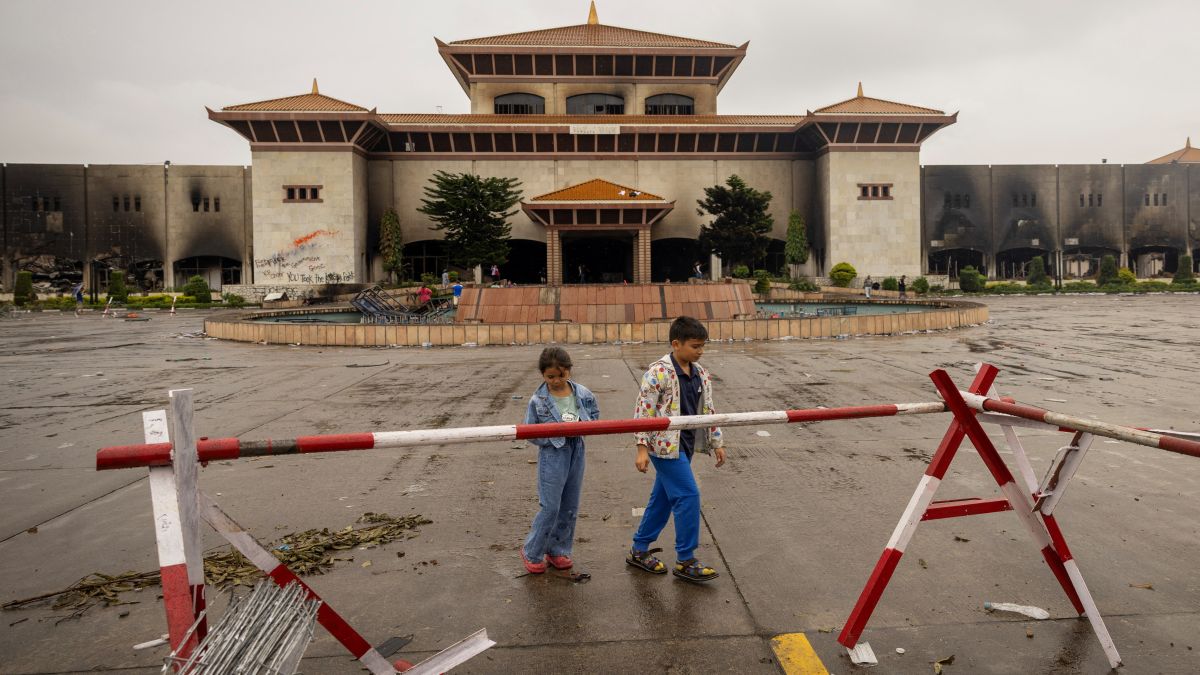 "From governance to tourism, how Gen-Z protests have damaged Nepal")
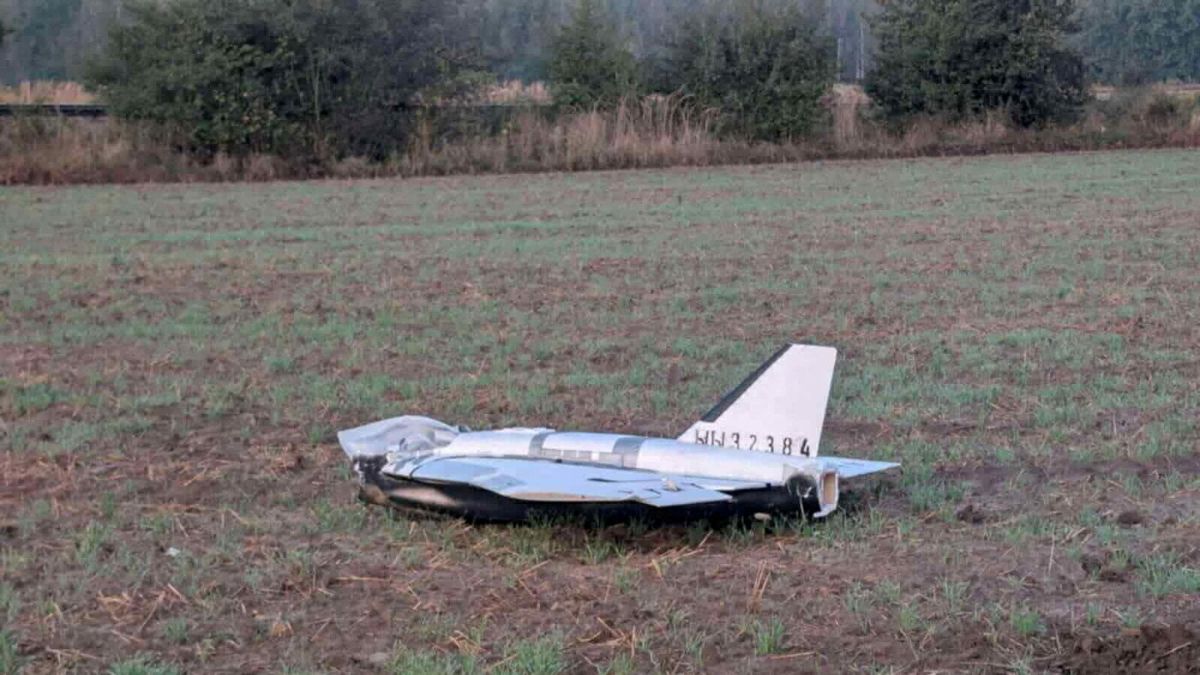 "Did Russia deliberately send drones into Poland’s airspace?")
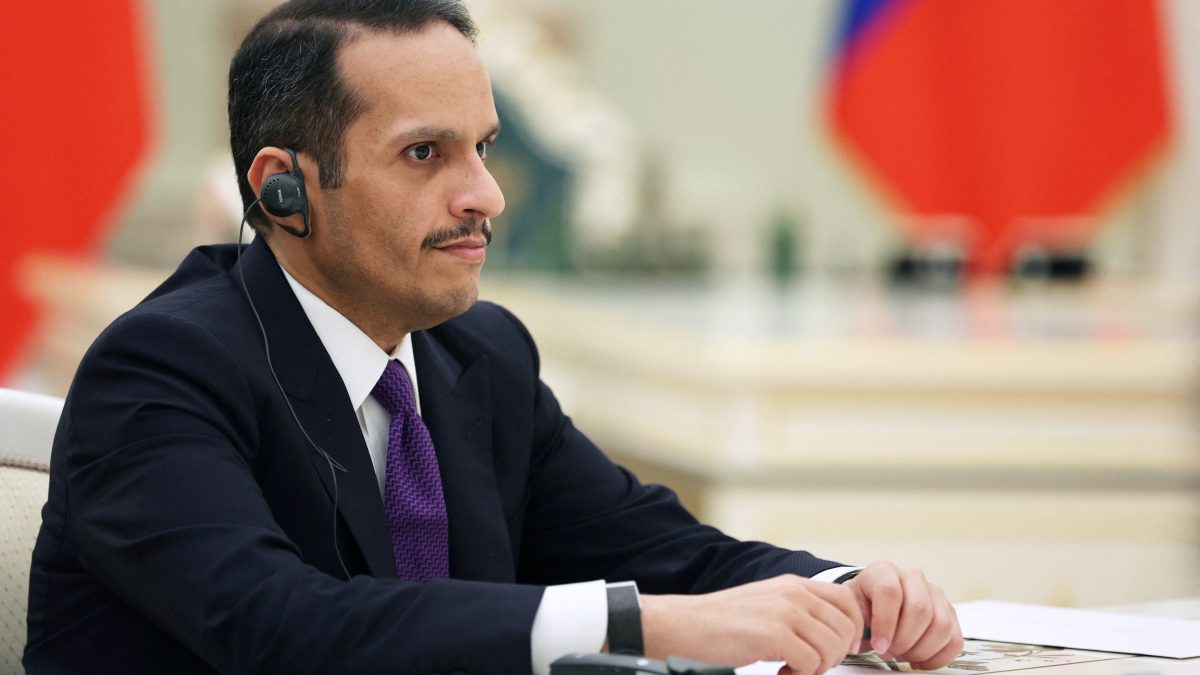 "Netanyahu ‘killed any hope’ for Israeli hostages: Qatar PM after Doha strike")
 "Charlie Kirk, shot dead in Utah, once said gun deaths are 'worth it' to save Second Amendment")
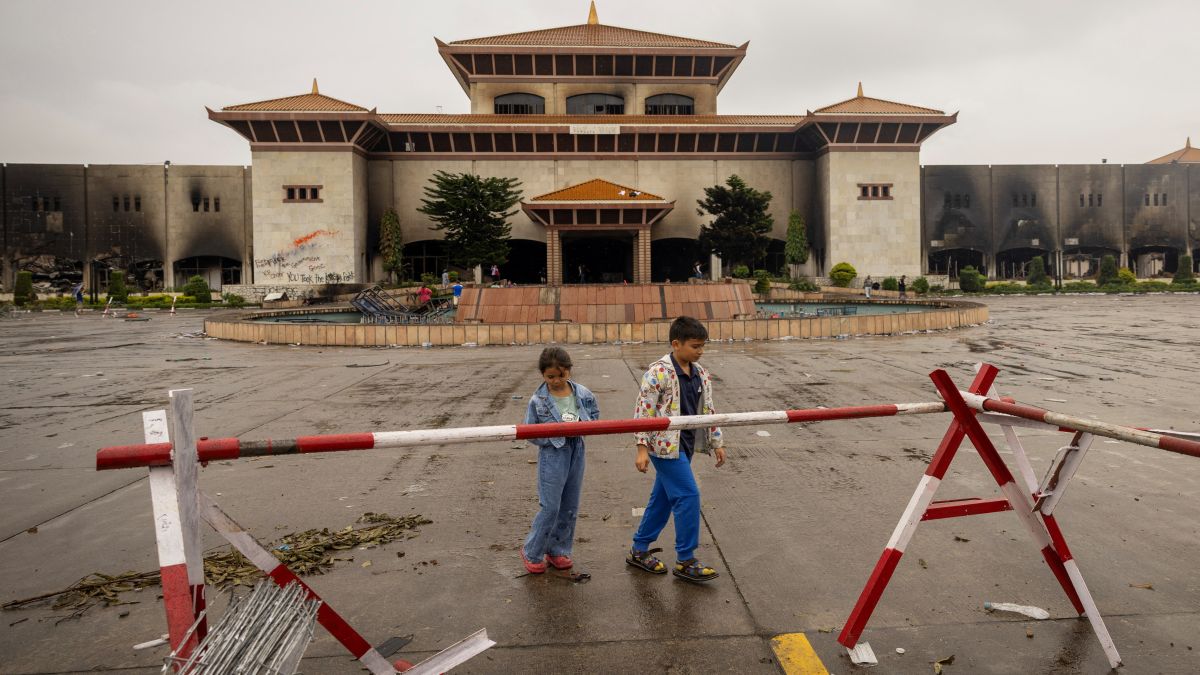 "From governance to tourism, how Gen-Z protests have damaged Nepal")
 "Did Russia deliberately send drones into Poland’s airspace?")
 "Netanyahu ‘killed any hope’ for Israeli hostages: Qatar PM after Doha strike")



