

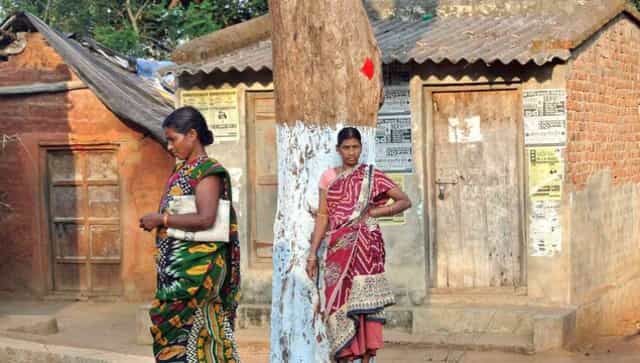
 "Why gender inclusion is important to achieve sustainable sanitation outcomes")
India’s journey has been absolutely remarkable with cities becoming open defecation free (ODF) and adopting sustainable sanitation practices to combat environmental pollution for improving health benefits to the community. Swachh Bharat Urban and AMRUT together have aimed to improve the sanitation situation in the cities in India, especially focusing on the policies towards Faecal Sludge and Septage Management (FSSM) -– a viable, non-networked approach for safely managing faecal sludge. While there has been significant progress , yet there is a concern about inadequate attention towards inclusive and equitable approaches to benefit the most marginalized communities living in the cities. We see pervading inequalities and disproportionate impacts on several social groups including women, girls, transgender persons and persons with disabilities. Women and girls are burdened with the care economy roles, and other needs of managing their menstrual hygiene, suffer more inequality. These inequalities were further exacerbated in COVID times when access to safe sanitation was jeopardised owing to the more tremendous risk of using the community toilets and other shared facilities. Recognising the direct impact of improved sanitation on the lives of people, the role of communities, especially the most marginalised sections, in planning, implementing, and evaluating schemes holds utmost importance. Unfortunately, when it comes to achieving or sustaining goals, community participation and inclusion are incorporated as an afterthought rather than being considered essential elements in the design and planning of schemes and programmes. Current monitoring data on sanitation programmes aim at measuring physical and financial progress. However, indicators measuring inclusion, empowerment, agency and voice, enhanced decision making, access and control, gainful employment, and ownership of resources are not a part of monitoring systems. Due to the range of inequalities in our society, progress in providing WASH services and achieving these outcomes is inequitable and also remains immeasurable. Several experiences from different cities have shown a collection of gender-disaggregated data at the local level is a challenge. Marginalised groups and their issues related to Water, Sanitation and Hygiene(WASH) and menstrual hygiene management remain largely invisible in official statistics, since the data does not reflect the differential impact of policies on different genders and individuals from disadvantaged economic backgrounds. Prioritisation and subsequent investment only occur if there is adequate, high quality and reliable data. Need to focus on inclusiveness and equity going forward States and cities should aim to prioritise inclusive sanitation for multiple stakeholder s across the sanitation service chain, including the urban poor who can benefit from equitable and safe sanitation services. • Improved monitoring indicators and periodic collection of gender-disaggregated data by states and cities is necessary: Collection of gender-disaggregated data allows to measure the disproportionate policy measures on men and women and evaluate the measures taken to narrow that gender gap. Greater attention needs to be given to community-based surveys, on an ongoing basis, to assess outcomes like access to WASH services, ownership and maintenance of the infrastructure, enhanced community roles, leadership, and empowerment of marginalised groups, including employment opportunities, safety and health of the citizens. Citizen report cards, concurrent evaluation and social audits should be encouraged to promote inclusion and greater engagement of the community members in schemes and programmes for benefits reaching out to the neediest and marginalised. Ministry of Housing and Urban Affairs(MoHUA) has issued the Community Engagement Guidelines under SBM, which need to be translated into action. Inclusive sanitation budgeting: There is a need to include inclusive budgeting in creating public sanitation infrastructure. It is observed that the capital expenditure per man is much higher as compared to women, and more skewed when compared with transgender and persons with disabilities. There is large capital investment for men urinals in community/public toilets which are separate from defecation and charged very less. No separation of urination and defecation is made for women and women end up paying more. Moreover, care economy roles played by women in the society makes them use bathrooms for washing clothes, taking children and elderly to toilets which makes them pay more for the use of toilets. Consequently, while there is lower capital expenditure on women and even less on transgender vis-à-vis men, both women and transgender end up paying higher user charges each day vis-à-vis men. • People-centred infrastructure design: Planning of sanitation infrastructure and service delivery should be undertaken to recognise the needs of marginalised – especially women and transgender persons so that they use sanitation infrastructure as per their requirements. While making city sanitation plans (CSP), cities should be encouraged to analyse if the sanitation infrastructure planned for construction or upgradation is gender-sensitive and inclusive and assess its impact on vulnerable groups by adopting the bottom-up approach. Additionally ensuring proper management of sanitation infrastructure through the formation of City Level Task Force, community structures comprising of urban elected representatives, women, men, differently-abled persons, transgender and front line sanitary workers. These committees would be responsible for fixing service tariffs across different categories and overseeing operation and maintenance of the public/community toilets and other sanitation infrastructure such as Faecal Sludge treatment plants. MoHUA has released the Gender Responsive Guidelines under SBM U, which carries a detailed framework on the inclusive sanitation facilities for the states and cities to promote inclusive sanitation structures to women, men, transgender. Convergence between departments towards inclusive sanitation: Adopting a convergence-based approach to enable better utilisation of resources, expedite and drive the efforts of the ULBs towards achieving holistic social development goals. One of the ways to do this is following convergence guidelines such as the Deendayal Antyodaya Yojana-National Urban Livelihoods Mission (DAY-NULM) and Swachh Bharat Mission (SBM) convergence which outlines the employment of self-help groups for undertaking operations and maintenance of infrastructure established under SBM, e.g. community toilets/ public toilets, faecal sludge treatment plants, etc. This solves the dual purpose of empowering marginalized communities both economically and socially, but also improving ownership of the sanitation infrastructure by the community leading to increased utilisation. In this endeavour, inclusion and social equity should be embedded right from planning to implementation and monitoring of sanitation programs and investments. Cities are required to encourage participation and empowerment of marginalised in decision-making processes and service delivery. Alongside, the cities should focus on the protection of sanitation workers’ health and rights by adopting occupational health and safety measures. The author is a Senior Researcher, Scaling City Institutions for India, Centre for Policy Research. She is also a member of NFSSM Alliance.
Recognising the direct impact of improved sanitation on the lives of people, the role of communities, especially the most marginalised sections, in planning, implementing, and evaluating schemes holds utmost importance
Advertisement
End of Article


 "Charlie Kirk, shot dead in Utah, once said gun deaths are 'worth it' to save Second Amendment")
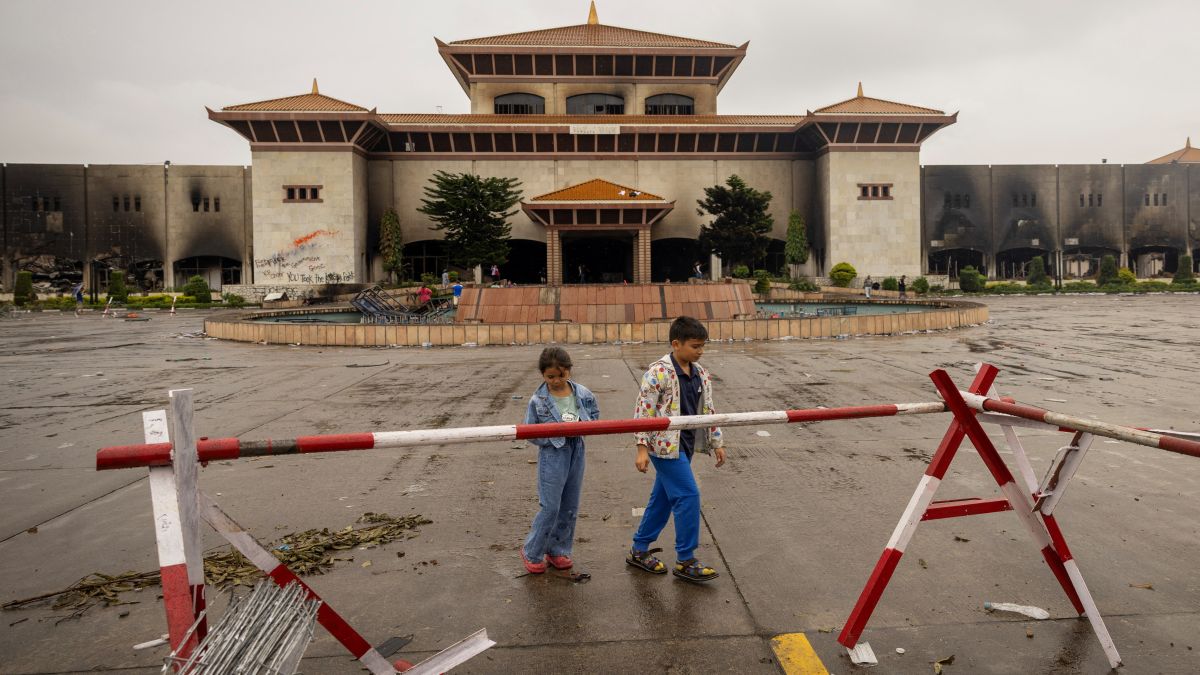 "From governance to tourism, how Gen-Z protests have damaged Nepal")
 "Did Russia deliberately send drones into Poland’s airspace?")
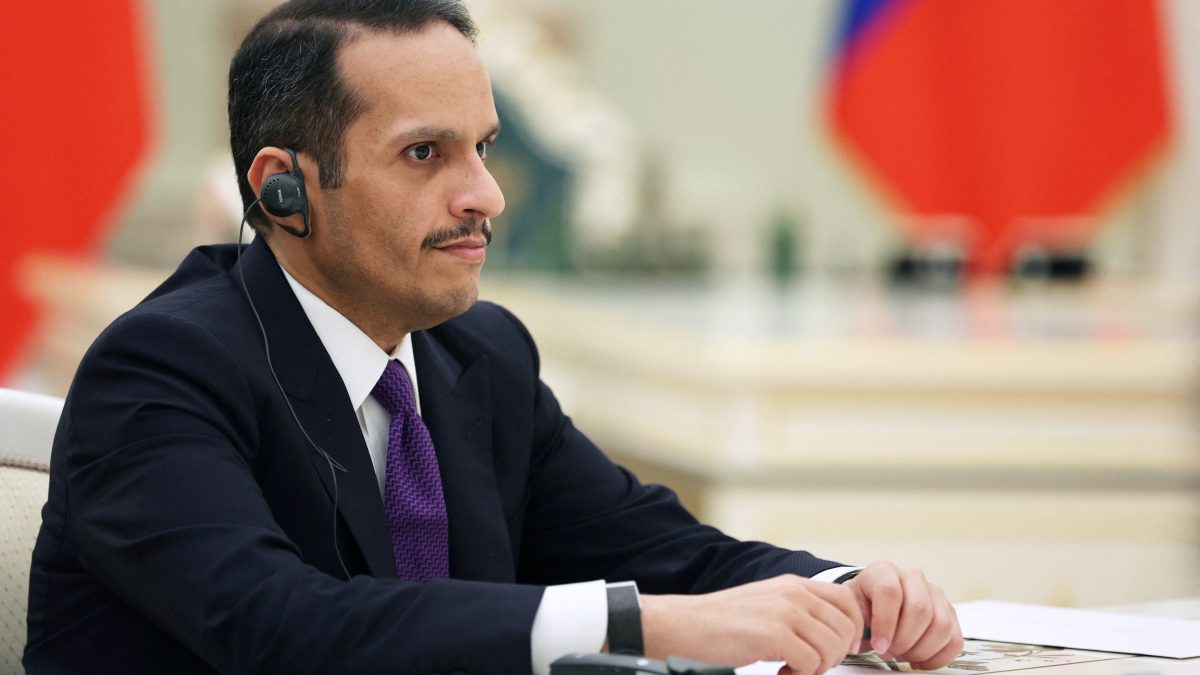 "Netanyahu ‘killed any hope’ for Israeli hostages: Qatar PM after Doha strike")
 "Charlie Kirk, shot dead in Utah, once said gun deaths are 'worth it' to save Second Amendment")
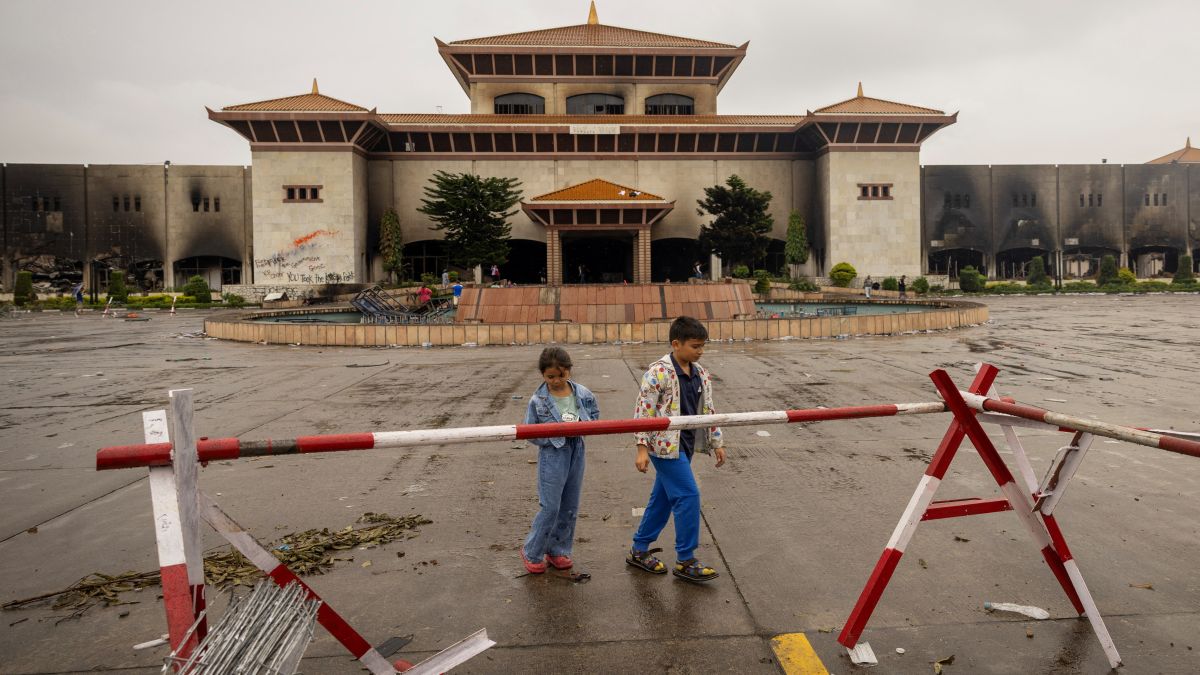 "From governance to tourism, how Gen-Z protests have damaged Nepal")
 "Did Russia deliberately send drones into Poland’s airspace?")
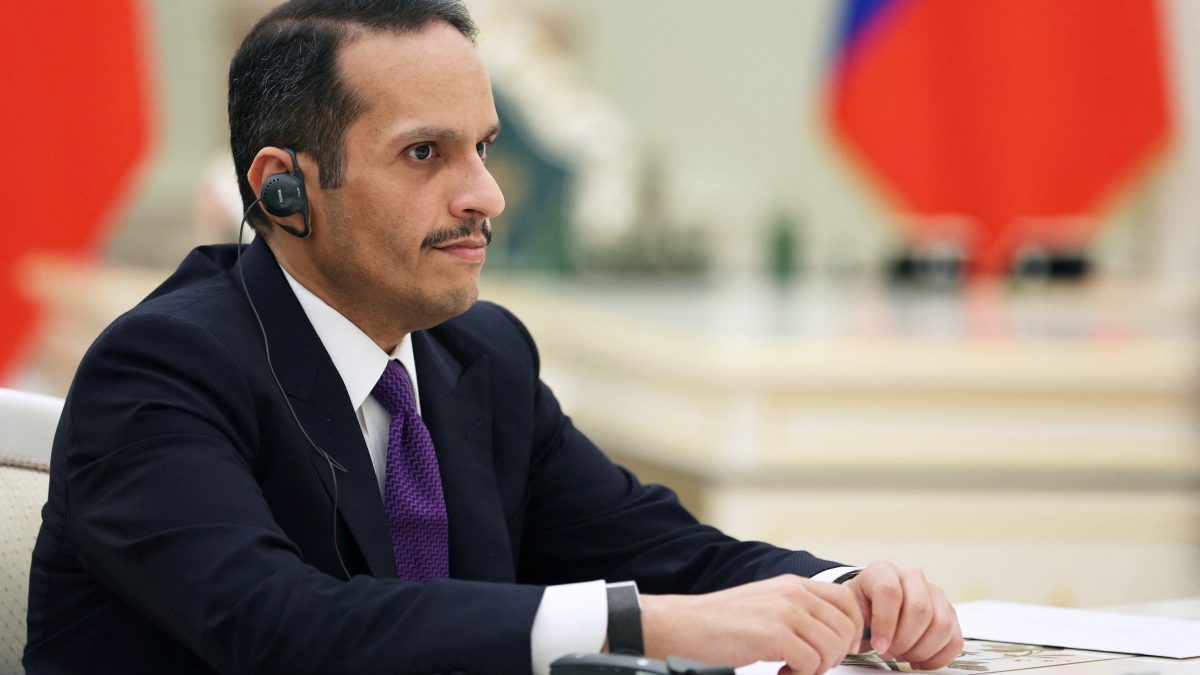 "Netanyahu ‘killed any hope’ for Israeli hostages: Qatar PM after Doha strike")



