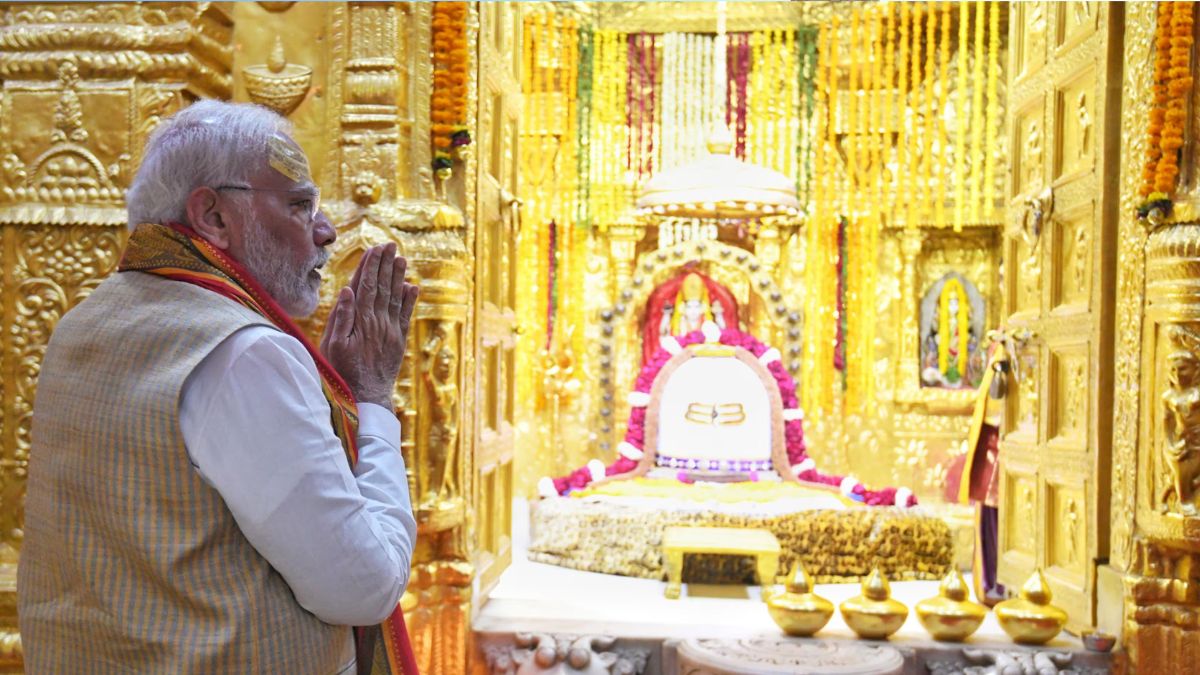
 "Swabhiman Parv: PM Modi pens op-ed on 1,000 years of Somnath temple's invasion | Full text")
As the nation marks Swabhiman Parv, Prime Minister Narendra Modi has reflected on a defining chapter of India’s civilisational journey. Writing about Somnath, he notes that 2026 marks 1,000 years since the first invasion of the revered temple, an event that left deep scars but failed to break the spirit it represented.
Somnath, a place of devotion for millions, became the target of foreign invaders whose purpose was destruction rather than worship. In January 1026, Mahmud of Ghazni attacked the temple in a violent and barbaric assault aimed at dismantling a powerful symbol of faith and civilisation.
The Prime Minister writes that historical accounts of the invasion, the suffering of the people, and the devastation of the shrine are deeply disturbing. Each record carries grief, cruelty, and sorrow that continues to resonate.
Spiritual strength and economic significance
Beyond its religious importance, Somnath held a central place in the social and economic life of the region. Situated on the coast, it was part of a prosperous maritime society. Traders and seafarers spread stories of its grandeur far and wide, amplifying the impact of its destruction on the morale of the people.
The Prime Minister stresses that Somnath’s story is not one of defeat. It is a story of courage. Despite repeated attacks inspired by the events of 1026, the temple was rebuilt time and again.
He recalls how generations of men and women stood up to defend the shrine, often making the ultimate sacrifice. Figures such as Ahilyabai Holkar are remembered for their efforts to restore worship and dignity to Somnath.
Vivekananda’s words and the national spirit
The op-ed recalls Swami Vivekananda’s visit to Somnath in the 1890s and his reflections during a lecture in Chennai in 1897.
“Some of these old temples of Southern India and those like Somnath of Gujarat will teach you volumes of wisdom… continually destroyed and continually springing up out of the ruins, rejuvenated and strong as ever!” Vivekananda had said.
Quick Reads
View AllThe Prime Minister writes that these words captured the essence of India’s national life force.
After independence, the responsibility of rebuilding Somnath was taken up by Sardar Vallabhbhai Patel. A visit to the site during Diwali in 1947 moved him deeply, leading to his announcement that the temple would be rebuilt at the same place.
On May 11, 1951, the restored temple opened its doors to devotees in the presence of then President Rajendra Prasad. Though Sardar Patel did not live to witness the moment, his vision stood fulfilled. The Prime Minister notes that Pandit Jawaharlal Nehru was not supportive of senior leaders associating with the event, but Rajendra Prasad stood firm.
He also recalls the role of KM Munshi, whose support and writings, including Somanatha: The Shrine Eternal, played a crucial role in preserving Somnath’s legacy.
An indestructible civilisation
The Prime Minister writes that Indian civilisation has always believed in the eternity of spirit and ideas. What is eternal, he notes, cannot be destroyed. Somnath stands as a living symbol of this belief, having survived repeated attempts to erase it.
He links this resilience to modern India, describing a nation that has overcome invasions and colonial exploitation to emerge as a centre of global attention, cultural influence and innovation.
Somnath, the Prime Minister writes, has always brought together people from different walks of life. He recalls that centuries ago, Jain monk Hemchandracharya prayed at Somnath and spoke of freedom from worldly afflictions. That ability to awaken the mind and soul, he says, remains unchanged.
A thousand years after the first attack, the sea at Somnath continues to roar. Its waves, he writes, tell a story of rising again and again.
The Prime Minister concludes that the aggressors of the past are now remembered only for destruction, while Somnath stands radiant, its spirit undiminished. If the temple could rise repeatedly despite relentless attacks, he writes, India too can reclaim the glory it embodied before the invasions.
With the blessings of Shree Somnath Mahadev, he adds, the nation moves forward with renewed resolve to build a Viksit Bharat, guided by civilisational wisdom and committed to the welfare of the world.

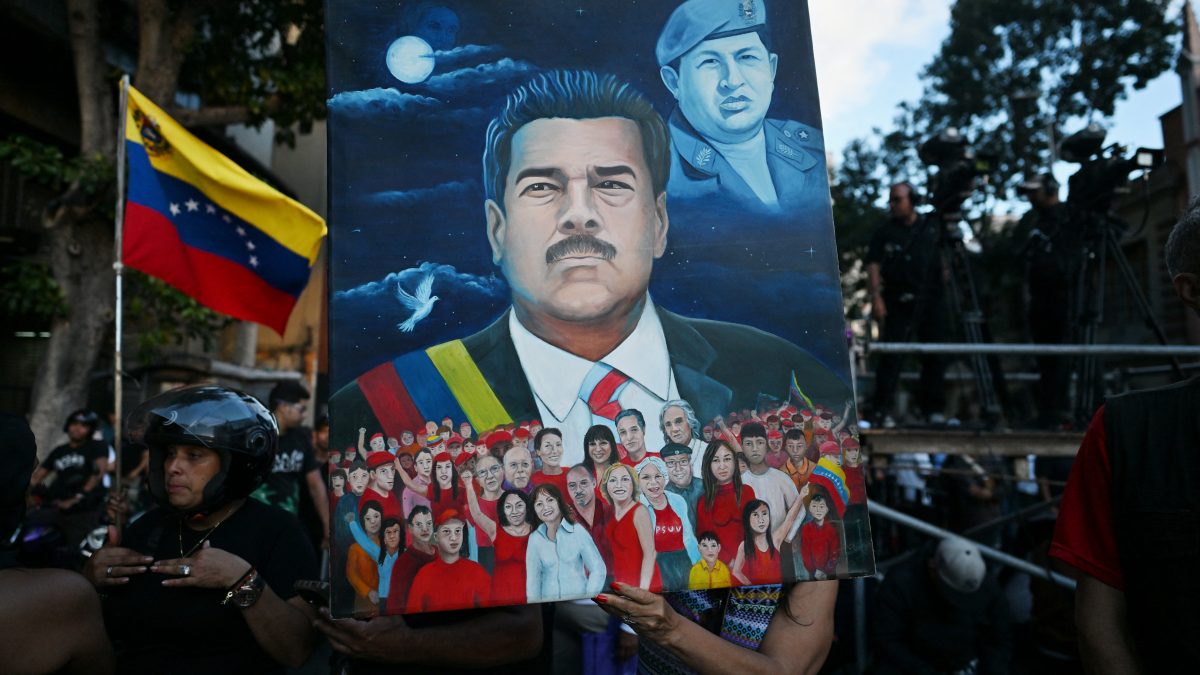 "US-Venezuela tensions LIVE: After Trump’s new strike threat, interim president ‘invites US govt to collaborate’")
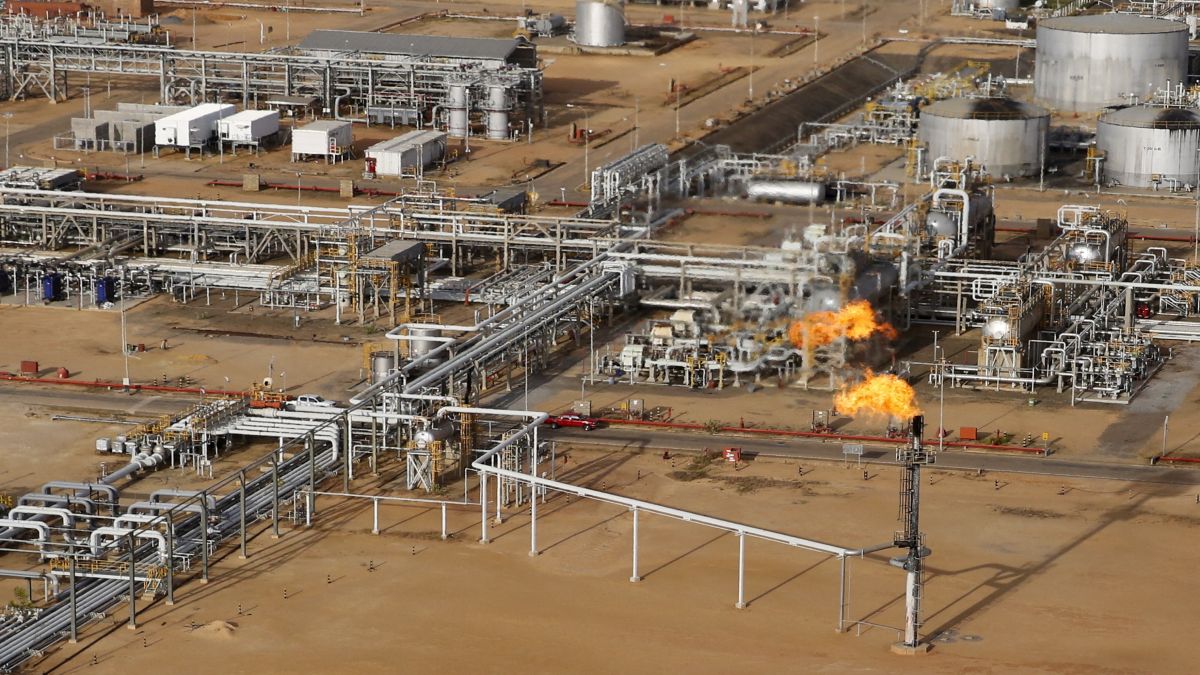 "What does Maduro’s capture mean for global oil prices? Will India be hit?")
 "‘Russia wants Venezuela for Ukraine’: Ex-adviser predicted Trump-Putin deal in 2019")
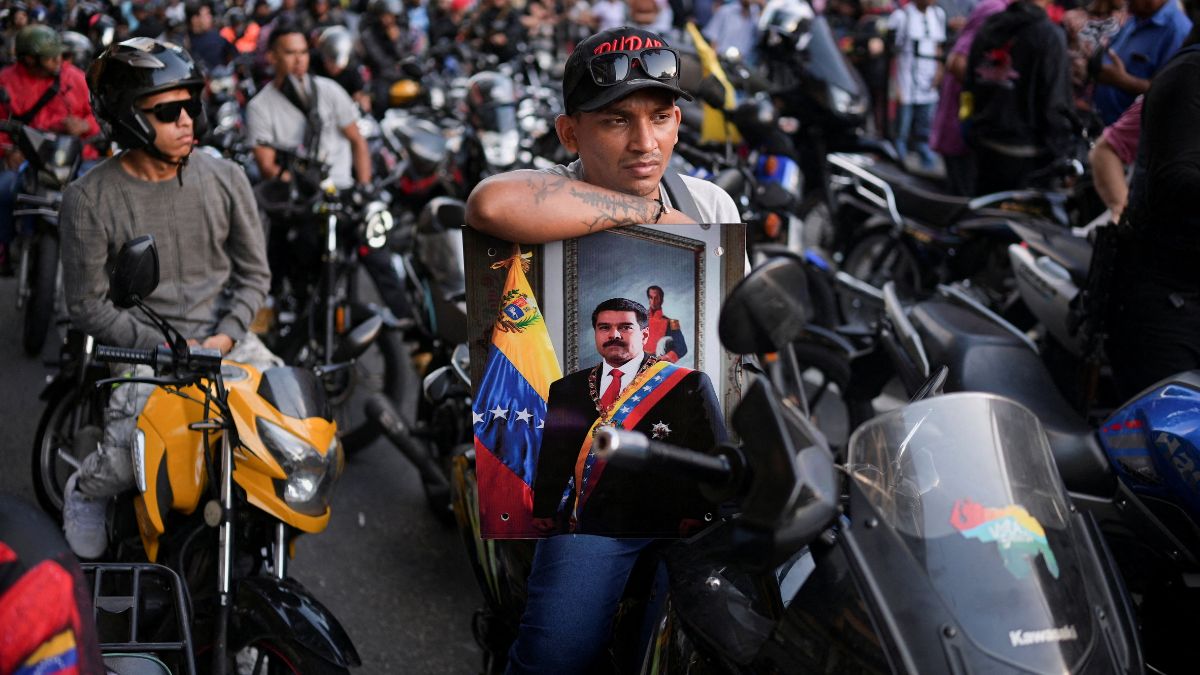 "Can the US really ‘run’ Venezuela and cash in on its oil riches?")
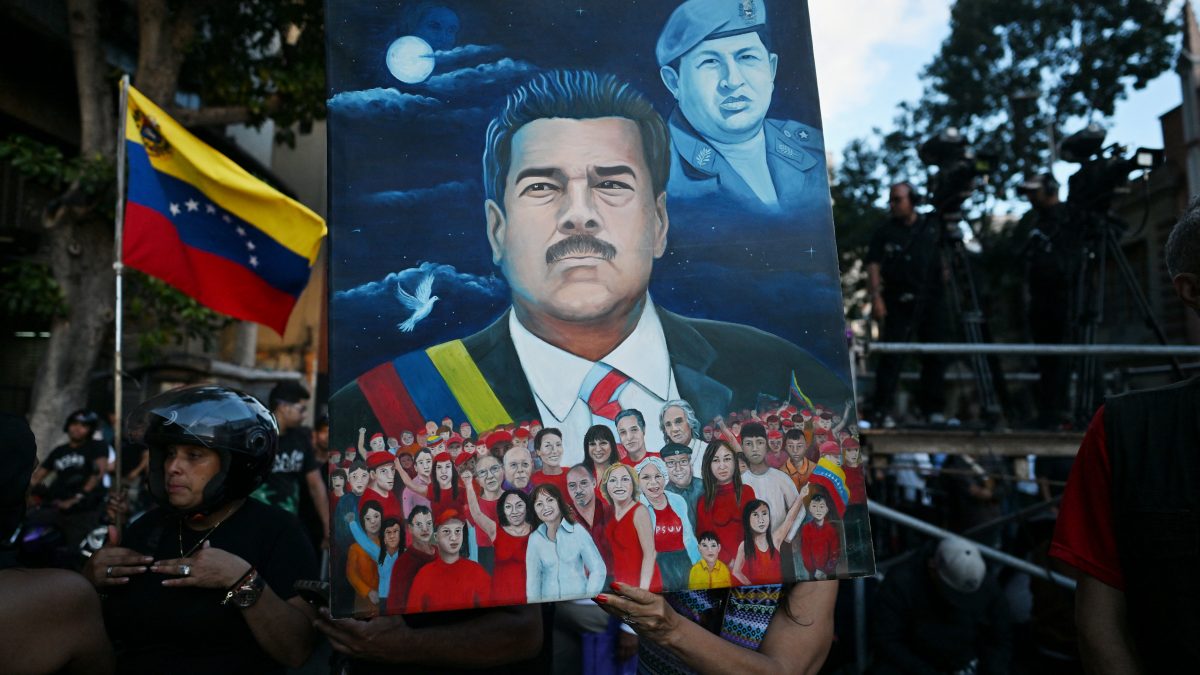 "US-Venezuela tensions LIVE: After Trump’s new strike threat, interim president ‘invites US govt to collaborate’")
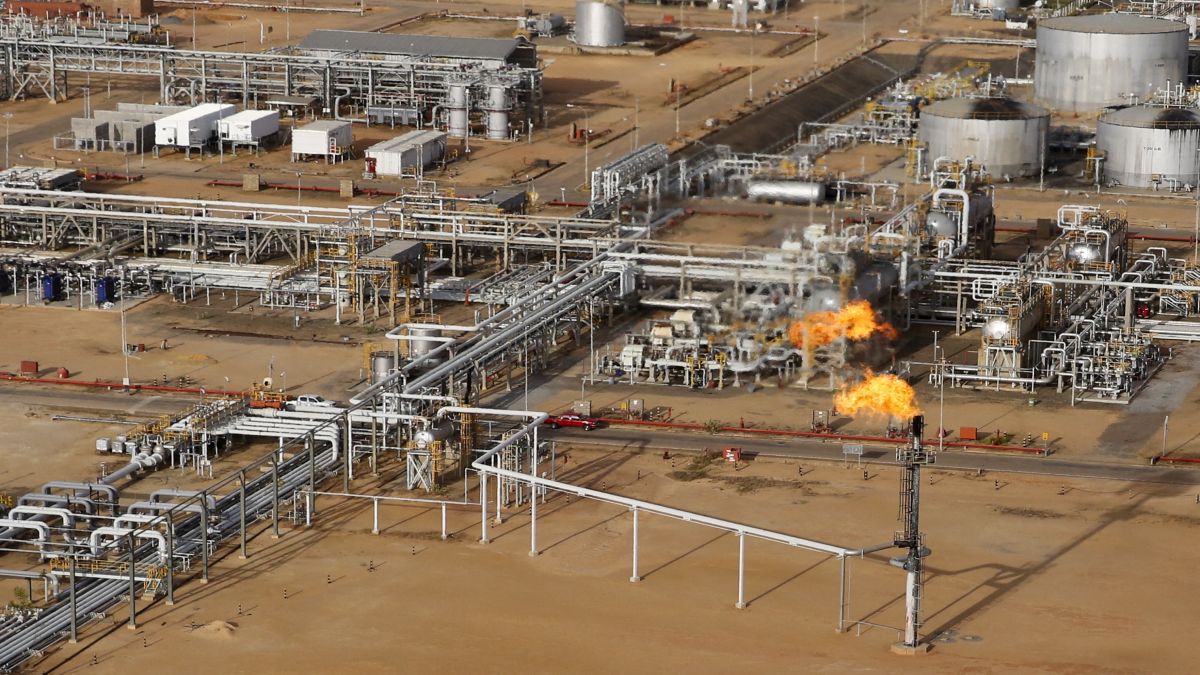 "What does Maduro’s capture mean for global oil prices? Will India be hit?")
 "‘Russia wants Venezuela for Ukraine’: Ex-adviser predicted Trump-Putin deal in 2019")
 "Can the US really ‘run’ Venezuela and cash in on its oil riches?")