 "Sari diplomacy beyond symbolism: When clothing becomes a political signal and soft power")
The sari in Indian politics is often read as cultural symbolism. However, that framing alone undersells its function. It is messaging, quietly doing its job while everyone is focused on speeches and soundbites. If you look closely, you will see that for many leaders, what they wear is as consistent and as strategic as what they say.
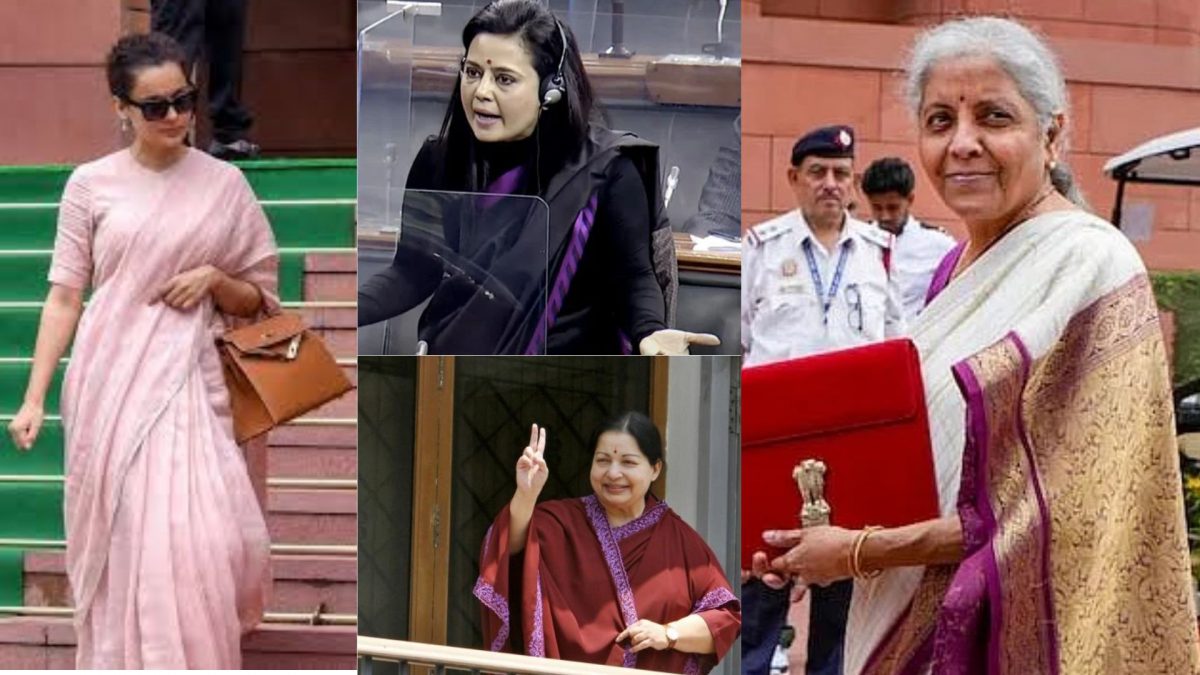
Take Finance Minister Nirmala Sitharaman walking in with her Budget briefcase.
Over the years, her sari choices, almost always handloom and often tied to specific regions, from Mithila painting-inspired weaves to temple-border Kancheevarams, have become part of the ritual. This is not incidental. At an event centred on the economy, she visually reinforces the “vocal for local” push. The message lands without needing to be spoken.
#IndiaBudget2026: Finance Minister Nirmala Sitharaman presented the Union Budget 2026-27 in Parliament on Sunday, outlining the government’s economic roadmap. Prime Minister Narendra Modi hailed it as “human centric,” saying it lays the foundation for a New India. BJP MPs… pic.twitter.com/jTugIcFKPt
— Firstpost (@firstpost) February 1, 2026
A similar clarity defines West Bengal CM Mamata Banerjee’s wardrobe. Her signature white cotton sari with a blue border has become shorthand for austerity and consistency. It signals a deliberate distance from political glamour and, in doing so, tells voters she remains grounded and unchanged.
"Women have benefited from Lakshmir Bhandar.
— News Arena India (@NewsArenaIndia) March 29, 2026
BJP will give some money before polls but will close it after polls get over."
- CM Mamata Bannerjee in Purulia rally pic.twitter.com/AQX99QXziK
Quick Reads
View AllOn the global stage, former Bangladeshi PM Sheikh Hasina demonstrates how repetition builds recognition. Her frequent choice of Jamdani saris at international events has, over time, turned the weave into a signature closely associated with Bangladesh itself. What begins as personal style evolves into national branding.
This interplay between clothing and context is just as visible in domestic politics. Former Minister of Education Smriti Irani often leans into regional sari choices during constituency visits, aligning visually with local cultures. In a country where identity is layered and specific, these choices signal familiarity and belonging without the need for overt messaging.
In a different register, President Droupadi Murmu’s preference for simple, tribal-influenced handloom saris, especially at high-visibility state events, foregrounds her Adivasi identity. Here, the sari becomes more than attire; it quietly amplifies representation at the highest constitutional level.
At the same time, a more contemporary, media-savvy aesthetic is emerging. Actress-cum-politician Kangana Ranaut and MP Mahua Moitra both embrace saris but pair them with modern accessories such as oversized sunglasses, luxury handbags, and sharply tailored blouses. The effect is a blend of tradition and global polish. Unlike austerity politics, this signals confidence, individuality, and comfort with visibility, an approach that travels well in a social media-driven ecosystem.
Then there is the late Tamil Nadu CM J Jayalalithaa, who took sari signalling into the realm of political architecture. Her distinctive, cape-like drape, with the pallu brought forward across both shoulders, created a near-armoured silhouette that minimised bodily contours while maximising authority. In a political culture that often scrutinised women’s appearance, this worked as both shield and statement.
The effect went further. It created distance between leader and public, and between persona and person. Jayalalithaa appeared less as an individual politician and more as an institution. The uniformity of her saris, typically in deep, solid colours, reinforced that image. There was little variation, and that predictability became a form of power.
If this kind of visual signalling works within national politics, it extends just as effectively beyond it. Increasingly, the sari is part of a wider soft power ecosystem shaped by diaspora communities, cultural platforms, and global audiences. As analysts have noted, diplomacy today is no longer confined to formal channels; it also operates through culture, image, and identity, reaching audiences that traditional statecraft often cannot.
Events like Offbeat Sari sit squarely within this shift. By showcasing experimental drapes and contemporary interpretations, they position the sari as a living, evolving form rather than a static symbol. In doing so, they turn it into a medium of exchange, where identity is not just displayed but actively reimagined.
This softer form of signalling is also visible in public life abroad. Former US VP Kamala Harris occasionally wears saris during family or ceremonial moments, reinforcing her Indian heritage in ways that feel organic. Similarly, Former Governor of South Carolina Nikki Haley has worn saris at cultural events to connect with Indian-American audiences, while ex-Tory Home Secretary Suella Braverman has used them in festival settings as a cultural bridge.
Beyond politics, the sari’s global presence is being reshaped through pop culture. Mindy Kaling and Priyanka Chopra have reimagined it through contemporary styling, while Padma Lakshmi has consistently worn saris on international platforms, helping normalise the garment beyond ethnic contexts.
Across these examples, the function shifts but the outcome remains consistent. For politicians, the sari is strategic and situational. For cultural figures, it is more fluid and experimental. Yet in both cases, it works as a visual shorthand, communicating identity, pride, and continuity without needing explanation.
Ultimately, what ties all of this together is consistency and context. These are not isolated choices but deliberate, repeated decisions that build a recognisable visual language over time. And that is the real point. The sari does not just follow politics, it helps shape it.


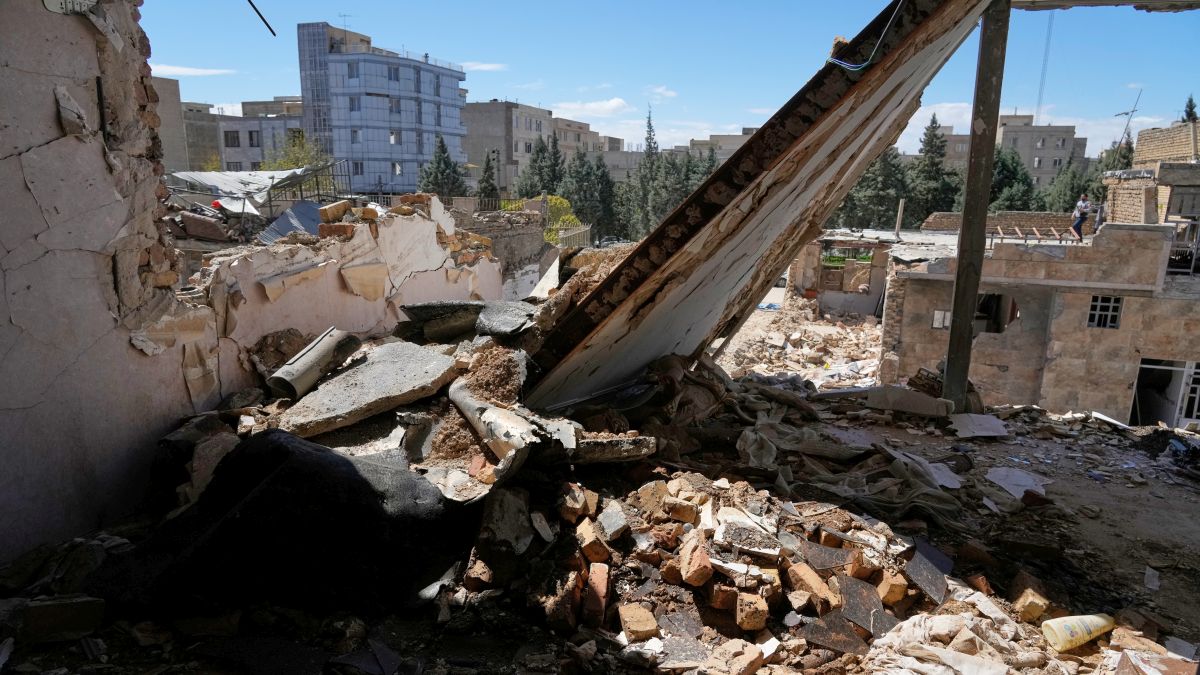 "Iran Israel War Live News: At least 1 dead in Tehran after Israeli strikes hit residential area")
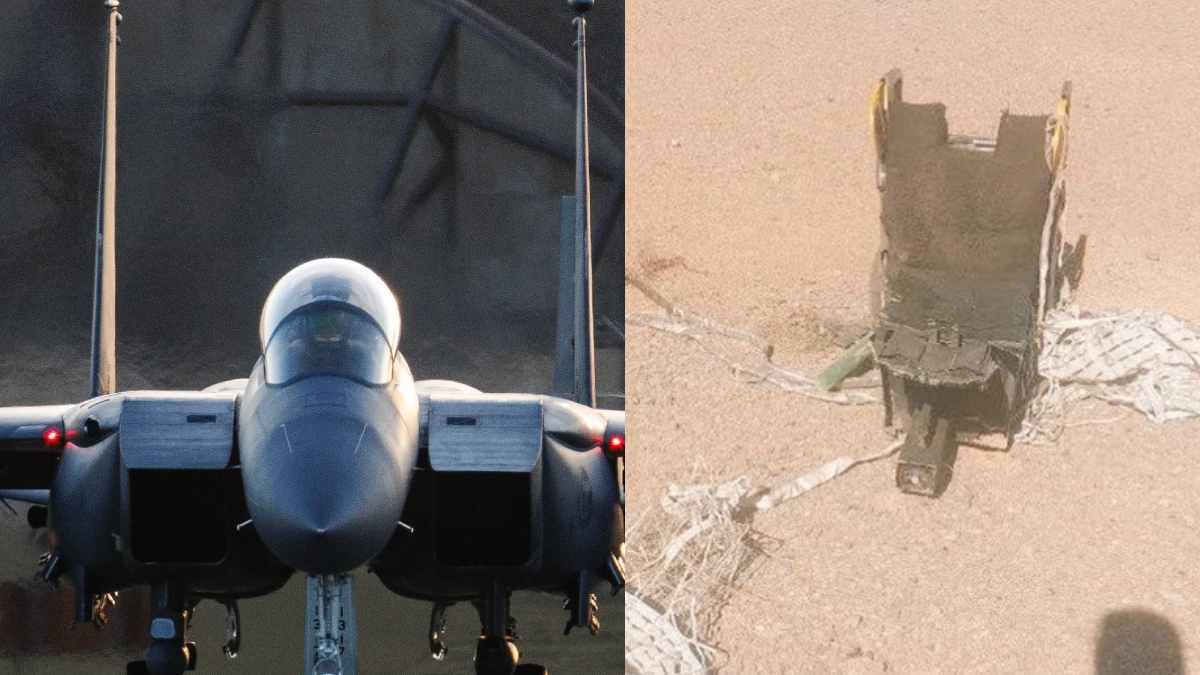 "One of two US crew members rescued after F-15E jet shot down over Iran, race to hunt second ongoing")
 "Seventh India-flagged LPG tanker crosses Strait of Hormuz")
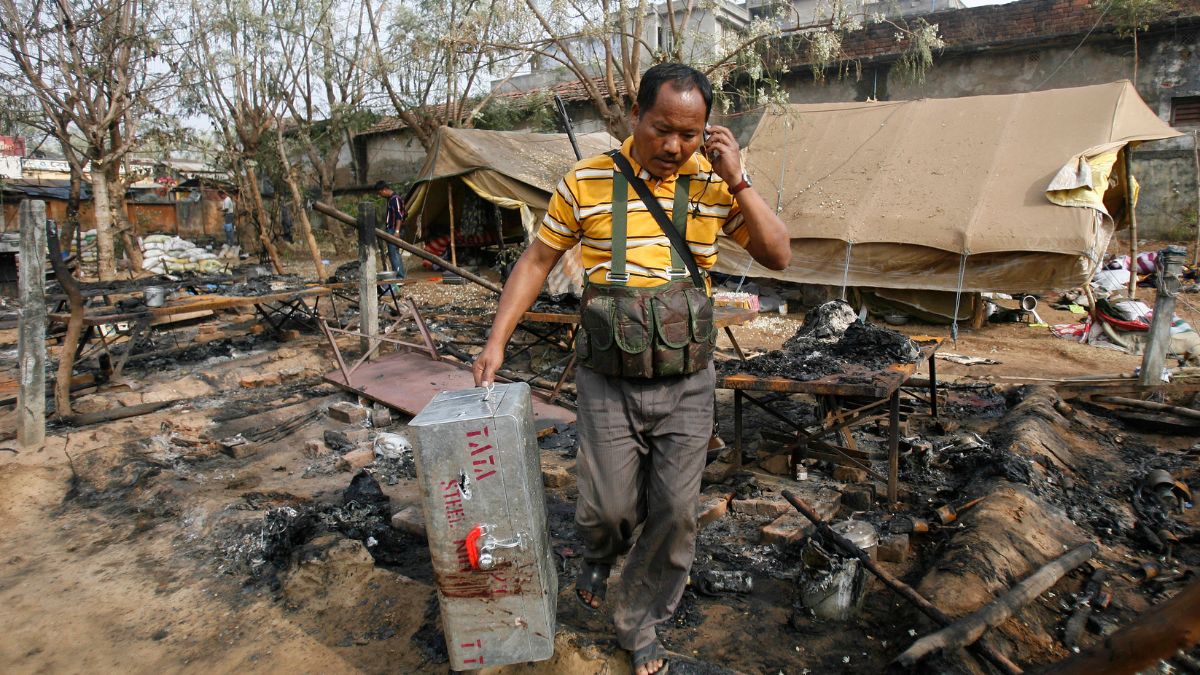 "This Week in Explainers: How India won the war against 'Red Terror'")
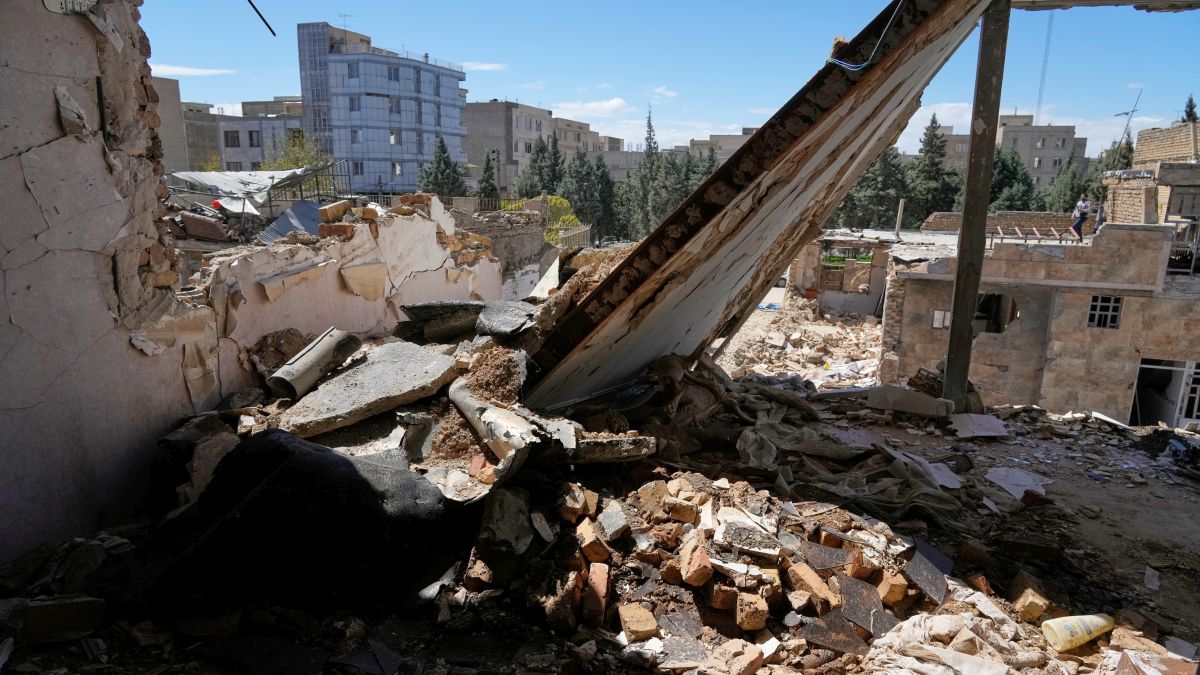 "Iran Israel War Live News: At least 1 dead in Tehran after Israeli strikes hit residential area")
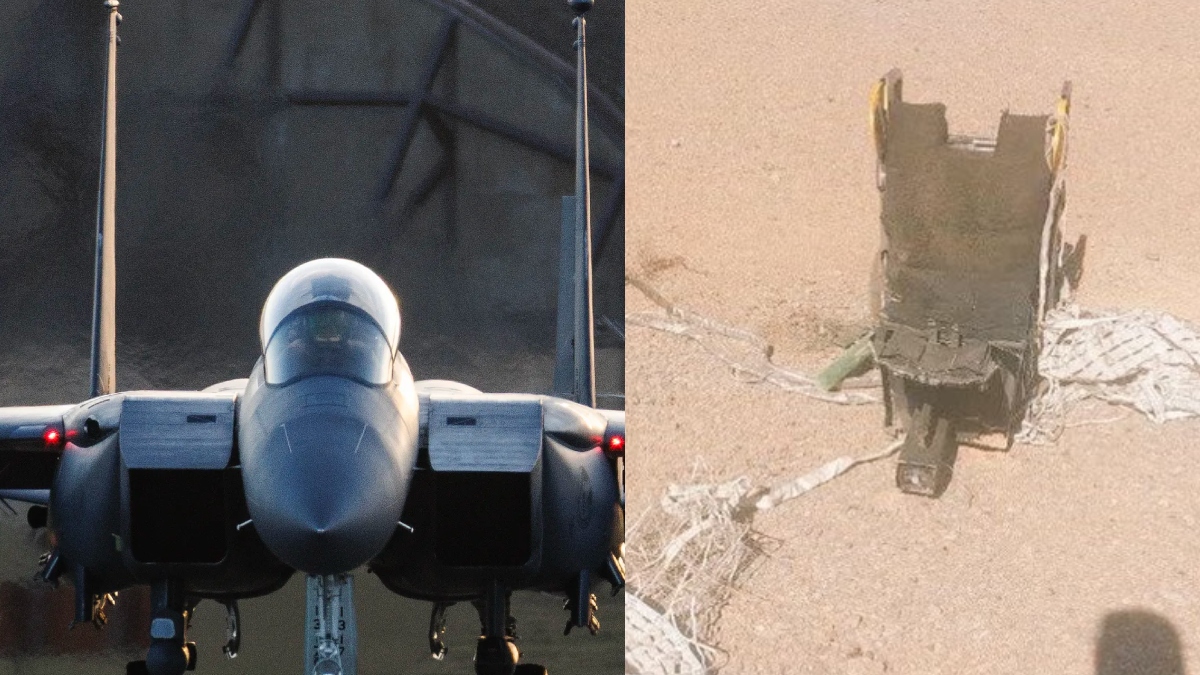 "One of two US crew members rescued after F-15E jet shot down over Iran, race to hunt second ongoing")
 "Seventh India-flagged LPG tanker crosses Strait of Hormuz")
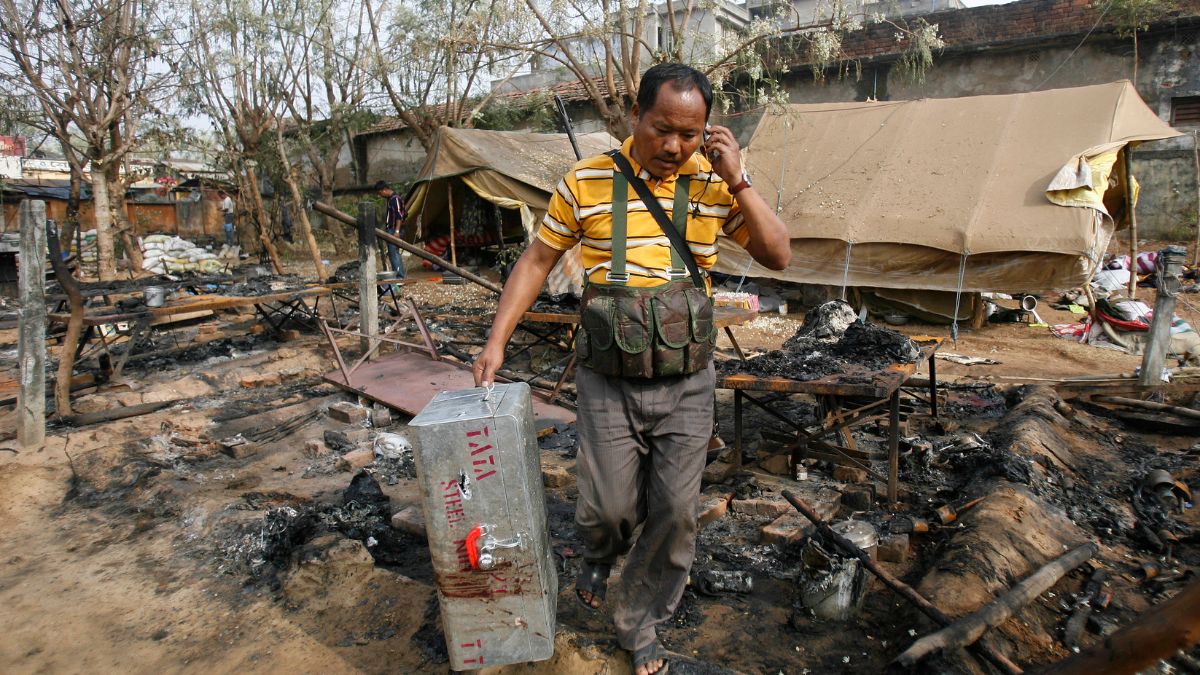 "This Week in Explainers: How India won the war against 'Red Terror'")