

 "Refashioning India: Maitrayee Chaudhuri on shifts in media representation of women, sway of PR, advertising")
The period after the year 1990 in India was a significant one; the country witnessed sudden changes in its economy. Two decades since then, the conversation about the media has expanded, and there has been increasing awareness about the linkages between the media, economy, and now, politics. But there is one question that has perhaps not got quite the same focus from scholars and media analysts: What shifts have taken place historically in the media representation of women, that accompany transformations in the political economy? It is this particular question that Maitrayee Chaudhuri explores in her book Refashioning India: Gender, Media and a Transformed Public Discourse. This book seeks to map the changing ways in which gender has been represented in dominant Indian public discourse over modern history. The storyline is complex. It begins with a close look at the First Plan Document of India (1947) and ends with the 2014 General Elections. In between is the storyline of the 2012 Delhi Gang Rape and the ubiquitous presence of the advertising and public relations industries. In this conversation with Firstpost, Chaudhuri, professor of sociology at the Jawaharlal Nehru University, talks about the themes that dominate her book, media manipulation of popular opinion, and whether there is greater space for marginalised voices today. Can you tell us about the two interlinked themes that the book addresses? One is that gender has been central to modern India’s public discourse; and two, that recent years have seen a shift in both the content and form of gender representation… It is generally thought that the discourse on gender is contemporary in nature. However, what must be noted is that the discourse on gender has been present throughout modern Indian history. When you look at the 19th century social reform movement, besides caste, one constant was gender, whether we talk of upper caste reform or we talk of anti-caste reform movements.
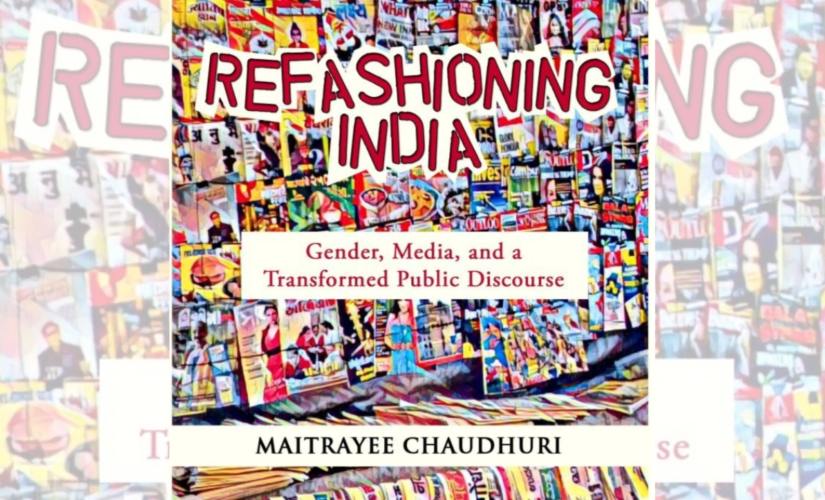
One of the chapters in my book refers to how researchers for advertisers suggest that when you have to target middle-class women, there should be an element of feminism in it.
In your book, you write: “After decades of sedate existence, the Indian media universe has witnessed a ‘big bang’ of sudden and gigantic expansion." Do you think this enormous expansion has made available new avenues for the marginalised to assert themselves? In my book, I have particularly looked at the print, and I feel that the possibilities for the marginalised to assert themselves have been very limited in the print media. However, social media is perhaps more accessible to multiple groups. Take the example of Dalit and women’s movements. However, it would be wrong to conclude that the presence of multiple voices necessarily lead to more informed discussions, necessary for a democratic society. I would like to refer here to over-communicative abundance.
There is too much information; too much noise. We have narrow casting; customised news.
For instance, if I am a Bengali middle class person, I get to see only those news items and feeds that a Bengali middle class, middle-aged woman would be interested in. The larger world bypasses me. You are in turn seceded from the larger society. Although the internet assures you that it is global, it actually is very far from being truly global; so instead of broadcasting, it is actually ‘narrowcasting’. I as a ‘citizen’ have in some ways seceded from the wider ‘imagined community’. Instead of being a citizen, I am a consumer who the media and PR industry targets. The linkages between women’s representation and nationalism have interested many contemporary sociologists. You particularly look at the complex ways in which these linkages transform themselves in a neoliberal economy. Could you explain this further? I am a little uncomfortable with how women’s representation and nationalism have been discussed in contemporary times. The dominant trend has been either to critique nationalist representation of women as ‘upper caste’ Hindu or middle class, which is not wrong, but the story line of women’s representation is more complicated, and nationalism is not entirely a cultural project. It is historically specific and with inextricable links to political economy and specific class configurations. In my book, I therefore seek to use gender as a vantage point but from a dynamic perspective, wherein gender as an organising principle works with other processes, such as the changing nature of capitalism on the one hand and the rise of cultural nationalism on the other.

 "Israel targets top Hamas leaders in Doha; Qatar, Iran condemn strike as violation of sovereignty")
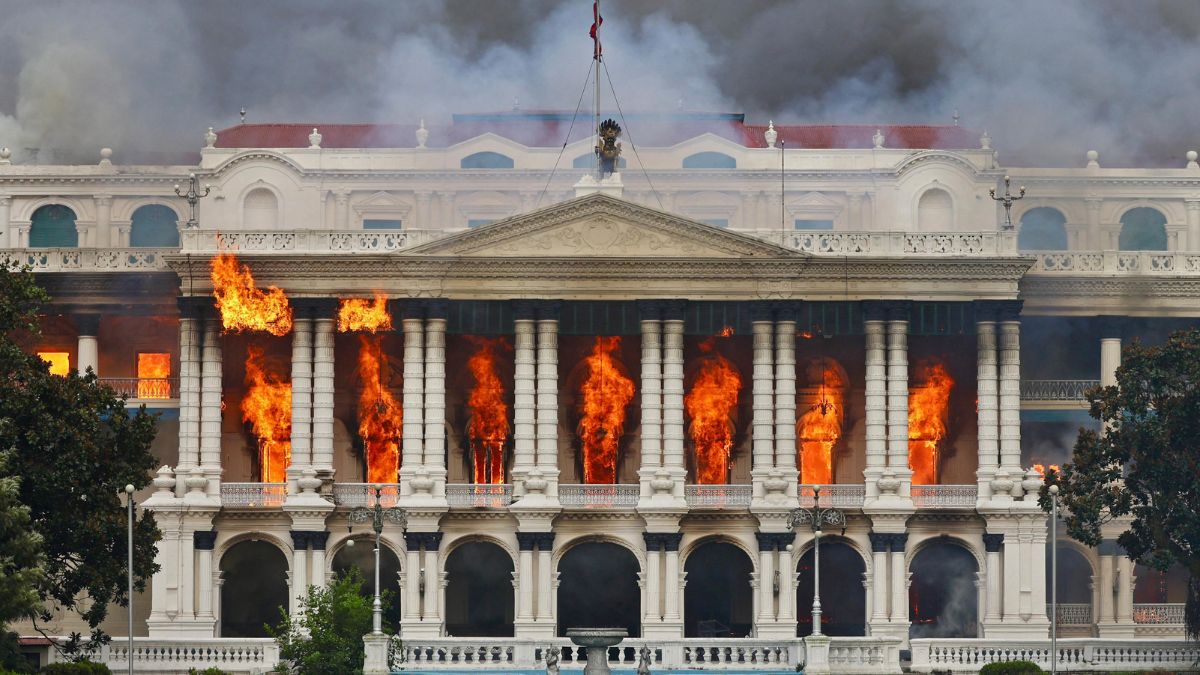 "Nepal: Oli to continue until new PM is sworn in, nation on edge as all branches of govt torched")
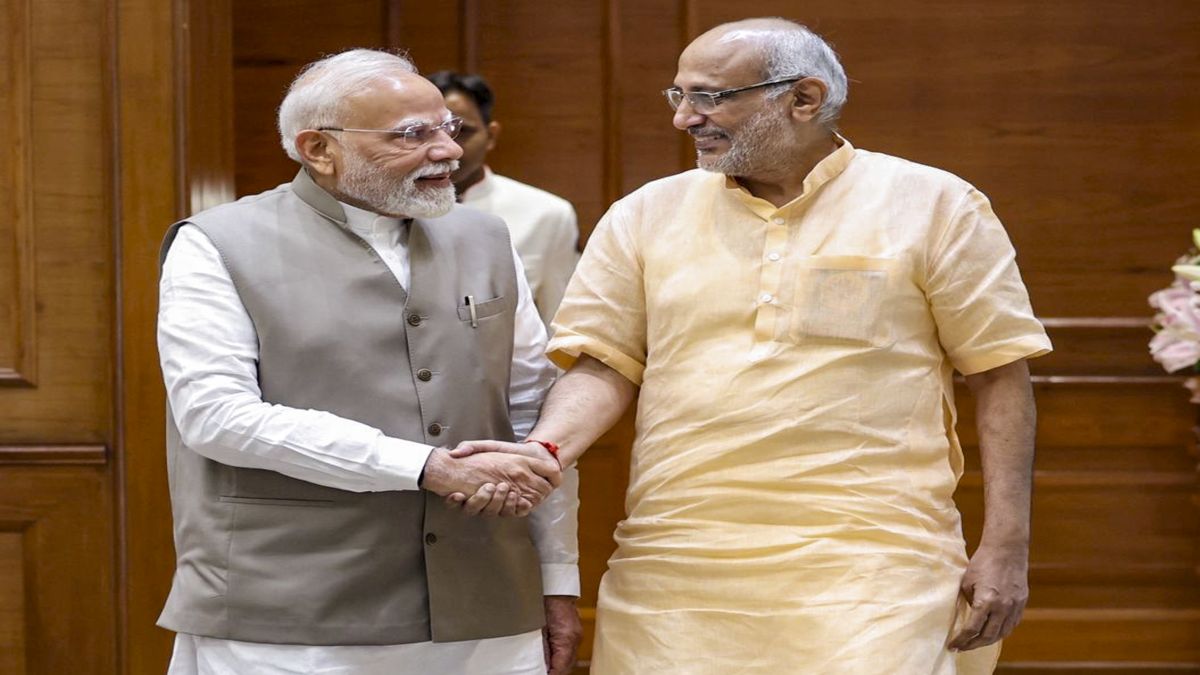 "Who is CP Radhakrishnan, India's next vice-president?")
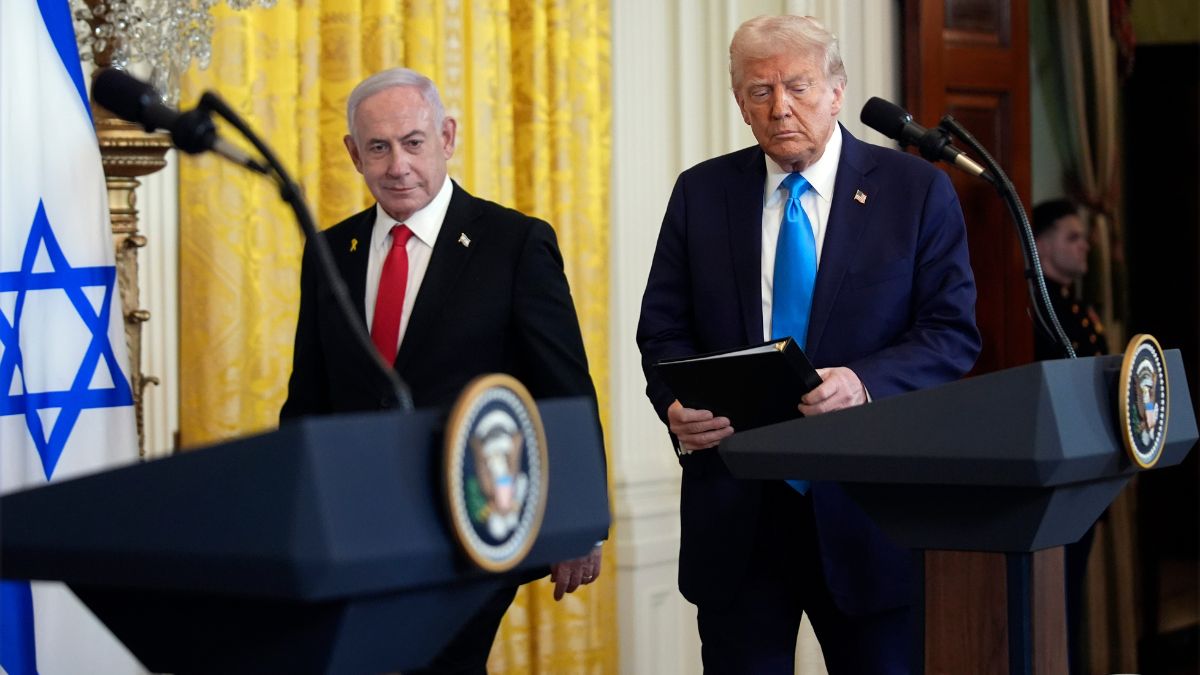 "Israel informed US ahead of strikes on Hamas leaders in Doha, says White House")
 "Israel targets top Hamas leaders in Doha; Qatar, Iran condemn strike as violation of sovereignty")
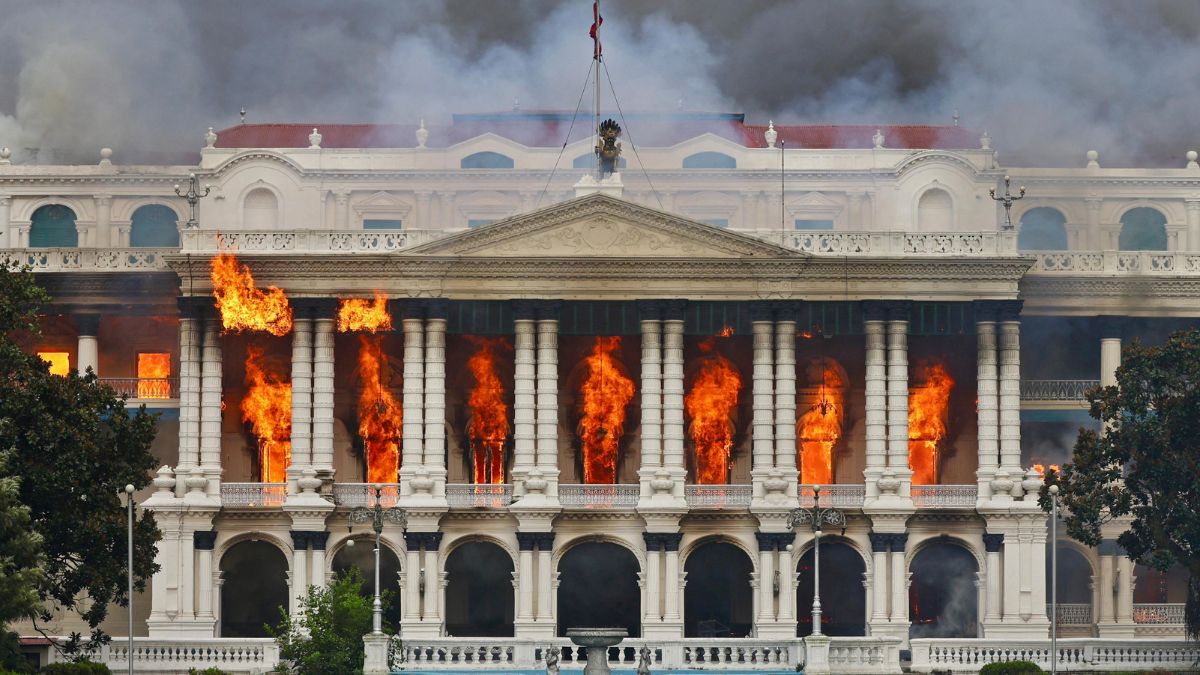 "Nepal: Oli to continue until new PM is sworn in, nation on edge as all branches of govt torched")
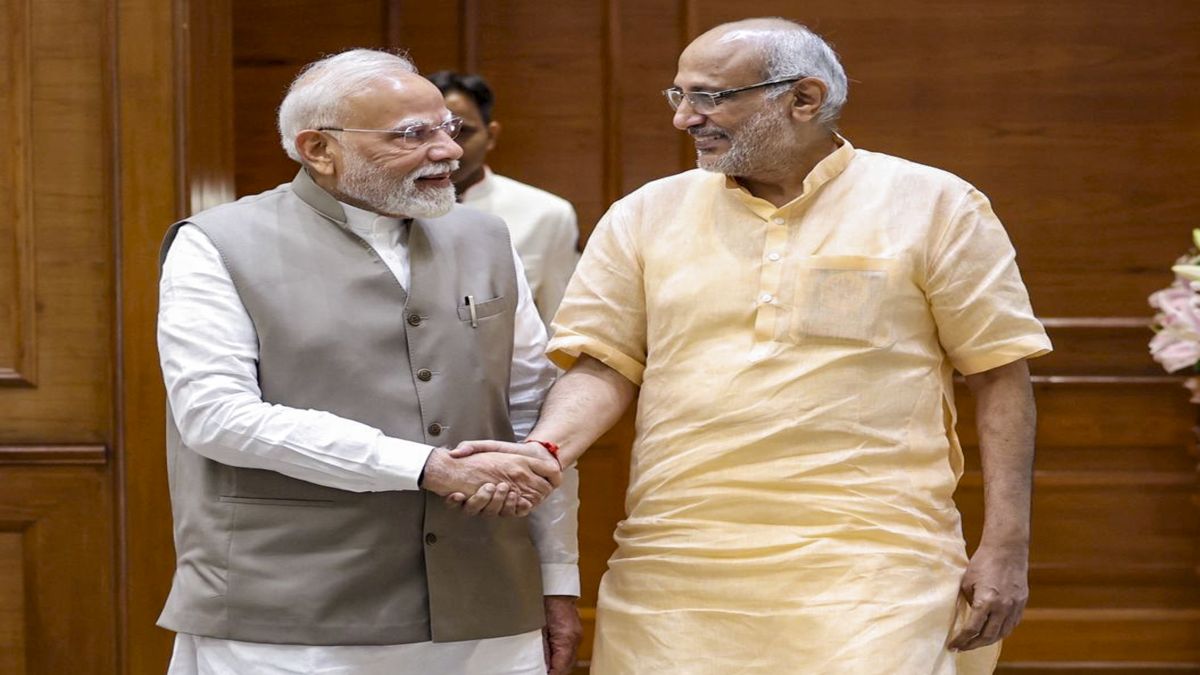 "Who is CP Radhakrishnan, India's next vice-president?")
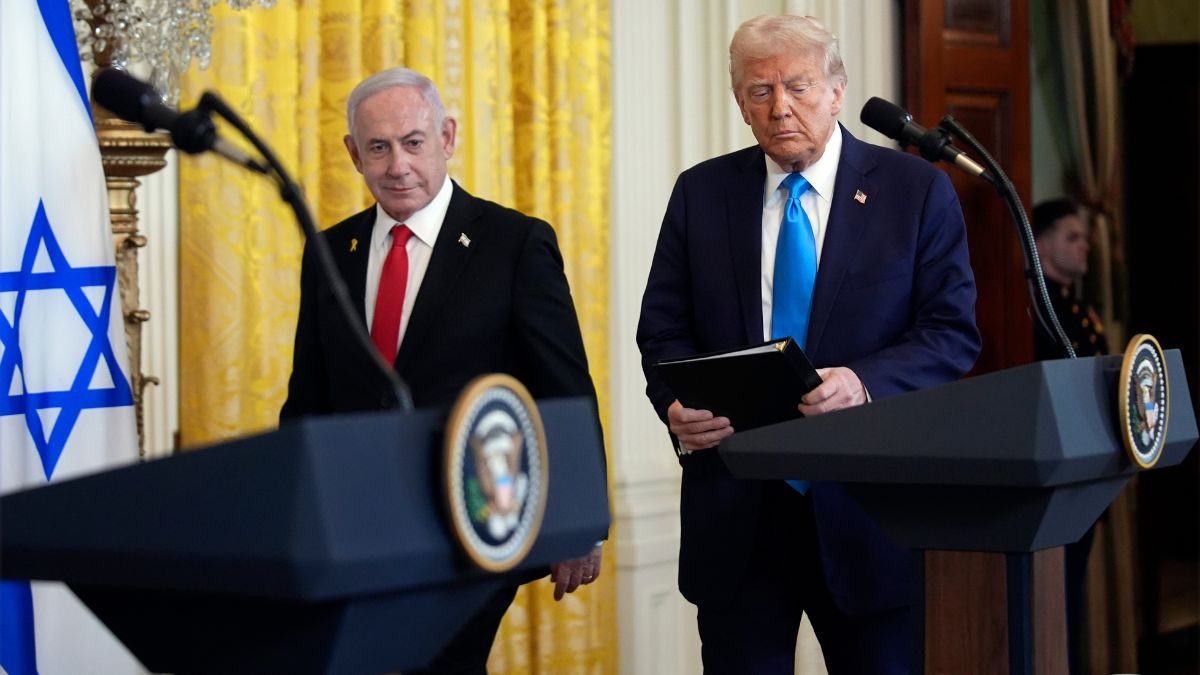 "Israel informed US ahead of strikes on Hamas leaders in Doha, says White House")



