

 "Modi wins big with US nuclear deal, but what will Prez Obama want in return?")
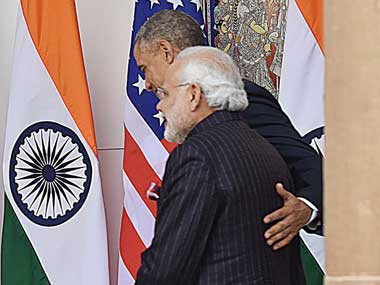
The Americans are known to be highly transactional in the way they craft and implement their foreign policy. History bears witness to this tendency. Before they agreed to join UK in the war effort against Hitler in 1941, Americans asked Britain to dismantle its preferential trade arrangements with its colonies. And after Britain became hugely indebted to the US, American negotiators forced the UK to accept the dollar as a reserve currency, marking the end of the dominance of pound sterling. In short, they always ruthlessly look at economic gains in every global collaboration. [caption id=“attachment_2063769” align=“alignleft” width=“380”]  What is the cost of this friendship? PTI[/caption] Today they see in India a great opportunity to do strategic business deals, especially in the area of green energy as the pressure of the horrific consequences of climate change grows by the day. The big opportunity in India is that the bottom 800 million of the relatively poor population possibly consume less than 200 units of electricity per capita annually as compared with the developed world whose population consumes more than 7000 units of electricity per head. In fact India’s per capita energy consumption today compares with what existed in late 19th century US! About 400 million Indians don’t even have formal access to electricity. With the pressure on India growing everyday to contribute to carbon emission reduction, the US government thinks it can do big bilateral deals with India which will sustain a long term partnership. The US finds in Prime Minister Narendra Modi a kindred spirit. The US government has figured that Modi wants to do business with them in areas where India’s contentious political economy does not come in the way. What are these low hanging fruits which the Americans want to explore in the medium to long term? So far the Indo-US relations have stagnated despite all the promise shown in regard to the flow of critical technologies after the signing of the nuclear deal under UPA I. Critical technology sharing on reasonable terms is really the very basis of taking India-US engagement to a much higher plateau. Modi thinks he can persuade the US government to transfer critical technologies whether in the production of green energy, defence equipment or nuclear power plants. Sure, the Americans may be willing to share new technologies but not before they extract their pound of flesh, as history makes so amply clear. Also, technology transfer in critical areas does not come in a piecemeal manner. It comes as a package deal in which India will have to make some key compromises. Some of these compromises will certainly create political economy risks for Modi. For instance, the Americans want India’s Patent Law governing the pharmaceutical sector to be reviewed. India’s Patent Act, which provides for compulsory licensing and production of cheaper variety of drugs to be given to the poor in the event of an epidemic, has been hailed as path breaking by other developing nations. But the Western pharmaceutical companies want restrictions to be imposed on this. This will not fly and the first opposition to any such move will come from the Sangh Parivar elements within. The global pharma companies also dislike another provision in our Patent regime which says incremental innovation, which does not substantially improve the therapeutic value of a drug, cannot be patented. These issues are potentially deal breakers. There is great hope being attached to the announcement of starting a new Bilateral Investment Agreement between India and US during the Obama visit. Any Bilateral Investment Agreement will presuppose that Intellectual Property Rights disputes between the two nations would be on the table for discussion. It also presupposes that India will be open to totally liberalising FDI in the services sector such as multi-brand retail, Insurance sector and banking sector where there are severe restrictions. On multi-brand retail, we are informed by Prof. Jagdish Bhagwati, who met Modi recently, that the PM has nothing against multi brand retail at a philosophical level. Bhagwati suggested Modi may agree to opening it up in a few years. If indeed Bhagwati is right, then the BJP needs to explain why it ran a nationwide campaign against FDI in multi-brand retail when it was introduced. The Sangh Parivar is totally opposed to any move to fully open up insurance and banking, foreign companies having a free run without any management restrictions. The Parivar philosophically believes that the savings of a Indian people can be harnessed only by Indian companies, preferably PSUs. One doesn’t know whether Modi has had any back channel talks with the RSS leaders on this issue. Unless these political economy issues are resolved, the discussion on a Bilateral Investment Agreement will not go anywhere. Actually the Americans want to enter the services market, much more than manufacturing. In manufacturing, they will remained focused on sectors like defence and green energy such as solar and nuclear power. The least controversial issue, from India’s political economy standpoint, will be the idea of creating defence co-production facilities to enhance India’s national security vis a vis China and Pakistan. The Sangh Parivar is likely to fully cooperate on Indo-US defence engagement. However, as I said earlier, this will come only as part of a package deal. India cannot choose some parts of the package and reject others. This will be the biggest challenge in scripting a new chapter in Indo-US engagement.
With the pressure on India growing everyday to contribute to carbon emission reduction, the US government thinks it can do big bilateral deals with India which will sustain a long term partnership.
Advertisement
End of Article

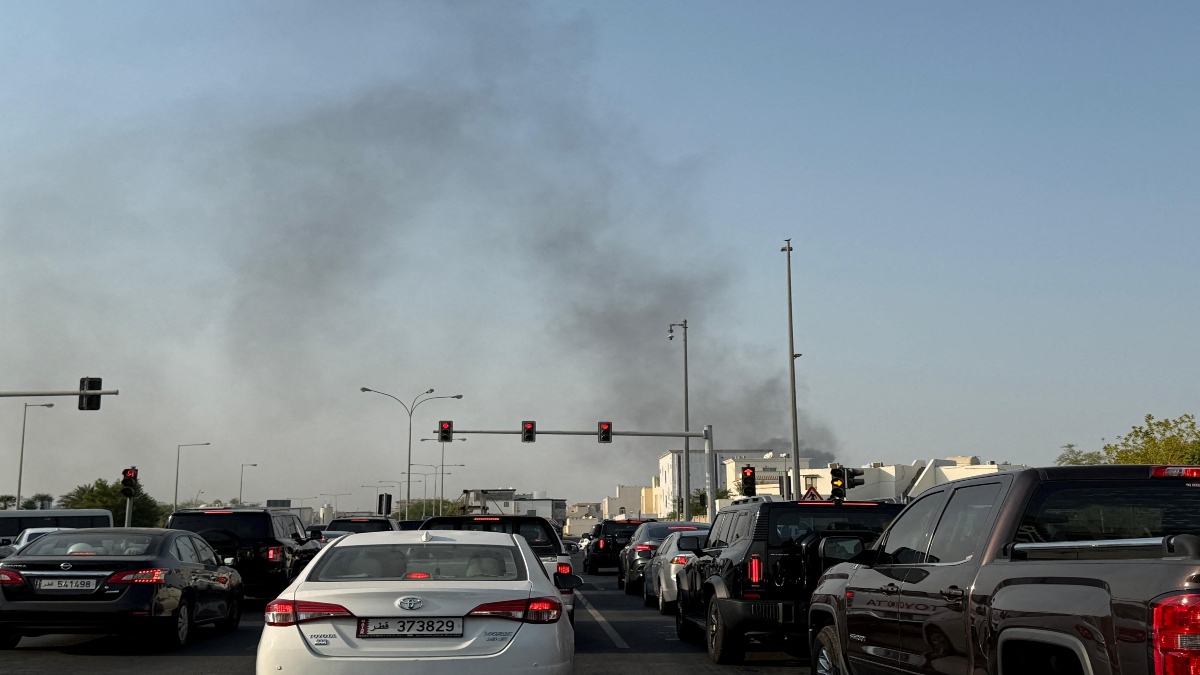 "Israel targets top Hamas leaders in Doha; Qatar, Iran condemn strike as violation of sovereignty")
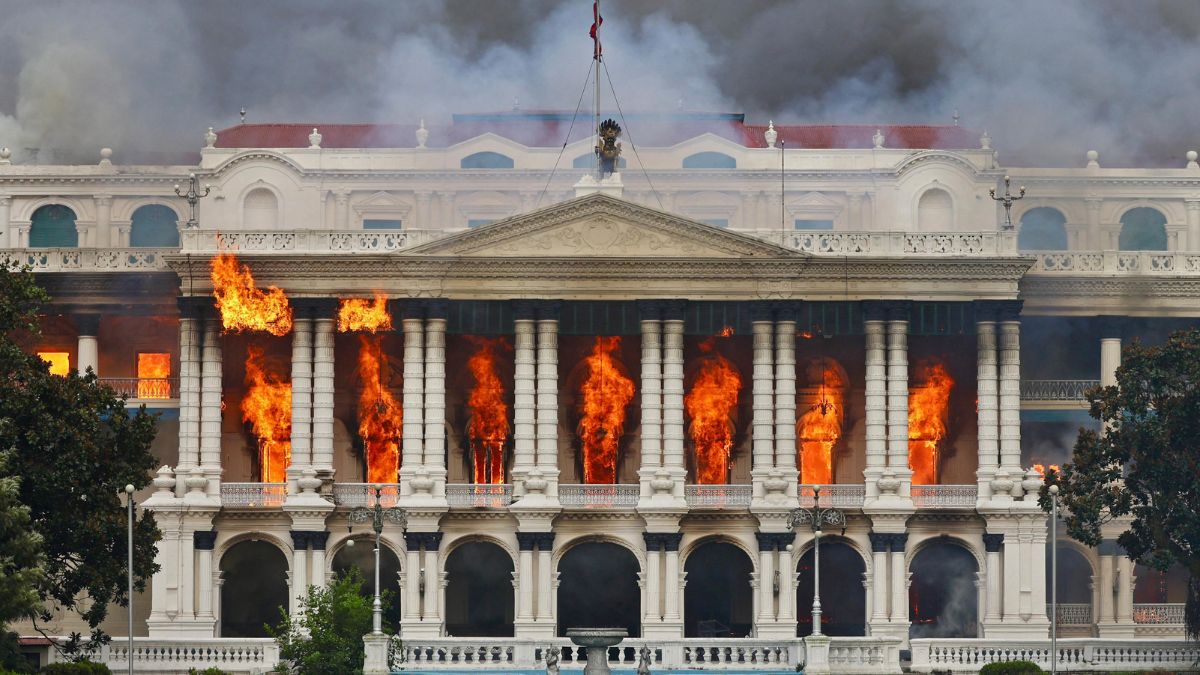 "Nepal: Oli to continue until new PM is sworn in, nation on edge as all branches of govt torched")
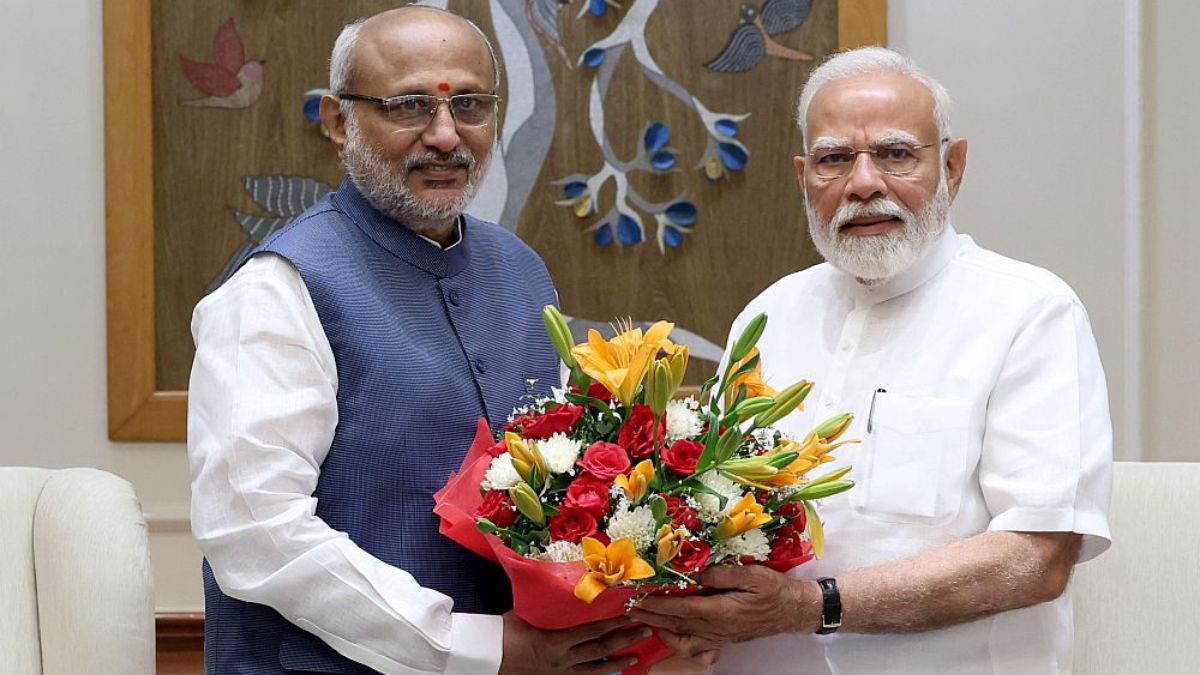
 "Who is CP Radhakrishnan, India's next vice-president?")
 "Israel informed US ahead of strikes on Hamas leaders in Doha, says White House")
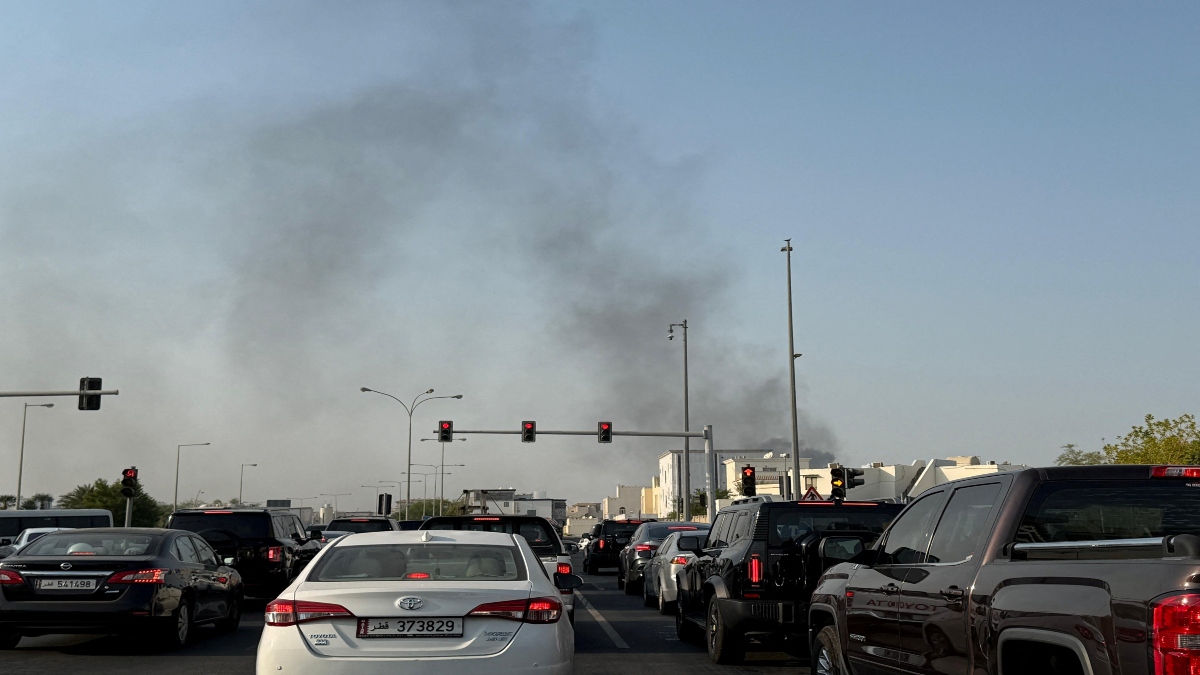 "Israel targets top Hamas leaders in Doha; Qatar, Iran condemn strike as violation of sovereignty")
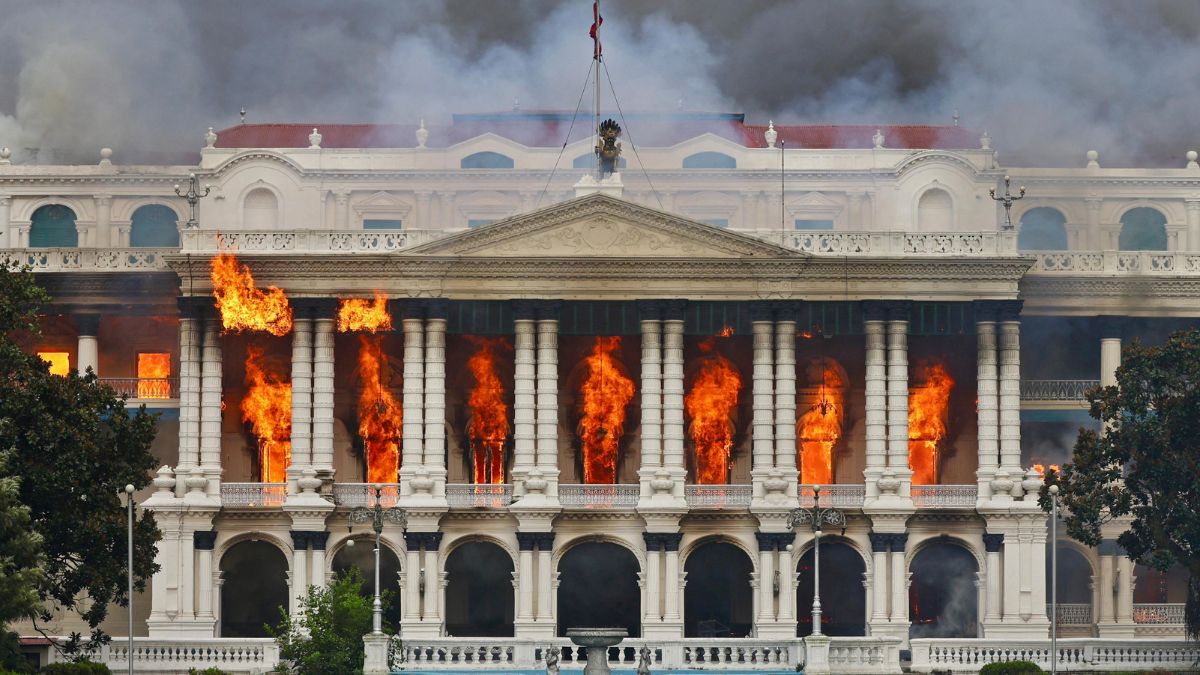 "Nepal: Oli to continue until new PM is sworn in, nation on edge as all branches of govt torched")
 "Who is CP Radhakrishnan, India's next vice-president?")
 "Israel informed US ahead of strikes on Hamas leaders in Doha, says White House")



](https://images.firstpost.com/wp-content/uploads/2015/01/Obama-Modi1.jpg)