

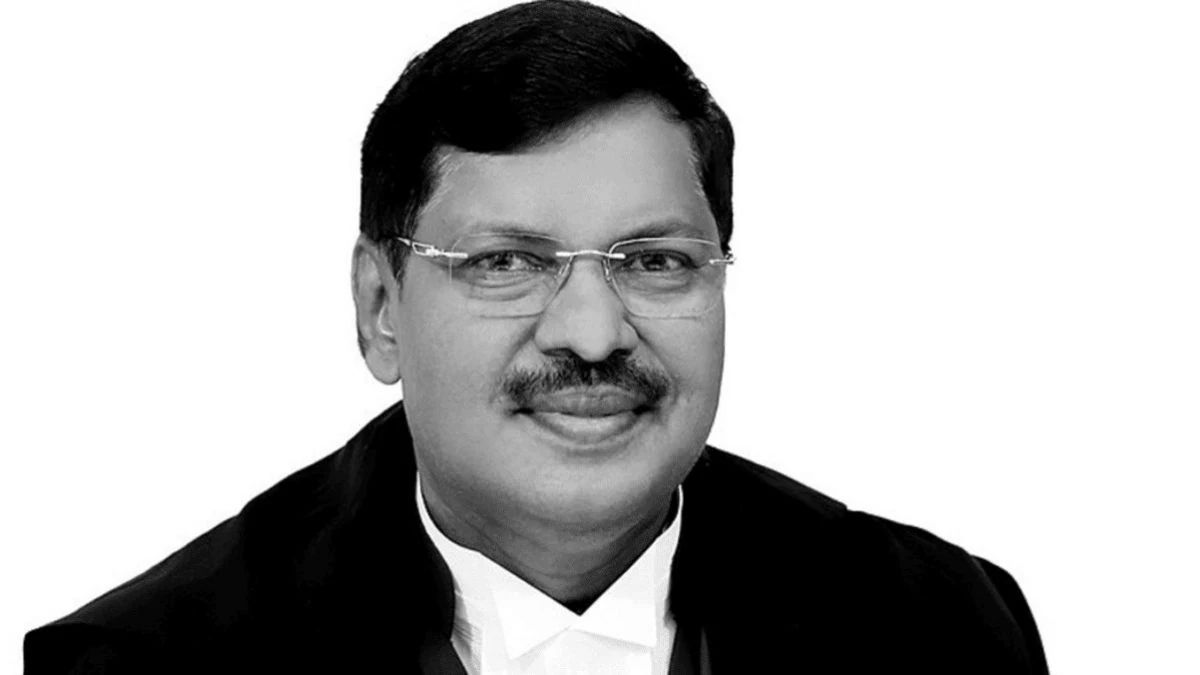
 "Justice BR Gavai takes oath as CJI, first top judge from Buddhist community")
Justice Bhushan Ramkrishna Gavai was sworn in as the 52nd Chief Justice of India (CJI) on Wednesday, assuming the highest judicial office in the country a day after the retirement of Justice Sanjiv Khanna.
Justice Gavai is the first Buddhist to become CJI and only the second person from the Dalit community to hold this position, after Justice KG Balakrishnan in 2007.
The swearing-in ceremony was held at Rashtrapati Bhavan in the presence of President Droupadi Murmu, Prime Minister Narendra Modi, Vice President Jagdeep Dhankhar, former President Ram Nath Kovind, and other dignitaries.
Justice Khanna served a brief tenure of just six months after succeeding former CJI Dhananjaya Yeshwant Chandrachud, who had held the office for two years until November last year.
Highlighting the importance of the Constitution and Dr BR Ambedkar’s role as its chief architect, Justice Gavai told The Indian Express, “It is solely due to Dr Ambedkar’s efforts that someone like me, who studied in a semi-slum area at a municipal school, could attain this position.” He concluded his speech with the slogan “Jai Bhim”.
Justice Gavai is expected to serve as Chief Justice for about six months and will retire on 23 November 2025, when he turns 65.
Who is Justice BR Gavai?
Justice Bhushan Ramkrishna Gavai was born on 24 November 1960 in Amravati, Maharashtra. He enrolled as a lawyer on 16 March 1985 and began his career working with the late Raja S. Bhonsale, former Advocate General and High Court judge, until 1987.
He started independent practice at the Bombay High Court in 1987 and, from 1990 onwards, mostly appeared before the Nagpur Bench. In August 1992, he was appointed Assistant Government Pleader and Additional Public Prosecutor at the Bombay High Court, Nagpur Bench, later becoming Government Pleader and Public Prosecutor in January 2000.
Impact Shorts
More ShortsJustice Gavai was elevated as an Additional Judge of the Bombay High Court in November 2003 and became a permanent judge on 12 November 2005. During his tenure, he served at benches in Mumbai, Nagpur, Aurangabad, and Panaji, handling a wide range of cases.


 "Russian drones over Poland: Trump’s tepid reaction a wake-up call for Nato?")
 "As Russia pushes east, Ukraine faces mounting pressure to defend its heartland")
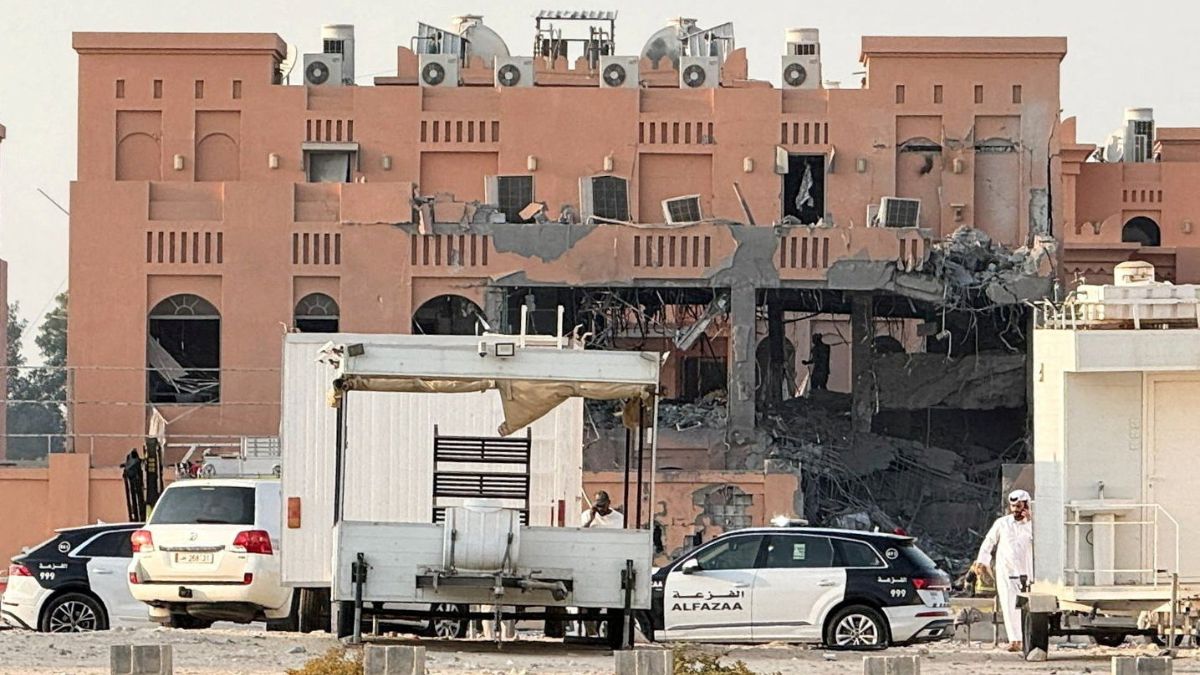 "Why Mossad was not on board with Israel’s strike on Hamas in Qatar")
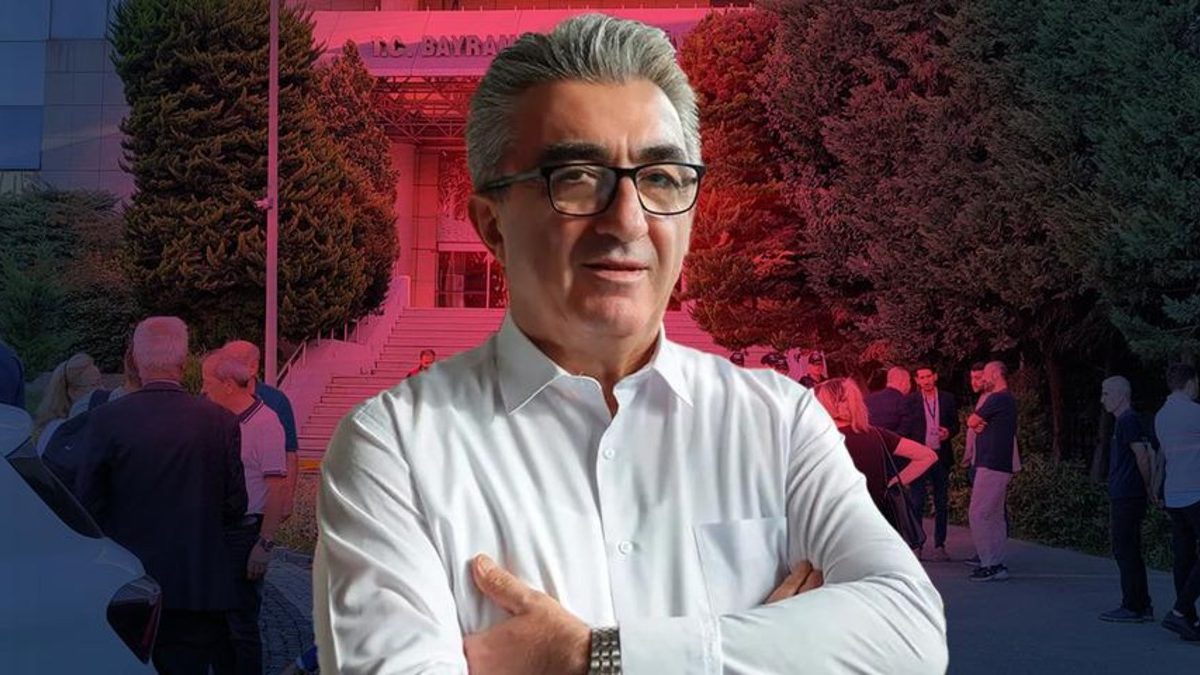 "Turkey: Erdogan's police arrest opposition mayor Hasan Mutlu, dozens officials in corruption probe")
 "Russian drones over Poland: Trump’s tepid reaction a wake-up call for Nato?")
 "As Russia pushes east, Ukraine faces mounting pressure to defend its heartland")
 "Why Mossad was not on board with Israel’s strike on Hamas in Qatar")
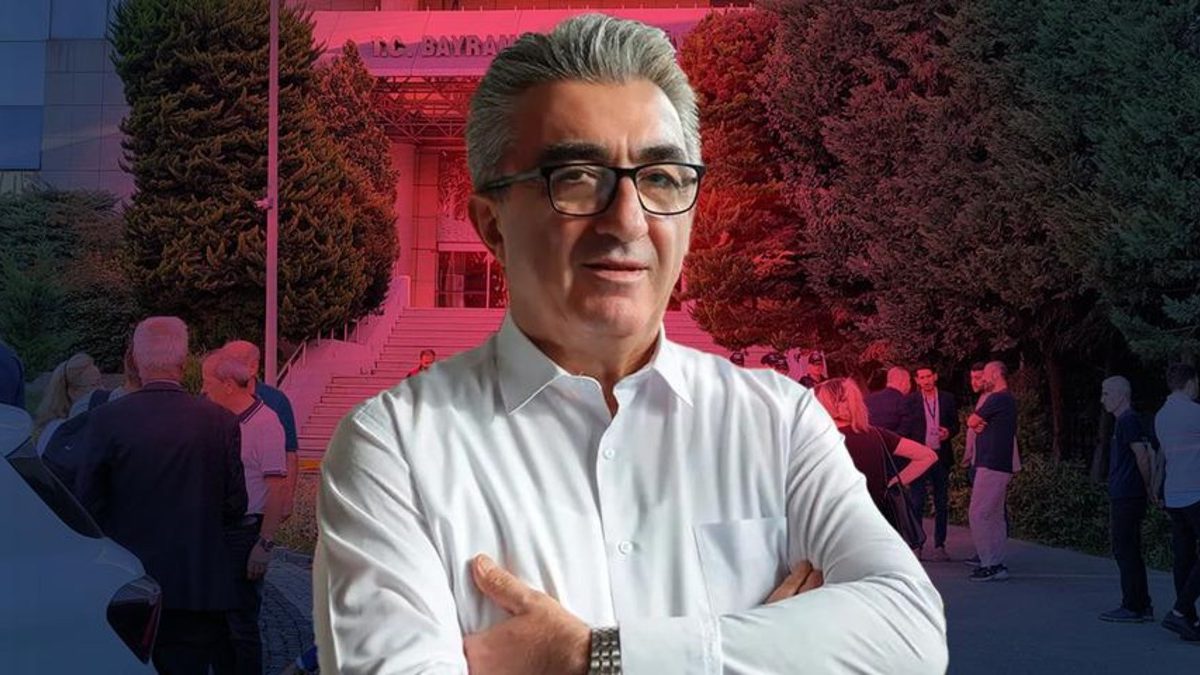 "Turkey: Erdogan's police arrest opposition mayor Hasan Mutlu, dozens officials in corruption probe")



