 "Isro launches Mission Mitra to bolster crew safety for human spaceflight")
The Indian Space Research Organisation has launched Mission Mitra, a dedicated initiative to strengthen safety systems for crew members as part of India’s human spaceflight programme.
Mission Mitra is being carried out in the high-altitude location of Ladakh, where Gaganyaan’s astronaut will undergo training to test life-support systems, crew escape mechanisms, and emergency response frameworks.
It represents a significant step in Isro’s phased approach to human spaceflight, which has involved a series of uncrewed and technology-demonstration missions before committing astronauts to orbit.
India is among a small group of nations working to develop an independent human spaceflight capability, and Gaganyaan has been a flagship government priority.
Why Ladakh?
Ladakh serves as the ideal location for Mission Mitra due to its freezing temperatures, low oxygen levels and isolation, almost mimicking space-like conditions.
The mission involves India’s four designated Gaganyaan astronauts, backed by a multidisciplinary team of scientists, engineers, medical specialists and psychologists.
The crew, including Group Captain Shubhnashu Shukla and P Balakrishnan Nair, arrived in Leh earlier this week for acclimatisation ahead of the mission.
Mission Mitra focuses on the psychological and behavioural resilience required for space travel.
What will happen during the mission?
At its core, Mission Mitra aims to understand how individuals operate as a team under extreme stress, according to a report by India Today.
A key objective is to assess interpersonal cohesion, how astronauts and ground teams sustain coordination, communication and trust in demanding conditions.
Researchers will also closely monitor the astronauts’ cold resilience and study their responses to cold, hypoxia and prolonged isolation in real-time.
Another aim is to test the communication channels between the astronauts and mission support teams.
Quick Reads
View AllThe findings are expected to play a crucial role in shaping India’s future human spaceflight missions, particularly those involving longer stays in orbit and deeper space exploration.


 "Iran Israel War Live News: US, Iranian forces race to recover missing pilot from downed jet as Israel bombards Beirut")
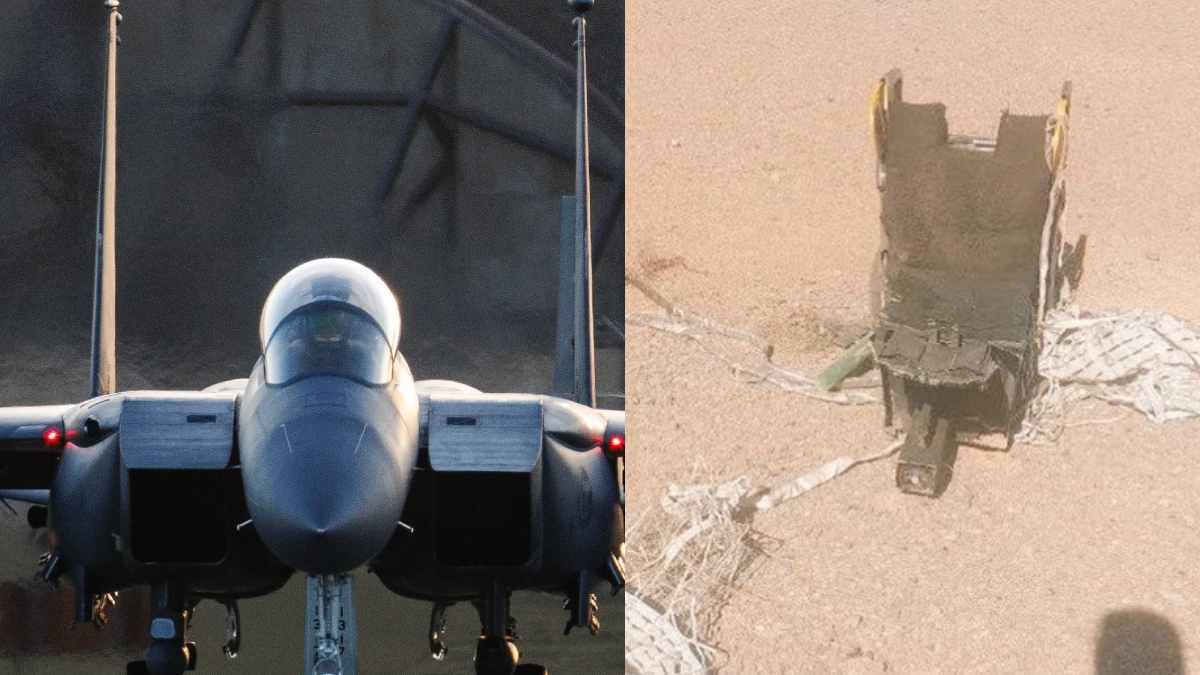 "One of two US crew members rescued after F-15E jet shot down over Iran, race to hunt second ongoing")
 "Seventh India-flagged LPG tanker crosses Strait of Hormuz")
 "This Week in Explainers: How India won the war against 'Red Terror'")
 "Iran Israel War Live News: US, Iranian forces race to recover missing pilot from downed jet as Israel bombards Beirut")
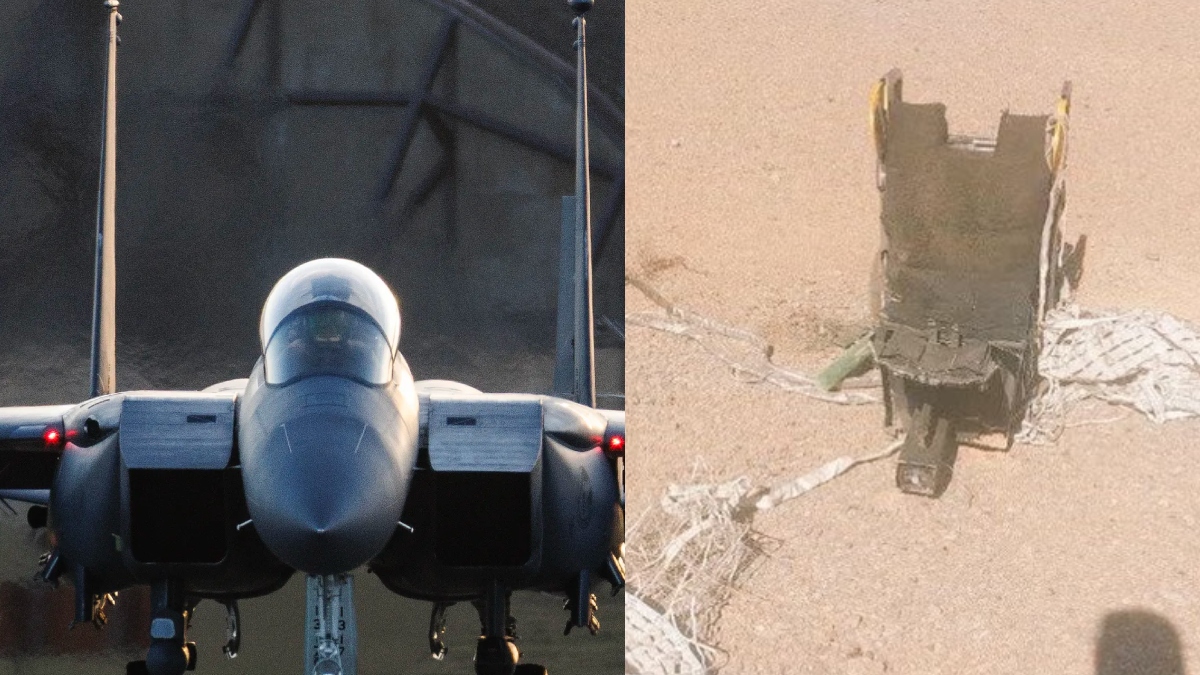 "One of two US crew members rescued after F-15E jet shot down over Iran, race to hunt second ongoing")
 "Seventh India-flagged LPG tanker crosses Strait of Hormuz")
 "This Week in Explainers: How India won the war against 'Red Terror'")