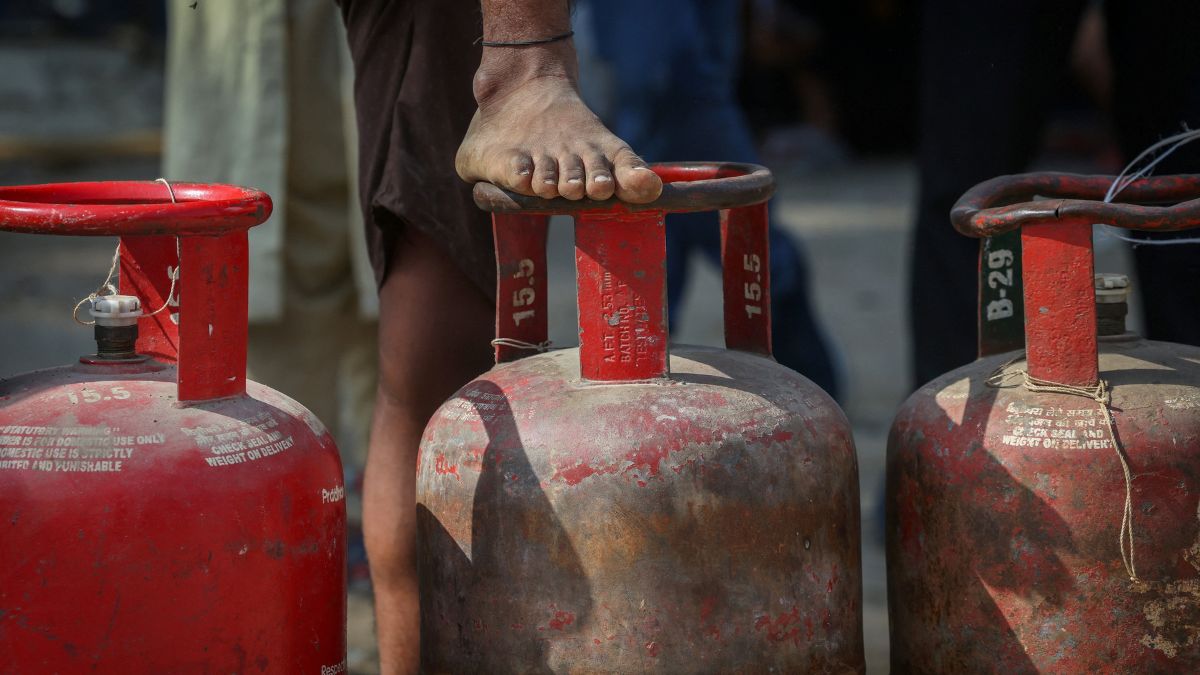
 "India's LPG situation: A status check by government amid West Asia crisis")
As the conflict in West Asia continues to rattle global energy markets, the Indian government has launched a multi-front response to prevent fuel shortages from disrupting daily life for millions of citizens. In a meeting with news editors, India’s Information and Broadcasting Minister Ashwini Vaishnaw said that adequate arrangements have been made to fulfil the energy needs of domestic consumers.
According to the government data, the LPG situation, which triggered a wave of panic buying in early March, appears to be gradually stabilising. Domestic LPG bookings which shot up to a peak of 89 lakh cylinders on March 13, have since fallen to an average of around 55 lakh.
Petrol, Diesel, and Crude: No alarm
On the petroleum front, the government said that there is little immediate cause for concern. All refineries are operating at high capacity with adequate crude inventories, and no dry-outs have been reported at retail outlets across the country. Petrol and diesel stocks are being described as sufficient.
LPG: Supply pushed, demand managed
With average LPG demand running at 55 lakh cylinders a day and commercial demand at 4.5–5 lakh per day, the government has taken a series of steps to match supply with demand.
Domestic LPG production from refineries has been enhanced by nearly 40 per cent compared to pre-West Asia war levels. Online bookings have risen from 84 per cent to 93 per cent, indicating that most customers are going through official channels rather than the grey market.
For the commercial sector, that includes dhabas, restaurants, hospitals, community kitchens, educational institutions, and facilities serving migrant workers, the government has progressively restored supplies. A total allocation of 50 per cent has been issued to States and Union Territories, including a 10 per cent extra quota earmarked for PNG expansion. Approximately 16,000 metric tonnes of commercial LPG have been lifted since March 14.
Push toward piped gas
They say never let a crisis go to waste. The government appears to be using the ongoing Iran war to accelerate its push towards Piped Natural Gas (PNG). Commercial consumers in major cities have been urged to move away from LPG cylinders. In the first three weeks of March alone, more than 3.5 lakh domestic and commercial PNG connections were activated.
Priority sectors are receiving 100% supply protection. City Gas Distribution companies such as IGL, MGL, GAIL Gas, and BPCL are offering incentives to speed up transitions.
Quick Reads
View AllCracking down on hoarders
Acting on the black marketeers, responsible for causing artificial scarcity of LPG, the authorities have responded pro-actively. Over 33,000 raids and inspections have been conducted, around 550 FIRs have been registered, and 150 people have been arrested. The Essential Commodities Act and the LPG Control Order are also being invoked.
Navy escorts LPG carriers
The Indian Navy is escorting two Indian-flag LPG carrier ships, the Jag Vasant and the Pine Gas, as they navigate through the conflict zone. Together, they carry approximately 93,000 metric tonnes of LPG. The Jag Vasant has 33 Indian seafarers aboard; the Pine Gas, 27. Both vessels are expected to reach Indian shores between March 26 and 28.
The focus of the Indian government now appears to be speed up PNG connections, supply restoration, and ensuring that no household or business is left without fuel. This proactiveness of the government becomes a compulsion as the clouds of uncertainty still hover around the West Asia. Though the US President Donald Trump had earlier announced a 5-day pause on attack on Iranian energy infrastructure, but media reports suggest that attacks are still happening on Tehran.

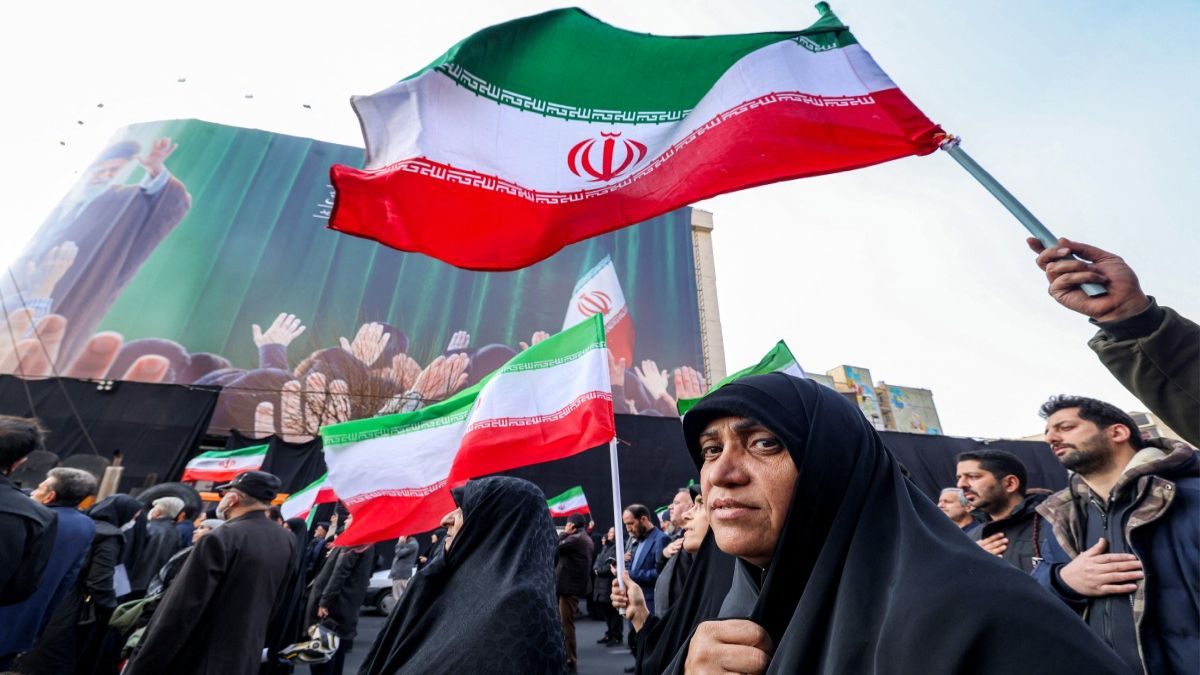
 "Iran Israel War Live Updates: Iran appoints Zolghadr as security council chief after Larijani killing")
 "The who’s who of leadership in Iran as Trump looks to wind down the war")
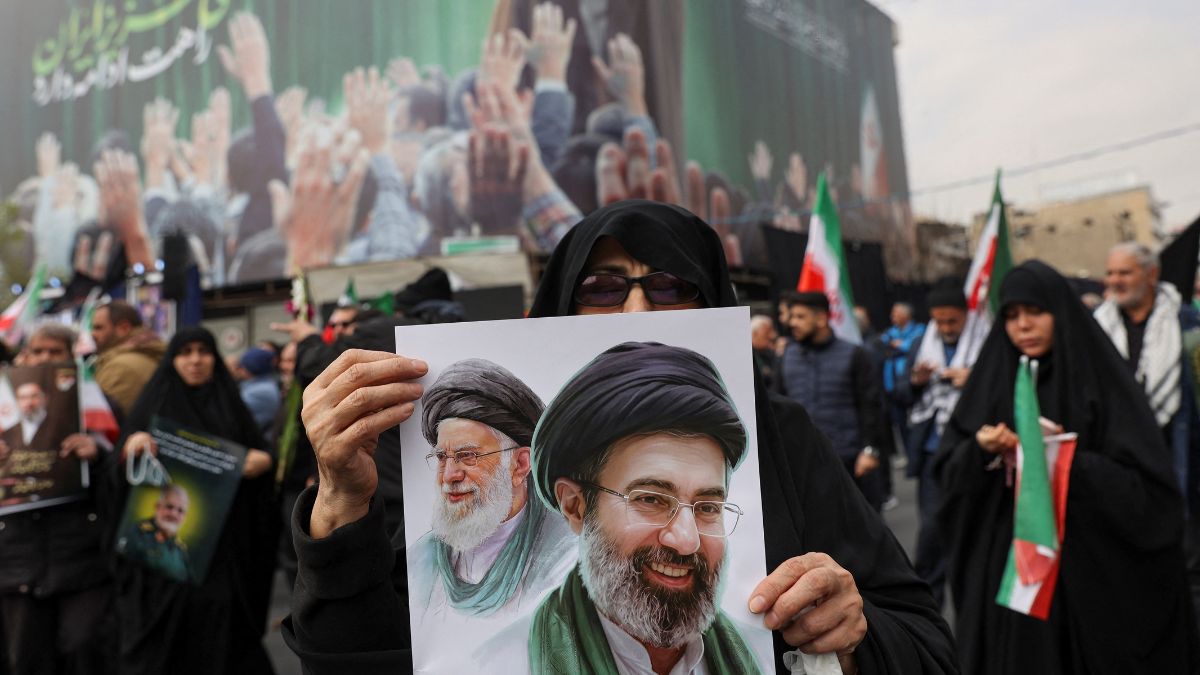 "Mojtaba Khamenei agrees to negotiate peace with US as Trump declares 5-day energy truce: Report")
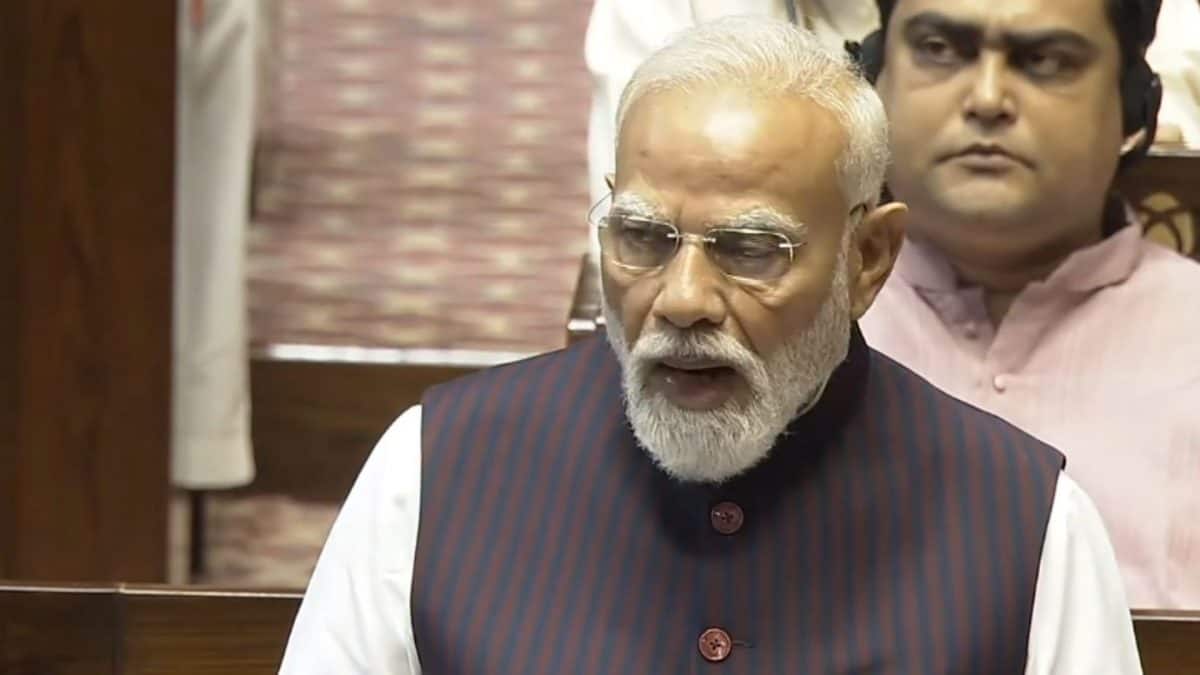
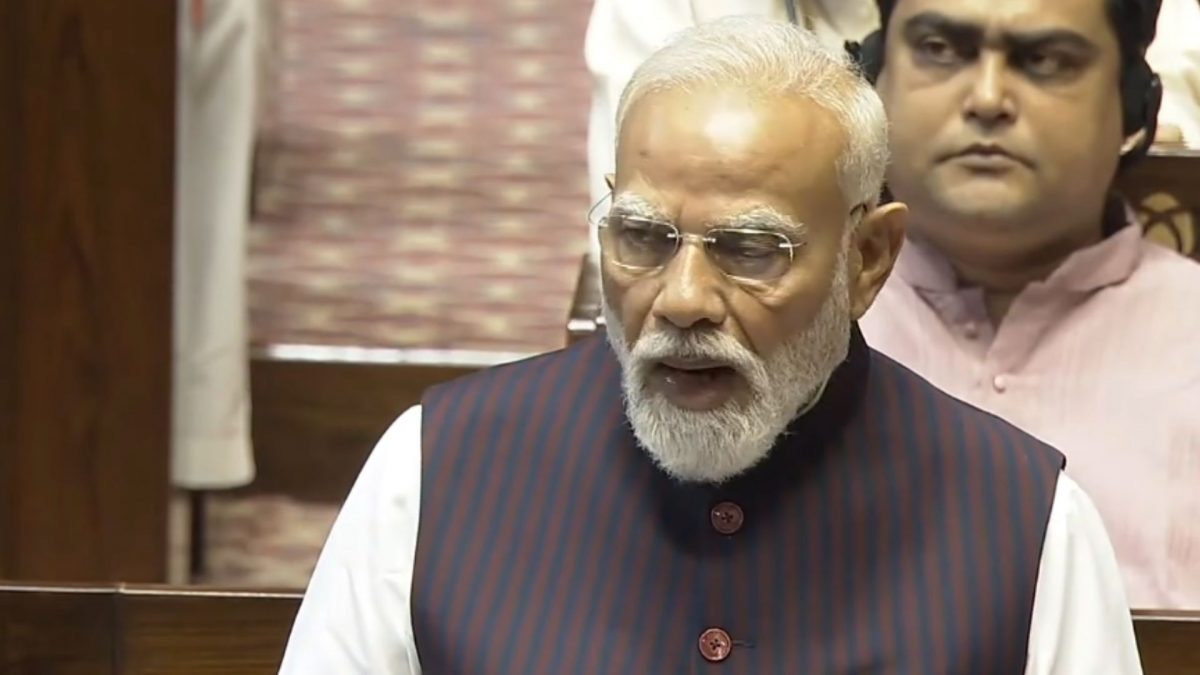 "'Be prepared for every challenge, war may be long-lasting': PM Modi cautions against fallout of US-Iran war in Rajya Sabha")
 "Iran Israel War Live Updates: Iran appoints Zolghadr as security council chief after Larijani killing")
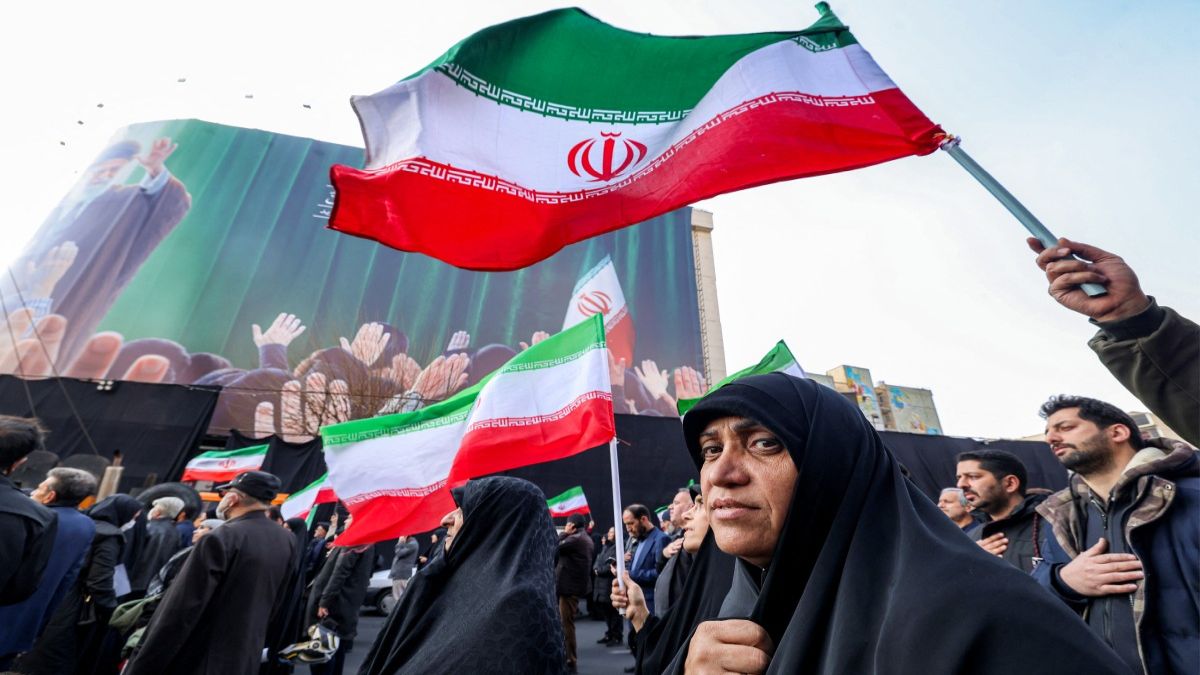 "The who’s who of leadership in Iran as Trump looks to wind down the war")
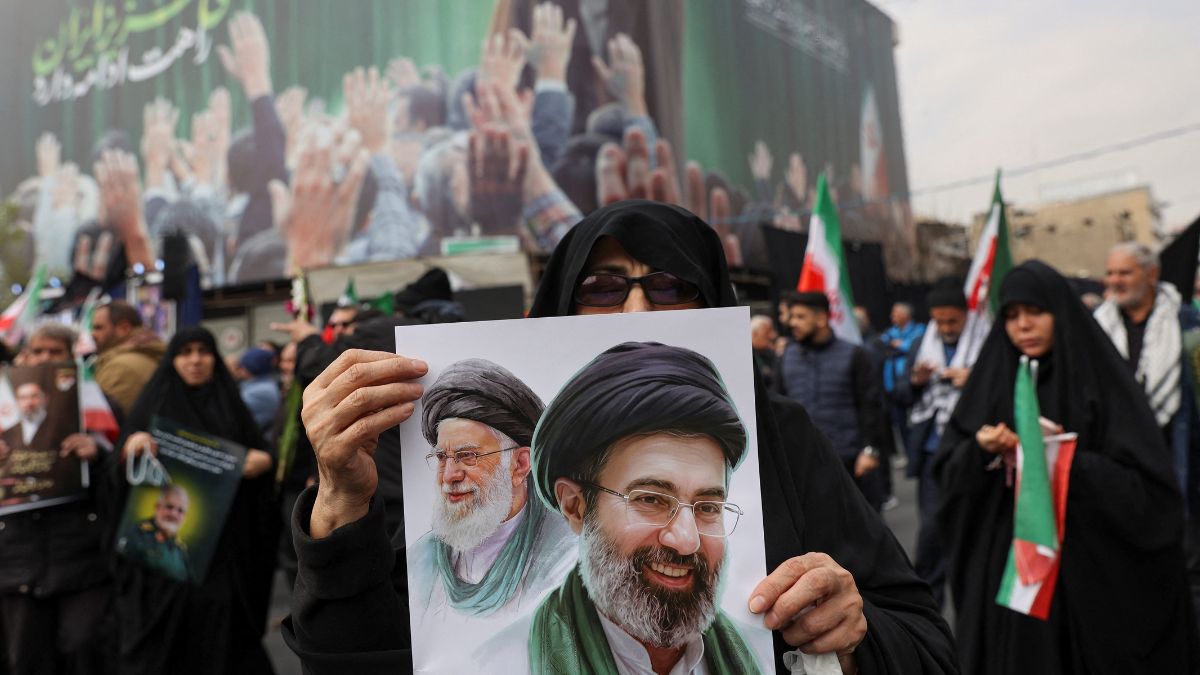 "Mojtaba Khamenei agrees to negotiate peace with US as Trump declares 5-day energy truce: Report")
 "'Be prepared for every challenge, war may be long-lasting': PM Modi cautions against fallout of US-Iran war in Rajya Sabha")