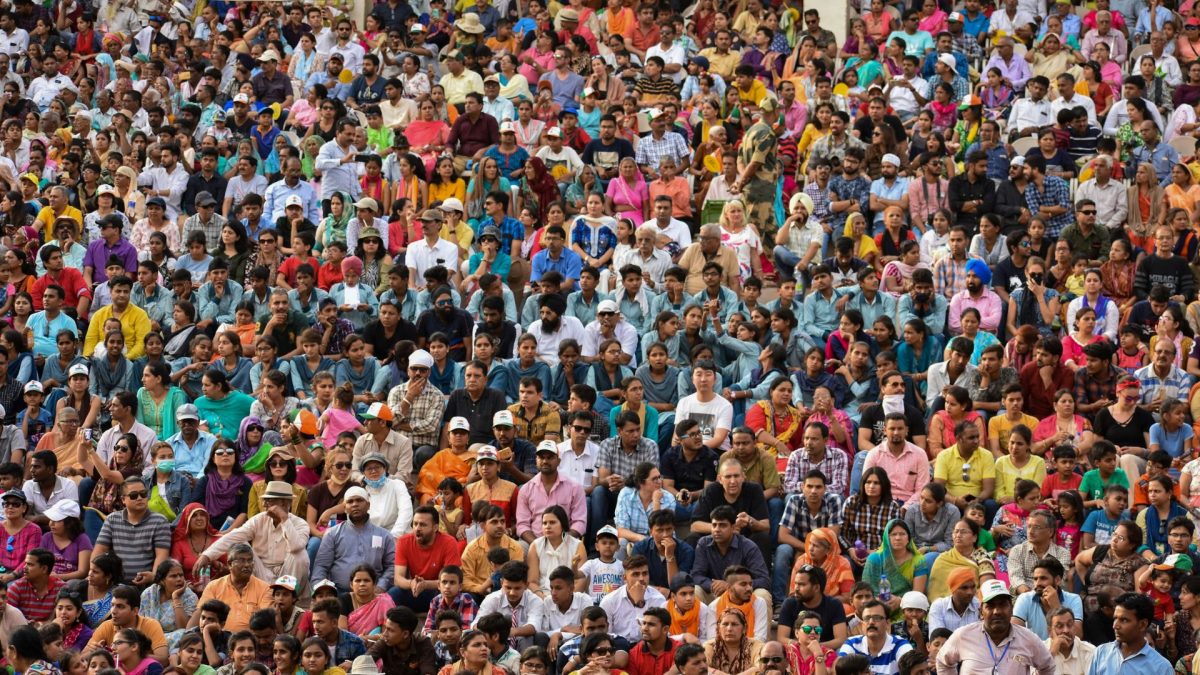
 "India to begin first fully digital Census with 33-question survey from April 1 after Covid-induced delay")
India is all set to roll out its first-ever fully digital Census from April 1. The initial phase, consisting of House Listing and Housing Census, will be conducted across eight states and Union Territories, where households will be asked to answer 33 detailed questions, spanning housing conditions, basic amenities, household assets, and infrastructure access such as water, electricity, sanitation, and digital connectivity.
Registrar General and Census Commissioner Mrityunjay Kumar Narayan announced that the exercise will be carried out in two phases. While the first phase focuses on housing and household conditions, the second, called population enumeration, will gather individual-level data, including caste information.
VIDEO | Delhi: On upcoming Census 2027, Registrar General and Census Commissioner of India Mritunjay Kumar Narayan says, “The census process is underway, and preparations have now reached an advanced stage. In the coming days, fieldwork for the first phase, house listing, which… pic.twitter.com/KP6X3wi0kY
— Press Trust of India (@PTI_News) March 30, 2026
The once-in-ten years population survey, meant to originally happen in 2021, was delayed after the Covid pandemic due to technical and logistical issues.
Massive deployment, digital-first approach
Around 30 lakh enumerators will be deployed for the exercise, using mobile applications available on Android and iOS platforms. The app supports 16 languages and can function without internet connectivity, ensuring coverage in remote and rural areas.
Quick Reads
View AllCitizens will also have the option to self-enumerate through an official online portal. Once completed, they will receive a unique Self-Enumeration ID that can be shared with officials during verification visits.
Authorities have stressed that participation does not require submission of any documents and that all data collected will remain confidential.
What the 33 questions cover
The first phase questionnaire is designed to capture a comprehensive snapshot of housing conditions and household assets. It includes details such as building identification, construction materials of the house, ownership status, and the number of residents.
Enumerators will also collect information on access to basic amenities like water, sanitation, electricity, and cooking fuel. In addition, the survey will record data on married couples, household composition, and ownership of digital and transport assets such as smartphones, internet access, and vehicles.
Clarifications on household definitions
According to the FAQs released for the Census, live-in couples will be counted as married “if they consider their relationship a stable union.” The clarification aims to standardise responses during enumeration and avoid ambiguity in data collection.
The housing phase will run between April and September 2026, with timelines varying across regions. The reference date for the Census has been set as midnight of March 1, 2027.
With a budget allocation of Rs 11,718.24 crore and over 6.39 lakh administrative units involved, the Census is one of the largest administrative exercises globally. Officials say the data collected will play a critical role in shaping policy decisions and development planning in the coming years.


 "Iran War Live Updates: Iran arrests two accused of passing sensitive data to US-Israeli intelligence")
 "Masood Azhar’s brother Tahir Anwar dies in Pakistan under mysterious circumstances, says report")
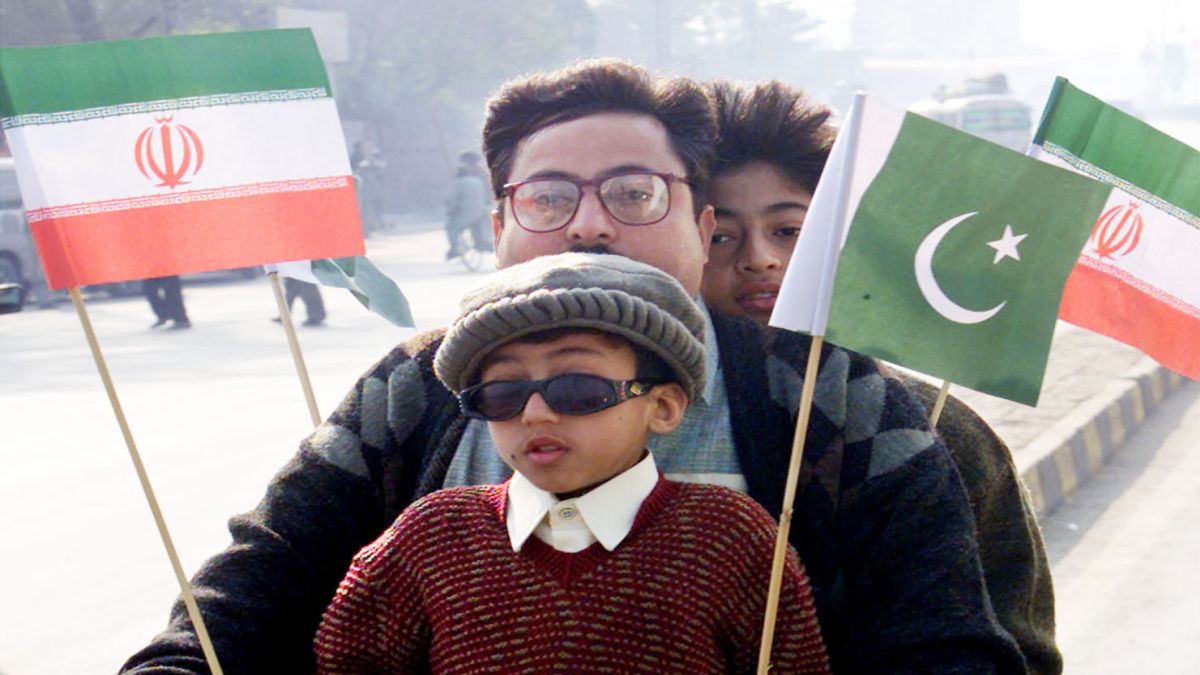 "Another embarrassment for Pakistan? Why Islamabad may flop in its role as mediator between Iran and US")
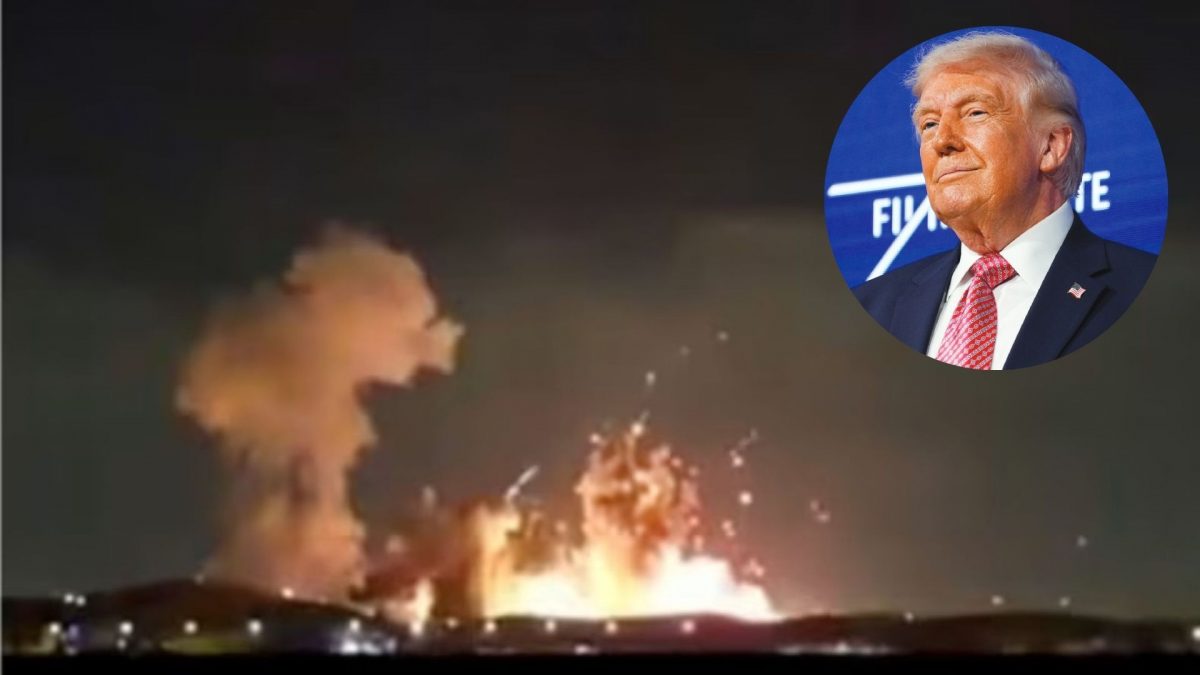 "US hits Iran’s Isfahan city with 1000-kg 'bunker-buster' bombs; Trump shares blast video")
 "Iran War Live Updates: Iran arrests two accused of passing sensitive data to US-Israeli intelligence")
 "Masood Azhar’s brother Tahir Anwar dies in Pakistan under mysterious circumstances, says report")
 "Another embarrassment for Pakistan? Why Islamabad may flop in its role as mediator between Iran and US")
 "US hits Iran’s Isfahan city with 1000-kg 'bunker-buster' bombs; Trump shares blast video")