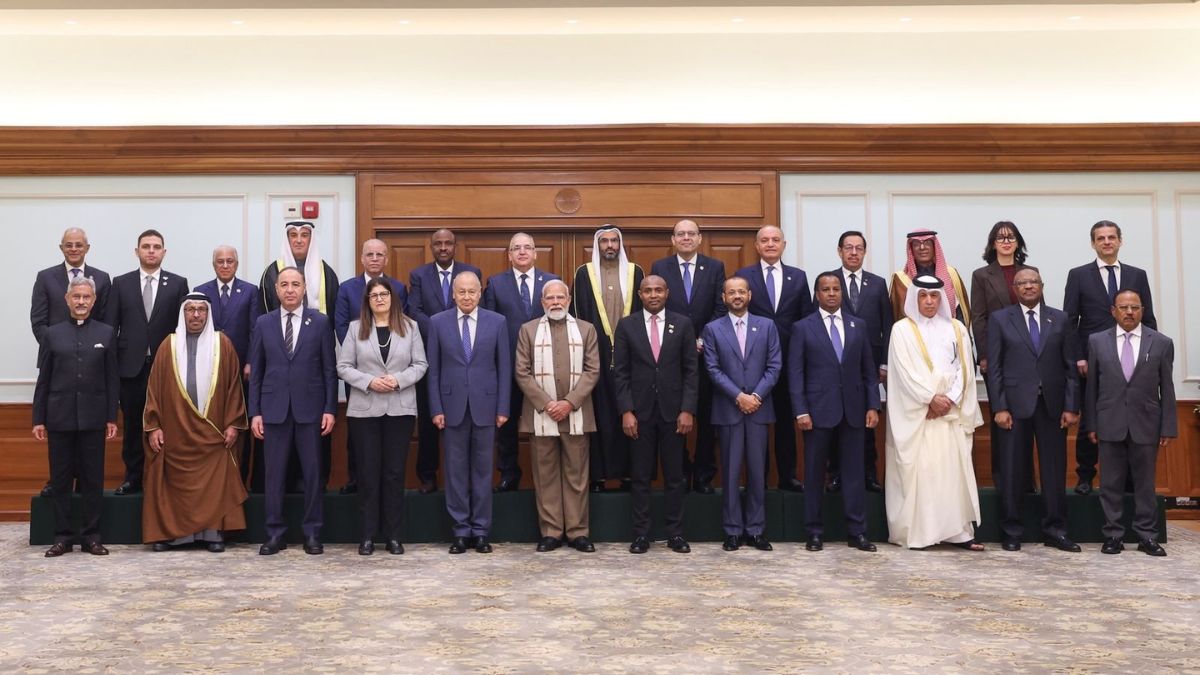
 "India and Arab League foreign ministers review counter-terrorism cooperation")
Indian and Arab foreign ministers on Saturday reaffirmed their shared commitment to a zero-tolerance approach towards terrorism, reviewing ongoing cooperation to counter extremist threats. The discussions highlighted mutual backing in tackling terrorism in all its forms, with India acknowledging steps taken by several Arab nations to address counter-terrorism and transnational crime, amid concerns that such threats remain among the gravest challenges to global peace and security, according to report.
Earlier today, Prime Minister Narendra Modi received the foreign ministers and delegations of the Arab League here in the national capital and underlined that enhanced cooperation across sectors like trade, tech and energy will take the partnership to new heights.
In a post on X, he called the Arab World a part of India’s extended neighbourhood, linked by enduring brotherly ties and commitment to peace and stability.
“Delighted to receive the Foreign Ministers and delegations of the Arab League today. The Arab world is a part of India’s extended neighbourhood, linked by deep civilisational bonds, vibrant people-to-people connections and enduring brotherly ties, as well as a shared commitment to peace, progress and stability. Confident that enhanced cooperation in technology, energy, trade and innovation will unlock new opportunities and take the partnership to new heights,” the Prime Minister said on X.
Delighted to receive the Foreign Ministers and delegations of the Arab League today. The Arab world is a part of India’s extended neighbourhood, linked by deep civilisational bonds, vibrant people-to-people connections and enduring brotherly ties, as well as a shared commitment… pic.twitter.com/GSqth4nXEN
— Narendra Modi (@narendramodi) January 31, 2026
Quick Reads
View AllIndia and the United Arab Emirates co-chaired the talks, with foreign ministers and senior officials from all 22 Arab League member states attending. It was the first such gathering in New Delhi that followed a decadelong hiatus since the inaugural forum was held in Bahrain in 2016.
India’s Foreign Minister Subrahmanyam Jaishankar said in his opening remarks that the global order was undergoing a transformation for a variety of reasons, including conflicts. “Nowhere is this more apparent than in West Asia or the Middle East, where the landscape itself has undergone a dramatic change in the last year. This impacts all of us,” Jaishankar said.
An Indian analyst said New Delhi’s outreach to Arab nations reflected its efforts to position itself as a reliable economic and diplomatic partner at a time of geopolitical rivalries and disruptions to global supply chains.
“This is an effort by India to project a sense of partnership with the Arab world when regional fault lines are sharpening,” said Harsh Pant, vice president of foreign policy at New Delhi-based think tank the Observer Research Foundation.
India’s trade with Arab league countries exceeds $240 billion annually, driven largely by energy imports such as crude oil and liquefied natural gas.
With inputs from agencies

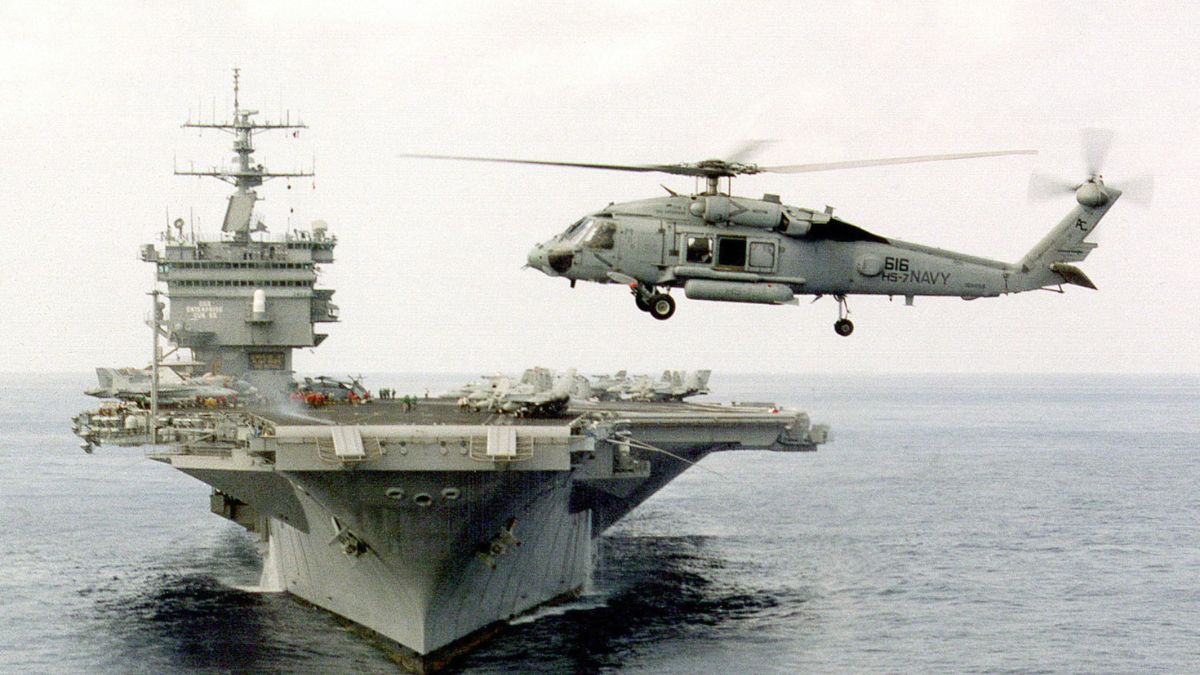 "Iran plans live-fire drill in Strait of Hormuz, US warns against unsafe actions near warships")
 "US clears nearly $16 billion in arms sales to Israel and Saudi Arabia amid regional strains")
 "Epstein Files: Bill Gates team refutes claim he 'caught STD from Russian girls', hid it from wife Melinda")
 "'Most lethal side ever': India finalise T20 World Cup preparations with 46-run win in 5th T20I against New Zealand")
 "Iran plans live-fire drill in Strait of Hormuz, US warns against unsafe actions near warships")
 "US clears nearly $16 billion in arms sales to Israel and Saudi Arabia amid regional strains")
 "Epstein Files: Bill Gates team refutes claim he 'caught STD from Russian girls', hid it from wife Melinda")
 "'Most lethal side ever': India finalise T20 World Cup preparations with 46-run win in 5th T20I against New Zealand")