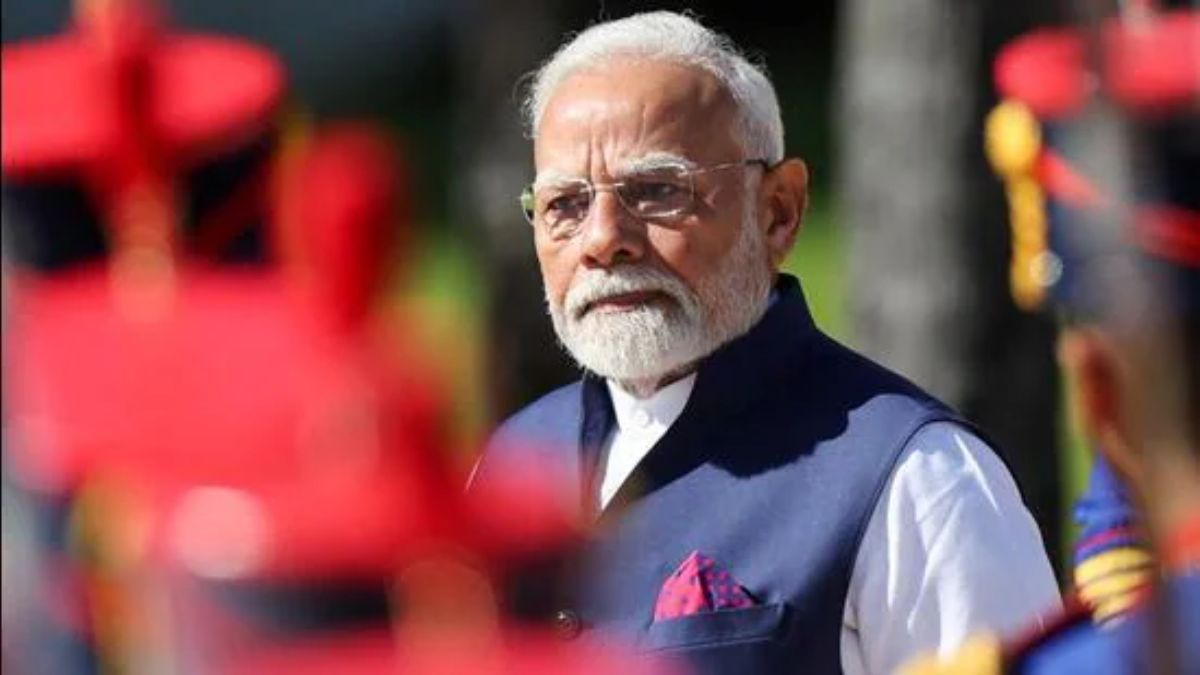
 "From fuel to flights, 10 ways India is managing the Iran war crisis")
As the conflict in West Asia, now in its fifth week, continues to disrupt global energy markets, the Indian government has rolled out a multi-pronged strategy to insulate the country from the fallout of the crisis.
At the heart of the strategy lies, government’s plan to ensure energy security, maintain supply chains, and ensure the safety of Indian nationals abroad.
In a press release, the government listed out ten key measures that India has put in place to overcome the crisis:
1. Fuel price relief for consumers: The effective closure of the Strait of Hormuz has rattled the global energy market, leading to sharp surge in crude oil prices. To shield Indian citizens from this price hike, the government has cut excise duties on petrol and diesel by Rs 10 per litre, absorbing a significant portion of the price burden itself.
2. Export levies to secure domestic supply: In order to prevent domestic fuel from being diverted abroad amid the supply disruption, the government has imposed an export levy of Rs 21.5 per litre on diesel and Rs 29.5 per litre on aviation turbine fuel (ATF).
3. Refineries running at full capacity: According to the government, all refineries are operating at high capacity with adequate crude inventories. Domestic LPG production at refineries has also been ramped up to meet household demand.
4. LPG supplies stabilised: The government retariated that despite global disruptions, there have been no reported dry-outs at LPG distributorships in India. Over 50 lakh domestic LPG cylinders are being delivered daily. Commercial LPG allocation has also been progressively restored to 70 per cent of pre-crisis levels, with priority given to restaurants, dhabas, food processing units, and migrant labourers.
Quick Reads
View All5. Natural gas prioritised: Piped natural gas (PNG) for domestic consumers and CNG for transport are being supplied at 100 per cent capacity. According to the data provided by the government, over 3.1 lakh new PNG connections have been added in March alone.
6. Kerosene as a backup fuel: An additional 48,000 kilolitres of kerosene has been allocated to states and union territories over regular quotas, offering an alternative cooking and lighting fuel where LPG supply is under strain.
7. Crackdown on hoarding: As per the government, over 3,000 raids have been conducted across states, with over 500 cylinders seized in a single day. PSU oil marketing companies have issued over 540 show-cause notices to LPG distributorships for malpractice.
8. Maritime operations kept afloat: Eighteen Indian-flagged vessels with 485 seafarers remain in the western Persian Gulf and are being actively monitored, the government informed. Over 959 Indian seafarers have been safely repatriated so far.
9. Evacuation of Indian nationals: Since February 28, approximately 5.72 lakh passengers have returned to India from the affected region. Flights are operating from the UAE, Oman, Saudi Arabia, and Qatar, while Indian nationals in Iran, Iraq, and Israel are being routed through alternate countries.
10. Diplomatic outreach: Prime Minister Narendra Modi has been actively engaging with leaders of different countries, including discussions with the Dutch Prime Minister on Tuesday, with talks centred on restoring peace and stability in West Asia.
The government has urged citizens to avoid panic buying, rely only on official sources for information, and conserve energy wherever possible.

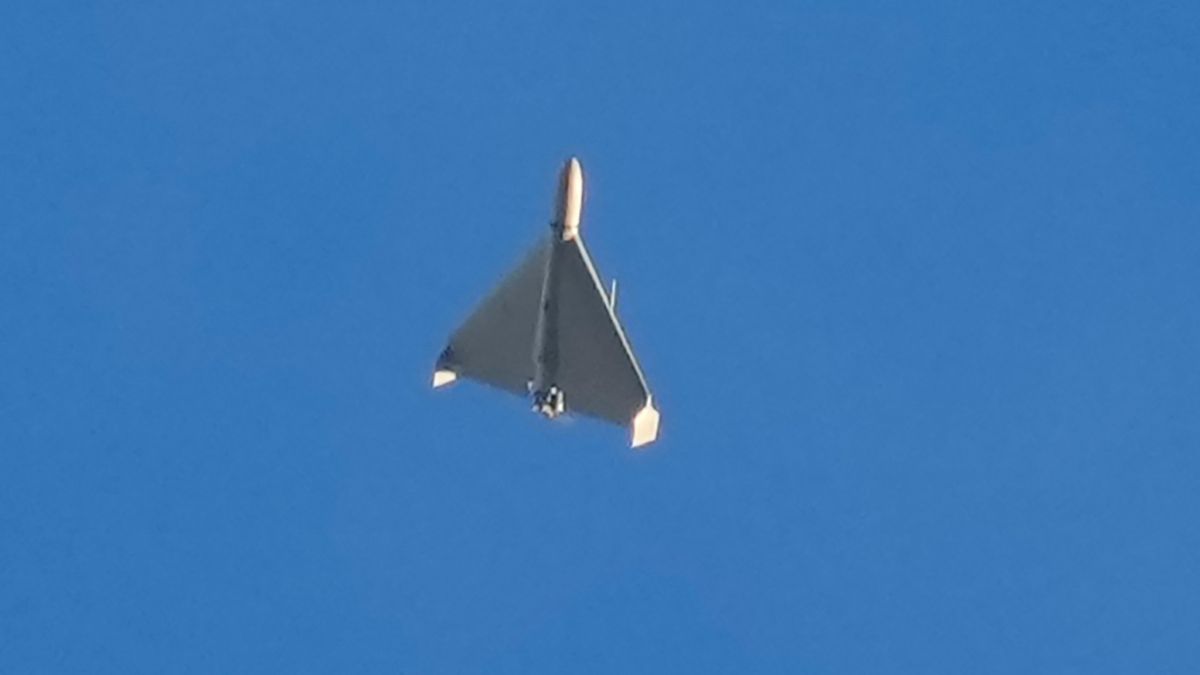 "Iran War Live Updates: Iran says it hit US command centre in UAE with 200 officers inside")
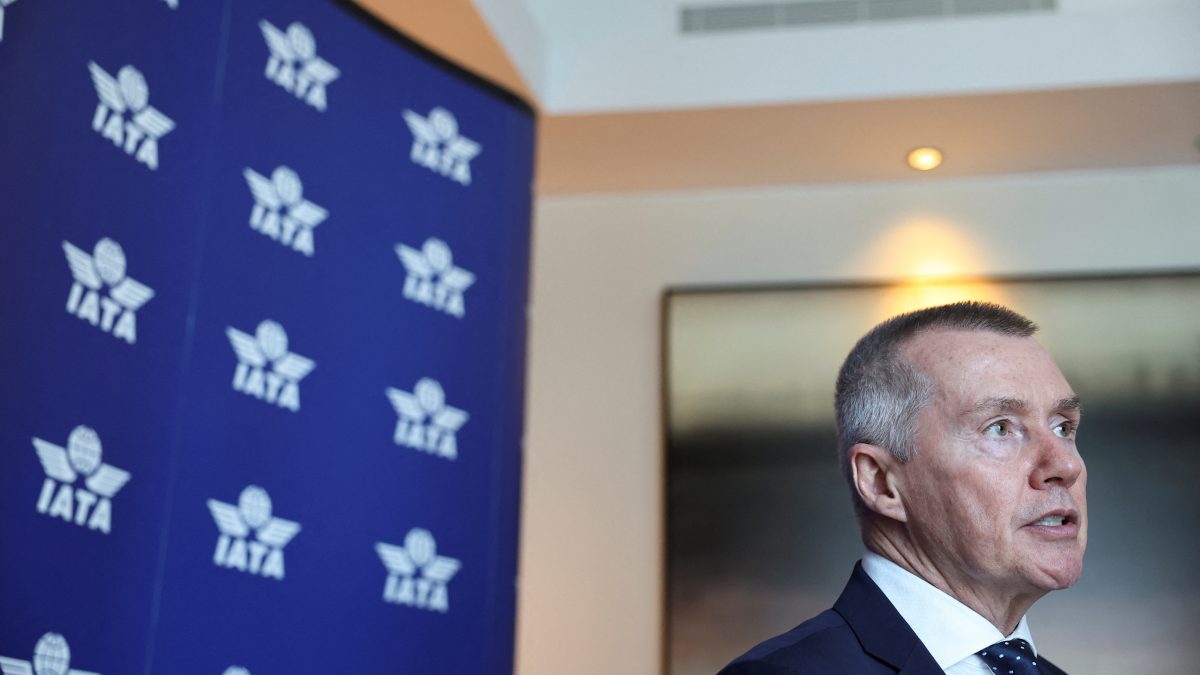 "IndiGo’s big move: Who is its new CEO Willie Walsh and can he steer the airline through turbulence?")
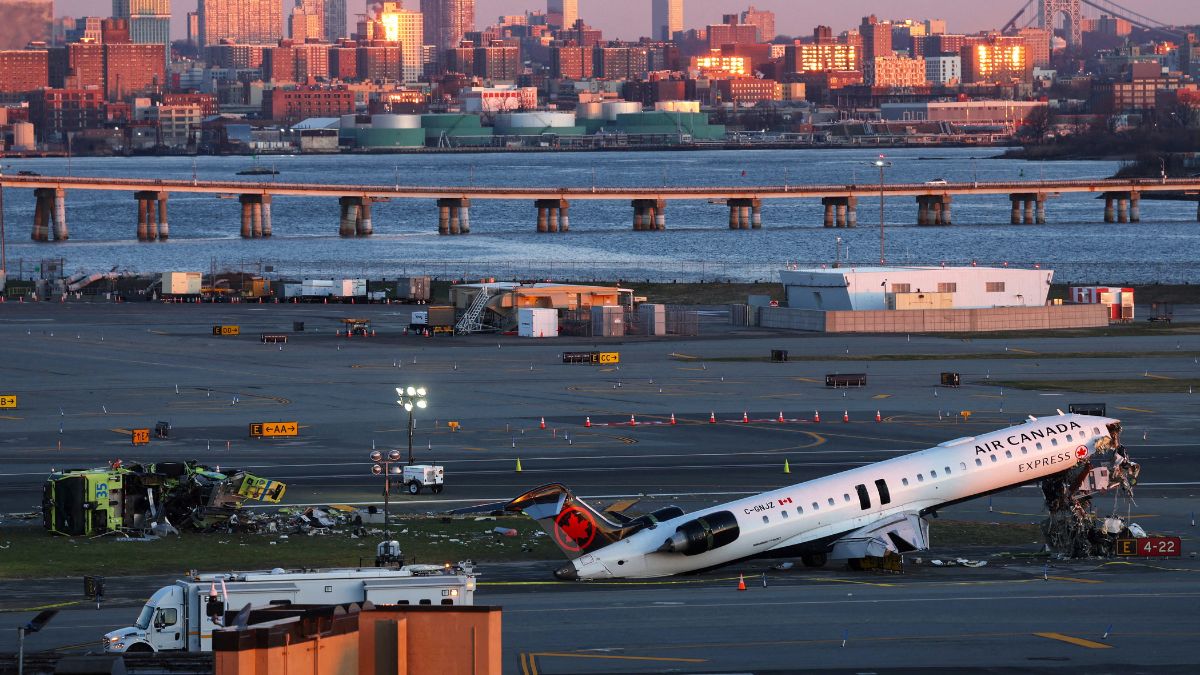 "Canada’s language politics: How an English-only message cost airline CEO his job")
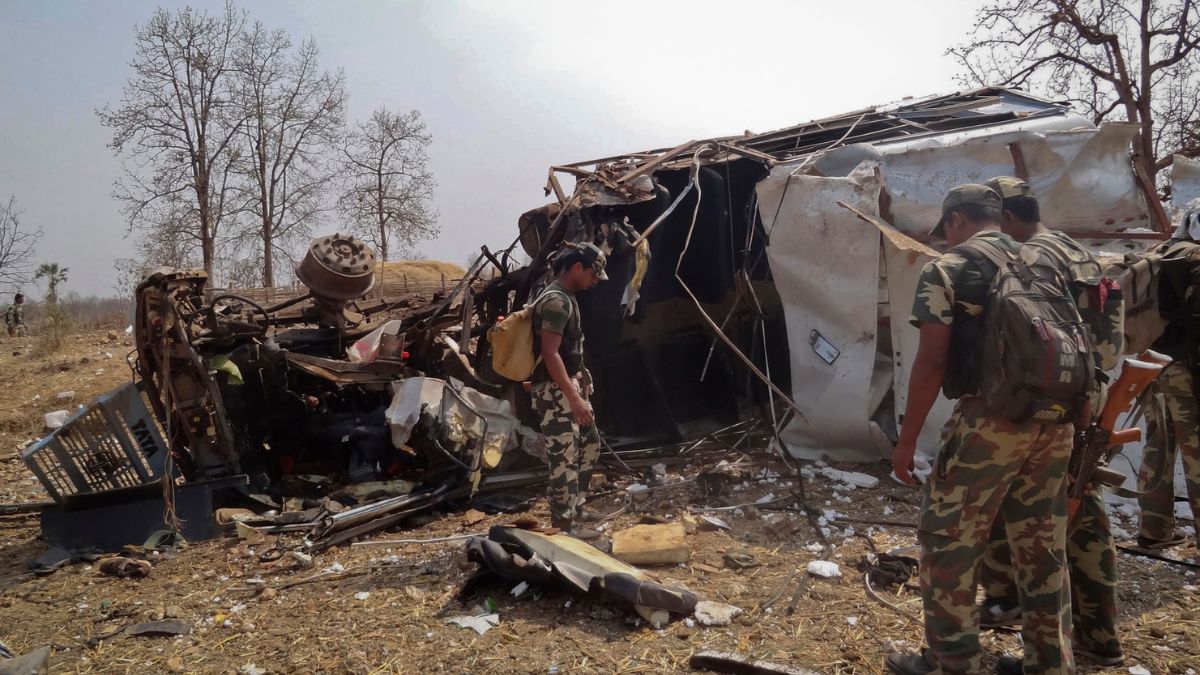 "A 'Naxal-free' nation: How India delivered a fatal blow to ‘Red Terror’")
 "Iran War Live Updates: Iran says it hit US command centre in UAE with 200 officers inside")
 "IndiGo’s big move: Who is its new CEO Willie Walsh and can he steer the airline through turbulence?")
 "Canada’s language politics: How an English-only message cost airline CEO his job")
 "A 'Naxal-free' nation: How India delivered a fatal blow to ‘Red Terror’")