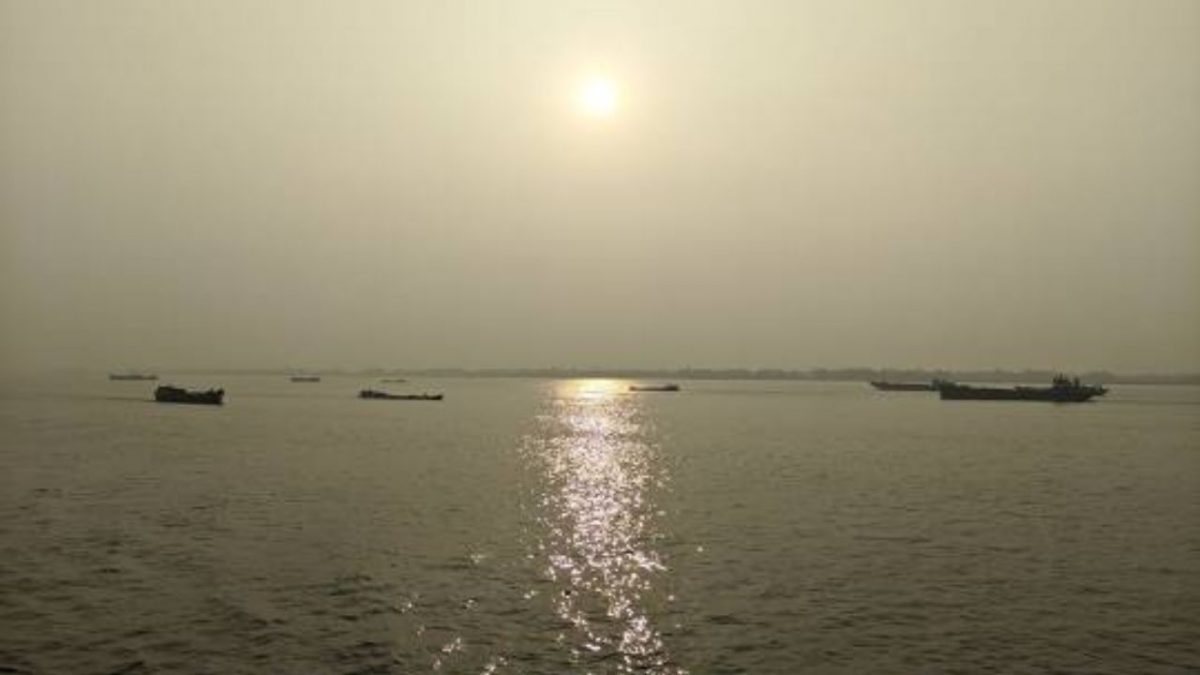
 "Bay of Bengal depression intensifies bringing heavy rain to south India")
A low pressure system brewing in the southeast Bay of Bengal is set to deepen rapidly, bringing the India Meteorological Department to issue urgent alerts for heavy rainfall across southern coasts alongside prolonged spells of dense fog and cold wave conditions gripping northern India.
Depression strengthens with heavy rain risks
Meteorologists track the disturbance near the East Equatorial Indian Ocean, expecting it to intensify into a deep depression within hours before tracking west northwestwards. Tamil Nadu faces isolated very heavy showers, thunderstorms and squally winds through 11 January, with peak activity on the ninth and tenth. Kerala and Mahe should prepare for similar downpours by the tenth, while fishermen receive orders to avoid southeast and southwest Bay of Bengal seas due to rough conditions until the tenth. Coastal districts must secure against potential flash floods and power disruptions from lashing rains.
Northern fog disrupts travel and daily life
Dense to very dense fog blankets northwest, central and northeast India for five to seven mornings, slashing visibility to under fifty metres in many spots. Delhi NCR endures moderate to dense patches from the eighth, holding daytime temperatures to fifteen to eighteen degrees Celsius and nights at six to ten degrees. Punjab, Haryana, Rajasthan and Uttar Pradesh battle cold day conditions, with minimums plunging three to five degrees below normal. Airports report delays, highways see pile ups and rail services slow, compounding winter travel woes for millions.
Cold wave tightens grip on plains
Cold wave warnings extend across northern plains, where biting winds and clear skies keep mercury levels suppressed. Isolated pockets in Rajasthan and Madhya Pradesh may record minimums below four degrees Celsius, posing hypothermia risks to outdoor workers and the homeless. Authorities distribute blankets and set up warming shelters while urging reduced exposure during peak chill hours from evening through dawn. Agricultural losses loom for standing winter crops exposed to frost.
Air quality crisis worsens visibility
Delhi’s air quality index hovers around two hundred seventy nine in the poor category, as winter stagnation traps vehicular fumes, construction dust and crop residue. Fog amplifies particulate matter concentrations, triggering respiratory alerts for children, elderly and those with pre existing conditions. Reduced outdoor activity, mask wearing and vehicle rationing form standard advisories amid seasonal smog peaks.
Quick Reads
View AllMonsoon patterns fuel dual threats
This late northeast monsoon surge aligns with typical Bay of Bengal cyclone breeding grounds, active from October through December. Southern states reinforce embankments and evacuate low lying areas while northern regions stockpile essentials against prolonged fog and cold snaps. The IMD emphasises real time monitoring, with colour coded alerts guiding public response across India’s vast climatic divide.