

 "A man-made disaster is devastating Wayanad and political apathy is deepening the crisis")
Mullenkolly, Wayanad - As you travel through Wayanad in Kerala, you would wonder whether there is indeed a drought at all. The region is all green and temperature is comparatively lower too. But that is only until you reach Kolavally, in Mullenkolly Gram Panchayat, near the Karnataka border, where villagers are reeling under a severe water crisis and the Kabani river, their life-line, is fast drying. “There is no water. Neither for us nor for our cattle. Our cattle have nothing to eat, just the mud,” says Sarasu, a resident of the Ambedkar colony, about 30 km from Mullenkolly. The residents here were primarily pepper and coffee farmers. But with the crisis in the agriculture sector deepening, most of them have taken to cattle rearing. Now with the drought, even that is under threat. [caption id=“attachment_2768086” align=“alignleft” width=“380”]
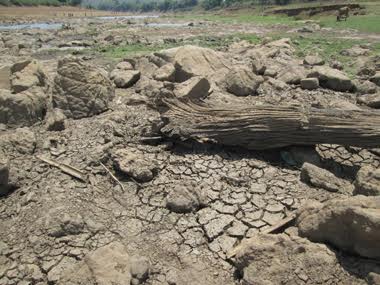
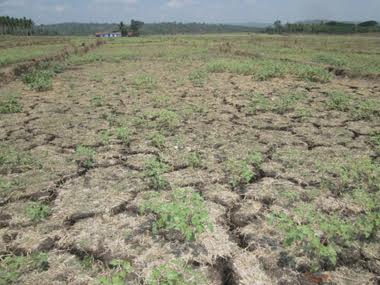
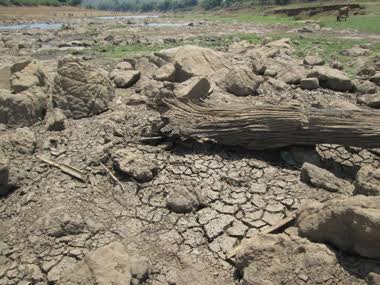 The Kabani river in Wayanad that has dried up.[/caption] The Kabani river originates in the Wayanad district and flows to the east through Karnataka. The remote colony, from where residents walk around three kilometres to catch a bus, was fully dependent on the muddied, almost stagnant, untidy water in the river for nearly one-and-half months as the street-side taps that provide clean drinking water dried up. The crisis came to light when a few officials from the Kerala Forest Research Institute visited the area and brought their plight to the authorities’ attention. Now two tankers come to the area once in a week or two and the taps too have water intermittently. To be sure, the situation in Wayand is much better than regions like Marathwada in Maharashtra. But what makes the drought here particularly scary is that the region has always been green and water has never been a problem. This is the first time something like this is happening here. The villagers are shocked to see the change. They never expected their fields would ever dry up and develop cracks, that their river which always flowed in abundance would ever be so thin. Wayanad has always been a resource-rich area, covered with forest and thousands of streams and springs. The weather and the soil of the region were totally different from the rest of Kerala and conducive for cultivation of paddy and spices such as pepper. While agriculture has been the mainstay of the indigenous tribes, tourism has flourished in the recent years.
As election draws near, there is a scramble to address the situation and find solutions. But, the ignorance of most of the political parties about the root cause of the crisis is palpable. At a water conservation workshop conducted by the press club at Pulpally (Mullenkolly is about 4 km away from here), as expert Sajeev started his speech, UDF MLA IC Balakrishnan, who is a candidate from the Sulthan Bathery constituency this time too, left the stage. Probably, he is tied up with election work. But that he left the dais before the workshop began was ominous. It is the political class who should be made aware of the situation because the solutions being suggested now are short sighted. “The solutions that are being proposed now, like constructing check dams etc, will only deepen the crisis,” Sajeev reminded at the workshop. “Such short-term solutions will boomerang. They are sure to backfire,” he said. “The root cause for the depletion in water resources is never addressed,” concurs Leneesh (not at the workshop). [caption id=“attachment_2768104” align=“alignleft” width=“380”] 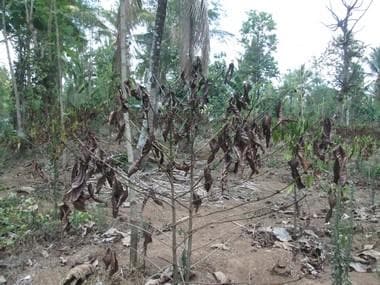 Coffee plants dried and burnt in Wayanad[/caption] As a first step, according to Sajeev, restrictions should be put in place on quarrying. “It is ironical that whatever money being earmarked to address environmental damage is channelled into construction work, like that of tanks or pipelines,” he notes. The reason, according to him, is that construction is a sector where corruption is standardised. It is easy for the political class and construction lobby to engage each other. Secondly, the plantations of teak wood, acacia etc should be turned into natural forest to increase the canopy. CK Janu, a tribal leader who has lead the Adivasi struggle for land and now an NDA candidate from the Sulthan Bathery constituency, seeks a Wayanad package from the government for the farmers in the region. She says the only way out is to reverse the cropping pattern and methods of cultivation to the traditional system. “The Wayanad package should address the financial difficulties of the farmers who are still struggling to retain the traditional methods of cultivation,” she says. True. The story of Cheruvayal Raman (fondly called Ramettan), who is engaged in cultivation for the last 56 years and incurs huge losses only to preserve the traditional seeds and methods of cultivation, stands testimony to this. As one speaks to experts, one thing becomes clearer – it is the change in land use pattern that has resulted in the degeneration of the region. Closely linked to this issue is the alienation of the Adivasi land, their culture and their knowledge about the soil and climate of Wayanad. It is high time various political parties, who have for years conspired to keep the Adivasis out of the mainstream political discourse, recognised their struggle for land, self-rule and political representation. That will be the first step towards Wayanad getting its abundance back. Remember, climate change has only begun to bite. On Monday, interview with Cheruvayal Raman, a farmer who preserves 40 indigenous paddy seed verities.


 "Charlie Kirk, shot dead in Utah, once said gun deaths are 'worth it' to save Second Amendment")
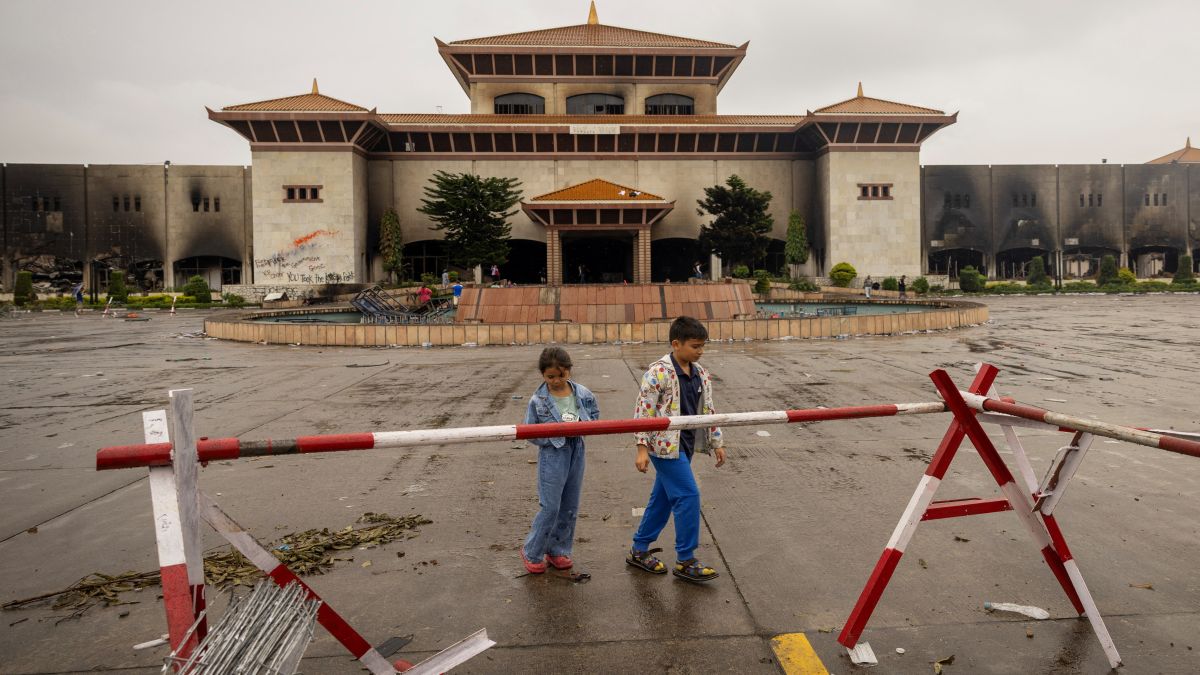 "From governance to tourism, how Gen-Z protests have damaged Nepal")
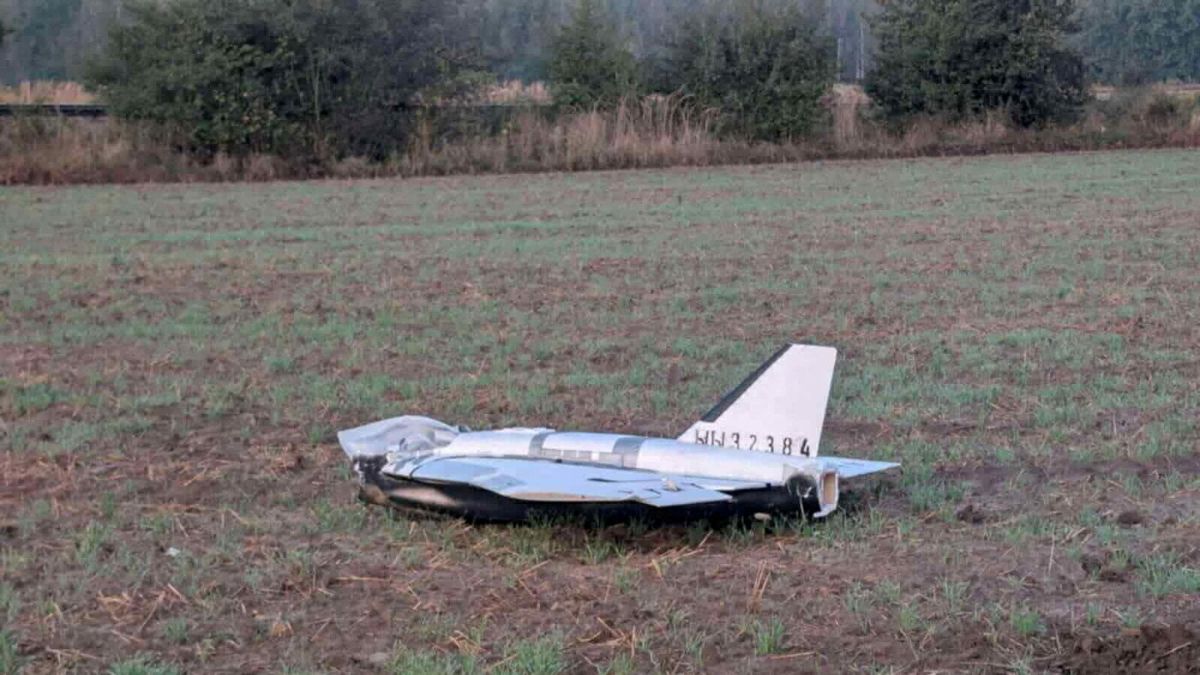 "Did Russia deliberately send drones into Poland’s airspace?")
 "Netanyahu ‘killed any hope’ for Israeli hostages: Qatar PM after Doha strike")
 "Charlie Kirk, shot dead in Utah, once said gun deaths are 'worth it' to save Second Amendment")
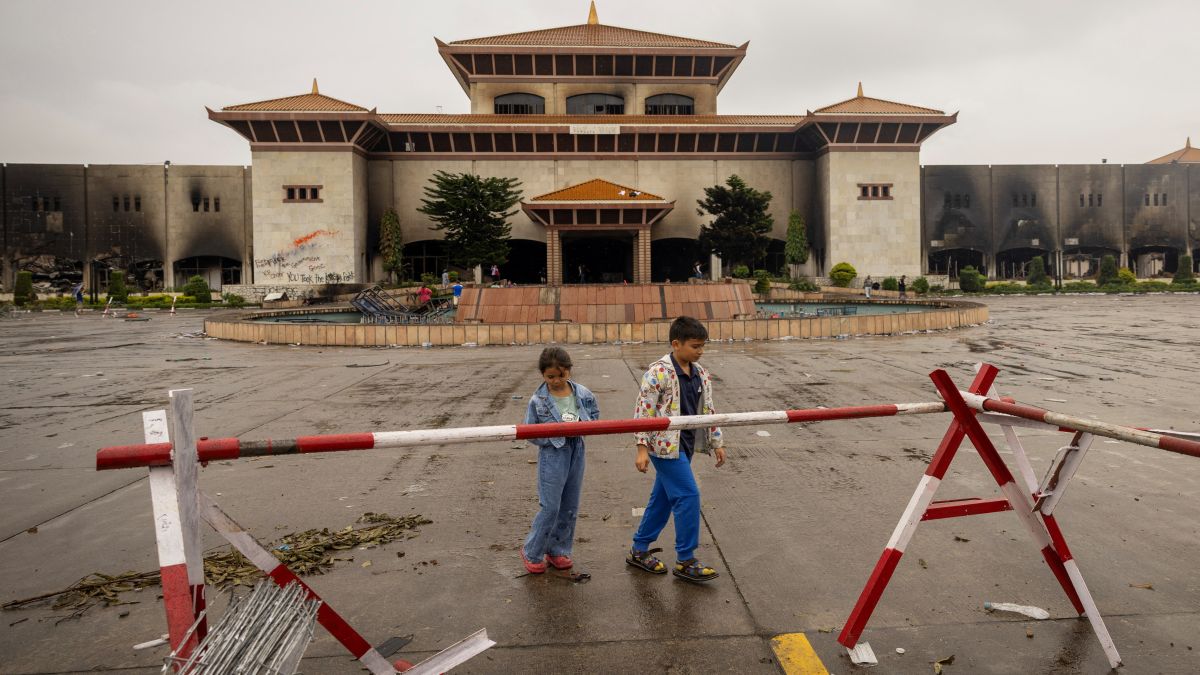 "From governance to tourism, how Gen-Z protests have damaged Nepal")
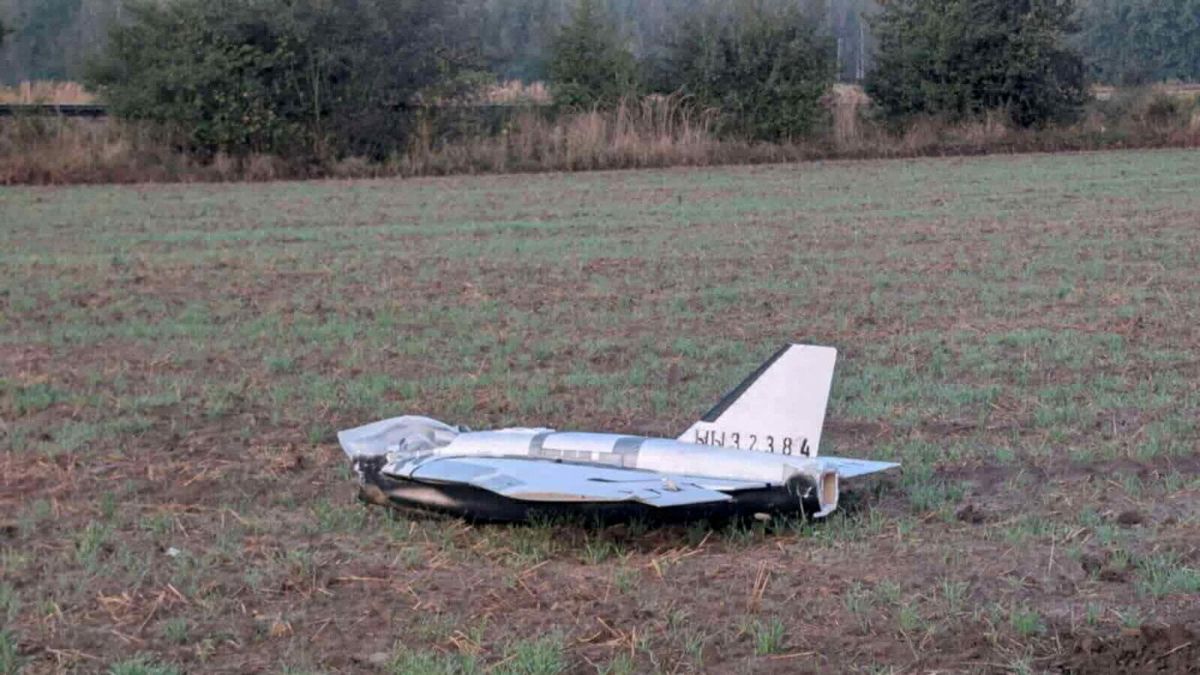 "Did Russia deliberately send drones into Poland’s airspace?")
 "Netanyahu ‘killed any hope’ for Israeli hostages: Qatar PM after Doha strike")



](https://images.firstpost.com/wp-content/uploads/2016/05/Kabani-wayanad.jpg)
](https://images.firstpost.com/wp-content/uploads/2016/05/drought-wayanad.jpg)
](https://images.firstpost.com/wp-content/uploads/2016/05/cofffee-wayanad.jpg)