

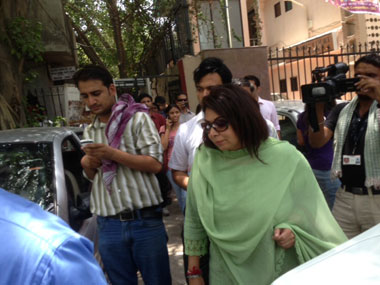
 "2G scam trial: Niira Radia plays safe in court")
Niira Radia, former corporate lobbyist for the likes of Tatas and Reliance Industries, distanced herself from her earlier statement to the CBI, telling the special CBI court hearing on the 2G Spectrum allocation case that it was “through public perception and advice of Tata’s advocates”, that she came to know that Swan Telecom was not eligible for allocation of spectrum. In her statement to the CBI (which is not admissible in court) recorded during investigations she had said, “Regarding Swan Telecom, which was the only applicant to get the spectrum in Delhi circle, I would like to state that Swan Telecom as applicant was not even eligible for getting a UAS licence, in view of the cross holding clause. To the best of my understanding it was controlled entirely by Reliance Communications.” [caption id=“attachment_822983” align=“alignleft” width=“380”]  Niira Radia leaves a Delhi court on Tuesday.[/caption] Watering down her stand on the ownership Swan Telecom, Radia told the court on Tuesday that she “did not have any authentic or personal knowledge” that Swan Telecom belonged to Reliance Communication, stating only that there were “dossiers in circulation stating that Swan Telecom belonged to Reliance Communication.” The charge by the CBI against Reliance Telecom is that it used Swan Telecom, an ineligible company, as a front to get licenses and spectrum allocation. Three Reliance Telecom executives — Hari Nair, Gautam Doshi, Surendra Pipara — and Swan Telecom promoters Shahid Balwa and Vinod Goenka are facing trial in the case for their alleged roles. Radia, a crucial prosecution witness, had been summoned by the special CBI court in December, she but had sought postponement on medical grounds. Radia was seen greeting lawyers and some of the accused including Swan Telecom Promoter Shahid Balwa, on entering the courtroom. She looked composed as she took the witness stand. Relating the sequence of events that led to her association with the Tatas, Radia told the court that she came across them during her days as an aviation consultant when she was advising companies interested in starting airlines. On her entry into the public relations business, Radia told the court, that she set up a public relations company under the name and style of Vaishanavi Corporate Communications (P) Limited. “The Tatas were my first clients and I was handling their public perception, among various stakeholders including the media. I advised the Tatas on their public relations… The scope of my mandate with the Tatas was extended to a strategic advisory role.” She said that after the Tatas, she got mandates from other corporate firms including Unitech in 2005. Radia said that in 2007 she set up another company Noesis Strategic Services “which specialised in strategic advisory and research, and it had hired professionals from various spheres.” When asked by the public prosecutor whether she was aware that Tata Teleservices (TTSL) had applied for a dual technology license, Radia said, “We had hired professionals who had experience in specific verticals.” Urged by the judge to “understand the question and its context,” Radia, on being asked the question again, said, “My company was advising the Tatas on telecom matters and for this I had hired professionals pertaining to this vertical. I am aware that Tata Teleservices (TTSL) had applied for dual technology licence in 2007. TTSL was granted a dual technology licence in 2008. However, it did not get the spectrum.” Asked by the public prosecutor why TTSL was not granted spectrum, she said, “From what I recall, TTSL was advised that they were in the queue and would be granted spectrum as and when it would be available.” The judge at this point told Radia, “I understand from media reports that you are intelligent. Please understand the question.” Composed at all times and attentive to the judge’s remarks, Radia said “I was coordinating the telecom matters with the Tatas and was not singularly representing them. TTSL had applied for dual technology spectrum for Delhi service area also.” She told the court that there was enough correspondence between Tatas and Department of Telecom (DoT) “saying that TTSL was ahead in the queue by virtue of their dual technology licence. They were existing CDMA operators.” Asked to clarify, what she meant by ‘ahead in queue’, she said “ahead of everybody else.” She was directed by the judge during her deposition be to “specific and brief” and during one instance not to “evade the question.” Responding to what the reason was, given that she was handling the case, for TTSL not being granted spectrum in Delhi service area despite being ahead of everyone else Radia said “I was coordinating for them. They maintained that they were ahead.” Asked whether she was coordinating between Tatas and the DoT, she said yes. On being pressed by the prosecution for an answer on why TTSL was not granted spectrum despite being first in the queue, Radia said, “TTSL did not get the spectrum first as it was advised by the DoT that it was not ahead of others. TTSL was advised in this regard by the DoT orally. Swan Telecom (P) Limited had got the spectrum in Delhi service area. Reliance Communications had also got the spectrum.” When asked again why Swan Telecom and Reliance Communication were given preference despite TTSL being first in the queue, the defence objected on the grounds that witness had already answered the question. “They were told they were not first in the queue. The answer has come. This is leading the witness,” one of the defence counsels said. Allowing the question, the judge said that witness was very important and the question sensitive. Radia then told the court, “TTSL had opposed allocation of spectrum to STPL and Reliance Communications. However, they were advised that they were in the queue and as and when the spectrum would be available they would get it. This was the only reply we got from the DoT.” Asked whether she was aware Swan Telecom, which was granted the spectrum, was eligible for allocation, Radia told the court, “During the time of grant of licence and spectrum there was a very strong public perception created by the media of eligibility and non-eligibility. Through the public perception and advice of Tata’s advocates I came to know that this company was not eligible.” To the question whether she knew to whom Swan Telecom belonged to Radia said, “At that time, there were dossiers in circulation stating that the company belonged to Reliance Communications, though I do not have any authentic or personal knowledge.” Radia told the court that TTSL had applied for CDMA licence in three service areas — North-East, Assam and Jammu & Kashmir in 2005-06 and that it was granted these CDMA licences in 2008. Asked why there was such a long delay, Radia said, “Since the date of applications TTSL was following up on their applications and they were advised by DoT officials that there was another company ahead of them by the name of Bycell or something and since application of this company was pending for security clearances, applications of Tatas were held up in the queue.” Further cross-examination of the witness was deferred to July following objections by the Defence to the Prosecution wanting to put on record a CD comprising intercepted telephone conversations between Nira Radia and some of the accused in the 2G case. The defence have been directed to file their objections by 2 July.
Radia had said during investigations, “Regarding Swan Telecom, which was the only applicant to get the spectrum in Delhi circle, I would like to state that Swan Telecom as applicant was not even eligible for getting a UAS licence, in view of the cross holding clause. To the best of my understanding it was controlled entirely by Reliance Communications.”
Advertisement
End of Article


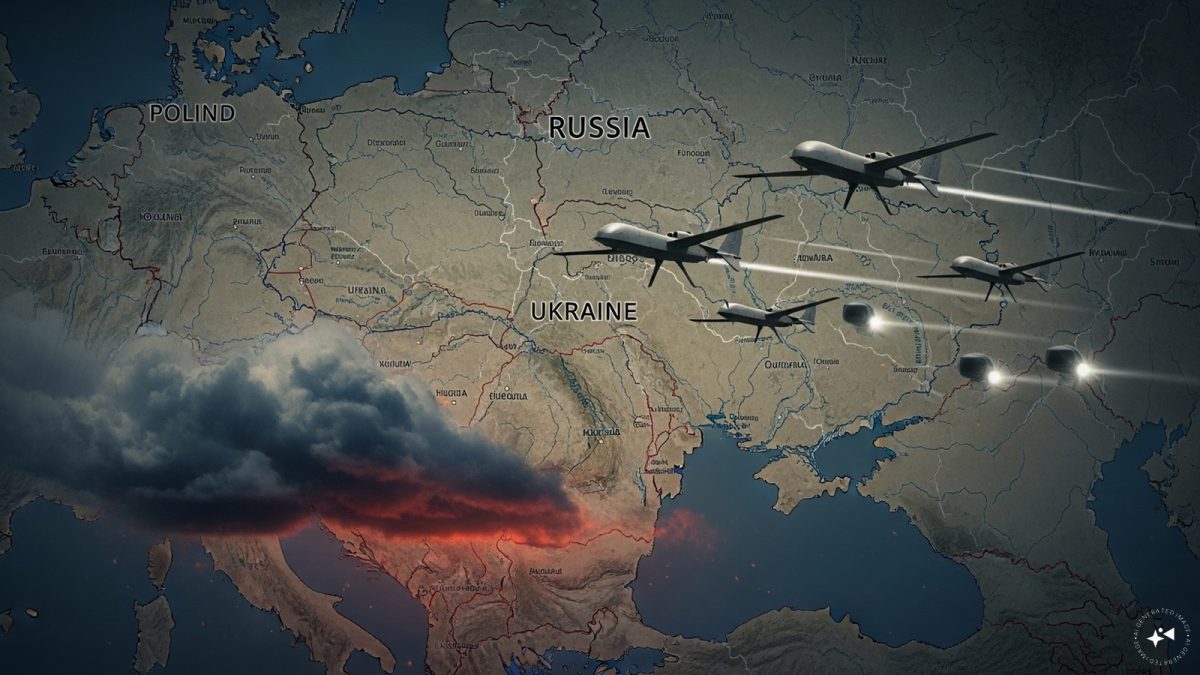 "Russian drones over Poland: Trump’s tepid reaction a wake-up call for Nato?")
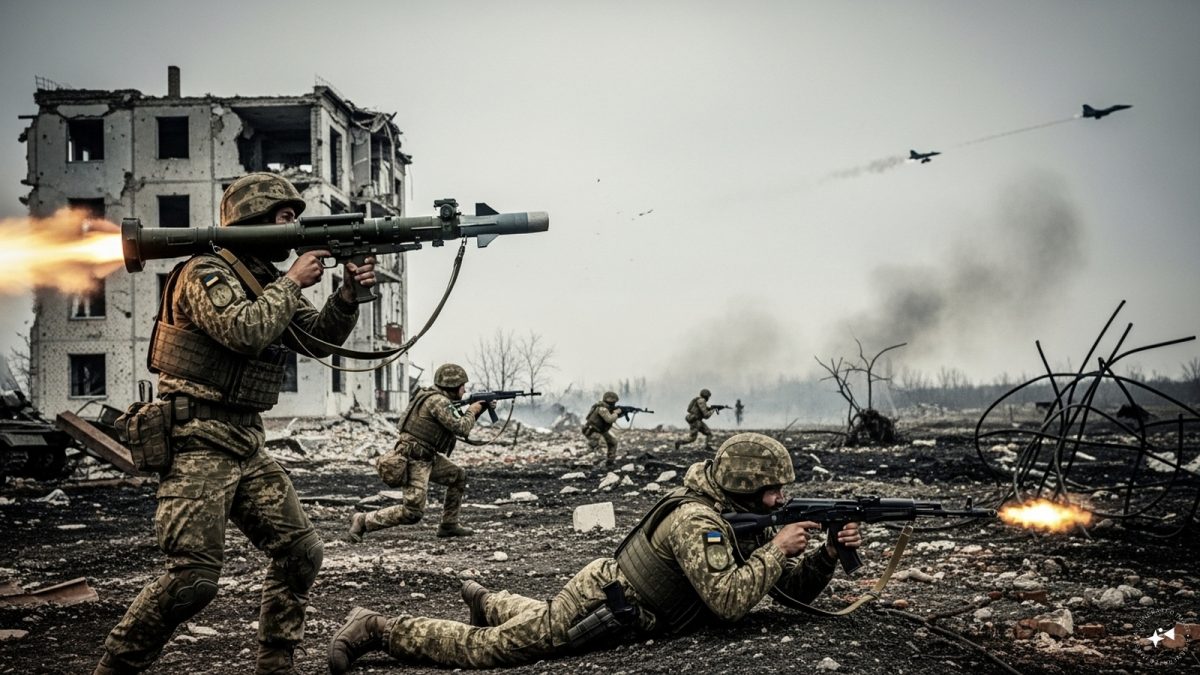 "As Russia pushes east, Ukraine faces mounting pressure to defend its heartland")
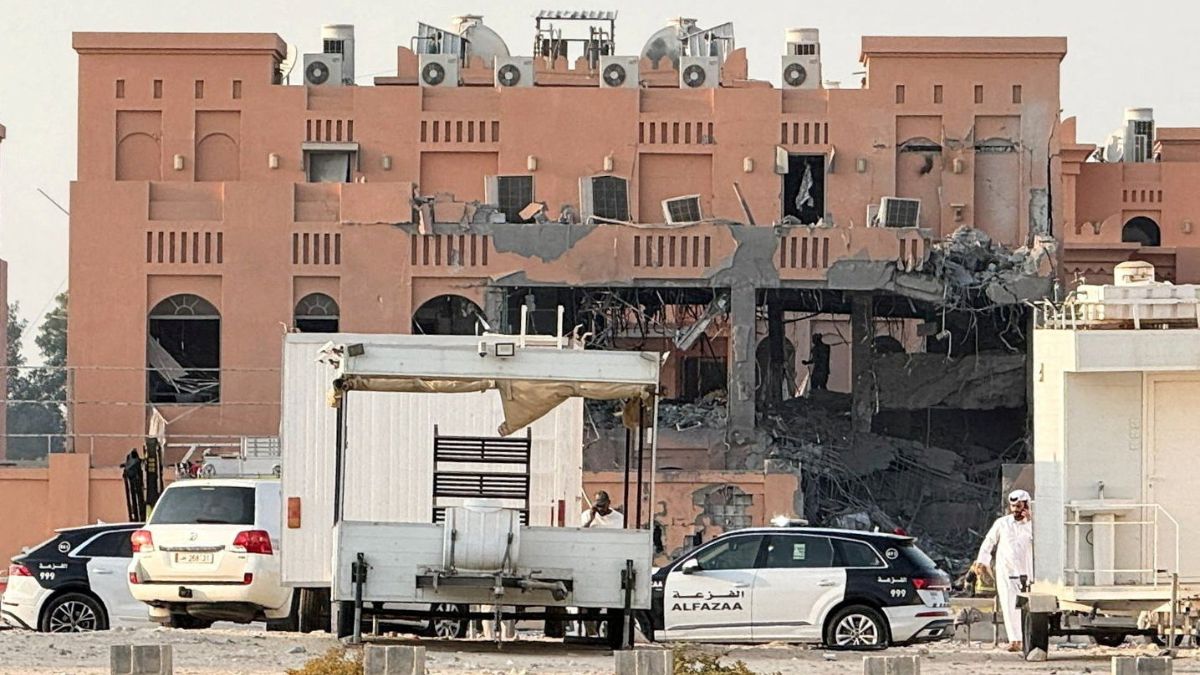 "Why Mossad was not on board with Israel’s strike on Hamas in Qatar")
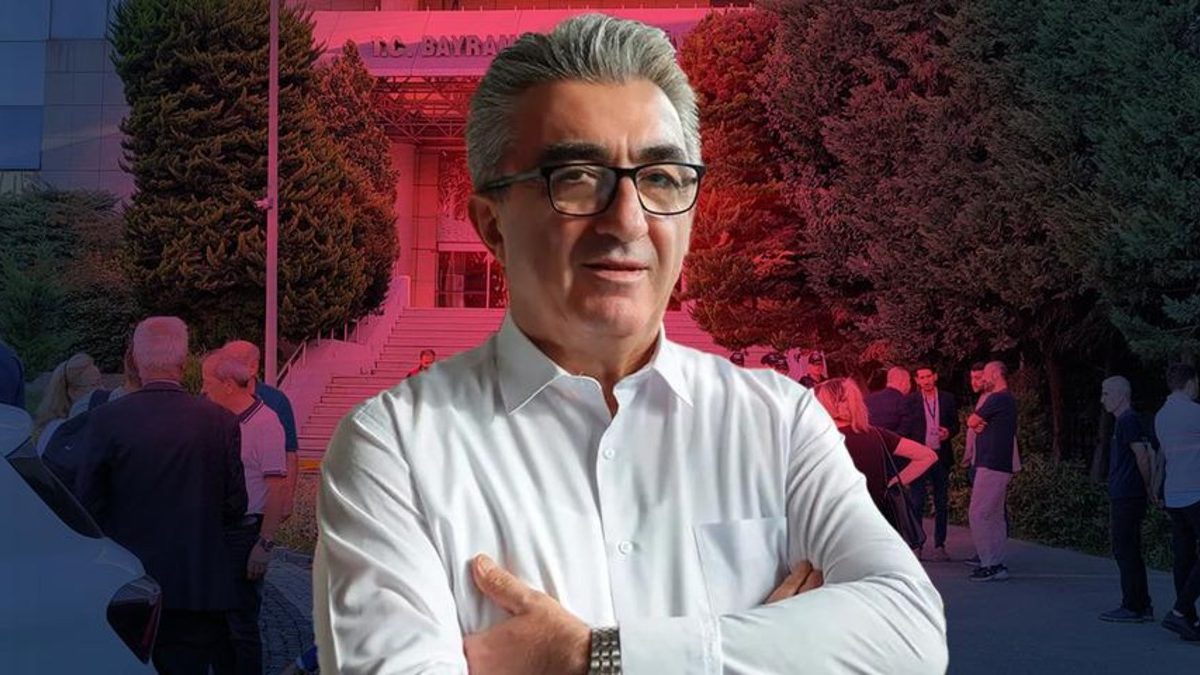 "Turkey: Erdogan's police arrest opposition mayor Hasan Mutlu, dozens officials in corruption probe")
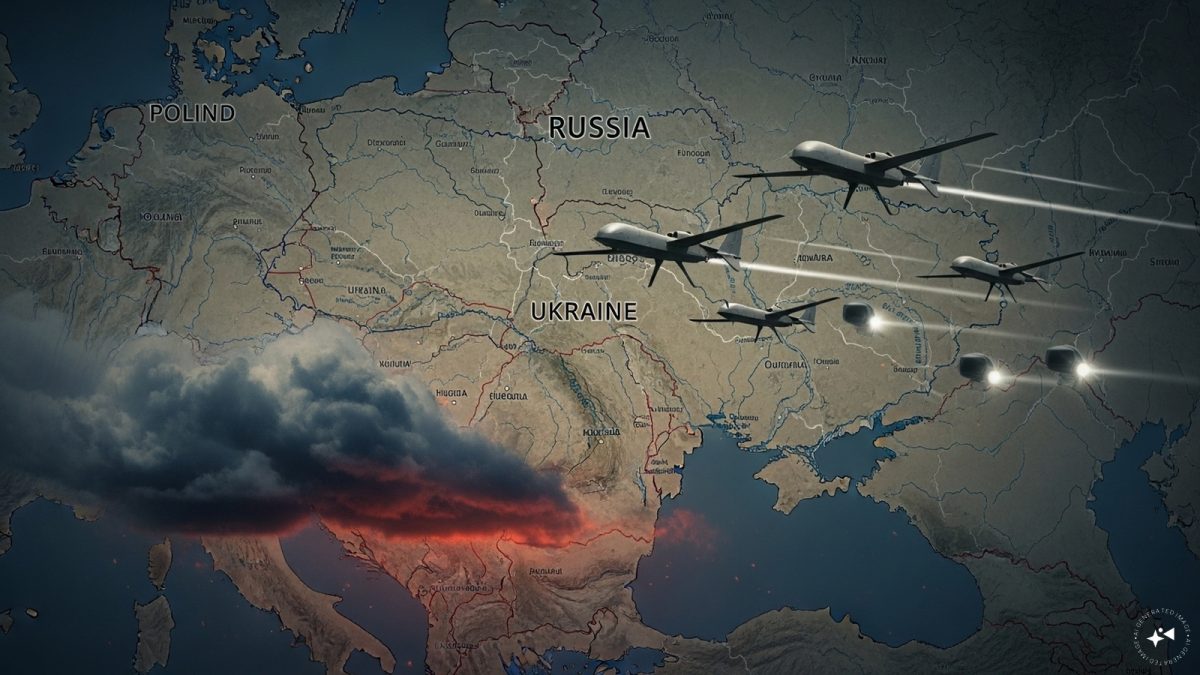 "Russian drones over Poland: Trump’s tepid reaction a wake-up call for Nato?")
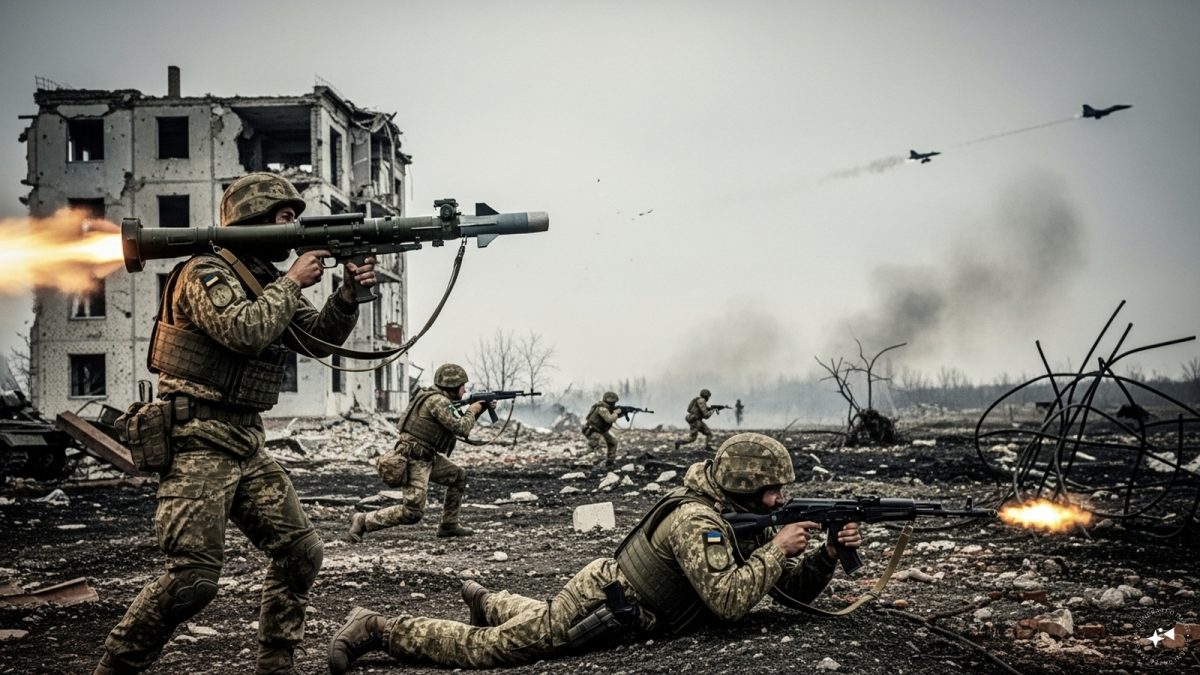 "As Russia pushes east, Ukraine faces mounting pressure to defend its heartland")
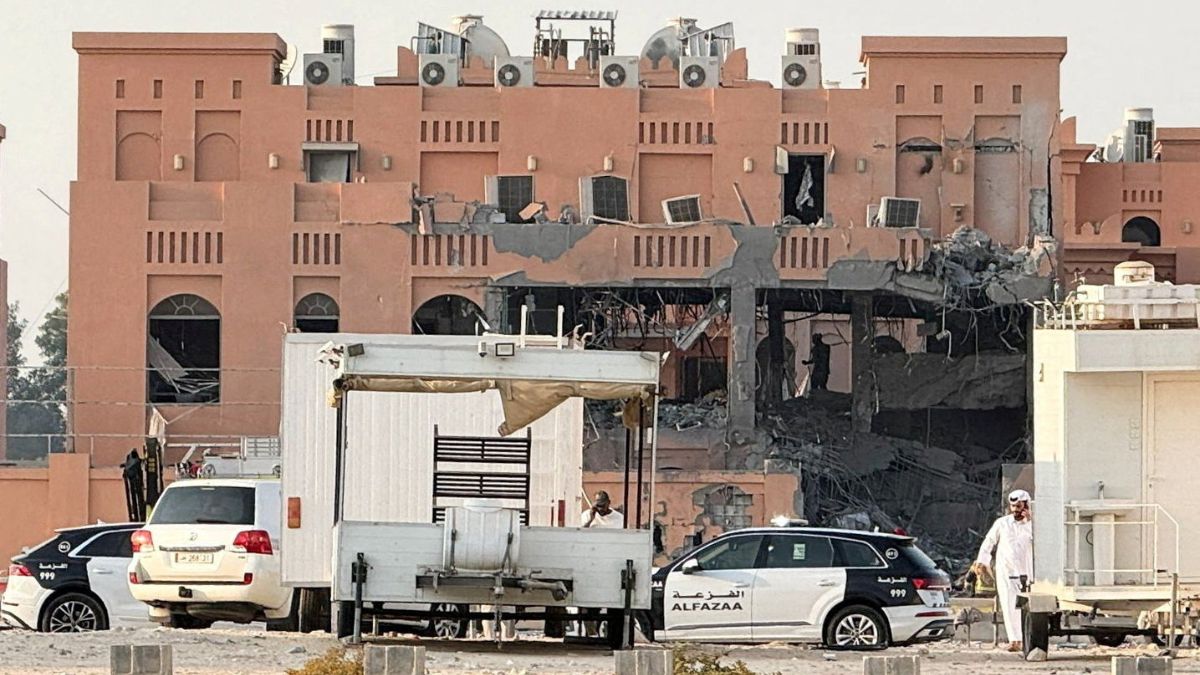 "Why Mossad was not on board with Israel’s strike on Hamas in Qatar")
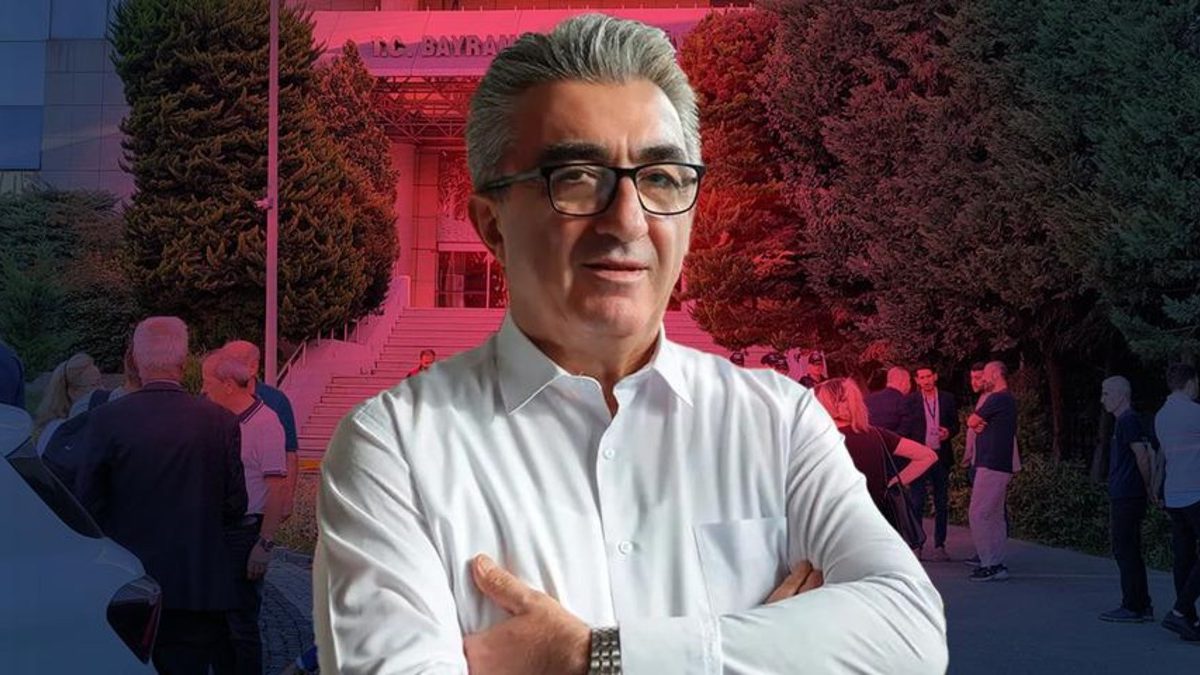 "Turkey: Erdogan's police arrest opposition mayor Hasan Mutlu, dozens officials in corruption probe")



