

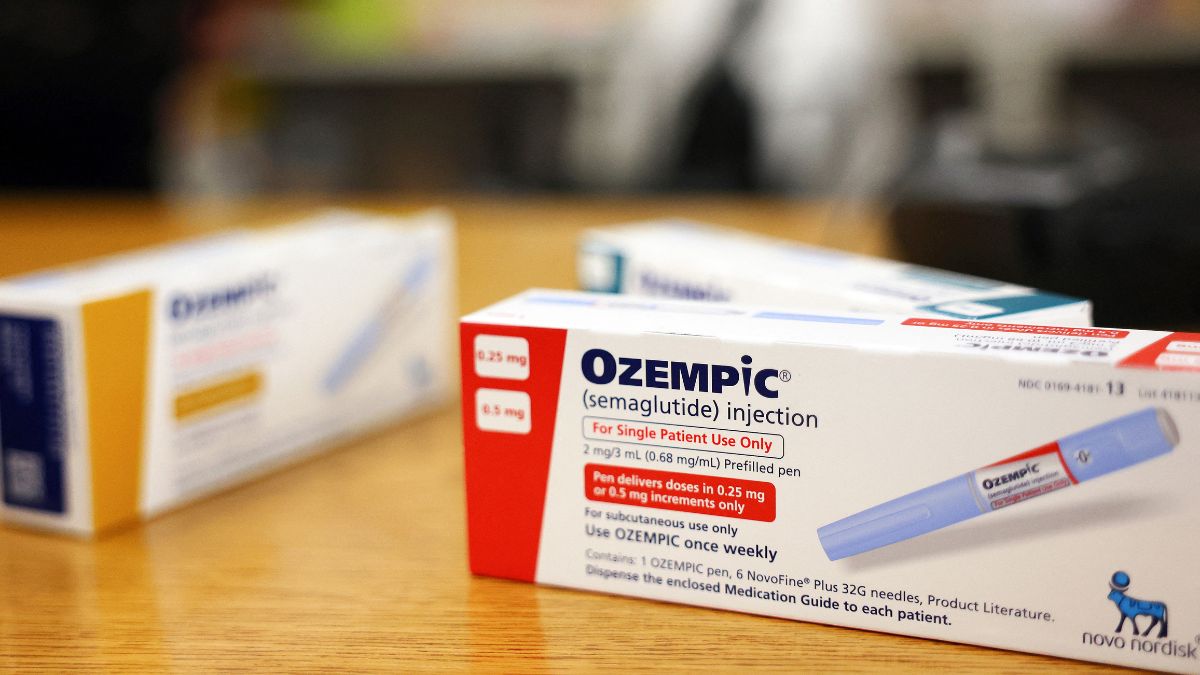
 "Rich nations have been gatekeeping Ozempic-like weight-loss drugs. WHO wants it to end")
The World Health Organisation (WHO) has thrown its support behind a new class of weight-loss medications, recommending the use of GLP-1 medications—which mimic a hormone that regulates blood sugar, appetite, and digestion—as part of a broader strategy to fight growing obesity rates worldwide.
But the agency warned that unless pharmaceutical companies cut prices and scale up production, lower-income nations will be left behind.
In new treatment guidelines published this week, the WHO issued a “conditional recommendation” for GLP-1 medicines—including Wegovy, Ozempic and Mounjaro—to be used alongside healthier diets, physical activity and medical supervision. The recommendation, the agency noted, is conditional due to limited long-term data on safety and effectiveness. Most importantly, pregnant women are excluded from the guidance.
These drugs are everywhere in richer countries, but the WHO says access is still nowhere near global.
Also read | ‘Fountain of Youth’: Can Ozempic, the weight-loss drug, help slow ageing?
According to the agency, GLP-1s may reach fewer than 10 percent of those who could benefit by 2030, even though some of the world’s highest obesity rates are found in Middle Eastern, Latin American and Pacific Island countries. As of early this year, Wegovy was available in only about 15 countries.
The WHO urged drugmakers to adopt tiered pricing models for lower-income regions and consider voluntary licensing to allow other manufacturers to produce GLP-1 medicines. The goal, officials said, is to prevent a widening gap in access.
Quick Reads
View All“We need industry to step up,” Jeremy Farrar, WHO assistant director-general, told Politico. The new guidelines, he said, send “an amber and green light” for generic manufacturers to prepare cheaper versions once patents begin to expire.
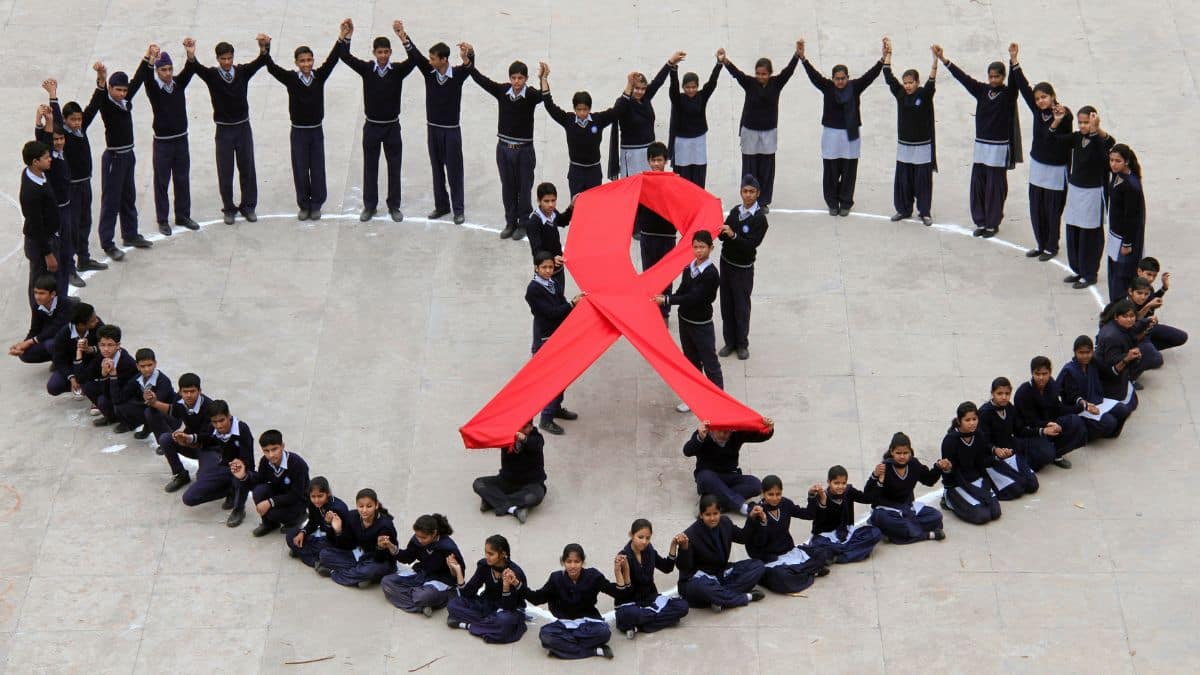
Francesca Celletti, a senior obesity adviser at the WHO, said expanding access requires “decisive action,” pointing to how costs of HIV antiretroviral drugs collapsed after widespread generic production. “We all thought it was impossible… and then the price went down,” she told Politico.
Key patents on semaglutide—the active ingredient in Ozempic and Wegovy—will expire in several major markets next year, including India, Brazil and China, opening the door for generic competition.
Indian generics leader Dr Reddy’s is already preparing to launch a semaglutide-based weight-loss drug in 87 countries by 2026, its CEO Erez Israeli said earlier this year, according to Reuters. “The US and Europe will open later… and all the other Western markets will be open between 2029 and 2033,” Israeli told reporters after a July earnings release.
Even with generics, price is only one obstacle.
Many GLP-1 drugs require refrigeration and cold-chain logistics, and health systems must be ready to administer them at scale, Celletti noted. “Affordability alone won’t solve everything,” she said. “Countries need the infrastructure to deliver these treatments effectively.”

 "India to induct INS Aridhaman, third indigenous nuclear submarine, soon: Navy chief")
 "India-Russia ties go beyond arms and oil. There’s Bollywood, literature, and tourism")
 "Pakistan: Govt official, 2 cops among 5 killed as TTP ambushes vehicle in Khyber Pakhtunkhwa")
 "Russia hails India’s ‘very friendly stand’ ahead of Putin’s historic visit, praises PM Modi’s Ukraine approach")
 "India to induct INS Aridhaman, third indigenous nuclear submarine, soon: Navy chief")
 "India-Russia ties go beyond arms and oil. There’s Bollywood, literature, and tourism")
 "Pakistan: Govt official, 2 cops among 5 killed as TTP ambushes vehicle in Khyber Pakhtunkhwa")
 "Russia hails India’s ‘very friendly stand’ ahead of Putin’s historic visit, praises PM Modi’s Ukraine approach")



