

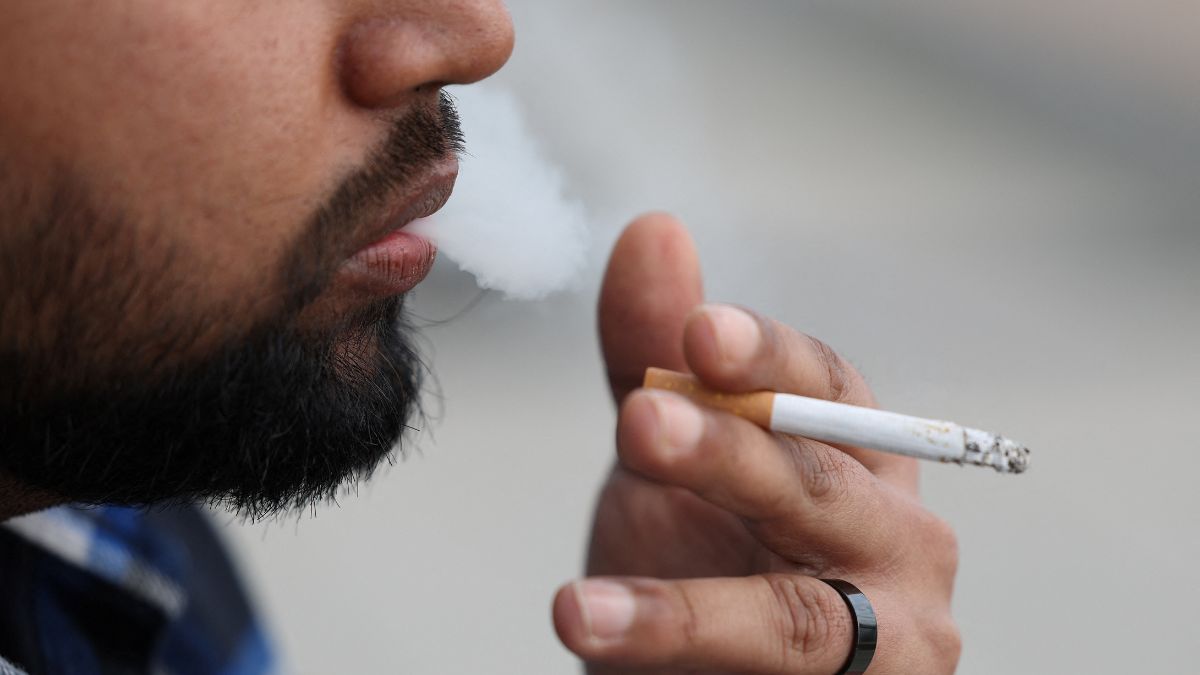
 "How smoking is increasing your chances of having a oral disease")
A recent report by the World Health Organization (WHO) estimated that 8 million people die annually from smoking related complications. Despite efforts by governments and various organisations to create awareness about the dangers, around 1.3 billion people still use some form of tobacco and 80 per cent of them live in low to middle income countries.
There is no safe level of smoking. Even second-hand smoke can lead to serious complications such as cardiovascular disease and cancer.
The mouth (oral cavity) is the first port of entry to the rest of the body and is home to a complex and diverse community of microorganisms, known as the oral microbiome. These organisms live in harmony with one another. They protect the normal oral environment, aid digestion, regulate the immune system and promote health.
If this balance is disturbed however, it can lead to the development of periodontitis (gum infections), inflammation and serious diseases, such as heart disease, cancer, liver and renal disease.
Changes to the bacterial composition of the mouth can be caused by several factors, such as bad oral hygiene, diet, alcohol and smoking.
We’ve looked into exactly what types of bacteria are affected. Our research did this by examining the oral health of 128 individuals who had participated in a 2014/2016 study of vascular and metabolic health.
We found clear differences in the bacteria present in the mouths of smokers compared to non-smokers.
Smokers had higher levels of harmful bacteria – like Fusobacterium, Campylobacter and Tannerella forsythia – in their mouths.
These bacteria can cause gum disease and may increase the risk of heart disease because they can trigger inflammation and other harmful effects in the body.
How does smoking disrupt the oral biome?
Tobacco and cigarettes contain several toxic substances which include nicotine, tar, radioactive chemicals, lead and ammonia. Many of these are formed from burning the tobacco. As a cigarette is smoked, these chemicals enter the oral cavity and change the surrounding environment by reducing oxygen levels, changing the pH (level of acidity) and preventing adequate production of saliva.
Saliva not only keeps the mouth moist and helps digestion, but also has important antibacterial properties which assist in destroying dangerous germs and keeping the oral cavity healthy.
A dry mouth together with low oxygen levels in the mouth allows harmful bacteria to multiply.
The overgrowth of these organisms destroys the balance of the healthy bacteria normally found on the surfaces of the teeth, tongue and palate.
One common chemical found in cigarettes is nicotine. This toxin can increase the number of proteins on the surface of certain harmful bacteria such as P. gingivalis.
These proteins or receptors give the bacteria an advantage over the normal microorganisms and allows them to attach firmly to surfaces where they multiply into colonies and form biofilms. Dental biofilms are a complex community of microorganisms which can form on the teeth and other hard surfaces. If not controlled, they can lead to plaque formation, periodontitis, gum disease and tooth decay.
Oral diseases linked to smoking
These abnormal colonies can influence the immune system, leading to slow healing, inflammation and even antibiotic resistance. The chronic inflammation caused by gum disease can lead to tooth loss and the destruction of gum tissue, which has been linked to systemic diseases such as cardiovascular disease.
Another bacterium, Streptococcus mutans, can also become abundant in people who smoke heavily. This organism is often present in healthy conditions but when the environment is disrupted, it can multiply and form part of dental biofilms, leading to tooth decay and oral cancer.
Are vapes and e-cigarettes better?
Electronic cigarettes or vapes operate with a battery and heating element which heats up a liquid. This produces an aerosol which is inhaled by the user. The liquid contains different flavourings as well as harmful chemicals such as nicotine and lead.
Early research seems to suggest that e-cigarettes are not a good alternative to smoking tobacco. Although their effects on the oral microbiota have not been well studied, the increased growth of bacteria such as Fusobacterium and Bacteroidales has been observed in people who vape.
Both of these bacteria can cause periodontitis (gum disease).
Prevention is better than cure
It is clear that the harmful chemicals in cigarettes and other forms of tobacco can lead to serious diseases which often begin in the oral cavity. The good news is that these can be prevented and the risk reduced.
Although it may take time, the healthy diversity of the oral biome can be restored by quitting smoking. This reduces the risk of gum disease, promotes the production of saliva and improves health.
Prevention is better than cure and governments and organisations such as the WHO need to continue to create awareness around the dangers of smoking, particularly among the youth.
Yvonne Prince, PhD in Biomedical Science (Microbiology), Cape Peninsula University of Technology; Glenda Mary Davison, Associate Professor, Cape Peninsula University of Technology, and Tandi Matsha-Erasmus, DVC Academic and Research, Sefako Makgatho Health Sciences University
This article is republished from The Conversation under a Creative Commons license. Read the original article.

 "Pentagon no longer views China as top threat, offers 'more limited' support to US allies")
 "'Governor Carney sorely mistaken': Trump threatens 100% tariff on Canada over its potential China trade deal")
 "Bangladesh out of 2026 T20 World Cup, announces ICC; Scotland named replacement team")
 "Ukraine peace talks conclude in Abu Dhabi as Donbas issue remains unresolved")
 "Pentagon no longer views China as top threat, offers 'more limited' support to US allies")
 "'Governor Carney sorely mistaken': Trump threatens 100% tariff on Canada over its potential China trade deal")
 "Bangladesh out of 2026 T20 World Cup, announces ICC; Scotland named replacement team")
 "Ukraine peace talks conclude in Abu Dhabi as Donbas issue remains unresolved")



