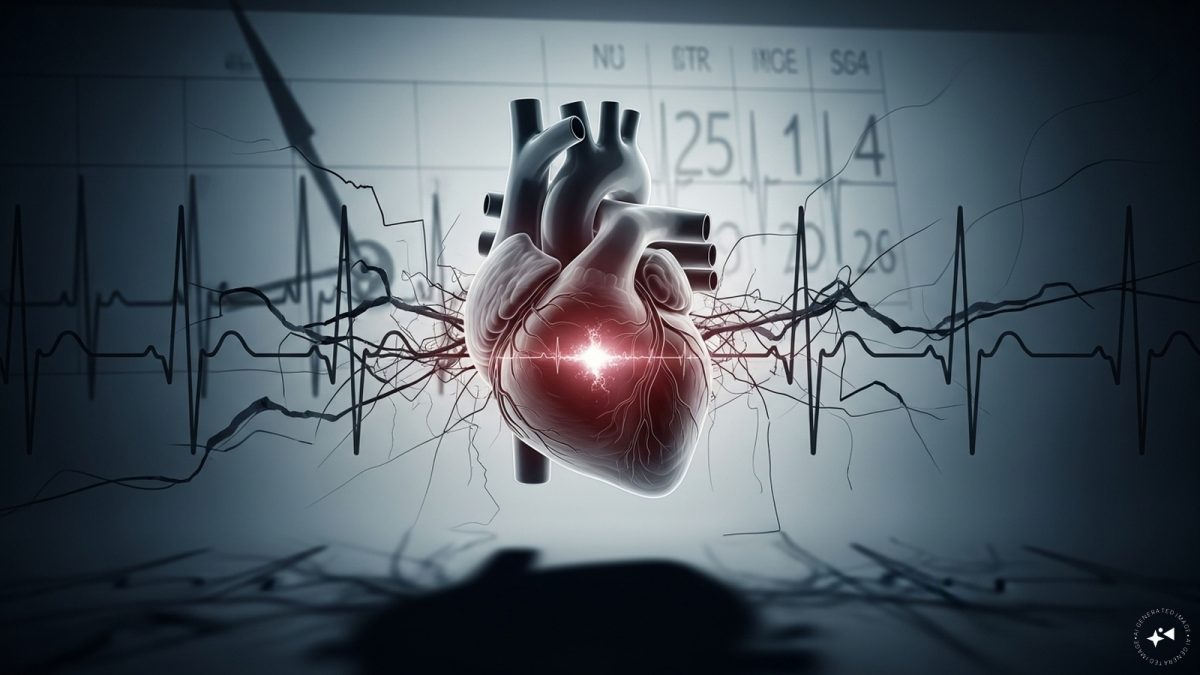
 "Doctor explains: How missed heart warning signs and delayed screening fuel sudden cardiac deaths")
India is grappling with a growing health paradox: even as infectious diseases persist, lifestyle-driven illnesses are tightening their grip on the population. Non-communicable diseases now account for nearly two-thirds of all deaths in the country with heart disease leading the toll. The crisis is even more alarming because heart attacks and heart failure now strike younger, seemingly fit individuals without any warning.
Medical experts warn that heart damage does not happen overnight. Risk factors such as hypertension, diabetes and high cholesterol quietly weaken the heart over years, while sedentary lifestyles, poor sleep, tobacco use and unhealthy diets accelerate the damage. By the time symptoms such as chest pain, breathlessness or extreme fatigue appear, irreversible harm may already be done.
To provide clarity on this crisis, Firstpost talked to Dr Major Abhinav Shrivastava, Consultant -Cardiology at Regency Hospital (Gorakhpur) to discuss the underlying medical and lifestyle triggers that are weakening the hearts of the Indian population.
Heart failure cases are rising in India. What are the main medical and lifestyle reasons behind this trend?
Dr Shrivastava: India is facing alarming double disease burden. Both Communicable and Non-communicable diseases (NCDs) have become serious concern for public health management. NCDs claim a staggering 65% of lives in India, with diabetes, hypertension, cardiovascular issues, and cancers at the forefront. Among NCDs, heart attack and failure have become a serious concern. Diabetes, hypertension, and obesity can be considered as main medical reasons for heart diseases including heart failure which is the leading individual cause of disease burden in India. Heat failure contributes significantly in total deaths. If we talk about lifestyle reasons, then sedentary living, hectic stressful urban life, unhealthy diets, binge drinking, use of narcotics and tobacco, untreated attacks have increased the risk factor of heart failure.
How do hypertension, diabetes, obesity and high cholesterol damage the heart over time and who is most at risk?
Dr Shrivastava: These health problems certainly hurt the heart silently and progressively. Hypertension is a highly recognised risk factor. It forces our heart to pump against increased resistance. This obviously causes thickening and eventual weakening of heart muscles. Diabetes is yet another major concern as it damages blood vessels and accelerates plaque formation. People undermine obesity as a risk factor whereas it also poses high risk by triggering inflammation, metabolic imbalance, and increased cardiac workload. Chelostrol too plays a critical role in forming blockages in coronary arteries. The danger multiplies when these factors coexist for many years without detection or treatment.
What early symptoms or warning signs of heart failure are most commonly ignored?
Dr Shrivastava: Chest pain, racing heart beats with heavy sweating, unexplained fatigue, muscles or join cramps, and shortness of breath even during moderate physical activities are basic symptoms of heart ailments. People generally ignore chest pains which the most common warning. It is often considered gastric problem. The main pain point is that by the time warning signs start giving troubles and wake us up, damage to the heart is already done.
What role do diet, physical inactivity, smoking, stress and poor sleep play in weakening the heart?
Dr Shrivastava: We have seen recently that even fit and healthy people including athletes collapsed due to hidden risks. Along with physical inactivity, smoking, stress and lack of proper sleep bad eating habits such as excessive intakes of foods high in fat, sugar, and salt cause high cholesterol, diabetes, and obesity- the main contributory factors that weaken the heart. While lack of exercise adversely affects metabolic health and weakens the cardiac muscle, tobacco and smoking can reduce oxygen supply and damage blood vessels. Poor sleep patterns affect cardiac rhythm.
How do heart blockages develop and at what stage do they begin affecting heart function?
Dr Shrivastava: It is not at all sudden and blockages takes time to develop. Blockages increase because of cholesterol and inflammatory deposits in coronary arteries. This process, we clinically call atherosclerosis. It can be seen in early adulthood too and progresses over decades. The main concern is that at initial stages, these blockages may not cause symptoms. However, gradually they start narrowing arteries, causing reduction in blood supply to the heart muscle. When blockages increase significantly, it triggers heart attacks.
How can people detect heart blockages early? What tests are recommended to assess heart health?
Dr Shrivastava: Preventive checkup is the only option we have. Some tests can diagnose it early. Screening includes tests like blood pressure measurement, blood sugar and lipid profile assessment, ECG, echocardiography and CT Angio. Hence, people should take the responsibility for going these preventive checkups.
Regular check-ups are critical for early diagnosis and have been proven to prevent many heart attacks and sudden cardiac deaths through timely screening. People should undergo annual preventive evaluations, including blood pressure, blood sugar, cholesterol testing and basic cardiac assessment. Special attention is needed for adults aged 35–40 and above, for whom advanced screening such as CT angiography can be considered once every 7–10 years.
Can heart failure be prevented or reversed if detected early and which interventions make the biggest difference?
Dr Shrivastava: Yes, but people need to adopt a adopt a “prevention-first” mindset. We do emphasize that people need to care for their bodies. It is very important to strictly monitor and control their blood pressure, keep cholesterol in normal range and manage diabetes effectively. Physical activities – moderate exercise, weight manage, healthy diet, good sleep, reduced stress, and quitting smoke can significantly help and can make huge difference. Sometimes patient skips doses or ignore cardiologists’ prescribed doses and advices and this can be fatal. If medicines are not working then we recommend modern therapies such as implantable devices, LVADs, total artificial hearts, and heart transplantation have transformed outcomes. Overall, we strongly bat for prevention remains which the most powerful and accessible solution.

 "High alert ahead of Republic Day as intelligence flags Khalistani, Bangladesh-linked terror threats: Report")
 "The Nobel meet: Trump gets the medal not honour, Machado has the title not power")
 "Trump says in 'talks with Nato' on acquiring Greenland, reiterates his national security rhetoric")
 "High alert ahead of Republic Day as intelligence flags Khalistani, Bangladesh-linked terror threats: Report")
 "The Nobel meet: Trump gets the medal not honour, Machado has the title not power")
 "Trump says in 'talks with Nato' on acquiring Greenland, reiterates his national security rhetoric")