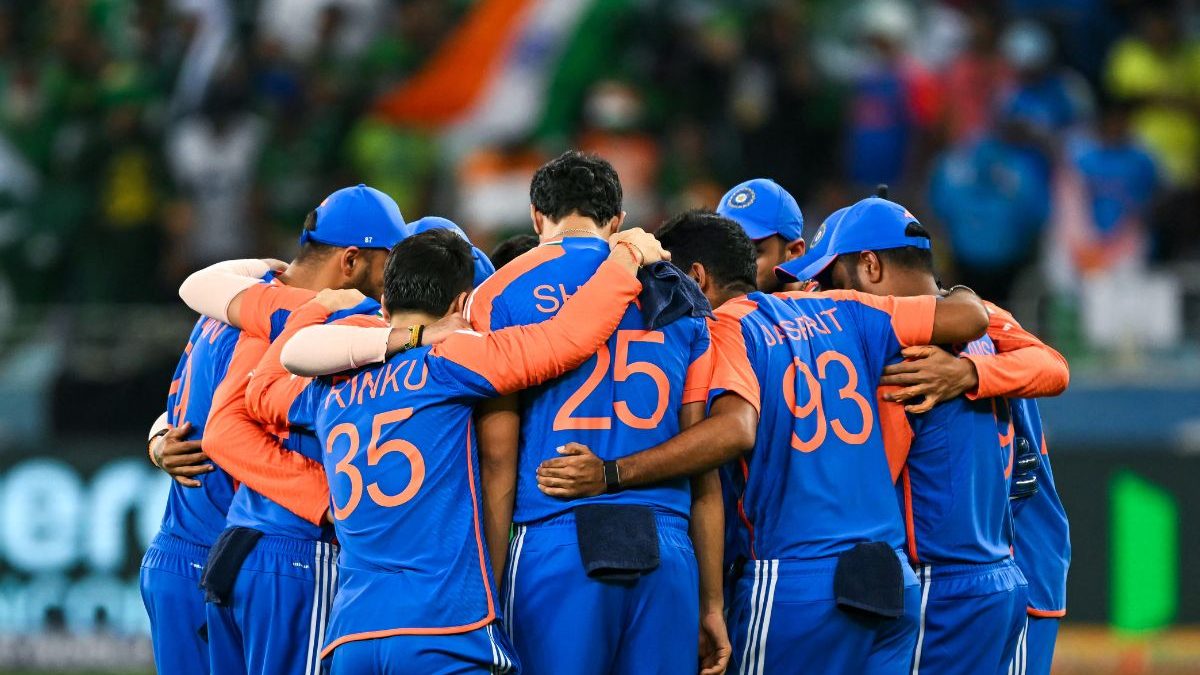
 "India to travel to Colombo for Pakistan match, follow full protocol including practice and press conference: Report")
The controversy surrounding the upcoming ICC Men’s T20 World Cup 2026 has taken a fresh turn after Pakistan’s government announced that it had allowed the national team to participate in the tournament but instructed them not to take the field for the group-stage match against India.
The decision, shared through an official government statement, confirmed Pakistan’s participation in the World Cup while also making it clear that the February 15 fixture against arch-rivals India in Colombo would be boycotted. The Pakistani government did not provide any reason for the move.
The announcement drew a sharp response from the International Cricket Council (ICC), which said that “selective participation” is against the spirit of a global sporting event. In its statement, the ICC warned that such a move could have long-term consequences and urged the Pakistan Cricket Board (PCB) to explore a mutually acceptable solution in the interest of the game and its fans.
India to follow full protocol?
Amid this uncertainty, India have reportedly decided not to alter their plans and will strictly follow ICC protocol for the scheduled match. According to BCCI sources quoted by ANI, the Indian team will travel to Colombo for the February 15 match against Pakistan and complete all match-day formalities as required.
As per the report, India will hold their practice session as per schedule and attend the pre-match press conference. India have decidede to reach the R. Premadasa Stadium at the designated time. The team will then wait for the match referee to take an official call if Pakistan do not turn up for the fixture.
“India will travel to Sri Lanka on 15th February and follow ICC protocol. They will practice as per schedule, do a press conference and reach the stadium according to time and wait for the match referee to call off the match,” ANI quoted BCCI sources as saying.
Quick Reads
View AllEarlier, the Pakistan Cricket Board (PCB) had threatened to boycott the World Cup in support of Bangladesh, who have been replaced by the ICC after they refused to travel to India due to security concerns.

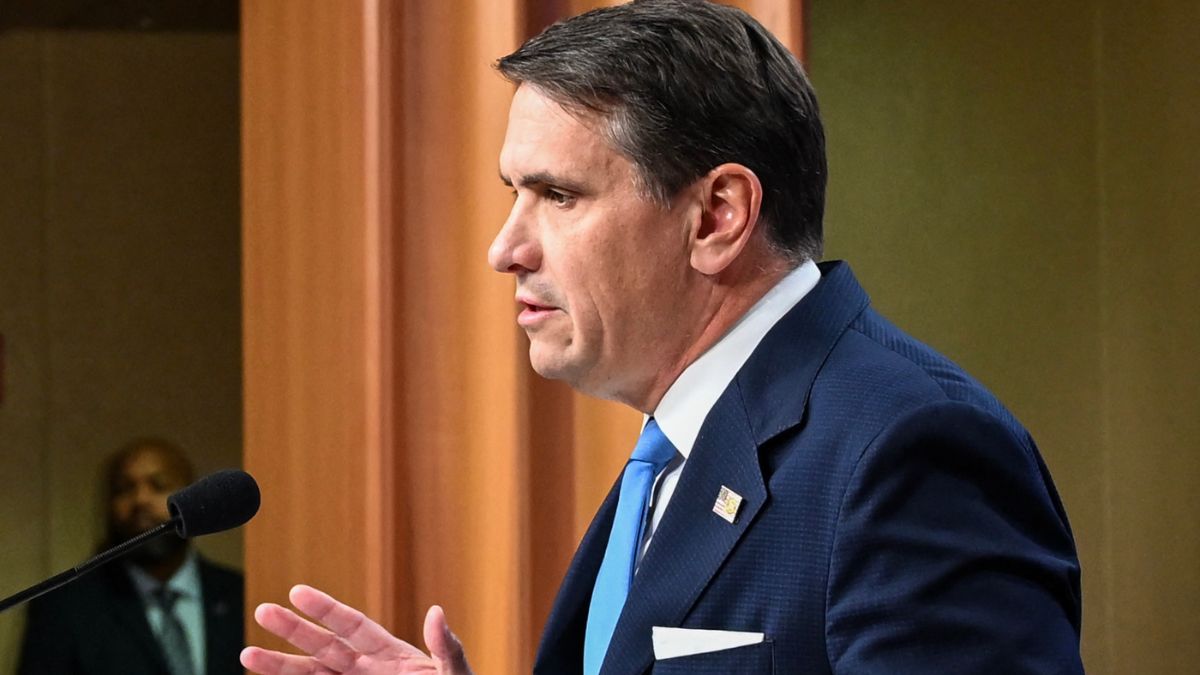 "'Nothing to hide': DoJ completes Epstein record review, downplays chance of new charges")
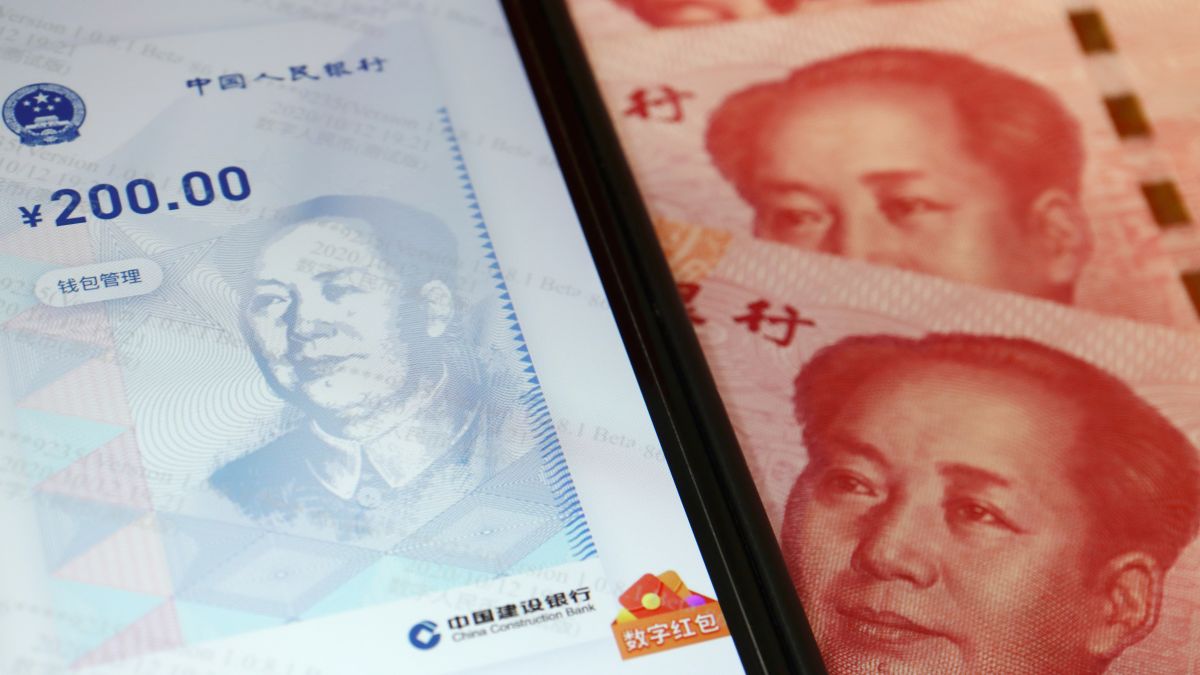 "China's de-dollarisation mission: Xi calls for making yuan a global reserve currency")
 "Grammy Awards 2026 Live Updates: Lady Gaga breaks down as the singer accepts the award for Best Pop Vocal Album")
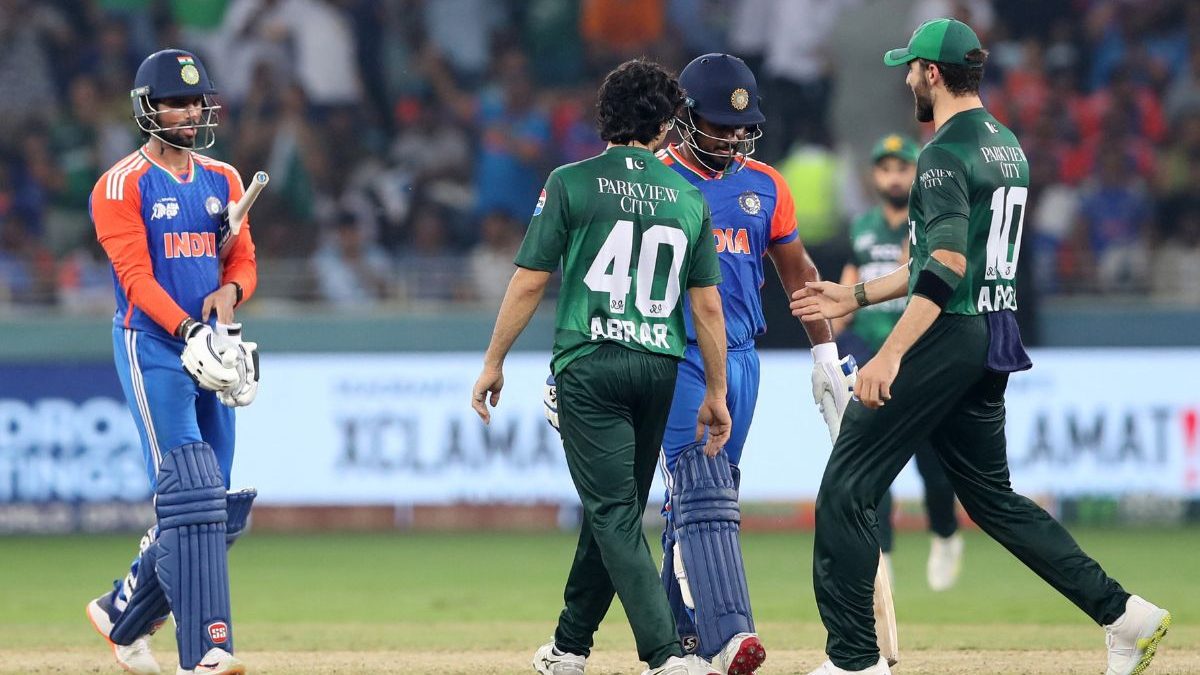 "ICC requests Pakistan to reconsider their stance on not playing India in T20 World Cup 2026")
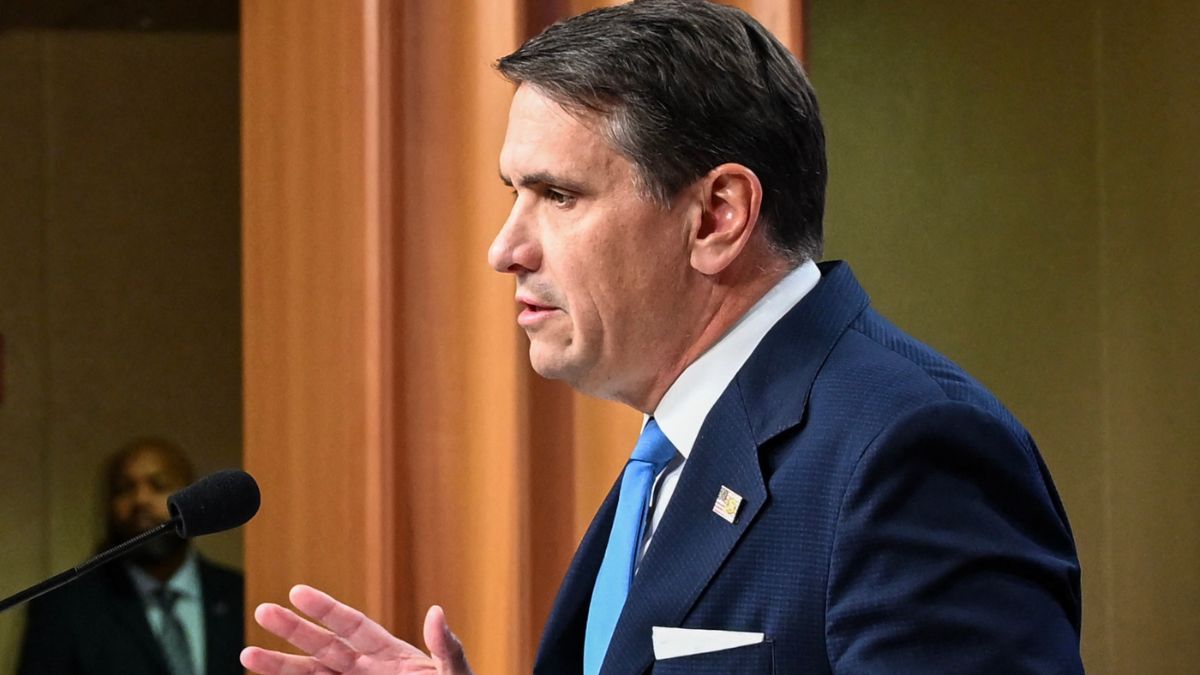 "'Nothing to hide': DoJ completes Epstein record review, downplays chance of new charges")
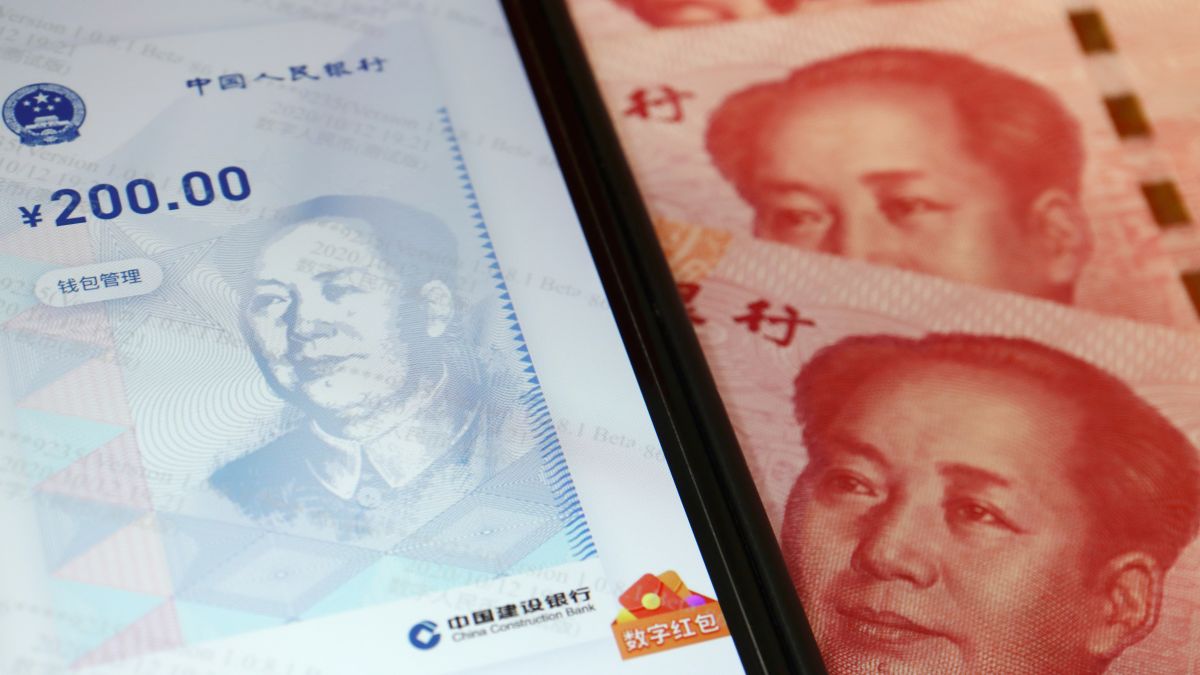 "China's de-dollarisation mission: Xi calls for making yuan a global reserve currency")
 "Grammy Awards 2026 Live Updates: Lady Gaga breaks down as the singer accepts the award for Best Pop Vocal Album")
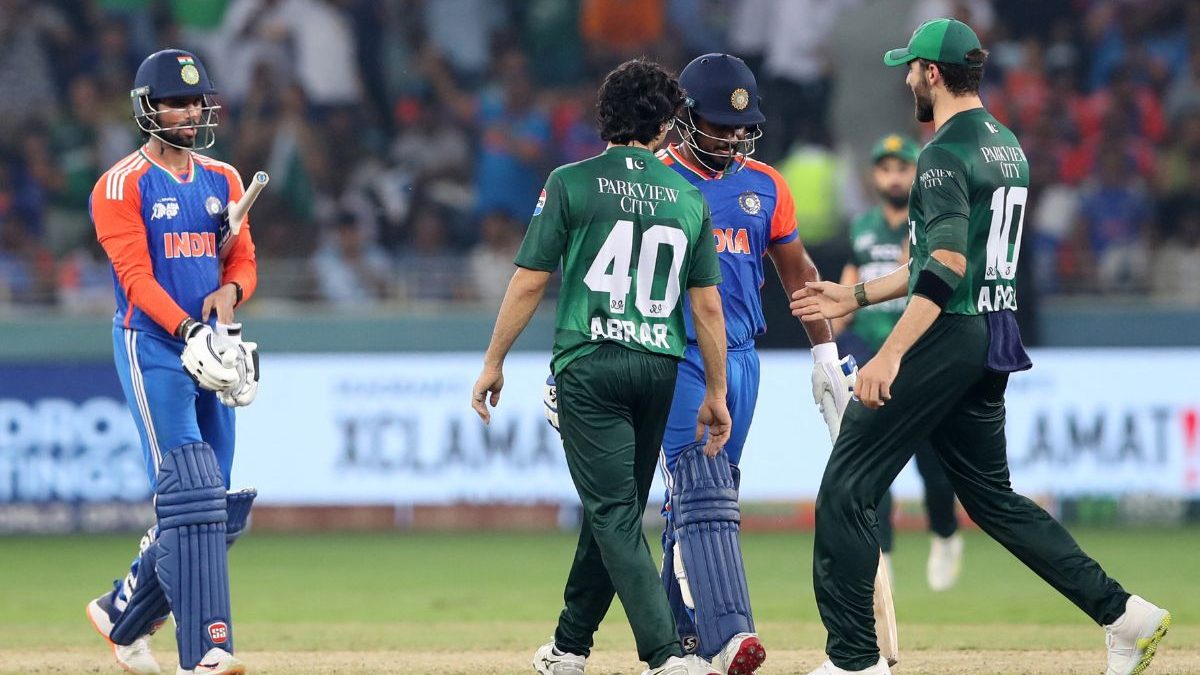 "ICC requests Pakistan to reconsider their stance on not playing India in T20 World Cup 2026")