

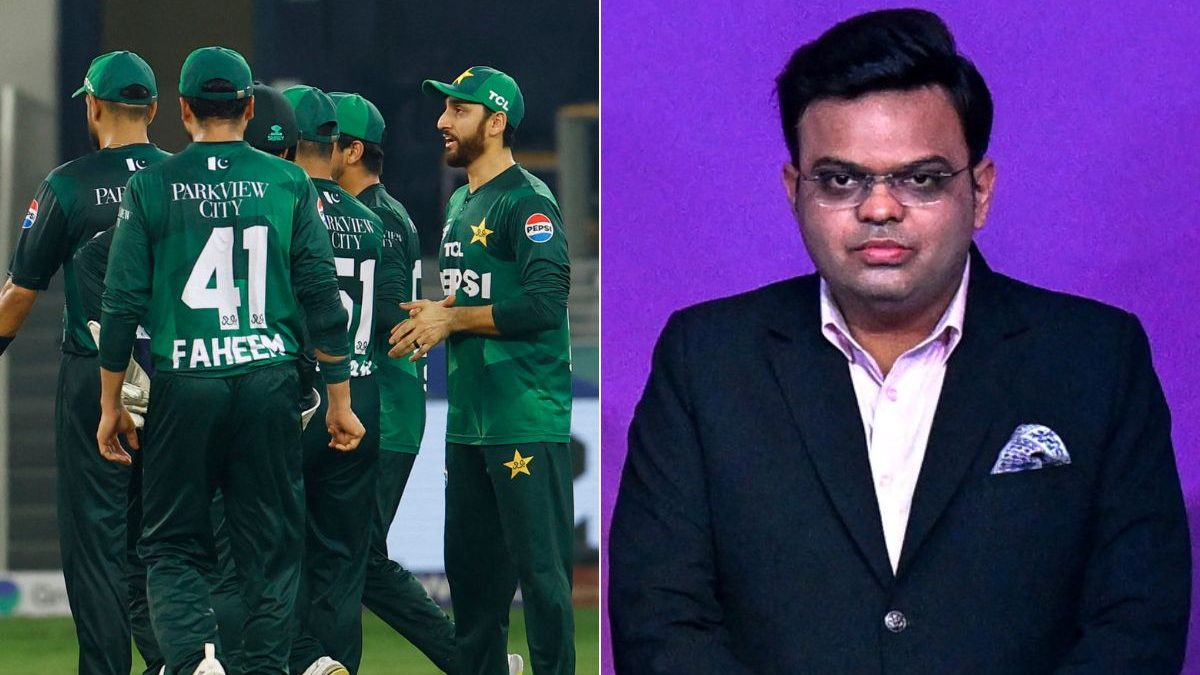
 "How ICC may have to break its own precedent to punish Pakistan over India match boycott")
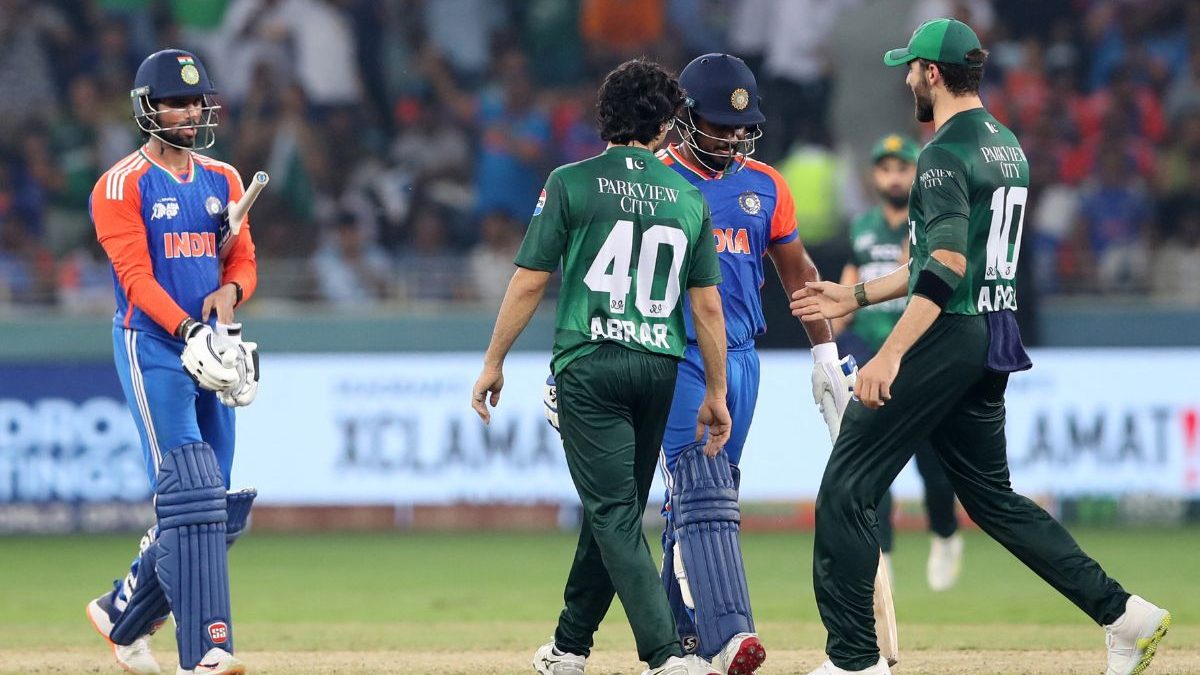
If the International Cricket Council (ICC) decides to punish Pakistan for boycotting their group-stage match against India at the T20 World Cup 2026, it may have to go against its own long-standing tradition.
The ICC has urged Pakistan to reconsider its stance after the Pakistani government issued a statement confirming the national team’s participation, but stated that they would not take the field against arch-rivals India.
Historically, teams that have refused to play World Cup matches have not faced heavy sanctions beyond losing points for the match. This is why the current situation involving Pakistan appears to put the ICC in unfamiliar territory.
Past precedents
In the 1996 World Cup, both Australia and the West Indies pulled out of their scheduled matches against Sri Lanka, citing security concerns following a series of bomb blasts in Colombo. Neither team was fined or sanctioned and Sri Lanka were awarded full points.
A similar pattern was seen in the 2003 World Cup. England boycotted their match against Zimbabwe, while New Zealand chose not to play Kenya in Nairobi. Once again, no monetary penalties or disciplinary action followed. The only consequence was the forfeiture of points.
Why Pakistan may face sanctions?
From past precedent, none of these teams faced sanctions for forfeiting a World Cup match beyond losing points. However, Pakistan’s case is different in one key way. Unlike the earlier examples, Pakistan’s security concerns were addressed before the tournament began.
Under the hybrid model agreed between the Pakistan Cricket Board (PCB) and the Board of Control for Cricket in India (BCCI), all of Pakistan’s matches were scheduled to be played in Sri Lanka. This move was specifically designed to address all security-related and political objections.
Despite this, Pakistan have decided to boycott their game against India without giving any valid reason. Now, if the ICC chooses to penalise Pakistan beyond loss of points, it would be breaking away from its own precedent. The ICC has warned Pakistan of “long-term consequences” in its own country if they refuse to play India.

 "'Nothing to hide': DoJ completes Epstein record review, downplays chance of new charges")
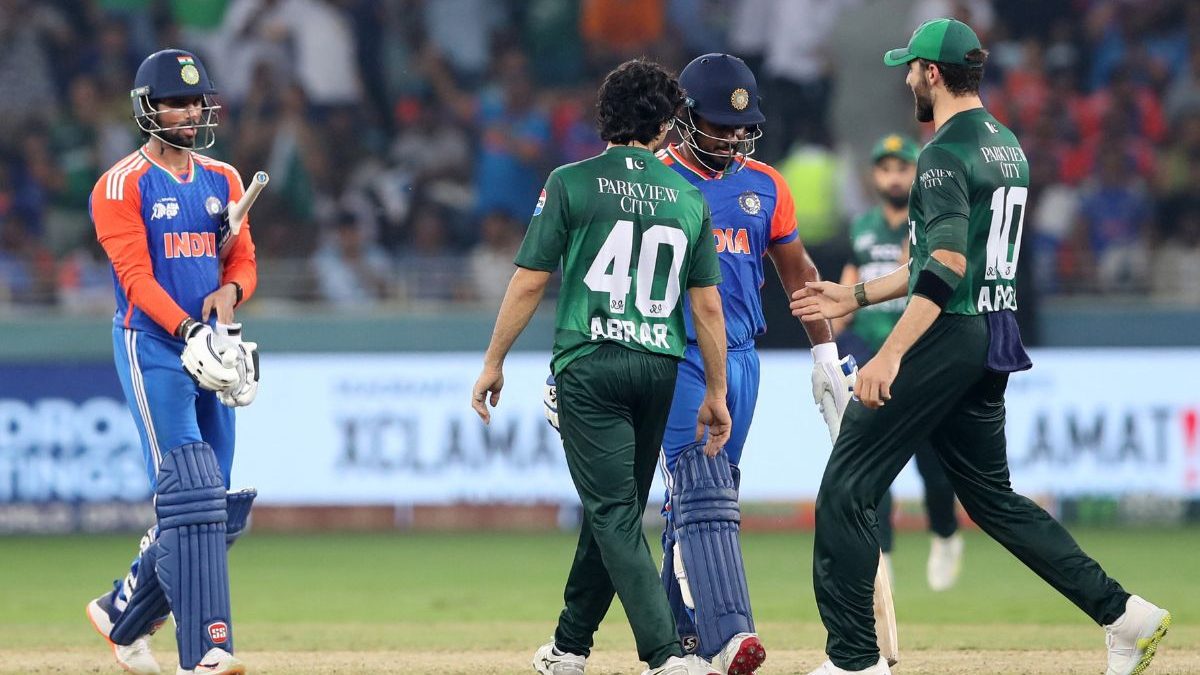 "ICC requests Pakistan to reconsider their stance on not playing India in T20 World Cup 2026")
 "Grammy Awards 2026 Live Updates: Lady Gaga breaks down as the singer accepts the award for Best Pop Vocal Album")
 "Kennedy Center arts complex to shut for a two year renovation, Trump says")
 "'Nothing to hide': DoJ completes Epstein record review, downplays chance of new charges")
 "ICC requests Pakistan to reconsider their stance on not playing India in T20 World Cup 2026")
 "Grammy Awards 2026 Live Updates: Lady Gaga breaks down as the singer accepts the award for Best Pop Vocal Album")
 "Kennedy Center arts complex to shut for a two year renovation, Trump says")



