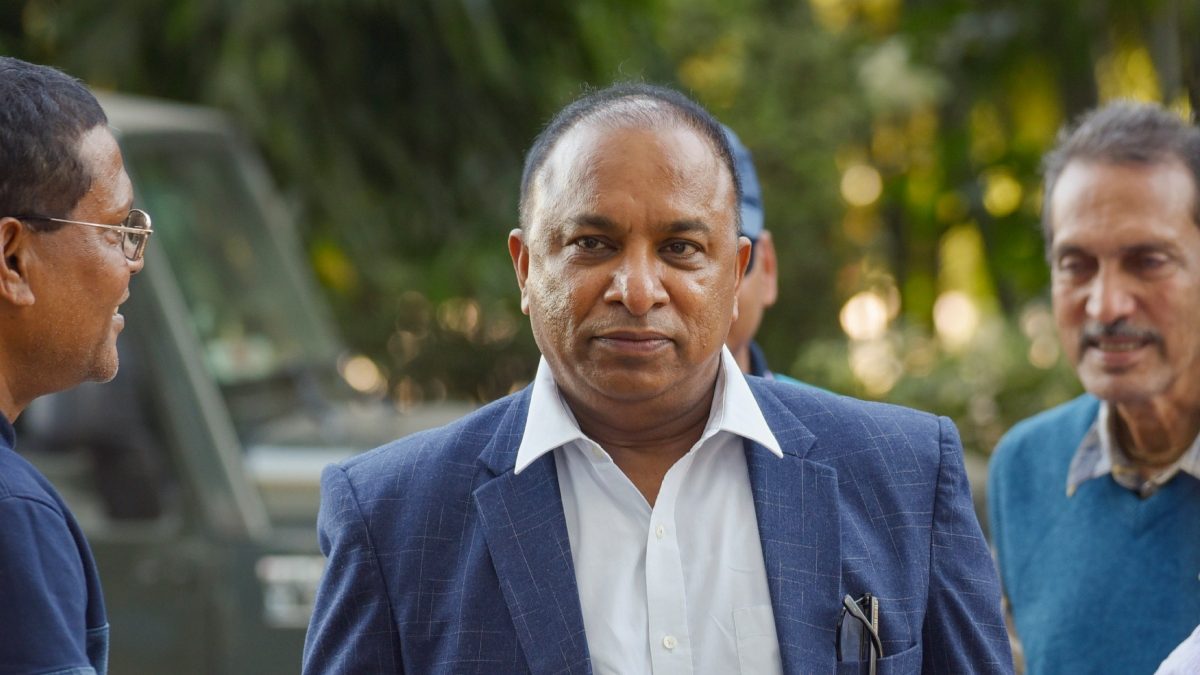
 "BCCI secretary Devajit Saikia reacts to Bangladesh's demand to move T20 World Cup matches outside India: 'Not our domain'")
The Board of Control for Cricket in India (BCCI) has said that Bangladesh’s demand to shift their matches at the upcoming T20 World Cup outside India is not something that falls in their domain, hinting that the International Cricket Council (ICC) will be taking a call regarding the matter.
Bangladesh Cricket Board (BCB) has written to the ICC multiple times requesting the world cricket governing body to shift their matches at the upcoming tournament from India to Sri Lanka. BCB has cited security reasons for this demand and also added that it has become a matter of national dignity for the board.
Bangladesh’s request came after their star bowler Mustafizur Rahman was released by the Kolkata Knight Riders (KKR) following the instructions from the BCCI. The release of Rahman, which came amid rising attacks on Hindus in Bangladesh, has snowballed into a big controversy.
BCCI secretary dodges question
The BCCI top brass on Friday met in Mumbai to take stock of operations at its Centre of Excellence (CoE) while also discussing other important matters especially regarding youth cricket. Apart from secretary Devajit Saikia, the meeting in Mumbai was also attended by BCCI president Mithun Manhas, vice-president Rajeev Shukla, and head of cricket at CoE VVS Laxman.
After the meeting, Saikia was asked about Bangladesh’s demand of not visiting India. The BCCI secretary said this was a matter outside the domain of the Indian board.
“The meeting was about CoE and other cricketing matters. It’s not our domain to talk about that,” Saikia was quoted as saying by PTI.
Bangladesh’s government, led by sports advisor Asif Nazrul, have taken a hardline approach and made it clear that their cricket team will not be travelling to India. However, their remains a faction in the BCB that wants to take a softer approach and go ahead with more discussions before taking a decision.
Quick Reads
View AllFormer Bangladesh captain Tamim Iqbal too has said that the board should not be taking decisions based on public emotions and should think about the long-term consequences.

 "'Weather they like it or not': Trump doubles down on his threat to annexe Greenland amid tension with Nato")
 "Watch | Harrowing footage of seconds before Minnesota woman was killed by ICE agent, says 'I'm not mad at you'")
 "Venezuela says it launched talks with US to restore diplomatic ties after Maduro's capture")
 "Iran accuses US, Israel of 'directly interfering' in protests, dismisses risk of military action")
 "'Weather they like it or not': Trump doubles down on his threat to annexe Greenland amid tension with Nato")
 "Watch | Harrowing footage of seconds before Minnesota woman was killed by ICE agent, says 'I'm not mad at you'")
 "Venezuela says it launched talks with US to restore diplomatic ties after Maduro's capture")
 "Iran accuses US, Israel of 'directly interfering' in protests, dismisses risk of military action")