

 "Why New York's air pollution became the worst in the world")
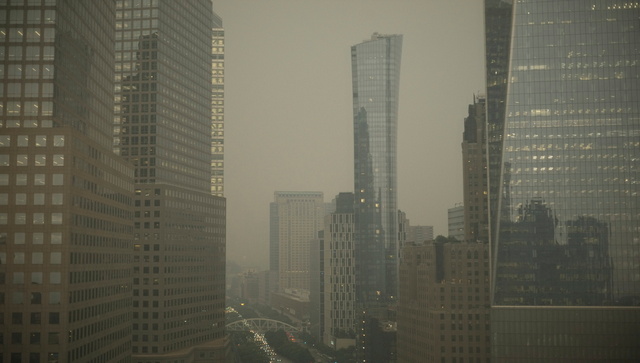
New York on Tuesday evening had the worst air pollution in the world. The city’s air quality index (AQI) at one point was over 200 – classified as ‘very unhealthy’ – and the worst of any major metropolitan area. The city early Wednesday ceded the spot to New Delhi. So what happened? And why did air pollution in New York deteriorate? What happened? Throughout much of Tuesday, a smoky haze hung over New York City. According to The New York Times, the haze at times was grey, yellow, orange and even purple. The haze thickened in the late afternoon, obscuring views of New Jersey across the Hudson River and making the setting sun look like a reddish orb. Sal and Lilly Murphy, of Brooklyn, likened the burning scent to a campfire. They said they could even smell the smoke indoors, in a Manhattan restaurant, then walked outside and saw a sky that looked like it was about to storm — but was rainless. Lilly wore a mask for protection.
“It’s a little scary,” Sal Murphy said.
According to NBC, an air quality alerts were issued for several regions. Air quality alerts are triggered by a number of factors, including the detection of fine-particle pollution — known as “PM 2.5” — which can irritate the lungs. Exposure to elevated fine particle pollution levels can affect the lungs and heart. Health advisories for New York, Bronx, and Queens were issued, as per India Today. At least 10 school districts in central New York state cancelled outdoor activities and events, as per CNN. [caption id=“attachment_12706532” align=“alignnone” width=“640”] Buildings in Jersey City, are partially obscured by smoke from Canadian wildfires as ferries travel up the Hudson River, seen from the Manhattan borough of New York on Tuesday. AP[/caption] These included academic, athletic and extracurricular events, as well as outdoor recess and gym classes. The air quality alerts caution “sensitive groups,” a big category that includes children, older adults, and people with lung diseases, such as asthma and chronic obstructive pulmonary disease. Kids, who often are encouraged to go out and play, “are more susceptible to smoke for a number of reasons,” said Laura Kate Bender, the lung association’s National Assistant Vice President, healthy air. “Their lungs are still developing, they breathe in more air per unit of body weight.” The state also asked residents to limit strenuous outdoor physical activity. New York governor Kathy Hochul said Tuesday’s hazy skies “were hard to miss,” and New York City Mayor Eric Adams encouraged residents to limit outdoor activities ”to the absolute necessities.” “We are taking precautions out of an abundance of caution to protect New Yorkers’ health until we are able to get a better sense of future air quality reports,” Adams was quoted as saying by Bloomberg. “We recommend all New Yorkers limit outdoor activity to the greatest extent possible.” By early Wednesday, Swiss air monitoring company IQAir placed New York second among major cities with the worst air quality, as per NBC. According to CNN, New York had been overtaken by New Delhi. The other cities that made the list were Doha, Baghdad and Lahore. Why did air pollution deteriorate? It’s the wildfires in Canada that are to blame. Smoke from Canada’s wildfires have been wafting into the United State over the past month.
“Wildfires is very much so a global warming issue,” IQAir North America CEO Glory Dolphin Hammes told CNN.
“It has very much to do with climate change, which is creating essentially unsafe conditions.” From westernmost British Columbia to Nova Scotia on the east coast, about 3.3 million hectares (8.2 million acres) have burned so far in Canada. Some 26,000 people remain displaced by fires at present, with about 120,000 having had to flee at some point over the past month. The most recent fires near Quebec have been burning for at least several days. “Our modeling shows that this may be an especially severe wildfire season throughout the summer,” Prime Minister Justin Trudeau told a news conference. [caption id=“attachment_12706542” align=“alignnone” width=“640”] A firefighter directs water on a grass fire on an acreage behind a residential property in Kamloops, British Columbia. AP[/caption] Officials pointed to especially hot, dry conditions in recent months that are forecast to persist through August. If the current trajectory continues, said Natural Resources Minister Jonathan Wilkinson, “it very well could be… Canada’s most severe fire season ever,” with fires having already burned 10 times the historic average area. “Every province and territory will need to be on high alert throughout this wildfire season,” he added. Currently, 413 wildfires are burning across Canada, including 249 listed as out of control. And three provinces – Alberta, Nova Scotia and Quebec – have asked for federal assistance. “Smoke and haze from wildfires across eastern Canada will continue working into the region this evening,” NBC quoted National Weather Service forecasters as writing. The US Environmental Protection Agency said hazy skies, reduced visibility and the odour of burning wood are likely, and that the smoke will linger for a few days in northern states. Jay Engle, a National Weather Service meteorologist based in Upton, Long Island, said the wind trajectory that allowed smoke and hazy conditions to be seen in the New York City area could continue for the next few days. Of course, he said, the main driver of conditions is the fires themselves. If they diminish, the haze would too. Emergency Preparedness Minister Bill Blair said the country has seen “some of the most severe (fires) ever witnessed in Canada,” and should brace for “continued higher than normal fire activity.” Wilkinson said wildfire risks are likely to “increase in June and remain unusually high throughout the summer across the country. It shows us that this year’s already devastating season could well get worse.” Canada hit by extreme weather Canada has been hit repeatedly by extreme weather in recent years, the intensity and frequency of which have increased due to global warming. After major flareups in the west of the country in May, notably in the prairie provinces of Alberta and Saskatchewan, firefighting shifted in recent weeks to Nova Scotia in the east, and more recently to Quebec. A fire that threatened suburbs of Halifax, the largest city in Nova Scotia, was contained over the weekend with rains and cooler weather helping firefighting efforts. Some evacuated residents were allowed to return home. In Quebec, the tiny town of Clova was abandoned in the face of advancing blazes, forcing its three dozen inhabitants to flee. About 10,000 residents of Sept Iles also remain under an evacuation order.
With resources increasingly strained, Ottawa has sent in the military to help in hotspots.
About 1,000 firefighters from Australia, France, Mexico, New Zealand, South Africa and the United States also arrived or were en route to bolster firefighting efforts. William Barrett, the national senior director of clean air advocacy with the American Lung Association, told CNN, “If you can see or smell smoke, know that you’re being exposed.” “And it’s important that you do everything you can to remain indoors during those high, high pollution episodes, and it’s really important to keep an eye on your health or any development of symptoms.” With inputs from agencies Read all the Latest News , Trending News , Cricket News , Bollywood News , India News and Entertainment News here. Follow us on Facebook, Twitter and Instagram.

 "Russian drones over Poland: Trump’s tepid reaction a wake-up call for Nato?")
 "As Russia pushes east, Ukraine faces mounting pressure to defend its heartland")
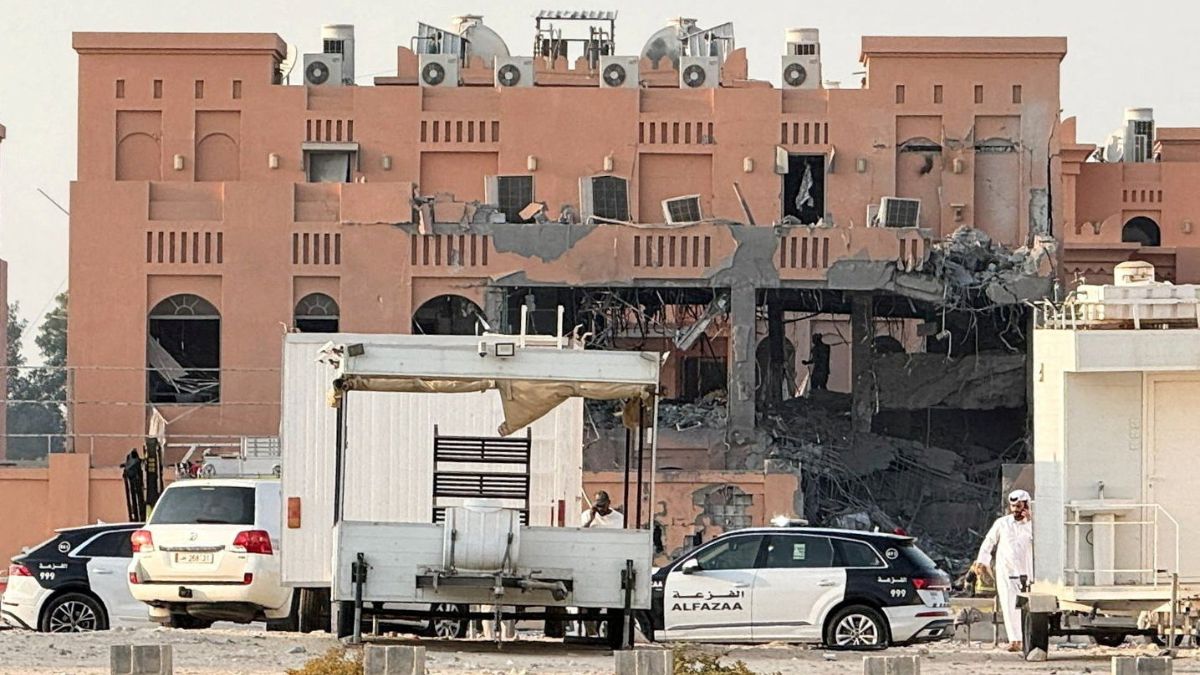 "Why Mossad was not on board with Israel’s strike on Hamas in Qatar")
 "Turkey: Erdogan's police arrest opposition mayor Hasan Mutlu, dozens officials in corruption probe")
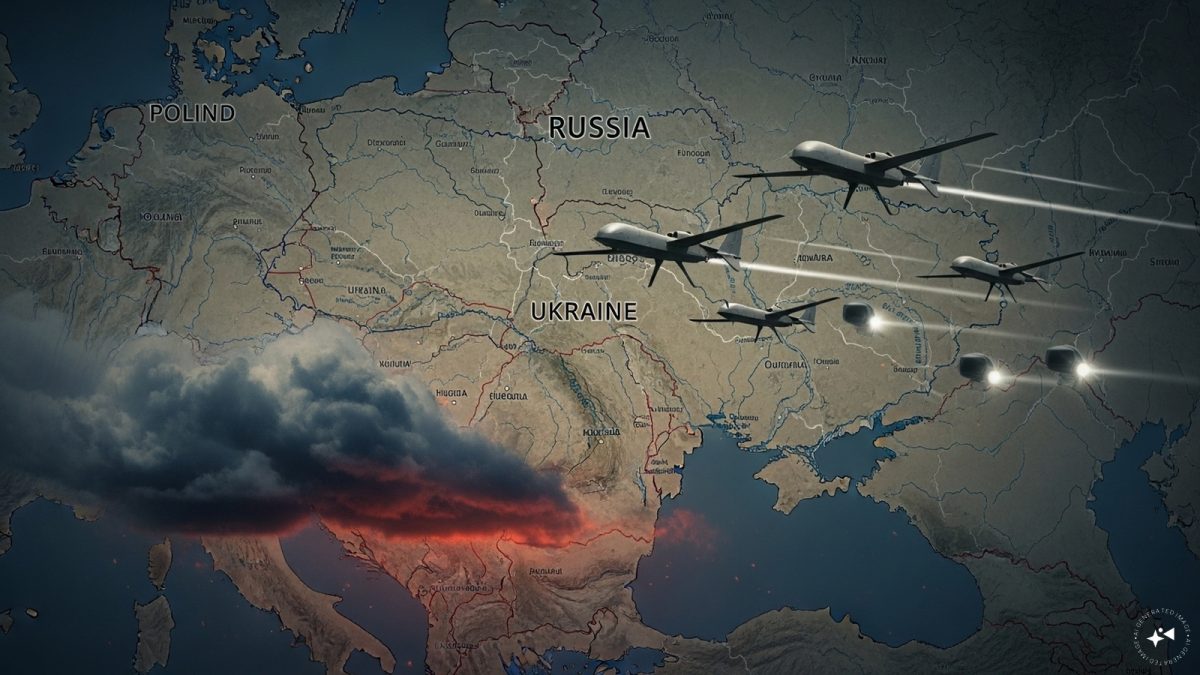 "Russian drones over Poland: Trump’s tepid reaction a wake-up call for Nato?")
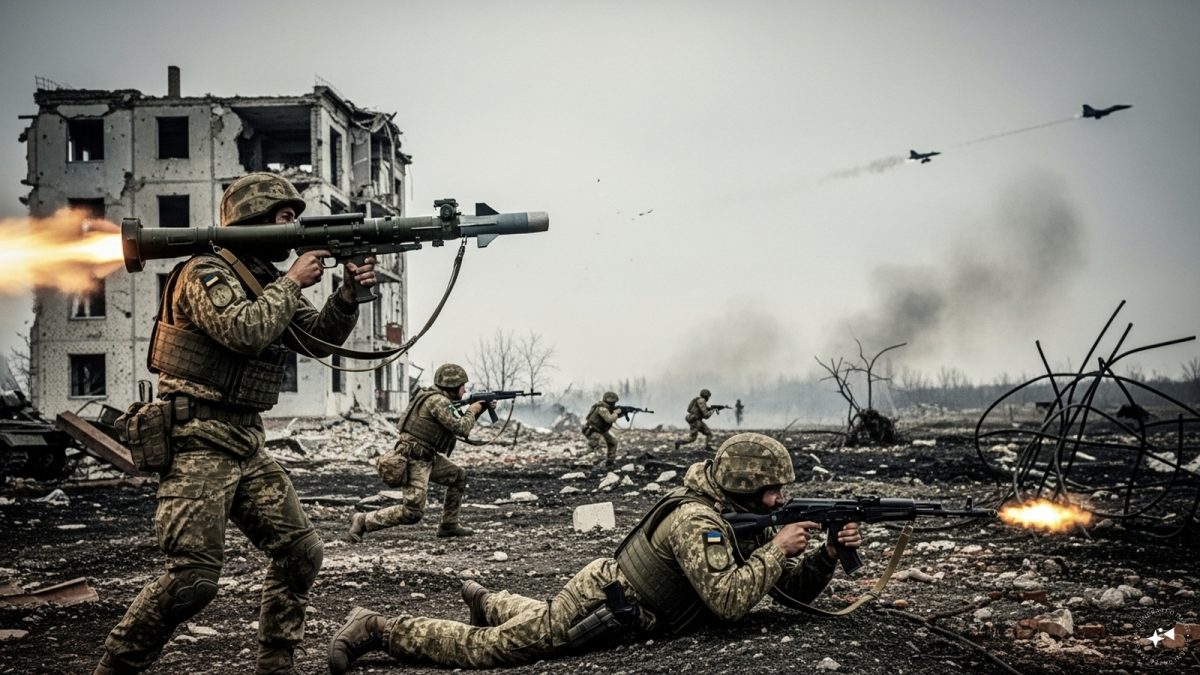 "As Russia pushes east, Ukraine faces mounting pressure to defend its heartland")
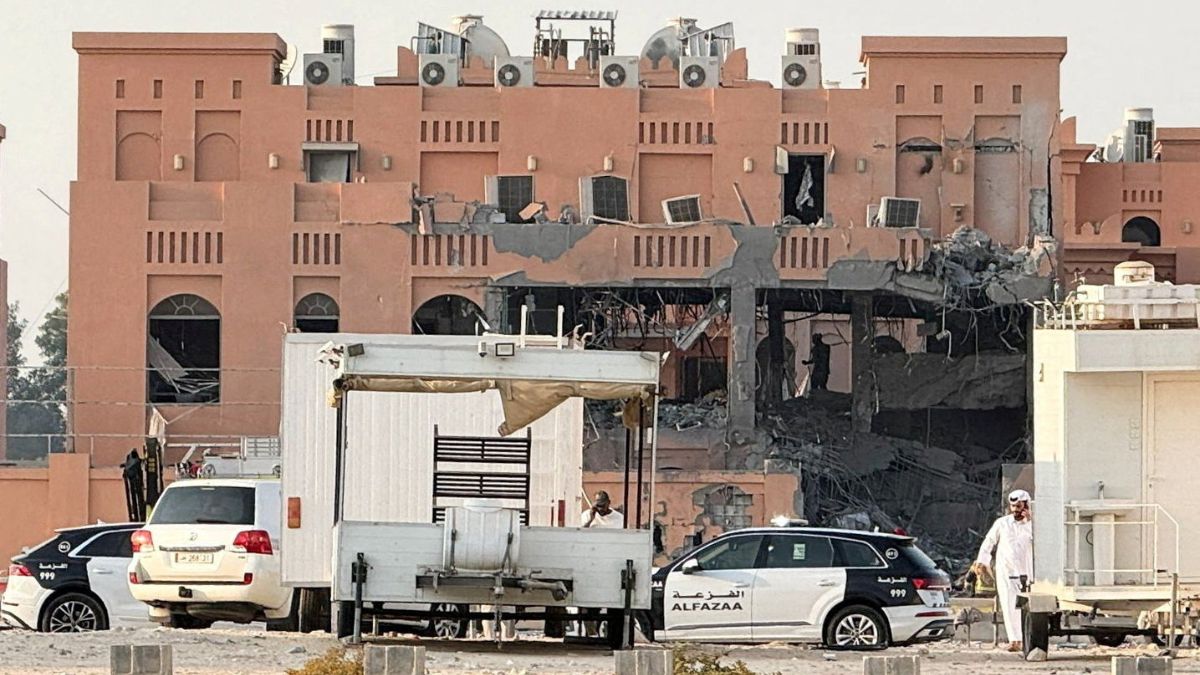 "Why Mossad was not on board with Israel’s strike on Hamas in Qatar")
 "Turkey: Erdogan's police arrest opposition mayor Hasan Mutlu, dozens officials in corruption probe")



